
Kiyomizu-dera Temple
1-294 Kiyomizu, Higashiyama-ku, Kyoto 605-0862 Kyoto Prefecture Posted by Brandon B.Admin
Kiyomizu-dera Temple: Kyoto's Most Visited Hillside Shrine
Perched on the wooded slopes of Mount Otowa in Higashiyama-ku, Kiyomizu-dera Temple has been drawing pilgrims and travelers to eastern Kyoto for well over a thousand years. The main hall's famous wooden stage juts out roughly 13 meters above the hillside, held up without a single nail by a lattice of 139 zelkova pillars. On a clear morning, you can see across the rooftops of Kyoto all the way to the Higashiyama mountain range. That view alone explains why this place is the anchor of almost every Kyoto itinerary.
The approach through the narrow lanes of Sannen-zaka and Ninnen-zaka is half the experience. Stone-paved alleys lined with tea houses, pickled vegetable shops, and ceramic studios lead you gradually uphill before the temple's orange-red pagoda comes into view. By the time you reach the main gate, you've already been immersed in something that feels genuinely old.
Why Kiyomizu-dera Matters
This is one of the most celebrated monuments of Japanese Buddhism, and in 1994 it was designated a UNESCO World Heritage Site as part of the Historic Monuments of Ancient Kyoto. The temple belongs to the Hosso school of Buddhism, one of the oldest Buddhist sects in Japan, and has survived fire, war, and reconstruction across many centuries. The current structures date mostly from 1633, rebuilt under the patronage of Tokugawa Iemitsu, the third shogun of the Edo period.
The name itself tells you what to look for. Kiyomizu means "pure water," a reference to the Otowa waterfall that runs beneath the main hall. That waterfall has been a site of ritual purification and pilgrimage for generations. It's not a metaphor. People still queue for it every single day.
Quick Facts
- Address: 1-294 Kiyomizu, Higashiyama-ku, Kyoto
- UNESCO World Heritage Site since 1994
- Current main hall structures date from 1633
- Main stage stands approximately 13 meters above the hillside
- Supported by 139 zelkova wood pillars, assembled without nails
- Three separate streams at the Otowa waterfall, each said to grant a different blessing
- Open most days of the year, including many national holidays
- General admission ticket required; separate fees apply for some sub-temples
Getting There
The temple sits in Higashiyama-ku, Kyoto's eastern ward, and there is no train station directly at the gate. The most practical approach is to take the city bus from Kyoto Station to the Gojo-zaka or Kiyomizu-michi stop, then walk uphill for about 10 to 15 minutes through the souvenir lane. The walk is steady but not steep enough to be difficult for most people.
If you're coming from Gion or Shijo-dori, the walk through Ninnen-zaka and Sannen-zaka takes roughly 20 to 25 minutes on foot and is well worth doing rather than busing. Taxis can drop you at the base of the hill, but no vehicles reach the temple gate itself. Arriving on foot from the southern approach via Gojo-zaka gives you a slightly less crowded path than the Sannen-zaka route, depending on the time of day.
The Layout and Experience
The temple complex is larger than most first-time visitors expect. You enter through the Nio-mon gate, pass a three-story pagoda on your left, and climb through a series of halls before reaching the main hondo. The wooden stage extending from the hondo is the iconic view you've seen in photographs, but standing on it looking outward is a different thing entirely. On autumn afternoons, the hillside below turns orange and red from the maples, and the stage feels genuinely suspended over the forest.
Below the main hall, a path descends to the Otowa waterfall, where three separate channels of spring water pour into a basin. Visitors use long-handled cups to drink from one of the three streams. Each stream is associated with a different kind of good fortune, though if you ask three locals which is which, you may get three different answers. The queue here can be long during peak season, but it moves.
From the far side of the complex you get the classic view back toward the main hall and its stage, with the city visible in the distance. This is where most of the memorable photographs happen. The sub-temple of Jishu Shrine, dedicated to the deity of love and relationships, sits just above the main hall and has its own small grounds worth a few minutes of your time.
Best Time to Visit
Kiyomizu-dera is genuinely busy year-round, but the crowds peak during cherry blossom season in late March and early April, and again during autumn foliage in November. Both seasons are spectacular, and both are extremely crowded. If you want the foliage without the shoulder-to-shoulder experience, aim for a weekday and arrive when the gates open in the morning.
Summer visits can be hot and humid, but the surrounding forest keeps the approach lanes a little cooler than the city center. Winter is the most peaceful time to visit. On rare days when snow falls in Kyoto, the contrast of white snow against the red wooden halls is striking enough that many regular visitors plan return trips around it.
The temple occasionally holds special evening illumination events during cherry blossom and autumn foliage seasons, when the complex stays open after dark and the structures are lit up against the night sky. These events require checking the temple's official schedule, as dates shift each year.
Tickets and Entry
Entry requires a general admission ticket, purchased at the gate. The fee is budget-to-mid-range by Kyoto attraction standards. Some sub-temples and special seasonal events charge separately. The Jishu Shrine, though located within the complex, is an independent religious institution with its own entrance arrangements, so check ahead if that's a specific goal.
There is no advance online booking required for standard daytime entry. For evening illumination events, lines can form early and the experience is time-limited, so arriving well before the posted start time is wise.
Photography Tips
The best exterior shot of the main hall stage is taken from the viewing path on the opposite hillside, accessible after you descend from the stage and loop around. Morning light hits the front of the hall well. By midday the stage itself is often crowded enough that candid shots are difficult, though the scale of the architecture still reads clearly.
The three-story pagoda near the entrance makes a strong foreground element with the main hall behind it, especially in autumn when the maples are turning. For the Otowa waterfall, you'll need patience. The basin is set in a shaded alcove and the light is low, so slower shutter speeds or a steady hand are necessary.
On the stone-paved lanes of Sannen-zaka below the complex, early morning before the shops open is the closest thing to quiet you'll find. The stone pavement, old wooden facades, and occasional person in a kimono make for strong street-level images without the crowds.
Combining with Nearby Attractions
The temple sits at the southern end of the Higashiyama walking route, one of Kyoto's most rewarding pedestrian corridors. From Kiyomizu-dera, you can walk north through Sannen-zaka and Ninnen-zaka to reach Kodai-ji Temple, then continue toward Maruyama Park and the Yasaka Shrine in Gion, all within about 30 to 40 minutes on foot. The entire route is flat to gently sloped once you descend from the temple hill.
Heading south from the Gojo-zaka bus stop takes you into the Gojo ceramics district, where Kyoto-ware pottery studios cluster along the streets. It's a quieter part of the city and a good counterpoint after the intensity of the main temple crowds.
Practical Tips
- Wear comfortable shoes. The stone paths on the approach and inside the complex are uneven and can be slippery after rain.
- Arrive early, ideally by 8am, to experience the main hall with significantly thinner crowds.
- The temple grounds are largely outdoors, so dress for the weather. There is very little shelter from rain once you're inside the complex.
- Rickshaws and rental kimono services are available near the base of the hill and on Sannen-zaka if you want a more traditional approach.
- Drinking from all three Otowa streams is considered bad luck in some local traditions, so pick one.
- Photography is generally permitted throughout the open grounds. Specific halls may restrict photography inside.
- The approach lanes have many food and snack vendors. Yatsuhashi (a local sweet made from glutinous rice flour) is sold almost everywhere and is worth trying.
FAQ
How long does a visit to Kiyomizu-dera take?
Most visitors spend between 90 minutes and two hours on the grounds. If you add the Sannen-zaka and Ninnen-zaka lanes below, budget closer to half a day.
Is the temple accessible for people with limited mobility?
The approach lanes and much of the hillside complex involve uneven stone surfaces and steps. Some areas are difficult or impossible to access in a wheelchair. The temple's main office can advise on the current state of accessible routes.
Can you visit Kiyomizu-dera at night?
During special seasonal illumination events in spring and autumn, the temple opens after dark. These are not regular nightly events and the schedule changes each year, so check the official temple website before planning an evening visit.
Is there a dress code?
There is no strict dress code for entry, unlike some temples elsewhere in Asia. That said, the site is an active place of worship, and modest dress is appropriate. Many visitors choose to wear or rent kimono for the experience.
Reviews
Sign in and mark this place visited to leave a review.
No reviews yet.
Free Trip Planner
Plan your Japan trip with our free planner
Build a day-by-day itinerary with AI suggestions, hand-picked places, and friends. Free forever — no credit card.
Related reading

Things to see near Kiyomizu-dera Temple

teamLab Nagai Botanical Garden Osaka

Horyu-ji

Yakushi-ji Temple

Dōtonbori
Places to eat or drink near Kiyomizu-dera Temple

The Münch

Rai Rai Tei Ikuno Tatsumi

KITAN HIBIKI YAKINIKU&STEAK
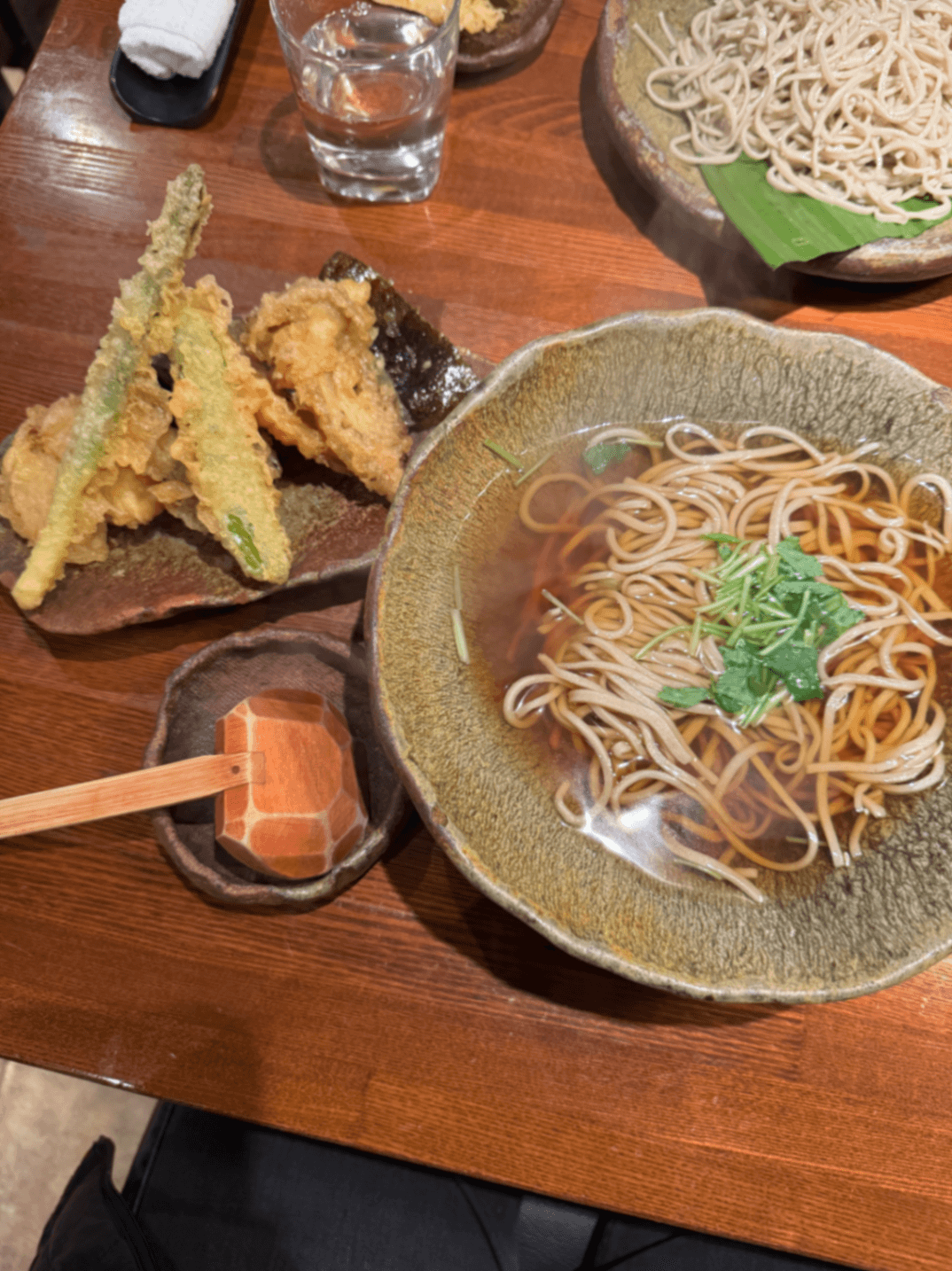
Akari Soba
More places in Kyoto

Rai Rai Tei Uzumasa

Menya Inoichi Hanare

Gion Kappa Kyoto
