Koutoubia Mosque
Riad Slitine, Marrakesh, Marrakesh-Safi 40, Morocco Posted by Brandon B.Admin
Koutoubia Mosque: Marrakesh's Most Recognizable Landmark
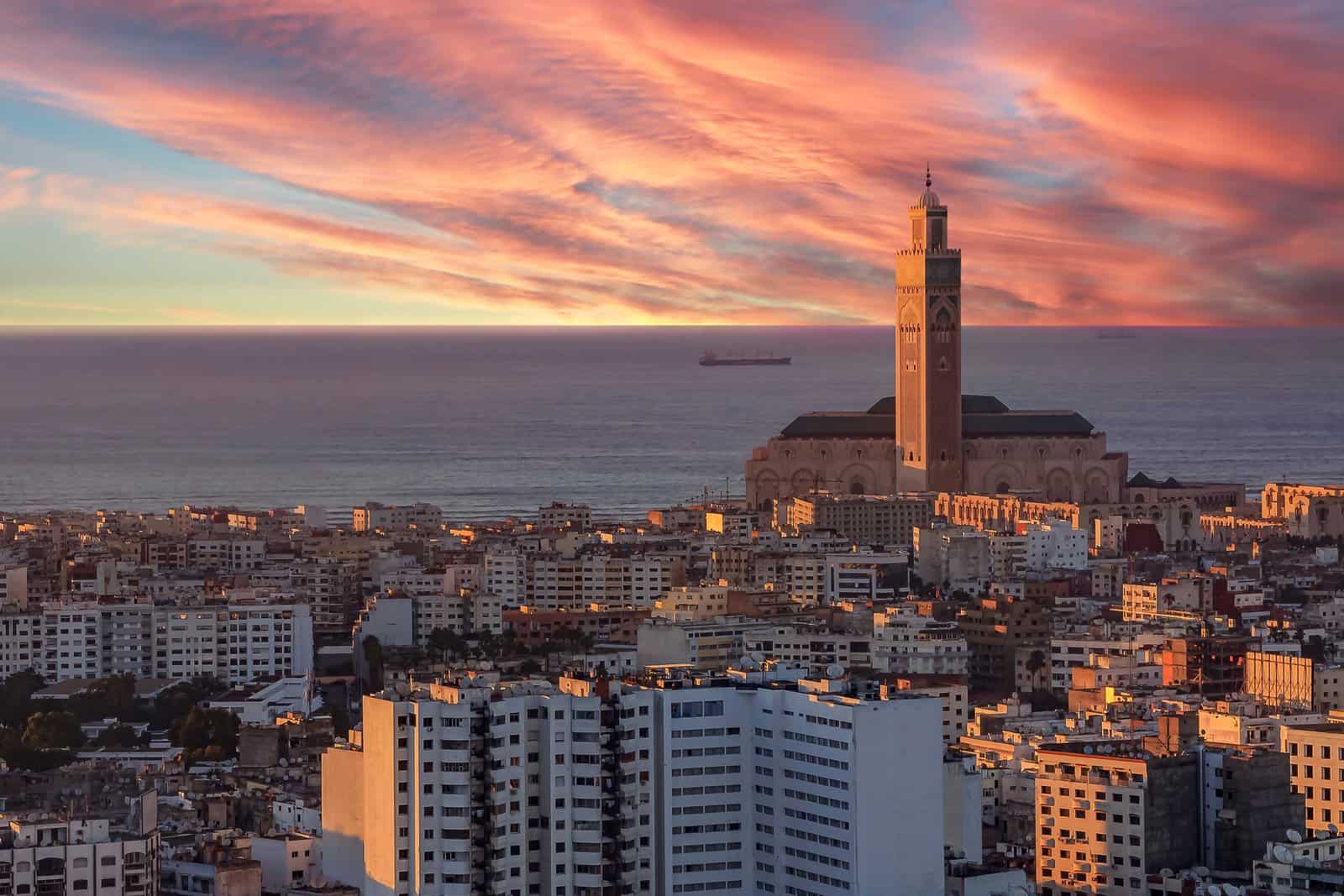
You can spot the Koutoubia Mosque from almost anywhere in Marrakesh. Its minaret rises roughly 70 meters above the rooftops of the medina, and on a clear day you can see it from several kilometers outside the city. For centuries it has been the point from which the rest of Marrakesh orients itself, and that hasn't really changed. Whether you arrive by train, taxi, or foot through the souks, the minaret is usually the first thing that pulls your eye and the last thing you see before you leave.
The mosque sits at the western edge of the medina, just a short walk from Jemaa el-Fna square. That location makes it one of the most visited spots in the city, even if most visitors never step inside.
Why the Koutoubia Mosque Matters
This is not just a religious building that happens to be photogenic. The Koutoubia minaret, completed in the 12th century under the Almohad dynasty, became the template for two other major minarets built in the same era: the Giralda in Seville and the Hassan Tower in Rabat. All three share the same proportions and decorative logic. So when you stand in front of the Koutoubia, you are looking at the original version of one of the most influential pieces of Islamic architecture in the western Mediterranean world.
The name itself comes from the Arabic word for booksellers. A market of manuscript traders once operated near the mosque's base, which tells you something about the neighborhood's character in medieval Marrakesh.
Quick Facts
- Minaret height: approximately 70 meters
- Built: 12th century, Almohad dynasty
- Location: western edge of the medina, adjacent to Jemaa el-Fna
- Entry: the mosque interior is closed to non-Muslims
- The surrounding gardens and exterior are freely accessible
- Five daily calls to prayer are broadcast from the minaret
- The mosque is believed to be built on the site of an earlier, slightly misaligned mosque from the same period
Getting There
From Jemaa el-Fna, the mosque is about a 5-minute walk heading southwest. Most people stumble upon it naturally as they move between the square and the newer part of the city. If you're coming from Gueliz, the modern district to the west, Avenue Mohammed V leads almost directly toward it. Taxis can drop you at the roundabout near the mosque gardens without any difficulty.
There is no dedicated parking lot, and the streets around the medina can get congested. If you're driving, it's easier to park near Gueliz and walk the last stretch.
The Layout and Experience
Non-Muslim visitors experience the Koutoubia almost entirely from the outside, but that's genuinely enough. The gardens surrounding the mosque are well maintained, planted with roses, orange trees, and low hedges, and they offer a calm contrast to the noise of Jemaa el-Fna just a few hundred meters away. Most days you'll find locals sitting on the benches here in the late afternoon, and the atmosphere is noticeably quieter than the square.
The minaret itself dominates the view from every angle. It's decorated with bands of carved stone tracery that vary on each face, and the top is crowned with three gilded copper balls of decreasing size. Look closely and you'll notice the decorative panels change pattern as you move around the building. The overall effect is less ornate than later Moroccan architecture but more powerful for it.
There are actually two mosques on this site. Archaeological work revealed the foundations of an earlier mosque immediately to the north of the current building. That earlier structure was reportedly built with a slightly incorrect qibla orientation (the direction of prayer toward Mecca), which is why a second mosque was constructed. You can see the outline of the original foundations nearby.
History and Background
The Almohad dynasty, which ruled a territory stretching from the Iberian Peninsula down through Morocco and into parts of West Africa, made Marrakesh one of its two capitals alongside Seville. The Koutoubia was built during the reign of Caliph Abd al-Mumin, begun around 1147 after the Almohads took the city. The minaret was completed under his successor, Yaqub al-Mansur, who also commissioned the Hassan Tower in Rabat and oversaw construction of the Giralda in Seville.
The proportions of the Koutoubia minaret follow a specific rule: the tower's width is one-fifth of its height. That ratio, and the system of interlocking geometric screens and blind arches decorating the shaft, became the defining grammar of western Islamic religious architecture for generations. It's one of those rare cases where a single building genuinely changed what came after it.
Best Time to Visit
The golden hour before sunset is when the minaret looks its best. The warm light hits the carved stone tracery at a low angle and the shadows bring out the geometry in a way that flat midday light simply doesn't. This also happens to be when the call to prayer echoes across the gardens, which adds considerably to the atmosphere.
If you want a quieter experience in the gardens, mornings tend to be more peaceful. The area around Jemaa el-Fna fills up quickly as the day progresses, and the foot traffic near the mosque increases accordingly. Coming before 9am gives you the gardens largely to yourself.
Avoid visiting during Friday midday prayers if you want to move freely around the exterior, as the area gets crowded and access near the entrance is restricted out of respect for worshippers.
Photography Tips
The classic shot is from the gardens to the south, with the minaret framed against the sky. For something less expected, walk around to the northern side where you can frame the minaret against the older mosque foundations and get a sense of the site's layered history.
Early morning gives you clean light and empty paths. If you're shooting at dusk, the three copper orbs at the top of the minaret catch the last light beautifully and glow distinctly against a darkening sky. The mosque is also lit at night, and the illuminated minaret visible from Jemaa el-Fna makes for a strong wide shot if you're positioned near the food stalls on the square.
A wide-angle lens helps if you want the full minaret in frame from close range. From further back in the gardens you can use a standard focal length without any issue.
Combining with Nearby Attractions
The Koutoubia sits between two very different parts of the city, which makes it easy to build a half-day around it. Jemaa el-Fna is the obvious pairing, only a few minutes on foot. From there you can push into the souks heading north toward the Ben Youssef Mosque and the Medersa Ben Youssef, which is open to non-Muslim visitors and gives you access to the kind of interior you can't see at the Koutoubia.
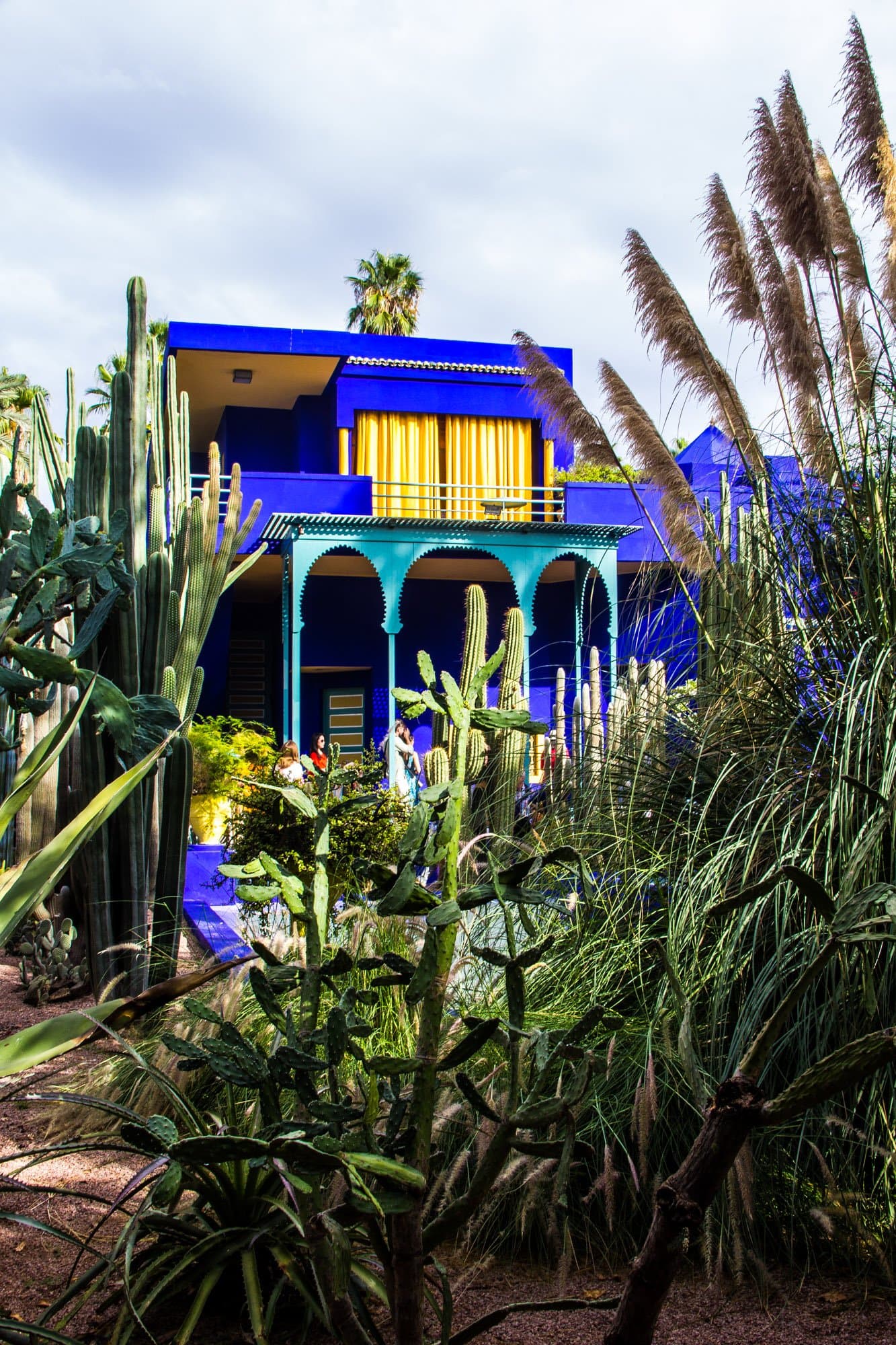
The Saadian Tombs and Bahia Palace are both within a 15 to 20 minute walk to the southeast and make natural companions for a full day in the medina. If you want to balance the sensory overload of the souks with something quieter, the Majorelle Garden in Gueliz is about a 20-minute walk or a short taxi ride to the northwest.
Practical Tips
- Dress modestly when visiting the gardens, particularly during prayer times. Shoulders and knees covered is the standard expectation.
- The mosque interior is not open to non-Muslims. Don't attempt to enter.
- Touts and guides sometimes approach visitors near the mosque. A polite but firm refusal is usually enough.
- The gardens close at dusk most evenings. Plan your sunset visit accordingly.
- Bring water. The area between Jemaa el-Fna and the mosque has limited shade during the middle of the day.
- If you're combining this with Jemaa el-Fna, visit the mosque first in the morning and save the square for the evening when it comes alive.
- The site itself has no entry fee. Access to the gardens is free.
FAQ
Can non-Muslims enter the Koutoubia Mosque?
No. The interior is reserved for Muslim worshippers. The gardens and exterior of the mosque are fully accessible to everyone.
Is there an entry fee for the gardens?
The gardens surrounding the mosque are free to enter and open to the public most days.
How far is the Koutoubia from Jemaa el-Fna?
About a 5-minute walk. The mosque is visible from the western edge of the square, so you can navigate by sight.
What is the best time of day to see the minaret?
Late afternoon, particularly in the hour before sunset, tends to give the best light on the carved stonework and the copper orbs at the top.
Is the Koutoubia minaret really the model for the Giralda in Seville?
Yes. The Giralda, now the bell tower of Seville Cathedral, was originally built as a minaret by the same Almohad dynasty using the same proportional system and decorative vocabulary as the Koutoubia. The Hassan Tower in Rabat is the third in this group of related structures.
Reviews
Sign in and mark this place visited to leave a review.
No reviews yet.
Free Trip Planner
Plan your Marrakesh trip with our free planner
Build a day-by-day itinerary with AI suggestions, hand-picked places, and friends. Free forever — no credit card.