Posted by Brandon B.Admin
Overview
Lake Matka sits in a dramatic limestone canyon about 15 kilometers south of Skopje, the capital of North Macedonia. The lake formed in 1938 when a dam was built across the Treska River, and today it's one of the country's most visited natural attractions. The water is a striking turquoise color, framed by sheer cliffs that rise hundreds of meters on both sides. You'll find the lake equally appealing whether you come for a quiet afternoon walk, a boat ride, or to explore the caves and monasteries tucked into the surrounding rock.
The area feels removed from the city despite being close enough for a day trip. The narrow canyon creates a sense of seclusion, and the only sounds you're likely to hear are water lapping against the shore and birds echoing off the stone walls. Most visitors spend between two and four hours here, depending on what they choose to do.
Why this place matters
Lake Matka represents one of North Macedonia's few large bodies of water and holds significance both as a natural landmark and as a place where history and geology intersect. The canyon itself is geologically noteworthy, with rock formations that tell the story of the region's geological past. Beyond the natural appeal, the area around the lake contains several religious and historical sites, including the Verrkovica Cave and monasteries built into the cliffs, making it culturally layered.
For visitors, it's one of the few places near Skopje where you can experience undeveloped natural landscape. That matters in a region where many popular attractions are urban or heavily developed.
Quick facts
- Distance from Skopje: approximately 15 kilometers south
- Best accessed by car or organized tour from the city
- Lake formed in 1938 when the Treska River dam was constructed
- Free to visit the main lake area and shoreline
- Boat rentals available at the main dock (mid-range cost)
- Home to several caves and two accessible monasteries
- Most suitable for visits between April and October
Getting there
Reaching Lake Matka without a car requires either hiring a taxi from Skopje or booking an organized tour. The drive from the city center takes roughly 20 to 25 minutes depending on traffic. You'll head south through residential areas before the landscape opens up and the canyon begins to reveal itself.
If you're driving, follow signs toward Matka. The main parking area sits near the lake's northern end, where you'll find the boat rental dock and a few small restaurants. Parking is free and typically has space unless you arrive on a summer weekend afternoon.
Several tour operators in Skopje offer half-day or full-day trips to Lake Matka. These usually include boat rides and visits to caves or monasteries. If you prefer a more independent pace, renting a car gives you flexibility to explore the canyon rim and access different viewpoints.
The layout and experience
The lake stretches for about 12 kilometers into the canyon, though the accessible part for most visitors is concentrated in the first 3 to 4 kilometers from the northern entrance. The shoreline is rocky rather than sandy, with scattered small beaches where you can sit and swim if you wish.
Two main ways to experience the lake exist. The first is to walk or drive along the rim on the main road, stopping at viewpoints and exploring the various cave and monastery entrances. The second is to rent a boat and travel along the water, which gives you a different perspective on the canyon walls and allows access to caves that are harder to reach on foot.
The water itself stays cold year-round, even in summer, so swimming is more for the brave. Most visitors wade rather than dive.
Main highlights
The Verrkovica Cave is the most visited cave in the area. It's large and partially accessible to tourists, with archaeological significance due to finds from prehistoric periods. The cave mouth sits directly above the lake, and the walk to it takes 10 to 15 minutes from the main parking area on a reasonably maintained path.
Two monasteries are reachable from the lake. St. Nicholas Church sits on the eastern shore and dates to medieval times, though the current structure is much newer. The second, St. Erasmus, perches on a cliff and requires a boat or a longer hike to access. Both offer insight into the region's religious history and provide striking photo locations.
The boat ride itself is a highlight. Traveling along the water gives you an appreciation for the canyon's scale that you can't get from the shore. The water is clear enough to see the rocky bottom in shallower areas, and the reflections of the cliffs in the water create an almost surreal quality, especially on calm mornings.
Several smaller caves dot the canyon walls, accessible either by boat or by hiking along the rim. Not all are formally named or marked, but locals and boat operators know which ones are worth visiting.
History and background
The Matka Dam was constructed in 1938 to provide hydroelectric power and water supply to Skopje. The flooding of the Treska River gorge created the lake, submerging the original canyon floor. Before the dam, the area was known for its caves and prehistoric settlements, evidence of which remains visible in places like Verrkovica.
The monasteries in the canyon date to medieval times and reflect the region's Christian Orthodox heritage. They were built into the cliffs partly for spiritual reasons and partly for practical ones, as the location provided protection and access to water.
Archaeological work in the caves has uncovered evidence of human habitation dating back thousands of years. The area was likely a significant settlement and trade route in antiquity due to its water access and defensible location.
Best time to visit
Spring and early autumn offer the most comfortable conditions. April through May and September through October bring mild temperatures and lower humidity than summer. The lake is also less crowded during these periods, especially on weekdays.
Summer visits are possible but tend to be hot and busy. July and August draw weekend crowds from Skopje, and if you arrive after 5pm you'll be climbing into the boat in fading light. Swimming is most appealing in July and August, but expect more company.
Winter is possible but less rewarding. The water is at its coldest, caves can be damp and slippery, and some boat operators may have reduced hours depending on weather. Visits are still feasible if you dress warmly and go midday when light is best.
Photography tips
The canyon walls create dramatic vertical lines that work well as framing devices. Shoot from the water looking back at the shore to capture the scale of the cliffs. Early morning light, before 9am, hits the eastern cliffs and creates strong shadows and color contrast.
The monasteries are particularly photogenic in late afternoon when the sun rakes across the cliff face. The caves, especially Verrkovica, benefit from being photographed from the water where you can show the full mouth and the surrounding rock formation.
If you're photographing the water, polarizing filters help cut glare and deepen the color of the lake. Overcast days actually work well here because the uniform light shows the canyon's texture without harsh shadows.
Facilities and preparation
The main parking area has basic facilities. A few small restaurants and cafes operate near the dock, serving simple food and drinks. Don't expect extensive options. If you have dietary restrictions or preferences, bring snacks and water from Skopje.
The paths to caves are rocky and uneven. Wear sturdy footwear with good grip. The cave interiors can be cool and damp even in summer, so bring a light jacket or fleece. A flashlight or headlamp is useful for exploring cave interiors, though the most visited areas are lit by natural light from the openings.
Sunscreen and a hat are essential, especially if you're planning to be on or near the water. There's little shade along the shoreline. Bring plenty of water, at least 2 liters per person, particularly in warm months.
Combining with nearby attractions
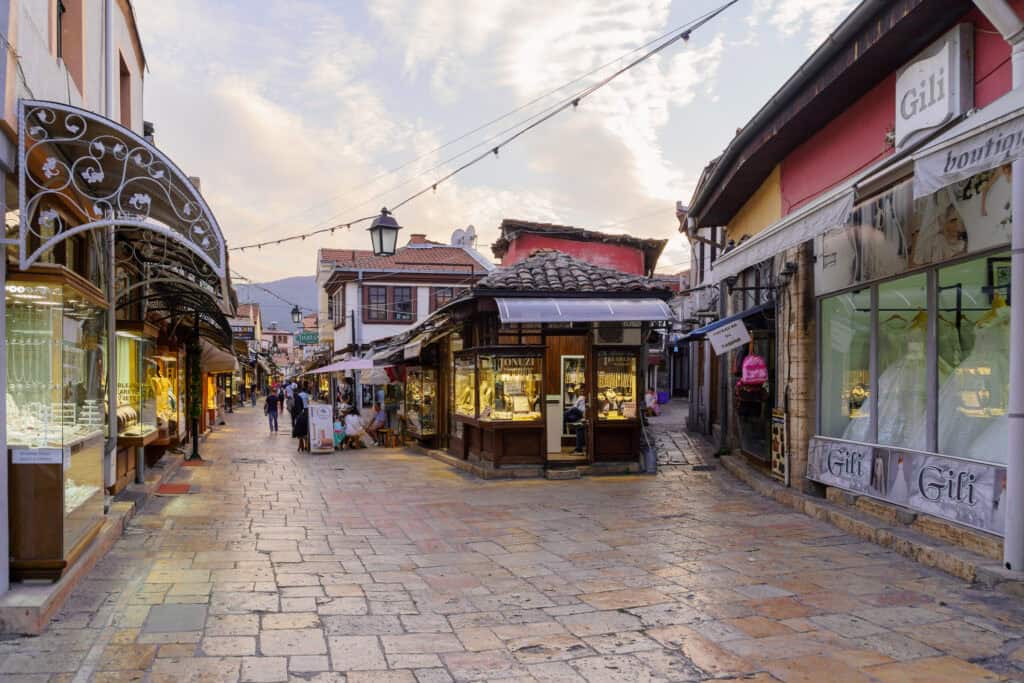
Lake Matka can be combined with a visit to Skopje's Old Bazaar and historic sites as a full-day outing. If you're spending time in the city, a morning at the lake followed by an afternoon exploring the Old Bazaar and Kale Fortress creates a balanced day.
The village of Matka, which sits above the lake, has a few local restaurants and can be a stop for lunch or coffee before heading back to the city. Some tour operators combine lake visits with trips to nearby Saraj or other regional sites.
Sample visit plan
If you have three hours: Drive to the main parking area, walk to Verrkovica Cave (30 minutes round trip), return to the dock, rent a boat for a one-hour ride, return to shore, and grab food at one of the lakeside restaurants before heading back to Skopje.
If you have a full day: Start early, spend time at Verrkovica and a second cave, take a longer boat ride to St. Erasmus monastery, have lunch near the dock, then drive along the canyon rim to explore additional viewpoints and smaller caves before returning to the city at sunset.
If you have half a day: Prioritize the boat ride. Rent one for 1.5 to 2 hours and let the boatman show you the main caves and monasteries from the water. This is the most time-efficient way to see the most.
Practical tips
- Boat operators at the dock can arrange rides for groups or individuals. Negotiate length and price before boarding if it's not posted.
- Bring cash. Not all operators accept cards, and ATMs are not nearby.
- Visit on a weekday if possible to avoid weekend crowds from Skopje.
- The path to Verrkovica is straightforward but steep in places. Take it slowly, especially in heat.
- Swimming is possible but the water is cold even in summer. Wear water shoes or bring sandals to navigate the rocky shore.
- Local guides sometimes offer themselves near the parking area. Hiring one ensures you visit caves safely and learn more history.
- The canyon can feel isolated, especially on less-visited trails. Stay on marked paths and let someone know where you're going.
FAQ
Can you swim in Lake Matka? Yes, swimming is allowed and some people do it, especially in summer. The water is cold year-round and the shore is rocky. Wear water shoes and be cautious of currents.
How long does a boat ride take? Short rides around the main lake area take 45 minutes to an hour. Longer journeys into the deeper canyon can last 2 to 3 hours. Discuss duration with the boat operator beforehand.
Are the caves safe to explore? The main caves like Verrkovica are safe for casual visitors. The paths are rough but manageable. Bring light and wear sturdy shoes. Avoid exploring unmarked caves alone.
Do I need a car to visit? A car makes the visit easier and more flexible, but organized tours from Skopje are available if you don't have one. Taxis are an option but will cost more than a tour.
What's the best season to visit? April through May and September through October offer ideal weather. Summer is warmer but crowded. Winter is possible but less comfortable and some facilities may have limited hours.
Reviews
Sign in and mark this place visited to leave a review.
No reviews yet.
Free Trip Planner
Plan your Republic of North Macedonia trip with our free planner
Build a day-by-day itinerary with AI suggestions, hand-picked places, and friends. Free forever — no credit card.