
Lonna: Helsinki's Island Escape
Lonna is a small island in the Helsinki archipelago, roughly 15 minutes by ferry from the city center. Once a military fortress and later a prison, the island has transformed into a public cultural and recreational space. You can walk its paths, explore the remains of its layered history, swim from its rocky shores, and eat at a casual restaurant. It feels removed from the city even though it's close enough that you can see downtown from the water.
Why This Place Matters
Lonna represents Helsinki's shift toward opening its archipelago to residents and visitors. For decades, the island was off limits. Now it's free to visit and genuinely worth the short trip. The mix of natural landscape, historical structures, and simple food makes it feel less like a tourist attraction and more like a local secret that happens to welcome outsiders.
Quick Facts
- Ferry ride: approximately 15 minutes from Hakaniemi terminal
- Island size: small enough to walk across in under an hour
- Entry: free for foot passengers
- Seasonal: ferries run roughly April through October
- Facilities: restaurant, toilet, basic changing rooms
- Swimming: permitted from designated rocky areas
Getting There
The ferry departs from Hakaniemi, on the eastern side of Helsinki's central peninsula. The terminal is a short walk from the Hakaniemi metro station or several bus routes. Purchase a single ticket at the kiosk before boarding. The crossing is short enough that you'll see the island grow larger almost immediately. On the way back, ferries run less frequently in shoulder seasons, so check the schedule before you arrive to avoid a long wait.
During summer months, the ferry tends to run multiple times daily. Outside the main season, service is reduced. If you're visiting in late spring or early autumn, confirm departure times beforehand.
The Layout and Experience
The ferry drops you at a small dock. From there, gravel and stone paths branch across the island. Concrete fortification structures from different eras dot the landscape. Some are small bunkers. Others are larger buildings now stabilized but left mostly empty. The paths are well maintained but uneven in places, so wear shoes with grip.
The island is ringed by rocky shore. Most swimming happens on the eastern side, where there's a small beach area and a rope marking a safe zone. The water is cold even in summer. Many locals bring wetsuits or simply wade.
The restaurant occupies a simple wooden building near the dock. It operates seasonally and serves casual food and drinks. The space is informal. You order at a counter and eat at shared tables or outside on picnic benches with views across the water toward Helsinki's skyline.
Main Highlights
The historical structures are the primary draw for first-time visitors. The island served as a military fortification in the 1800s and later as a prison. Walking among the concrete remnants gives a sense of the island's evolution without requiring any formal interpretation. You're free to explore and imagine what each structure once contained.
The water views are understated but constant. From any elevated point on the island, you see the Helsinki waterfront, other islands, and the open Baltic Sea beyond. The light changes throughout the day and season in ways that feel significant if you spend a few hours here.
Swimming is an option rather than an obligation. The water temperature and conditions vary widely depending on season. Some visitors come purely for the walk and the restaurant. Others make swimming the main event. Both approaches work equally well.
History and Background
Lonna has been inhabited and fortified for centuries. The most visible structures date from the 1800s, when it served military purposes. Later, it held prisoners. For much of the 20th century, it remained closed to the public. A cultural organization took over management in the early 2010s, leading to its gradual opening as a public space. The decision to keep the historical structures largely as they are, rather than restoring or removing them, gives the island an honest, unmanicured character.
Best Time to Visit
Summer is the most popular season. The ferry runs most days, the restaurant is open, and the weather allows for comfortable swimming and walking. Late June through August are the warmest months. The island is less crowded in May and September, when the weather is still reasonable but visitor numbers drop.
Winter and early spring are when ferries don't run, making Lonna inaccessible to casual visitors. If you're in Helsinki during these months, plan island visits around the operating season.
Photography Tips
The best light for photographing Lonna comes in the late afternoon, when the sun sits lower and the concrete structures cast deeper shadows. The contrast between the weathered fortifications and the blue water makes for strong compositions. From the eastern shore, you can photograph back toward the Helsinki skyline across the water. The architectural details of the older structures reward close-up shots, especially if you're interested in texture and decay.
Facilities and Preparation
The island has a basic changing room near the swimming area and a toilet by the restaurant. There is no fresh water for rinsing off after swimming. If you plan to swim, bring a towel and wear shoes you don't mind getting wet. The paths are passable in normal weather, but after rain they can be muddy. There's no shade across most of the island, so bring sunscreen and a hat if you're visiting on a bright day.
The restaurant serves drinks and casual food, but options are limited. Some visitors bring their own picnic. There are no shops on the island, so buy anything you'll need in Helsinki before the ferry departs.
Combining With Nearby Attractions
Lonna sits in the broader Helsinki archipelago system. Several other islands are accessible by ferry, though they operate on different schedules and serve different purposes. Suomenlinna, a UNESCO World Heritage fortress island, is a longer ferry ride from the city center and draws more visitors. It offers more extensive historical sites and facilities but feels busier. Lonna works well as a quieter alternative or as a separate trip on a different day.
The Hakaniemi neighborhood itself has cafes, galleries, and a market. You could easily spend a morning exploring the area before heading to the island, or return from the ferry with time to walk around before dinner.
Sample Visit Plan
Arrive at Hakaniemi in late morning. Take the ferry across. Spend your first 30 minutes walking the main paths and getting oriented to the island's layout. Spend the next hour exploring the historical structures and taking photographs. If you plan to swim, do so in early afternoon when the water has warmed slightly. Around 2 or 3 PM, head to the restaurant for lunch and a drink. Spend another hour walking quieter sections of the island or sitting by the water before catching a late afternoon ferry back to the city.
Practical Tips
- Check ferry schedules before you go. They vary by season and aren't always intuitive.
- Bring more water than you think you'll need. The island offers no shade and no refill points.
- Wear shoes with grip. The paths are safe but rocky and uneven in places.
- If swimming, expect cold water even in summer. Test the temperature before committing fully.
- The restaurant gets busy on warm weekends. Arrive early for lunch or plan to eat later in the afternoon.
- Bring cash. Payment systems can be limited depending on the day.
FAQ
How long should I spend on Lonna? Most visitors spend 2 to 4 hours. You can walk the entire island in under an hour, but the experience is better if you slow down, sit by the water, and eat at the restaurant.
Is Lonna suitable for children? Yes, if they're comfortable with uneven terrain and can entertain themselves with exploration and swimming. The paths are safe but require attention. There are no playgrounds or structured activities.
Can I camp on Lonna? No. The island is day-use only. Return to Helsinki before the last ferry departs.
What if the weather is bad? The island offers minimal shelter. On rainy or very windy days, the experience is less enjoyable. Check the forecast and plan accordingly.
Is the restaurant expensive? It's casual and mid-range. Expect to pay roughly what you would for lunch at a basic café in central Helsinki, though portions are generous and the setting is unique.
Reviews
Sign in and mark this place visited to leave a review.
No reviews yet.
Free Trip Planner
Plan your Helsinki trip with our free planner
Build a day-by-day itinerary with AI suggestions, hand-picked places, and friends. Free forever — no credit card.
Things to see near Lonna

Places to eat or drink near Lonna


More places in Helsinki

Food Market Herkku
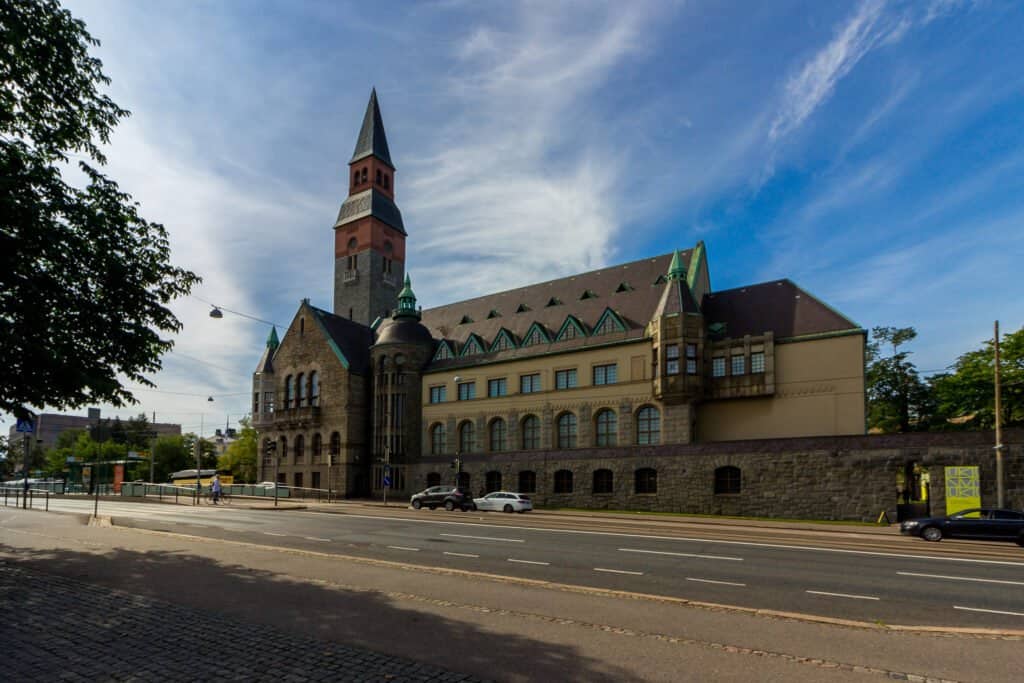
The National Museum of Finland
Art Museum Ateneum
