
 Posted by Brandon B.Admin
Maeda: A Quiet Counter in the Gion
Maeda sits on Minamigawa, the quieter side of Gion's famous hanamachi district, where the stone-paved lanes are narrow enough that you could reach out and touch both walls. This is one of Kyoto's most atmospheric corners, and the restaurant earns its address. Small, unhurried, and deeply serious about its cooking, Maeda draws the kind of diner who comes to Kyoto specifically to eat like this.
The location alone sets the tone before you even step inside.
What the Kitchen Is Known For
Maeda has built a reputation around kaiseki-influenced Japanese cooking that follows the seasons closely. The kitchen tends to work with ingredients sourced from the Kyoto region, leaning on the city's long tradition of kyo-ryori, the refined local cuisine that developed over centuries in proximity to imperial and temple culture.
Expect courses that change depending on what's available. Autumn often brings mushrooms and root vegetables prepared with a restraint that lets the ingredient lead. Spring menus frequently feature bamboo shoots and river fish. The cooking avoids spectacle, which in itself is a kind of statement.
Dashi is the foundation of almost everything here, and the care taken with it shows in dishes that taste clean and layered at the same time. If you've eaten widely across Kyoto, you'll notice the difference.
Atmosphere and Setting
The space is small. Counter seating puts you directly in front of the kitchen, and the room itself carries the quiet intimacy that Gion's machiya townhouses tend to produce. Aged wood, low light, and the unhurried pace of the service all work together. There's no background music competing for your attention, which is either a relief or an adjustment depending on where you're coming from.
Outside, Minamigawa often has lanterns lit by early evening, and the walk from Shijo-dori takes about 10 minutes on foot through some of the most photographed streets in Japan. Arriving just as the light drops is worth planning for.
Service and Experience
Service at Maeda is attentive without being performative. Staff tend to explain each course, and if you have questions about an ingredient or preparation, the answers are usually detailed and genuine. English is spoken to a workable degree, though this is still Kyoto, and some nuance may get lost. That's rarely a problem when the food is doing the communicating.
The pace of a meal here is deliberate. Plan for a full evening, not a quick stop.
Reservations and Waits
Reservations are strongly recommended and in practice close to essential, particularly on weekends or during Kyoto's peak travel windows in spring (late March through early May) and autumn (mid-October through mid-November). The restaurant is small, which means a full house is still only a handful of tables, and those fill up well in advance during high season.
Booking ahead by at least a week is a reasonable baseline. During peak foliage or cherry blossom season, further out is safer. Walk-ins are possible on quieter weekday evenings but carry obvious risk given the size of the room.
Best Time to Visit
Maeda is worth visiting in any season, but autumn and spring bring the kitchen's ingredient-driven approach into sharpest focus. The surrounding Higashiyama-ku neighborhood is also at its most beautiful during those months, so a dinner reservation pairs well with an afternoon walk through the lanes between Yasaka Shrine and Kiyomizudera.
Summer in Kyoto is hot and humid, but the cuisine adapts, and a quieter July or August evening in Gion has its own appeal. Winter menus often lean into warming preparations, and the streets are less crowded than any other time of year.
Neighborhood and Location Context
Higashiyama-ku is the district that most visitors picture when they think of Kyoto: cobblestoned alleys, wooden facades, the outline of pagodas over tiled rooftops. Maeda's address on Giommachi Minamigawa puts it squarely inside the Gion geisha district, a few minutes' walk from Hanamikoji Street and the Shirakawa canal.
Getting here is straightforward. The nearest major landmark is Yasaka Shrine at the eastern end of Shijo-dori. From Kyoto Station, the Keihan Line to Gion-Shijo Station gets you close in under 10 minutes, and the walk from there through the district is part of the experience.
Who This Is For
Maeda suits anyone who wants a genuinely local kaiseki-style dinner in one of Kyoto's most evocative settings, without necessarily booking one of the city's more famous (and more expensive) institutions. It's a good fit for solo diners comfortable at a counter, couples looking for a considered evening, or food-focused travelers who are willing to plan ahead and let the meal take its time.
If you want a loud, social dinner or a quick bite between sights, this isn't that. But if the idea of sitting quietly in a centuries-old district and eating food that reflects the season and the place appeals to you, Maeda is exactly where you should be.
Good to Know Before You Go
- The restaurant is on Minamigawa, the south side of Gion. Look for the address carefully as the lanes in this area can be disorienting.
- Dietary restrictions are worth communicating at the time of booking, not on arrival. Kaiseki menus are prepared in advance and last-minute changes are difficult.
- Dress modestly. This is not a formal dress code situation, but the setting calls for a little effort.
- Arriving a few minutes early is appreciated. The counter format means a late arrival disrupts more than it would at a table restaurant.
- Cash is widely used in Gion's smaller establishments. Confirm payment options when you book.
FAQ
Do I need to speak Japanese to dine at Maeda?
No, though some Japanese is always appreciated in this part of Kyoto. Staff can communicate in English well enough to guide you through the meal, and the food tends to speak for itself.
How long does a meal typically take?
A full kaiseki-style dinner here often runs two hours or more. Build your evening around it rather than scheduling anything immediately after.
Is Maeda suitable for vegetarians?
Traditional kaiseki menus often include fish and seafood even in otherwise light courses. If you have dietary needs, communicate them clearly when booking to find out what can be accommodated.
Is the area safe to walk around at night?
Higashiyama-ku and Gion are among the safest neighborhoods in Japan after dark. The lantern-lit streets are pleasant to walk through after dinner, and Shijo-dori has plenty of taxis.
Reviews
Sign in and mark this place visited to leave a review.
No reviews yet.
Free Trip Planner
Plan your Kyoto trip with our free planner
Build a day-by-day itinerary with AI suggestions, hand-picked places, and friends. Free forever — no credit card.
Related reading

Things to see near Maeda

teamLab Nagai Botanical Garden Osaka

Horyu-ji

Yakushi-ji Temple

Dōtonbori
Places to eat or drink near Maeda

The Münch

Rai Rai Tei Ikuno Tatsumi

KITAN HIBIKI YAKINIKU&STEAK
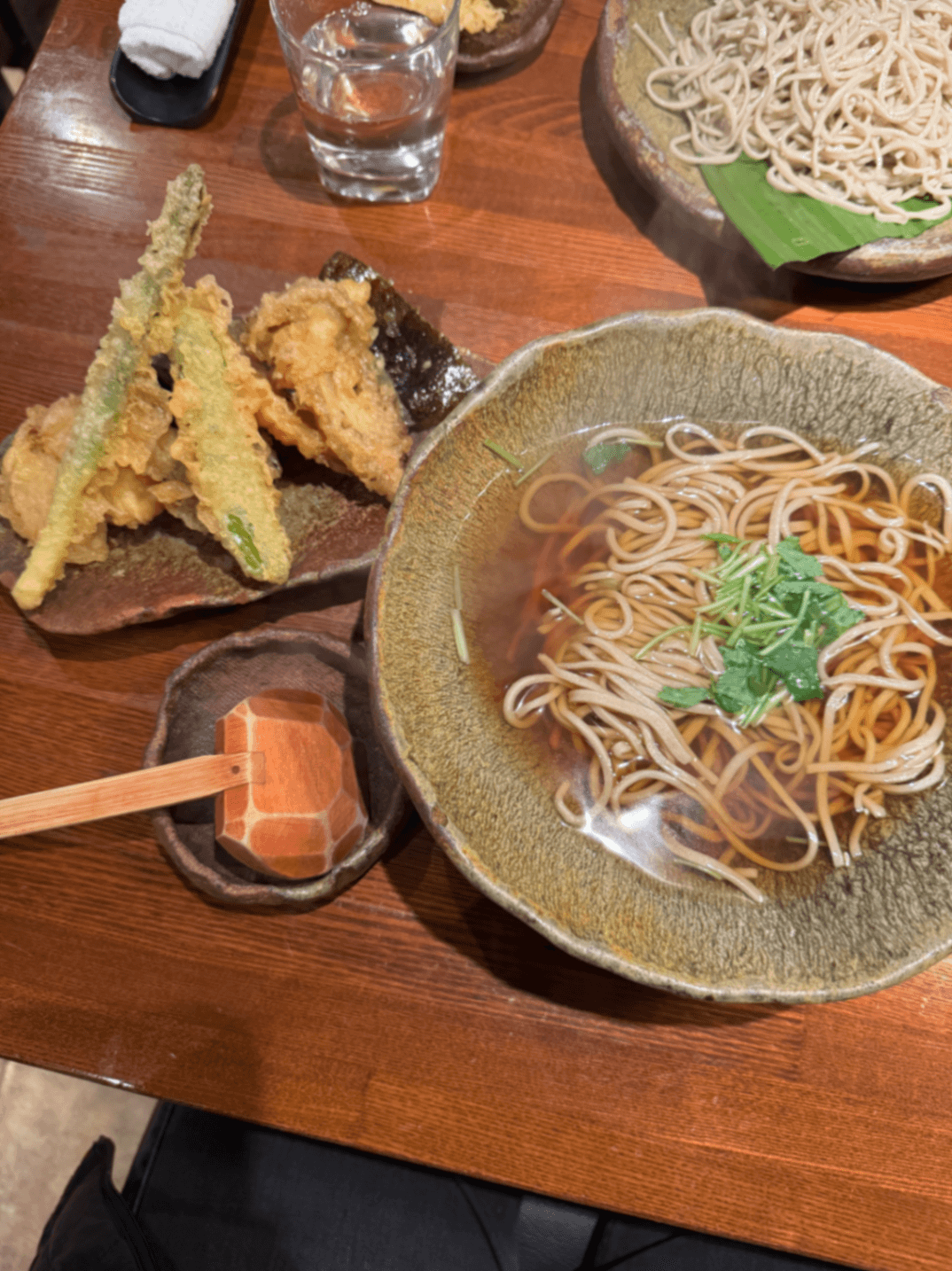
Akari Soba
More places in Kyoto

Rai Rai Tei Uzumasa

Menya Inoichi Hanare

Kiyomizu-dera Temple
