
Majang Meat Market
4-1 Gosanja-ro 24-gil, Seongdong-gu, Seoul, South KoreaMajang Meat Market Overview
Majang Meat Market in Seongdong-gu is one of Seoul's largest wholesale and retail meat markets, operating as a working hub for butchers, restaurants, and home cooks since the 1970s. Unlike tourist-focused markets, this is a genuine supply chain in action. You'll find whole carcasses hanging alongside neatly butchered cuts, vendors calling out prices, and the sharp smell of fresh meat and sawdust. The market sits roughly 15 minutes on foot from Majang Station, making it accessible but still firmly local in character.
This isn't a sanitized food court or a curated experience. It's a functional marketplace where Seoul's restaurants source their beef, pork, and chicken. Walking through teaches you how Korean butchering differs from Western practices, what cuts matter for which dishes, and how pricing works at scale.
Why This Place Matters
Majang represents a layer of Seoul that most tourists skip. It's where the city eats, not where it performs eating for visitors. The market reveals how Korean cuisine actually gets sourced and prepared, and you'll see cuts you've never encountered in Western butcher shops. Beef here is graded and priced according to Korean standards, often with detailed labeling of origin and marbling quality.
The market also anchors a neighborhood. It's the economic and social heart of the immediate area, employing hundreds and serving as a gathering point for restaurant owners and serious home cooks who plan menus around what's fresh that morning.
Quick Facts
- Operating since approximately the 1970s
- Located at 4-1 Gosanja-ro 24-gil, Seongdong-gu
- Roughly 15 minutes on foot from Majang Station (Line 5)
- Free to enter and walk around
- Most active in early morning, especially 6am to 10am
- Wholesale and retail both available, depending on vendor
- Specializes in beef, pork, chicken, and offal
Getting There
Majang Station on Line 5 is the nearest subway stop. Exit at Exit 3 and head east on Gosanja-ro 24-gil. The walk takes about 12 to 15 minutes depending on your exact starting point within the station. The street is straightforward, lined with small shops and restaurants, and the market entrance becomes obvious as the concentration of vendors and signage increases.
If you're coming by car, street parking is tight but exists. Many locals arrive by taxi or motorcycle. The area sits between the river (Han River to the south) and older residential neighborhoods, so it's not on the main tourist circuit.
The Layout and Experience
The market sprawls across several interconnected alleys and small streets. There's no single entrance or exit, which can feel disorienting at first. You navigate by walking between stalls, each vendor occupying a small storefront or stand. Whole animal sections tend to cluster together, as do sections for specific cuts.
Sawdust covers the ground. Carcasses hang from metal hooks above eye level. Vendors use cleavers and saws throughout the day, so there's constant sound and activity. The smell is intense, especially in warmer months. It's a working environment, not a cleaned-up attraction, so wear shoes you don't mind getting dirty.
Most vendors are middle-aged or older, many have been in the same spot for decades. Some speak minimal English, though younger vendors or those near the edges sometimes do. Prices are usually posted on small signs, often in Korean only. If you're interested in buying, pointing and nodding works fine.
The market operates seven days a week, but it's quietest on Sundays. Weekday mornings between 7am and 9am are peak wholesale hours when restaurants collect their daily supplies. If you want to see the market at its most intense and authentic, arrive early.
Main Highlights
The beef section is the heart of the market. You'll see Korean hanwoo (cattle raised in Korea) displayed with detailed labeling showing grade, marbling score, and sometimes the specific farm. The grading system differs from American standards, so what's marked as prime here may carry different certification. Wagyu and imported beef occupy separate sections, priced accordingly.
The pork vendors are equally impressive. Korean pork butchery emphasizes different cuts than Western practice. You'll see galbi-sal (short ribs), samgyeopsal (belly), and various organ meats arranged and priced by the kilogram. The specificity of cuts reflects how Korean cooking uses different parts for different dishes.
Offal sections tend to be concentrated in one area. Liver, kidney, intestines, tripe, and tongue are all available fresh and priced low compared to prime cuts. This is where you see the full use of the animal, a fundamental principle of Korean cooking.
The chicken vendors sell both whole birds and butchered parts, often fresher than supermarket versions. Some vendors sell live chickens, though this is less common than it was twenty years ago.
History and Background
Majang Market emerged in the 1970s as Seoul expanded eastward and formalized its food supply chains. It grew alongside the city's restaurant industry, becoming the primary wholesale source for meat across the region. The market's survival into the 2020s, despite pressure from supermarkets and modern logistics, speaks to the efficiency of the system and the preference many restaurants maintain for direct vendor relationships.
The neighborhood itself reflects Seoul's economic layers. Older residential buildings sit alongside the market, small restaurants serving workers cluster nearby, and younger professionals have begun moving into renovated apartments in the surrounding area. The market is slowly changing, but its core function remains unchanged.
Tickets and Entry
Entry is free. There's no admission, no pass, no registration. You walk in and browse like any other customer. Some vendors may ask if you're buying or just looking, but this is rare and not hostile. If you want to purchase small quantities, most vendors will sell to individuals, though some prefer wholesale orders. Prices for retail purchases tend to be slightly higher than wholesale but still reasonable compared to supermarkets.
Best Time to Visit
Early morning is best if you want to see the market in full operation. Between 6am and 10am, vendors are actively butchering, restaurants are placing orders, and the energy is highest. The temperature is also cooler, which matters since there's no climate control.
Weekday mornings are more authentic than weekends. Saturdays and Sundays draw more casual visitors and tourists, so the atmosphere shifts slightly. Sundays are the quietest day, with some vendors closing or opening late.
Avoid very hot summer afternoons if you're sensitive to heat and smell. The combination is intense. Late evening (after 6pm) is slow, with many vendors already closed or closing.
Photography Tips
The lighting is natural but uneven. Overcast mornings are actually ideal because the light diffuses and colors look more accurate. Avoid midday sun, which creates harsh shadows and can make the market look gritty in an unflattering way.
Ask before photographing vendors directly. Some don't mind, others prefer not to be in shots. Photographing the meat, the stalls, the layout, and the street itself is generally fine. Early morning captures more dramatic energy.
The narrow alleys and hanging carcasses create interesting compositions, but be aware of your surroundings. Vendors are moving quickly, especially in early hours. Don't block foot traffic while composing shots.
Facilities and Preparation
This is a working market, not a tourist facility. There are no restrooms open to the public, no seating, no official information booths. If you need to use a restroom, the nearest options are small restaurants or cafes in the surrounding neighborhood, though staff may expect a purchase.
Bring cash. Many vendors still operate cash-only, though this is changing. Some accept card payments, but don't assume. Bring small bills for easier transactions.
Wear closed-toe shoes and clothes you don't mind getting meat juice or sawdust on. The ground is wet and dirty. Avoid wearing anything valuable or easily damaged.
If you plan to buy meat, bring a bag or ask vendors for packaging. They'll wrap purchases in plastic or paper, but bringing your own bag is cleaner.
Combining with Nearby Attractions
The market sits in Seongdong-gu, a neighborhood with character. Within 20 minutes on foot, you can reach small galleries, vintage shops, and local restaurants that source from Majang. The Han River Park is about 15 minutes south, offering a stark contrast to the market's intensity.
Nearby Ttukseom Island (accessible from Han River Park) is a popular cycling and picnic spot. Combining a market visit with a river walk gives you a full morning or early afternoon.
The Seongdong area also has several small temples and historic buildings if you're interested in Seoul's older architecture. These aren't major tourist sites but offer quiet, genuine atmosphere.
Sample Visit Plan
Arrive around 7:30am on a weekday. Walk through the market slowly, observing how vendors work and how the cuts differ from what you know. Spend 45 minutes to an hour browsing. If you want to buy, select a vendor, point to what interests you, and negotiate if the quantity is small. Plan to spend 30 to 45 minutes on a purchase and conversation if the vendor is friendly.
Exit around 8:45am and grab breakfast at one of the small restaurants in the neighborhood. Many serve soups, stews, and rice bowls using meat from nearby vendors. This gives you a direct taste of the market's output.
If you have more time, walk toward Han River Park and spend an hour there before heading elsewhere in Seoul.
Practical Tips
- Go early. Before 10am is when the market is most active and authentic.
- Weekdays are better than weekends for seeing the real operation.
- Don't be shy about asking questions. Vendors appreciate genuine interest, even if language is a barrier.
- Prices are negotiable for large purchases but less flexible for small retail quantities.
- Bring cash and small bills. Not all vendors accept cards.
- The market operates year-round, but it's most comfortable in spring and fall.
- Respect that this is a working space. Stay out of the way of vendors and delivery vehicles.
- If you buy meat, ask about storage and cooking recommendations. Vendors often offer tips.
FAQ
Can I buy small quantities as a tourist? Yes, most vendors will sell small amounts to individuals, though some prefer wholesale orders. Prices are slightly higher for retail but still much cheaper than supermarkets. Point to what you want and ask the price per kilogram.
Do I need to speak Korean? It helps but isn't necessary. Younger vendors sometimes speak English. Even without language, you can point, nod, and negotiate with numbers and hand gestures. Have a translation app ready if you want detailed information.
Is it safe to walk around alone? Yes. The market is busy, well-traveled, and safe. Avoid late evening when it's quiet, but morning and early afternoon are fine for solo visitors of any gender.
What if I don't want to buy anything? You can walk through freely and observe. Vendors won't pressure you. You're not obligated to purchase, though buying a small item is a nice way to support someone who answered your questions.
How long should I spend here? 45 minutes to an hour is typical for browsing and understanding the layout. If you buy something or want detailed conversations, plan 90 minutes to two hours.
Opening hours
Reviews
Sign in and mark this place visited to leave a review.
No reviews yet.
Free Trip Planner
Plan your Seoul trip with our free planner
Build a day-by-day itinerary with AI suggestions, hand-picked places, and friends. Free forever — no credit card.
Things to see near Majang Meat Market

Korean Folk Village

Hwaseong Haenggung

Suwon Hwaseong Fortress

Starfield Suwon
Places to eat or drink near Majang Meat Market
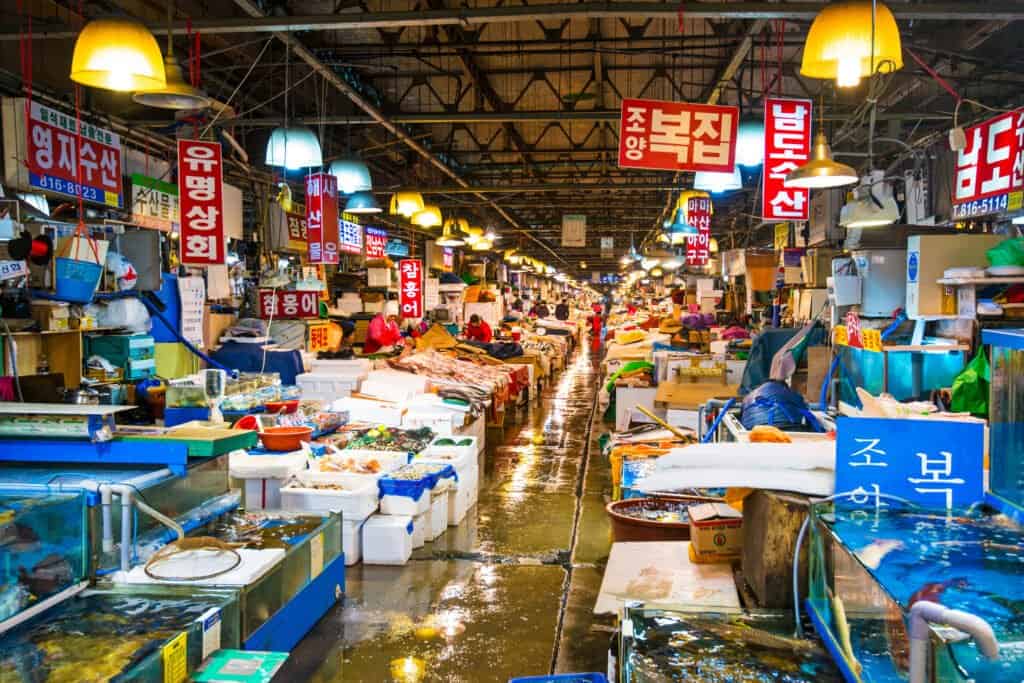
Noryangjin Fisheries Wholesale Market

Gebangsikdang
Gaon

Mingles
More places in Seoul

Samcheongdong Sujebi

Nodeul Island

War Memorial of Korea
