
Mangrove National Park
FC4G+M3J - Abu Dhabi - United Arab EmiratesExploring Mangrove National Park, Abu Dhabi
Mangrove National Park sits along the eastern edge of Abu Dhabi island, and it is one of the few places in the UAE where you can paddle through a dense forest canopy without leaving the city. The park protects one of the largest mangrove ecosystems in the Arabian Gulf, a fact that surprises most visitors who associate Abu Dhabi with desert and glass towers. From the water, the city skyline sits behind you while herons wade in the shallows ahead. It is a genuinely strange and worthwhile contrast.
The park covers roughly 19 square kilometres of tidal channels and woodland, and it forms a critical habitat for migratory birds, fish nurseries, and coastal wildlife that would otherwise struggle to survive this close to an urban centre.
Why Mangrove National Park Matters
Mangroves are among the most efficient carbon-storing ecosystems on the planet, storing several times more carbon per hectare than most tropical forests. Abu Dhabi's government has invested heavily in expanding and protecting this particular stand since the 1990s, and the park's designation as a protected area reflects a broader national push toward environmental conservation under the UAE's biodiversity strategy.
For the average visitor, though, the significance is more immediate. This is one of the only places in Abu Dhabi where you can move slowly, get quiet, and watch something other than construction. That alone makes it worth a morning.
Quick Facts
- Location: Eastern shoreline of Abu Dhabi island, close to the Corniche's eastern extension and near Khalidiyah
- Size: Approximately 19 square kilometres of protected tidal forest
- Main activity: Kayaking through marked channels, with guided and self-guided options available
- Wildlife: Grey herons, flamingos (seasonally), reef egrets, mullet, and occasionally sea turtles in adjacent waters
- Access: Open to the public, with kayak rental operators based at the park's main entry point
- Entry: The park itself is free to enter; kayak hire and guided tours are separately priced
Getting There
The main access point for kayaking is at the Eastern Corniche, near the area locals refer to as the Mangrove area off Al Zafranah Road. From central Abu Dhabi, the drive takes roughly 10 to 15 minutes depending on traffic. There is parking available near the launch site, and the road signage is reasonably clear once you are on the Corniche heading east.
Taxis are straightforward if you tell the driver the Eastern Corniche kayaking area or mention Jubail Island direction. Ride-hailing apps work well here too. Public bus connections to this specific spot are limited, so most independent visitors arrive by car or taxi.
The Layout and Experience
The park is experienced almost entirely from the water. There are no hiking trails cutting through the forest interior, which means a kayak or stand-up paddleboard is effectively your ticket in. Several marked channels wind through the mangroves, ranging from open tidal flats to narrow passages where the roots close in on both sides and the light drops significantly.
Most rental operators offer routes of varying lengths. A shorter loop takes about 45 minutes at a relaxed pace. The longer routes can stretch to two hours or more, pushing further from the launch point and into quieter sections where you are unlikely to see another paddler.
The water is calm in the channels. Even if you have never kayaked before, the conditions here are forgiving. Sit-on-top kayaks are the standard rental option, and they are stable enough for beginners. Guided tours are available and worth considering on your first visit, since a guide will point out birds and explain the ecology in ways you might otherwise miss entirely.
Main Highlights
The Mangrove Tunnels
Deeper in the channel network, the Avicennia marina trees, the species dominant here, arch overhead and create shaded corridors that feel remarkably remote. Avicennia marina is the most salt-tolerant mangrove species in the world, which is why it thrives in the hypersaline waters of the Gulf. Paddling through these sections at low tide, when the pneumatophores (the pencil-like root structures) are fully exposed along the mudflats, is one of the stranger and more memorable sensory experiences Abu Dhabi offers.
Birdwatching
The park sits along a significant migratory flyway, and bird diversity spikes between October and March. Grey herons are resident year-round. Western reef egrets are common too, particularly the dark morph, which is almost entirely charcoal-grey and easy to confuse with a heron until it moves. Flamingos appear in the shallower tidal flats during winter months, sometimes in groups of several dozen. Bring binoculars if birds are your primary reason for visiting.
Sunset Paddling
The hour before sunset is when the park earns its most dramatic light. The water turns copper, the city skyline silhouettes in the background, and the bird activity picks up as herons move to their roosting spots. Several operators offer specific sunset kayak sessions, and they book out quickly, particularly on weekends. If this is your plan, reserve ahead by at least a day or two.
Best Time to Visit
November through March is the obvious window. Temperatures are comfortable in the low to mid-twenties Celsius, humidity drops, and the wildlife is at its most active. Arriving early morning or late afternoon keeps the sun at a manageable angle and often produces the best light for photographs.
Summer visits are possible but demanding. From June through September, temperatures regularly exceed 40 degrees Celsius, and paddling in that heat requires serious preparation. Some operators reduce their hours or pause entirely during peak summer. If you do go in summer, stick to early morning sessions starting at sunrise and be honest with yourself about your heat tolerance.
Photography Tips
A waterproof case or dry bag for your phone is essential. Sit-on-top kayaks can take on water during entry and exit, and any spray will find your gear. Dedicated camera users should bring a waterproof pouch or a camera rated for light splashes at minimum.
The narrow tunnel sections photograph best in the late morning when diffused light filters through the canopy without harsh shadows. Wide-angle shots work well here. For birds, a longer lens helps considerably since herons will hold their position if you approach slowly, but they flush quickly if you get within about 10 metres.
The skyline-and-mangrove contrast shot, looking back toward Abu Dhabi from within the channels, is probably the most striking image you can take from this park. It captures something true about what makes this place unusual.
Combining with Nearby Attractions
The Eastern Corniche itself is worth a slow drive or walk before or after your paddle. The waterfront promenade has views across to the mangroves and toward the open Gulf, and it is quieter than the main Corniche stretch near the Marina.
Qasr Al Hosn, Abu Dhabi's oldest stone building, is about 15 minutes west by car and makes a natural second stop if you want cultural context to balance a morning in the park. The Louvre Abu Dhabi on Saadiyat Island is roughly 20 minutes away and offers an easy afternoon pairing for a full day out.
Practical Tips
- Book kayak tours or rentals in advance, especially for weekend afternoons and sunset slots
- Wear light, quick-dry clothing and closed shoes that can get wet
- Sunscreen is non-negotiable, even in winter, since the water reflects UV effectively
- Bring a water bottle. Operators may provide some water on guided tours, but it is better to carry your own, especially in warmer months
- Children are welcome on most tours; check with the specific operator for minimum age or weight requirements for single kayaks
- The channels are tidal, so water depth and current vary. Guides will time tours around tidal conditions automatically
- Leave no trace. The park is a protected area and littering is taken seriously
FAQ
Do I need to know how to kayak to visit?
No prior experience is necessary. The channels are calm and the sit-on-top kayaks used by most rental operators are stable and easy to handle. Staff at the launch point will give you a brief orientation before you head out.
Is the park free to enter?
The park itself has no admission charge. You pay for kayak rental or guided tour separately, and pricing varies by operator and tour length.
Can I see flamingos?
Flamingos are seasonal visitors, most reliably seen between November and March in the shallow tidal flats. They are not guaranteed on any given day, but sightings are reasonably common during winter mornings.
Is Mangrove National Park suitable for families with young children?
Generally yes, though individual operators set their own age and weight policies for solo kayaks. Tandem kayaks are available and work well for an adult paddling with a child. Check with your operator when booking.
How long should I budget for a visit?
A standard guided tour or rental runs between one and two hours on the water. Add travel time and a short walk along the Eastern Corniche and a half-day is a realistic and unhurried plan.
Reviews
Sign in and mark this place visited to leave a review.
No reviews yet.
Free Trip Planner
Plan your Abu Dhabi trip with our free planner
Build a day-by-day itinerary with AI suggestions, hand-picked places, and friends. Free forever — no credit card.
Related reading
Explore Al Ain Zoo With Kids: What Families Can See and Do
From Sky-High Thrills to Sunset Fairways: 5 Must-Try Experiences on Yas Island
Beyond a Regular Park Visit: Experiences That Make SeaWorld Yas Island, Abu Dhabi More Memorable
5 Ways to Turn a Great Day at Yas Waterworld Yas Island, Abu Dhabi Into an Unforgettable One
Things to see near Mangrove National Park

Abu Dhabi Falcon Hospital

Aldar HQ Building

Etihad Towers
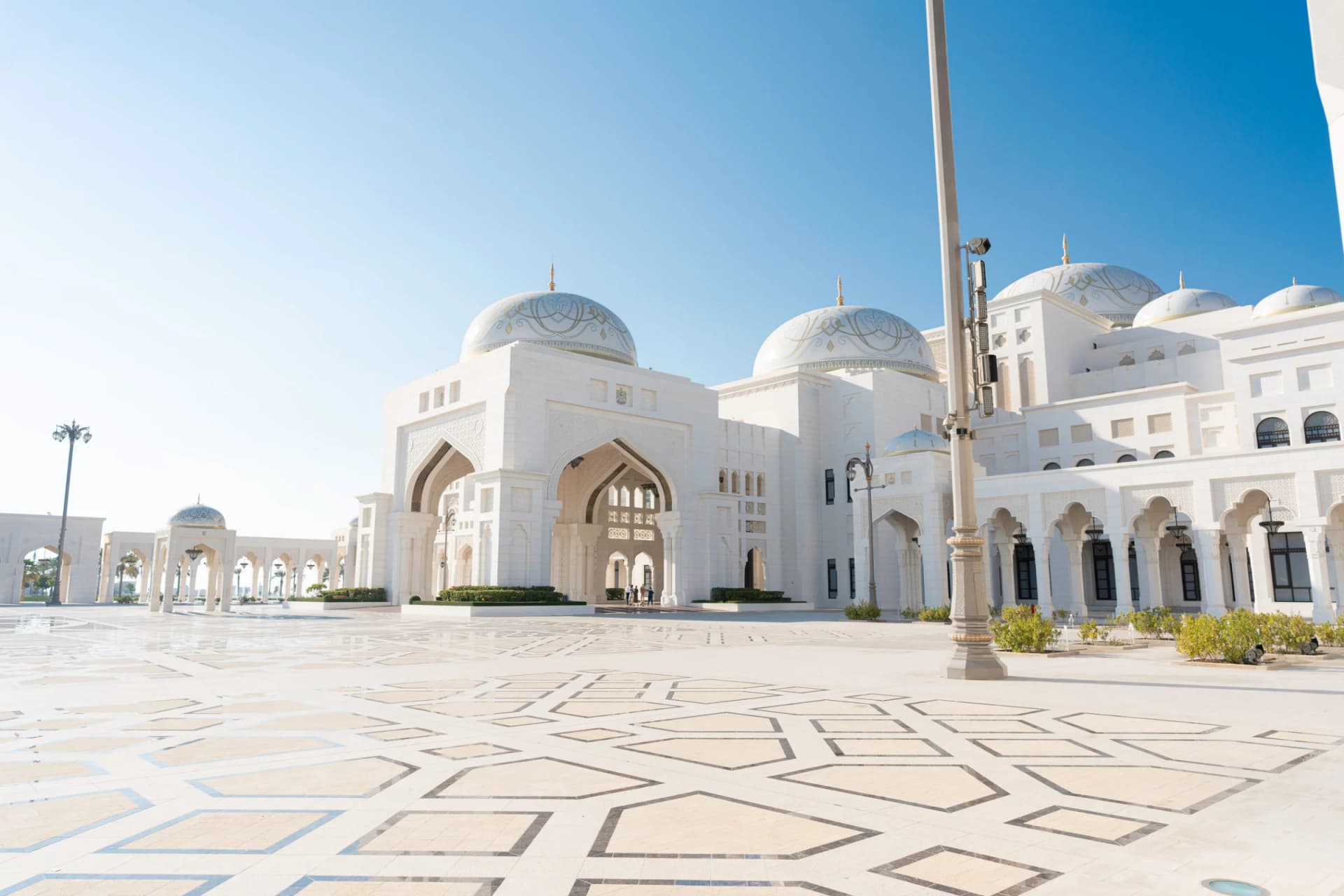
Qasr Al Watan
Places to eat or drink near Mangrove National Park

Sofra BLD

The Grill

Madang Korean Restaurant

Ola Brasil Restaurant
More places in Abu Dhabi

Corniche Beach

The Corniche

West Bay Lounge Abu Dhabi
