
Qasr Al Watan
Closed now
Qasr Al Watan: Abu Dhabi's Palace of the Nation
Qasr Al Watan opened its doors to the public in 2019, and it remains one of the most ambitious cultural projects Abu Dhabi has ever undertaken. This is not a replica or a museum dressed up to look like a palace. It is an actual working presidential palace, and the experience of walking through it reflects that weight. The building sits on Al Ras Al Akhdar, the green promontory that juts into the Arabian Gulf just west of the main city, close to the Emirates Palace hotel and within easy reach of the Corniche.
For a place that has only been open to visitors for a few years, it has already settled into being one of the defining stops on any Abu Dhabi itinerary. The scale alone earns it that status.
Why Qasr Al Watan Matters
The UAE Federal Supreme Council and other senior heads of state have received guests here. So when you walk the corridors, you are moving through rooms that have hosted real diplomatic history, not a set designed to evoke it. That distinction shapes the whole visit.
Beyond the politics, the palace was designed as a deliberate statement about Arab intellectual and architectural heritage. Every surface carries a reference: geometric patterns drawn from centuries of Islamic art, calligraphy sourced from Arabic literature and poetry, and a library that holds thousands of rare manuscripts and books. The building argues, quietly but insistently, that the Gulf's cultural roots run far deeper than the past few decades of development might suggest.
Quick Facts
Location: Al Ras Al Akhdar, Abu Dhabi, about 10 minutes by car from the Corniche
Opened to public: 2019
Entry type: General admission tickets, with a separate timed entry for the Palace at Night experience
Dress code: Modest clothing required; abayas and kanduras available to borrow at the entrance
Photography: Permitted in most areas, with some restricted zones
Language: Arabic and English signage throughout
Nearest landmark: Emirates Palace hotel is roughly a 5-minute walk along the waterfront
Getting There
The palace sits on the western tip of the Al Ras Al Akhdar peninsula, which puts it slightly removed from the busier downtown streets. Driving is the most straightforward option, and there is dedicated parking on site. If you are coming from central Abu Dhabi, expect around 10 to 15 minutes depending on traffic, which on this stretch of road tends to be manageable outside of morning and evening rush hours.
Taxis and ride-hailing apps work well here. The drop-off point is clear and well-signposted. Public buses do serve the area, though the walk from the nearest stop is not always comfortable in summer heat, so plan accordingly if you are visiting between June and September.
The Layout and Experience
The approach matters at Qasr Al Watan. You enter through a ceremonial gate and walk toward the main building across a forecourt that gives you time to take in the full facade before you reach the door. The exterior is clad in pale Arabian Gulf limestone, and the central dome rises to around 42 meters, which you will feel even before you look it up.
Inside, the visit is organized around a series of grand halls and themed galleries. The Great Hall sits beneath the main dome and is where the geometry of the ceiling design tends to stop people in their tracks. From there, you move through the Spirit of Collaboration exhibition, which traces the UAE's governance history and its relationships with other nations. The House of Knowledge section holds the manuscript collection and functions as a genuine library space, not a decorative one.
The gardens are worth time too. The landscaped grounds wrap around the building and offer a different perspective on the architecture, as well as shade and somewhere to slow down after the interior.
Main Highlights
The Great Hall and Central Dome
This is the room most photographs try and mostly fail to capture. The dome's interior is covered in an interlocking geometric pattern that took a significant team of craftspeople to complete. Standing directly beneath it and looking straight up is one of those rare moments where a building actually delivers on its reputation. Most days, the light changes depending on the time of day you visit, so an early morning entry and a late afternoon return will give you two different rooms for the price of one ticket.
House of Knowledge
The library holds a collection of rare Arabic manuscripts, maps, and books that span centuries of Arab scholarship. It is organized and accessible rather than archival and closed-off. If you have any interest in the history of cartography, the antique maps of the Arabian Peninsula and broader Islamic world are genuinely worth lingering over.
Palace at Night
After dark, Qasr Al Watan runs a separate ticketed experience where the exterior and grounds are lit up with a projection show. The light and sound display maps animated stories and geometric patterns across the building's facade. It runs on a set schedule most evenings and requires its own Palace in Motion ticket. If you are visiting in summer, this is also simply a more comfortable time to be outside in Abu Dhabi.
Best Time to Visit
October through April is when Abu Dhabi is genuinely pleasant to be outdoors, and the palace gardens reward that kind of slow exploration. During the summer months, arriving early when the building opens or going for the Palace at Night experience sidesteps most of the heat.
Weekday mornings tend to be quieter than weekend afternoons, when families and tour groups arrive in larger numbers. If you want the Great Hall to yourself for a few minutes, aim for a weekday opening slot.
Photography Tips
The interior lighting is warm and relatively low in some sections, so a phone with a decent night mode or a camera you can hold steady will serve you better than relying on flash, which is generally discouraged. The dome from directly below is the obvious shot, but the corridors leading to the main hall have their own geometry and tend to be less crowded. The forecourt just after sunrise, before the main visitor flow arrives, offers the cleanest exterior shot with the limestone catching early light.
Some rooms connected to active government functions are off-limits to photography. Staff will indicate these clearly, so you will not accidentally wander in.
Tickets and Entry
General admission covers the main palace interior, the exhibitions, and the gardens. The Palace at Night experience is ticketed separately and runs on a fixed schedule, so book that one in advance, especially during peak season or public holidays. Tickets are available through the official Qasr Al Watan website and at the gate, though the website tends to be more reliable for securing preferred time slots.
Children's pricing is available. The dress code is enforced at the entrance, and the complimentary abayas and kanduras available to borrow mean you will not be turned away if you arrive underprepared, but wearing modest clothing from the start makes the process smoother.
Combining with Nearby Attractions
Al Ras Al Akhdar is home to a cluster of Abu Dhabi's most recognizable landmarks, which makes combining visits straightforward. The Emirates Palace hotel is a few minutes on foot and worth walking through even if you are not staying there. The Abu Dhabi Corniche is a short drive east and a good place to decompress after an interior-heavy day. Sheikh Zayed Grand Mosque, one of the largest mosques in the world, is roughly 15 minutes by car and pairs naturally with Qasr Al Watan as a full day of Abu Dhabi's architectural ambition.
Practical Tips
Book tickets for Palace at Night in advance, particularly on weekends and during UAE public holidays
Wear comfortable shoes; the marble floors are beautiful but extensive
Arrive at least 15 minutes before your slot to clear security and check in without rushing
The on-site cafe offers a place to rest mid-visit without leaving the grounds
Visiting in summer? Prioritize the interior galleries and save the gardens for the evening experience
Audio guides are available and add real context to the Spirit of Collaboration exhibition in particular
Photography of other visitors without consent is discouraged, as with most public spaces in the UAE
FAQ
Is Qasr Al Watan still a working palace?
Yes. The palace continues to serve official state functions, which means certain areas are closed to visitors at all times and occasionally the entire site may close for official events. Checking the website before you visit is always worth doing.
How long should I set aside for a visit?
Most visitors spend between two and three hours on the daytime experience, more if you spend time in the library or gardens. The Palace at Night show itself runs for a set duration, but arriving early to explore the lit grounds adds time.
Is it suitable for children?
Generally yes, though very young children may find the exhibition-heavy sections slow. The open forecourt and gardens give kids room to move. The Palace at Night experience tends to be a hit with all ages.
Do I need to book in advance for daytime entry?
Walk-in tickets are often available, but booking online secures your preferred time and avoids queuing at the gate, particularly on busy weekend afternoons.
What is the dress code exactly?
Shoulders and knees should be covered for all visitors. Loose, modest clothing is appropriate. The palace provides complimentary cover-ups at the entrance if needed, but it is worth dressing suitably from the start to avoid the extra step.
Opening hours
Reviews
Sign in and mark this place visited to leave a review.
No reviews yet.
Free Trip Planner
Plan your Abu Dhabi trip with our free planner
Build a day-by-day itinerary with AI suggestions, hand-picked places, and friends. Free forever — no credit card.
Related reading
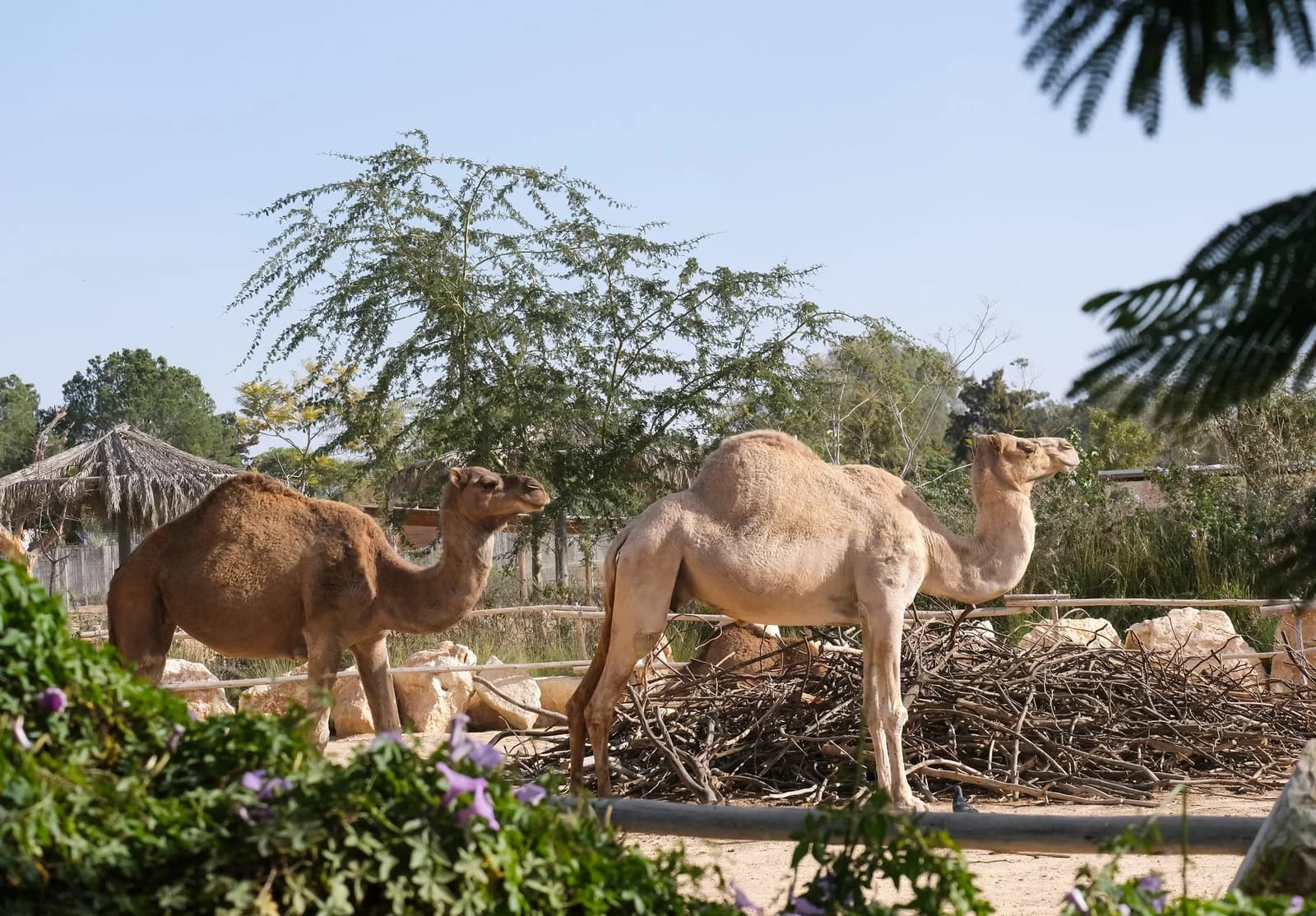
Explore Al Ain Zoo With Kids: What Families Can See and Do

From Sky-High Thrills to Sunset Fairways: 5 Must-Try Experiences on Yas Island
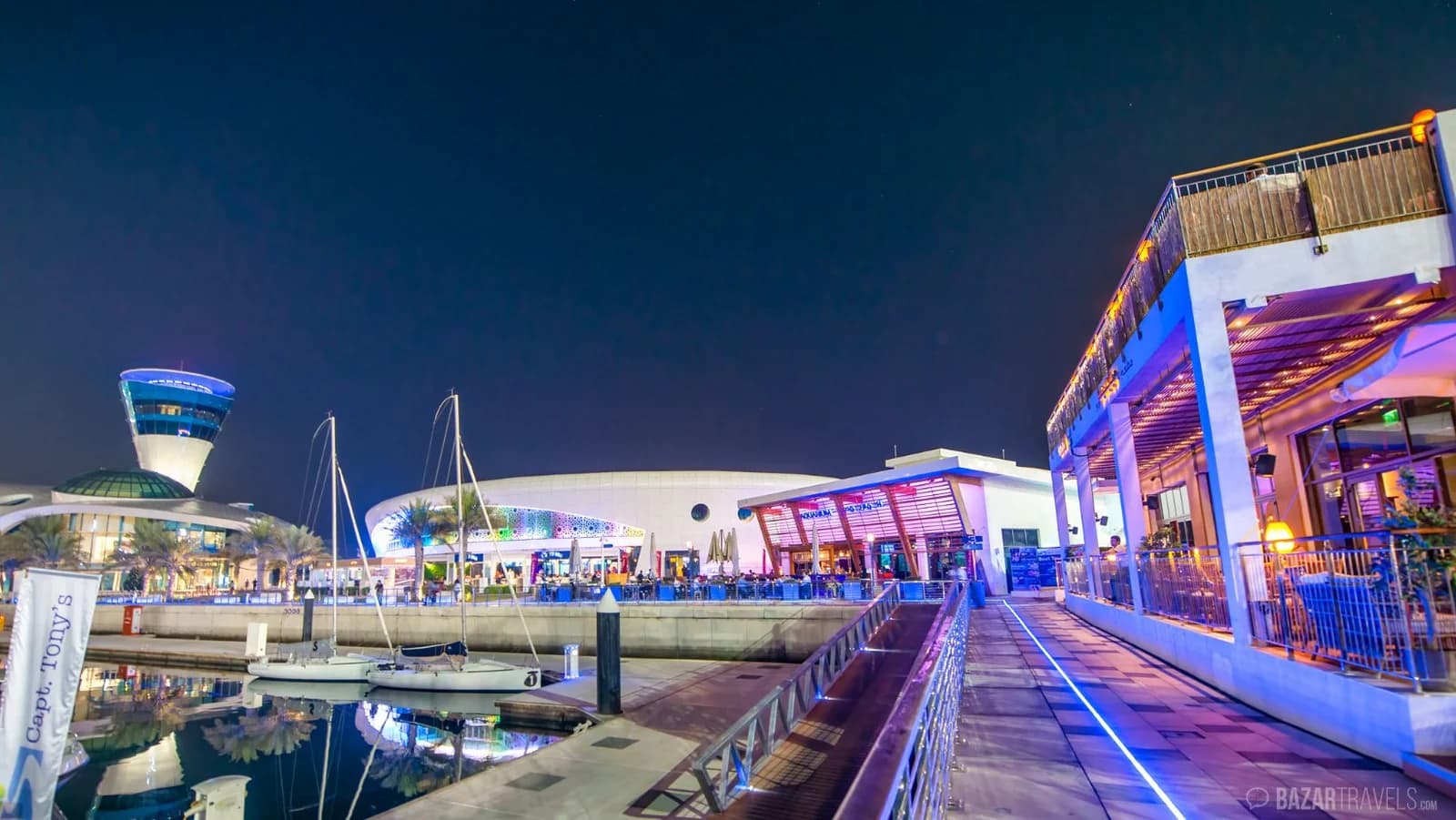
Beyond a Regular Park Visit: Experiences That Make SeaWorld Yas Island, Abu Dhabi More Memorable
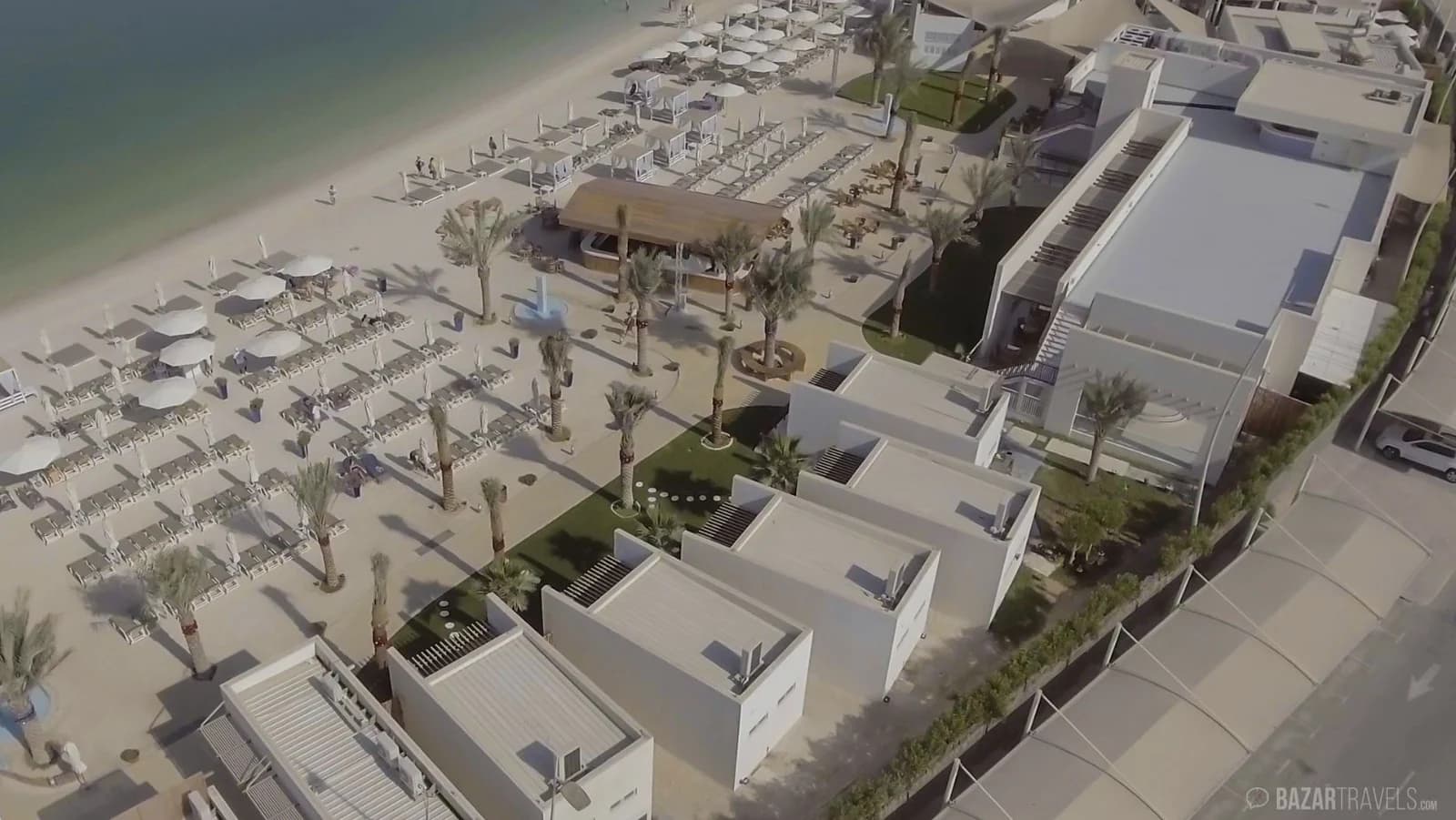
5 Ways to Turn a Great Day at Yas Waterworld Yas Island, Abu Dhabi Into an Unforgettable One
Things to see near Qasr Al Watan

Abu Dhabi Falcon Hospital

Aldar HQ Building

Mangrove National Park

Etihad Towers
Places to eat or drink near Qasr Al Watan

Sofra BLD

The Grill

Madang Korean Restaurant

Ola Brasil Restaurant
More places in Abu Dhabi

Corniche Beach

The Corniche

West Bay Lounge Abu Dhabi
