
 Posted by Brandon B.Admin
Mizai: One of Kyoto's Most Celebrated Kaiseki Tables
Tucked into Higashiyama-ku, one of Kyoto's most atmospheric districts, Mizai has earned a reputation that reaches well beyond Japan. The restaurant sits along Maruyamacho, a quiet address close to Maruyama Park and the iconic stone-paved lanes of Ninenzaka, and it operates in the refined tradition of kaiseki — the multi-course Japanese cuisine that traces its roots to the tea ceremony and the seasonal rhythms of the country's culinary calendar. If you are planning a serious meal in Kyoto, this is one of the names that keeps coming up.
Why Mizai Stands Out
Mizai currently holds three Michelin stars, placing it among the most decorated restaurants in the city. That recognition is not incidental. Kaiseki at this level demands precision across dozens of small dishes, each tied to the season, the ingredient's origin, and a visual logic that treats the bowl or plate as part of the composition. Mizai has built its reputation on exactly that kind of attention, and guests who have eaten here often describe the experience as one of the most considered meals they have had anywhere.
The location in Higashiyama adds something, too. You are not eating in a hotel lobby or a modern tower. The surrounding neighborhood, with its temples and preserved machiya townhouses, sets a mood before you even sit down.
What the Kitchen Is Known For
The menu at Mizai follows kaiseki structure, which means it changes with the seasons. What you eat in March will look and taste meaningfully different from what arrives in October. The kitchen has built a reputation for sourcing ingredients that reflect the specific moment of the year — spring bamboo shoots, summer ayu sweetfish, autumn matsutake mushroom, winter crab from the Sea of Japan. Each course tends to be small and deliberate, building a cumulative effect rather than relying on any single showpiece dish.
Expect the progression to move through raw preparations, soups, grilled courses, simmered dishes, and rice toward the end. The dashi, the foundational stock that runs through much of kaiseki cooking, is often cited as a marker of a kitchen's quality. Mizai's version is widely regarded as exceptional.
Because the menu is seasonal and changes regularly, there is no fixed dish you can count on. That is part of the point. You come to eat what the chef decides is right for now, not to order from a standing list.
Atmosphere and Setting
The dining room at Mizai is intimate and calm. It seats a small number of guests, which is deliberate — kaiseki at this standard requires a pace and a level of service that does not work at scale. The aesthetic follows a Japanese sensibility that favors restraint: natural materials, considered light, tableware that shifts from course to course and often includes lacquerware and ceramics chosen to complement the food.
This is not a loud or social restaurant. Conversations tend to stay quiet. The experience is closer to attending a performance than going out for dinner in the Western sense, and most guests seem to understand that when they arrive.
Service and Experience
Service at Mizai is formal without being stiff. Staff are typically knowledgeable about each dish and can explain the ingredients and techniques if you ask. English explanations are often available, though the depth of the conversation depends on the evening and who is serving your table. If you have dietary restrictions, communicate them well in advance of your reservation rather than at the door — the kitchen prepares everything specifically for each seating, and last-minute changes are difficult to accommodate at this level.
The meal itself takes several hours. Do not book this for a night when you have somewhere else to be afterward.
Reservations and Waits
Getting a table at Mizai is genuinely difficult. The restaurant seats a small number of guests per service, and demand consistently outpaces availability. Reservations often need to be made weeks or even months in advance, particularly for weekend evenings or peak travel seasons like cherry blossom in April and the autumn foliage period in November.
Many guests book through concierge services at Kyoto's higher-end hotels, particularly if they are staying at a ryokan or international hotel with strong local connections. Third-party reservation platforms that specialize in hard-to-book Japanese restaurants are another route worth exploring. Walk-ins are not realistic here.
Best Time to Visit
Any season has something to recommend it. Autumn tends to bring some of the most prized ingredients to kaiseki menus across Kyoto, and the neighborhood around Higashiyama is particularly beautiful when the maples turn. Spring, with its bamboo shoots and cherry blossom season, is equally special but also the most competitive time for reservations. If flexibility matters more to you than a specific season, aim for the quieter months of January, February, or June, when tables can be slightly easier to secure.
Neighborhood and Location Context
Higashiyama-ku is one of the best-preserved parts of Kyoto, and the walk to or from Mizai on Maruyamacho passes through a stretch of the city that feels genuinely old. Maruyama Park is just a few minutes on foot, and the Yasaka Shrine stands nearby. The stone-paved lanes of Ninenzaka and Sannenzaka, lined with traditional shops and older buildings, are within easy walking distance. If you arrive early, the area is worth an hour of wandering before your reservation.
Who This Is For
Mizai is the right choice if you want to eat kaiseki at its most rigorous and you are willing to plan ahead to make it happen. It suits travelers who treat a single meal as the anchor of a day or a trip, rather than one stop among many. If you are new to kaiseki, this is a demanding introduction — not because the restaurant is unwelcoming, but because the format is immersive and the experience asks something of you as a diner. Come hungry, come unhurried, and come ready to eat whatever the kitchen has decided the season calls for.
FAQ
How far in advance should I book?
At least a month ahead is a reasonable baseline, and for peak seasons like April or November, two to three months is safer. The earlier you start, the better your options.
Is there an English menu?
Staff can typically explain dishes in English, and some written description in English is often available, though the depth varies. The kitchen-driven, no-choice format means you do not need to read a menu to order.
How long does a meal take?
A full kaiseki dinner at Mizai typically runs two to three hours, sometimes longer. Plan your evening around it.
Can dietary restrictions be accommodated?
Possibly, but only if communicated well in advance. Kaiseki menus are prepared specifically for each service, so late requests are very hard to accommodate. Reach out when you make your reservation.
Is Mizai suitable for children?
The quiet, formal atmosphere and the long multi-course format make it better suited to adults or older children who are comfortable sitting through an extended, unhurried meal.
Opening hours
Reviews
Sign in and mark this place visited to leave a review.
No reviews yet.
Free Trip Planner
Plan your Kyoto trip with our free planner
Build a day-by-day itinerary with AI suggestions, hand-picked places, and friends. Free forever — no credit card.
Related reading

Things to see near Mizai

teamLab Nagai Botanical Garden Osaka

Horyu-ji

Yakushi-ji Temple

Dōtonbori
Places to eat or drink near Mizai

The Münch

Rai Rai Tei Ikuno Tatsumi

KITAN HIBIKI YAKINIKU&STEAK
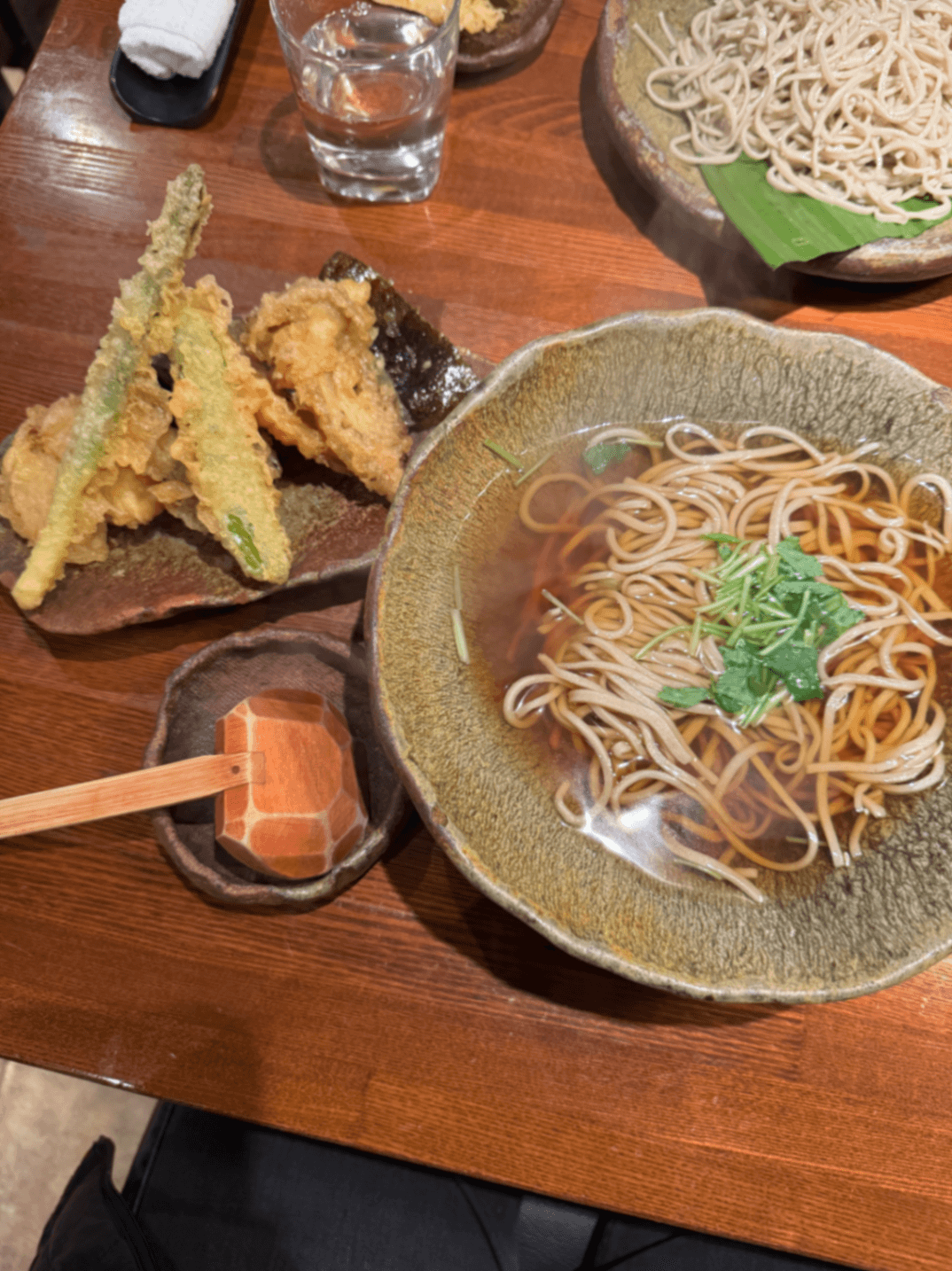
Akari Soba
More places in Kyoto

Rai Rai Tei Uzumasa

Menya Inoichi Hanare

Kiyomizu-dera Temple
