

Monaco on the map
33 places from this guide. Tap a pin to open the listing.
Monaco packs a startling amount into roughly two square kilometers. This Monaco travel guide covers what matters for a short, well-planned visit to a city-state wedged between the French Riviera hills and the Mediterranean, where Belle Époque casinos sit a five-minute walk from a medieval clifftop old town. You'll find yacht-lined marinas, a Grand Prix circuit that doubles as the city's main roads, and a surprising number of gardens tucked into the slopes. Monaco is the world's second-smallest sovereign state, and that compactness is exactly what makes it workable as a day trip or a long weekend.
The country has four traditional areas: Monaco-Ville (the old town on the Rock), Monte Carlo (casinos and grand hotels), La Condamine (the port district), and Fontvieille (the newer, reclaimed-land quarter). Each has its own character, and none of them takes more than fifteen minutes to walk across.
When to Visit Monaco
April through October brings the most reliable weather, with warm days good for the beach at Larvotto and long evenings on the harbor terraces. This is also when Monaco gets busy and expensive, particularly around two events: the Monaco Grand Prix in May, when Formula One cars scream through streets you'd otherwise walk down, and the Monaco Yacht Show in September, which fills Port Hercule with superyachts and their entourages.
If you want a taste of the Grand Prix atmosphere without the modern ticket prices, look at the Grand Prix Historique, held in the years between Formula One seasons and featuring vintage racing cars on the same streets. Either event books out hotels across Monaco and neighboring Nice and Menton months in advance, so plan accordingly.
November through March is quieter and noticeably cheaper. The sea stays mild by northern European standards and the old town empties out enough that you can actually linger in places like the Cathedrale Notre-Dame-Immaculee without a crowd at your shoulder. Winter is also a reasonable time to catch a performance at the Opera de Monte-Carlo, housed inside the Casino de Monte-Carlo building, without competing with summer tourist traffic.
Where to stay
- Monte Carlo: This is the postcard version of Monaco, home to Casino Square, the Café de Paris Monte-Carlo, and the grand hotels clustered around the Place du Casino. Expect the highest room rates in the country but the shortest walk to the casinos, designer boutiques, and fine dining rooms like Le Louis XV.
- La Condamine: The oldest working district, built around Port Hercule. Mornings here mean the Marche de la Condamine, a covered food market worth visiting even if you're not cooking, and the streets behind it are full of more ordinary cafes and bars than you'll find up in Monte Carlo.
- Fontvieille: Built on land reclaimed from the sea in the 1980s, Fontvieille is quieter and more residential. It's where you'll find Port de Fontvieille, the Japanese Gardens, and the Princess Grace Rose Garden. It tends to have slightly better value accommodation and still sits within easy walking distance of the Rock.
- Monaco-Ville: Technically more a sightseeing base than a hotel district, since lodging options on the Rock itself are limited, but worth knowing if you want to be steps from the Prince's Palace and the old town's narrow lanes.
How to reach Monaco
Nice Côte d'Azur Airport (NCE) is the main gateway, about 30 kilometers west of Monaco along the coast. From there you can take a helicopter transfer (the fastest option, around six minutes), a bus, a taxi, or a train from Nice-Ville station after a short transfer to the airport rail link. The train is usually the cheapest and takes roughly 25 to 35 minutes depending on the service.
Monaco also has its own station, Gare de Monaco-Monte-Carlo, served by SNCF trains running along the coast between Nice and Ventimiglia in Italy. If you're coming from Genoa or other Italian coastal towns, the train is direct and scenic, hugging the cliffs for much of the route. Coming from inland Europe, you'll typically connect through Nice or Marseille rather than travel to Monaco directly.
By sea, Port Hercule receives ferries and cruise tenders, and it's an easy walk from the port into either La Condamine or up toward Monte Carlo. No border formalities apply between France and Monaco, so if you're driving or taking a local bus from Menton or Nice, you'll cross in without stopping.
Getting around Monaco
Most of what you came to see is walkable, though "walkable" in Monaco often means stairs, inclines, and public escalators cut into the hillside. Comfortable shoes matter more here than in most cities this size. The Prince's Palace sits on top of the Rock, and getting there from the port usually involves either a steep climb or the elevators built into the cliff face.
The Compagnie des Autobus de Monaco runs a dense network of city buses that can save your legs on the steeper routes, and a single ticket is inexpensive. For a different angle on the harbor, the bateau-bus is a small water shuttle that crosses Port Hercule between the Monaco-Ville side and La Condamine, and riding it once is worth doing just for the view back up at the palace.
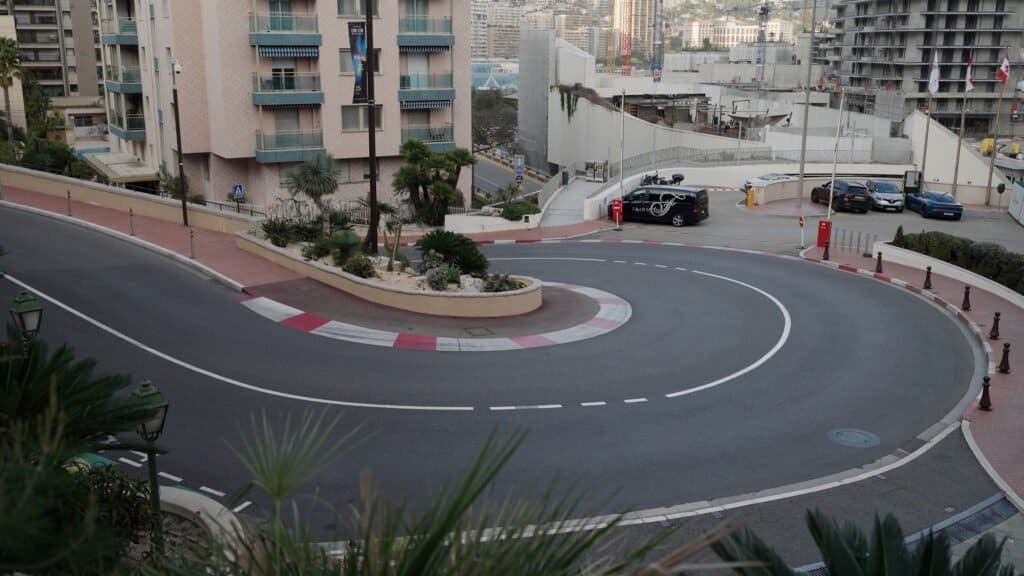
During Grand Prix weekend, several streets close entirely to accommodate the circuit, including the stretch around the Fairmont Hairpin curve, the tightest corner on the Formula One calendar and one of the best free vantage points if you can find a gap in the fencing. Outside of race days, that same stretch of road is just normal city traffic, and it's easy to miss that you're standing on part of the track at all.
Taxis exist but are not cheap, and given Monaco's size you rarely need one unless you're hauling luggage uphill or arriving late at night.
Top Monaco travel tips
- Pack shoes built for hills and stairs. Monaco-Ville and the paths around Les Jardins Saint Martin et Sainte Barbe involve real elevation change, not just flat sightseeing.
- Casinos enforce dress codes, especially after a certain hour in the private gaming rooms at the Casino de Monte-Carlo. Smart-casual is usually fine during the day; jackets are often required in the evening. The Sun Casino is generally more relaxed if you want to gamble without the formality.
- Stop at the Monaco Tourist Information Office early in your visit. It's a reliable source for current museum hours and any temporary street closures, which matter more here than in most cities given how often events reshape the road network.
- The Oceanographic Museum is worth the ticket price even if you're not usually a museum person, partly for the building itself, perched on the cliff edge above the sea.
- If you're interested in motorsport, the Champions Promenade and the Juan Manuel Fangio Memorial near the port are small but worthwhile stops, as is The Private Collection of Antique Cars of H.S.H. Prince Rainier III in Fontvieille.
- Carry sunscreen and a hat from late spring through summer. There's little shade around the port and the beach areas.
- For a quieter architectural stop, Saint Charles Church and Saint Paul's Anglican Church are both low-key and largely free of crowds compared to the cathedral.
- If you want to rent something flashy, Monaco won't judge you for it. Exotic car rentals and yacht charters are a normal part of the local tourism economy, not an eccentric indulgence.
Typical costs in Monaco
Monaco uses the euro, and prices sit at the high end of what you'll find anywhere in Western Europe. A mid-range hotel room generally runs in the 150 to 300 euro range per night, while the well-known five-star properties in Monte Carlo can easily run upwards of 500 euros. Budget options exist but they're scarce, and many visitors choose to stay in Nice or Menton and day-trip in by train to control costs.
Dining follows the same pattern. A casual meal, including a plate from a market stall at Marche de la Condamine, might cost relatively little by Monaco standards, while a mid-range sit-down meal typically runs 25 to 50 euros per person. At the top end, a tasting menu at somewhere like Le Louis XV – Alain Ducasse à l'Hôtel de Paris or NOBU Monte Carlo will cost considerably more and is the kind of splurge people specifically plan a Monaco trip around. A beer at a harborside bar generally costs 8 to 12 euros, and cocktails run 15 to 25 euros.
Public transport is the one area where Monaco is genuinely affordable. A single bus ticket costs around 2 euros, and the train to Nice or Menton is similarly inexpensive. If you're budgeting carefully, lean on public transport and the free sights, museums, and gardens, then pick one splurge meal or casino evening rather than trying to do everything at the high end.
Must try food and drinks
- Barbagiuan: A fried pastry stuffed with Swiss chard and ricotta, considered Monaco's unofficial national snack and sold at market stalls and festivals.
- Socca: A thin chickpea-flour pancake, cooked on large round trays and shared across the whole Riviera coast, from Nice to Monaco.
- Fougasse Monégasque: A sweet, anise-flavored flatbread often studded with nuts, different from the savory fougasse you'll find elsewhere in France.
- Stocafi: A local stockfish stew, a reminder that Monaco's cuisine has as much in common with Liguria as with mainland France.
- Market produce: A walk through Marche de la Condamine gives you a feel for the everyday food culture that gets overshadowed by the Michelin-starred rooms elsewhere in the city.
- Fine dining: For a serious meal, Le Louis XV and NOBU Monte Carlo represent two very different high-end traditions, classic French haute cuisine versus modern Japanese-Peruvian, both within a few minutes of each other.
- Café culture: The Café de Paris Monte-Carlo, directly across from the casino, is as much about people-watching on the terrace as about the menu itself.
FAQ
How many days do you need in Monaco?
One to two days is enough for most visitors. The country is tiny and the main sights, including the Prince's Palace in Monaco-Ville, the Oceanographic Museum, and the Monte Carlo casino area, are mostly walkable. Add a night if you want to dine out properly, enjoy the nightlife, or visit during the Grand Prix or Grand Prix Historique.
Is Monaco safe for tourists?
Yes, Monaco is widely regarded as one of the safest places in Europe for visitors, with a dense police presence and extensive surveillance throughout the city-state. Petty theft is rare but not unheard of around crowded events, so keep an eye on bags at the market and during the Grand Prix.
Is Monaco expensive to visit?
Monaco is one of the more expensive destinations in Europe, especially for hotels and dining. You can manage costs by basing yourself in nearby Nice or Menton and day-tripping in by train, and by sticking to market food, public buses, and free attractions like the gardens and the old town.
Do I need a car in Monaco?
No, and a car is more of a liability than a convenience. Streets are narrow, parking is expensive and limited, and the whole country is small enough to cover on foot, by bus, or by the bateau-bus water shuttle across Port Hercule.
Can you visit Monaco as a day trip from Nice?
Yes, this is a common and easy option. The train between Nice and Monaco takes around 25 to 35 minutes and runs frequently throughout the day, making it simple to see the Rock, the casino district, and the port without booking a hotel in Monaco itself.
What currency does Monaco use?
Monaco uses the euro, the same as neighboring France. There's no separate currency and no border checks between the two, so euros you've already withdrawn in France work exactly the same way in Monaco.
Is English widely spoken in Monaco?
Yes, English is common in hotels, restaurants, and tourist-facing businesses, alongside French, which is the official language, and Italian, which is widely understood given the proximity to Italy. A few French pleasantries go a long way, but you won't struggle to get by in English.
Top Places to Visit in Monaco
View all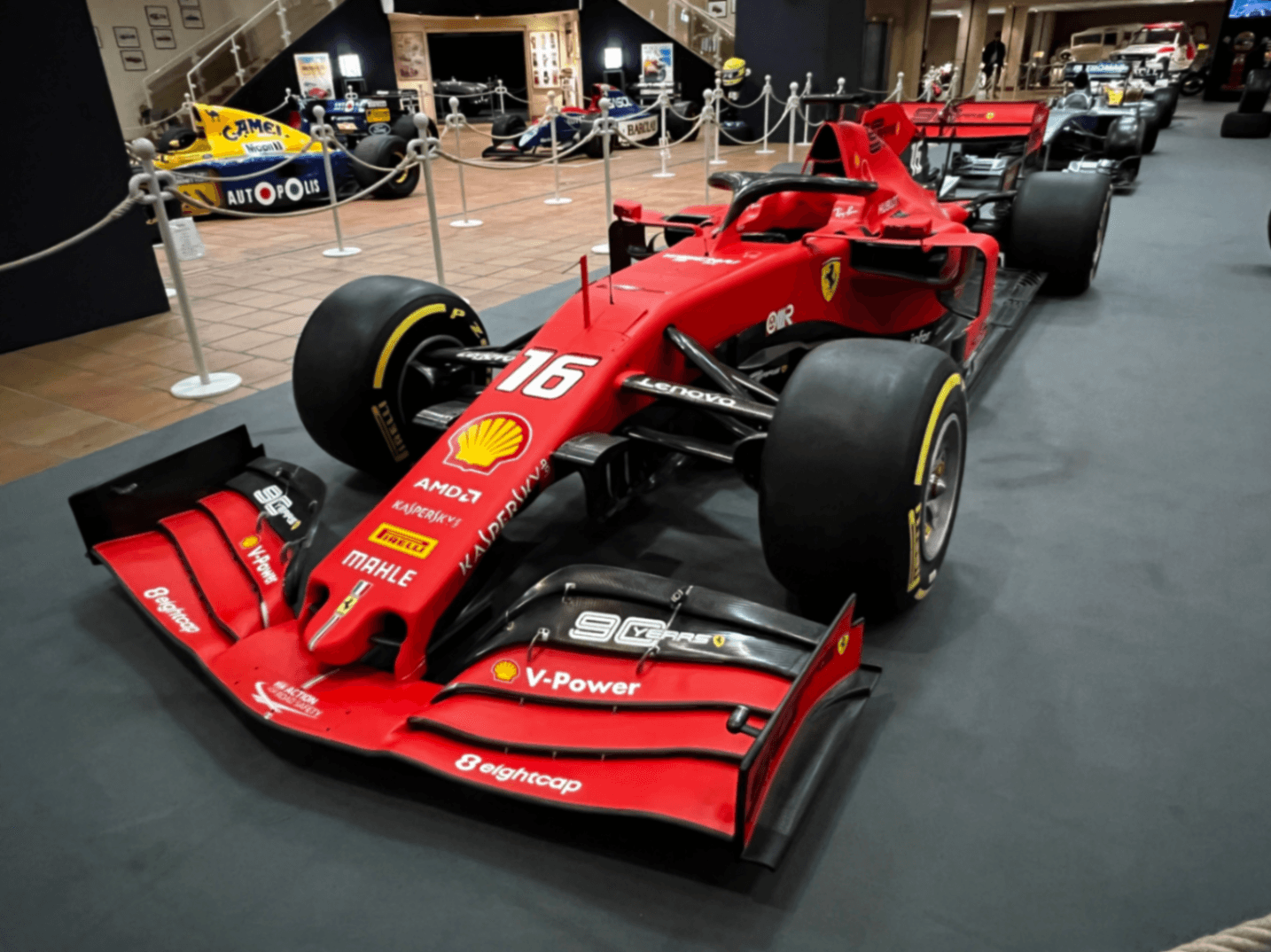 See & Do
The Private Collection of Antique Cars of H.S.H. Prince Rainier III
 See & Do
 See & Do
 See & Do
Jardin Exotique de Monaco
 See & Do
Prince’s Palace
 See & Do
 See & Do
Grimaldi Forum
 See & Do


