
 Posted by Brandon B.Admin
The Musei Capitolini: Rome's Oldest Public Museums
The Musei Capitolini sit at the top of the Capitoline Hill, the smallest of Rome's seven hills and arguably its most storied. Founded in 1471 when Pope Sixtus IV donated a group of bronze sculptures to the Roman people, these museums hold the claim of being the oldest public museums in the world. That's not a marketing line. It's a fact that puts every other "ancient" collection in perspective. If you've come to Rome to understand the city rather than just photograph it, this is where you start.
The complex occupies two Renaissance palaces facing each other across the Piazza del Campidoglio, a trapezoid-shaped square designed by Michelangelo in the 16th century. The pavement pattern alone is worth looking at before you go inside.
Why the Musei Capitolini Matter
The Vatican Museums get more foot traffic and the Colosseum gets more Instagram posts, but the Capitolini hold things you simply cannot see anywhere else. The original gilded bronze equestrian statue of Marcus Aurelius, for instance. Or the Capitoline Wolf, the bronze she-wolf that became the symbol of Rome itself. The founding mythology of the city is physically present here in a way that no textbook can replicate.
The collection also includes the Capitoline Venus, one of the finest ancient Roman marble sculptures in existence, and an entire hall of busts of Roman emperors that lets you match a face to every name you've read in a history book. Walking through that hall is genuinely disorienting in the best way.
Quick Facts
- Located at Piazza del Campidoglio 1, on the Capitoline Hill, a short walk from the Roman Forum entrance on Via Sacra
- Founded in 1471, making it over 550 years old
- Spread across two main buildings: the Palazzo dei Conservatori and the Palazzo Nuovo, connected by an underground tunnel called the Tabularium gallery
- The Tabularium itself dates to 78 BC and offers direct views over the Roman Forum from its arcade
- General admission covers both palaces and the Tabularium
- There is a rooftop cafe on the Palazzo dei Conservatori side with views over the city
- Audio guides are available for hire at the entrance
Getting There
The Capitoline Hill is walkable from most of central Rome. From the Colosseo metro stop on Line B, the walk takes around 10 to 12 minutes on foot along Via Sacra. From Piazza Venezia, the wide square dominated by the Vittoriano monument, it's a three-minute walk up the cordonata, the broad ramped staircase Michelangelo designed specifically so horses could climb it.
There's no dedicated parking on the hill itself. If you're coming by taxi or rideshare, Piazza Venezia is the standard drop-off point. Trams and buses stop at Piazza Venezia from multiple directions across the city.
The Layout and Experience
You enter the Palazzo dei Conservatori on the right side of the piazza, where you'll also find the ticket desk and audio guide rental. The ground floor holds the famous bronze sculptures including the Capitoline Wolf and the colossal fragments of the statue of Constantine the Great: a head, a hand, and a foot, each roughly the size of a small person. The effect is absurd and magnificent.
From there, you move through painting galleries on the upper floors, then descend through the Tabularium gallery, which cuts through the hill itself. The arcade windows looking out over the Roman Forum are one of the best vantage points in Rome and require no separate ticket. Most visitors rush past them. Don't.
The tunnel brings you up into the Palazzo Nuovo on the left side of the piazza. This building is where you'll find the emperor busts, the Capitoline Venus, and the original Marcus Aurelius statue in its own climate-controlled room. The replica that stands in the piazza outside looks convincing from a distance, but standing next to the real bronze, cast sometime in the 2nd century AD, is a different experience entirely.
Main Highlights
The Marcus Aurelius Equestrian Statue
The statue survived the medieval period because people mistakenly believed it depicted Constantine, the first Christian emperor. That misidentification saved it from being melted down. It's been inside the museum since the 1980s to protect it from pollution, and the quality of the gilded bronze up close is extraordinary.
Capitoline Wolf
The bronze she-wolf nursing Romulus and Remus is one of the most recognized images in Western art. The wolf portion of the statue is ancient, though scholars debate the exact date. The twin infants were added during the Renaissance. The two parts together have been here since the museum's founding collection.
The Tabularium Arcade
Built in 78 BC as an archive for public records, the Tabularium's arcade now functions as a viewing gallery between the two museum buildings. The columns frame a direct sightline over the Forum, the Arch of Septimius Severus, and the Temple of Saturn. You're looking at ruins from a structure that predates most of them.
Hall of the Emperors
Around 60 marble portrait busts of Roman emperors and their families line the circular room in the Palazzo Nuovo. The faces are specific and individual in a way that surprises most visitors expecting idealized sculpture. Julius Caesar, Augustus, Nero, Hadrian, they're all here, each distinctly recognizable.
Best Time to Visit
Weekday mornings tend to be noticeably quieter than weekend afternoons. The museums draw both independent travelers and organized tour groups, and the tour groups tend to arrive mid-morning. If you can get there when the doors open, you'll have the Marcus Aurelius room largely to yourself, which makes a real difference.
Summer evenings are worth considering. The museums often extend their hours during warmer months, and the rooftop cafe has views that improve as the light softens. Check current opening hours before you go, as seasonal schedules vary.
Photography Tips
Photography is generally permitted throughout the permanent collection without flash. The Tabularium arcade is the obvious shot, but the light through those arched windows is best in the morning when the sun is still low over the Forum. The colossal Constantine fragments are difficult to photograph well because of their size and the low ceiling above them. Step back as far as the room allows and use a wide angle if you have one.
The piazza outside is worth photographing at dusk, when the equestrian replica is lit and the surrounding palaces glow. You don't need a museum ticket for that view.
Combining with Nearby Attractions
The Roman Forum and Palatine Hill are a five-minute walk downhill from the museum exit. They operate under a separate ticketing system, so if you plan to visit both in the same day, buy the Forum ticket in advance to avoid queuing twice. The Vittoriano monument, also called the Altare della Patria, is directly adjacent to Piazza Venezia and free to enter. Its rooftop offers a panoramic view of the Forum valley that pairs well with what you've just seen inside the Capitolini.
The Circus Maximus and the Palatine Hill are also within a 15-minute walk if you want a full day in this part of Rome.
Practical Tips
- Book tickets online in advance, especially between April and October. Walk-up queues can be significant on weekends
- Allow at least two hours for a thorough visit. Three hours is more comfortable if you want to read the labels and spend time in the Tabularium
- The museums are fully accessible by elevator between floors, though the cobblestone piazza outside can be uneven
- The rooftop cafe is a separate purchase from museum admission and tends to fill up around midday
- Lockers are available near the entrance for bags that exceed the size limit
- Rome museum cards and certain city tourism passes may include entry, so check what you already have before buying a separate ticket
- If you're visiting the Roman Forum the same day, wear comfortable shoes. You'll cover a lot of uneven ground
FAQ
Do I need a timed entry ticket?
Timed entry is available and advisable during peak season. The museums can feel crowded in the middle of the day in summer, and a timed slot helps you plan your morning. Check the official Musei Capitolini website for current booking options.
How long should I plan for a visit?
Two to three hours covers the permanent collection comfortably. If there's a temporary exhibition running alongside, add another 45 minutes.
Is the Musei Capitolini suitable for children?
The colossal Constantine fragments tend to stop children in their tracks, and the she-wolf is immediately recognizable even to kids who've seen it in books. The layout across two buildings keeps the visit from feeling like one endless room. That said, it's a lot of marble and bronze, so younger children may need breaks.
Is there a difference between the two palace buildings?
Yes, meaningfully so. The Palazzo dei Conservatori is heavier on bronze sculpture and painting. The Palazzo Nuovo focuses on marble statuary and the portrait busts. Most visitors prefer to start in the Conservatori as the ticket desk is there, then cross through the Tabularium to the Nuovo.
Reviews
Sign in and mark this place visited to leave a review.
No reviews yet.
Free Trip Planner
Plan your Italy trip with our free planner
Build a day-by-day itinerary with AI suggestions, hand-picked places, and friends. Free forever — no credit card.
Things to see near Musei Capitolini


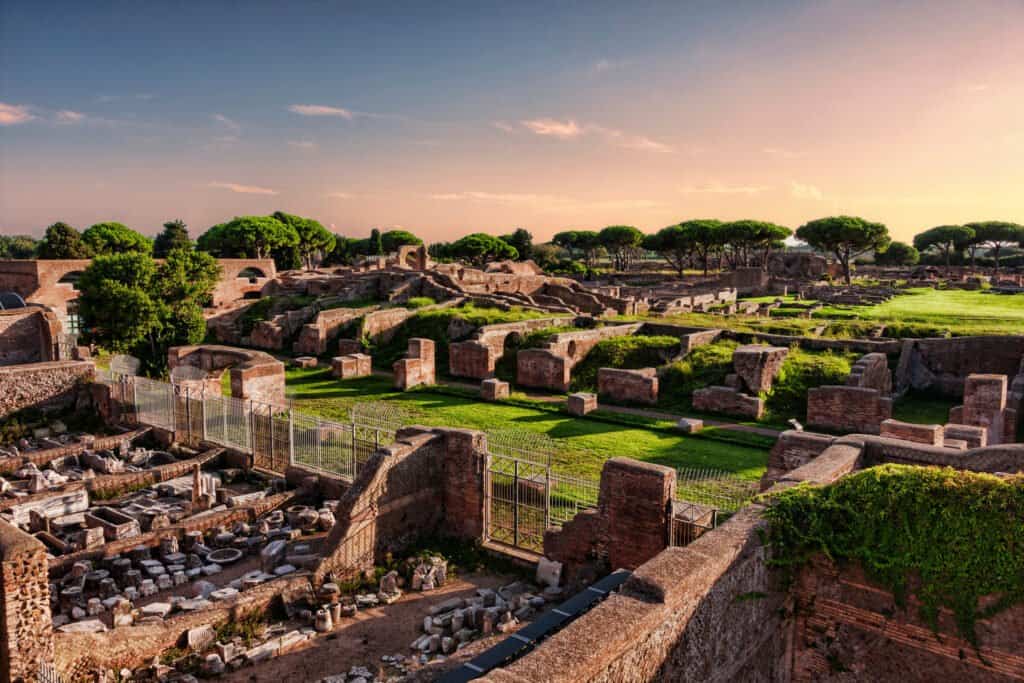

Places to eat or drink near Musei Capitolini
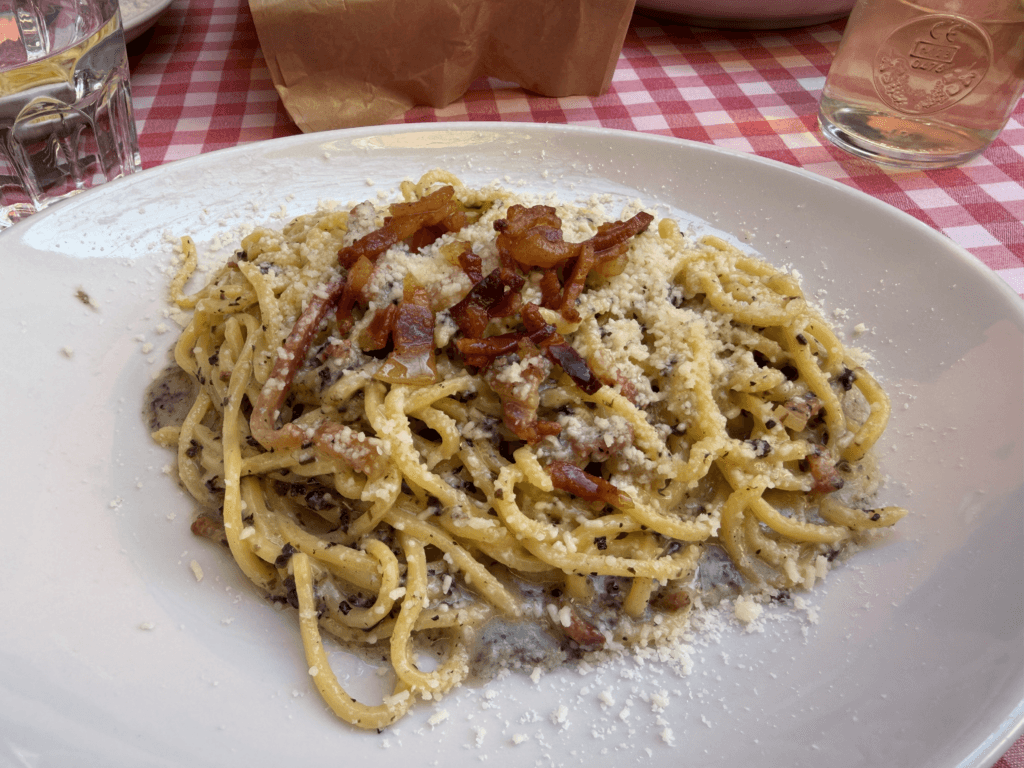
Arianna al Borghetto

La Pietra Scheggiata – Osteria/Pizzeria

Pasticceria Barberini

Trattoria Da Enzo
More places in Rome

Magia a Campo de' Fiori

Museo Storico della Liberazione

The Colosseum
