Museo Nejjarine
Pl. Nejjarine, Fes 30030 Morocco Posted by Brandon B.Admin
Inside the Museo Nejjarine: Fes's Most Beautiful Woodwork Museum
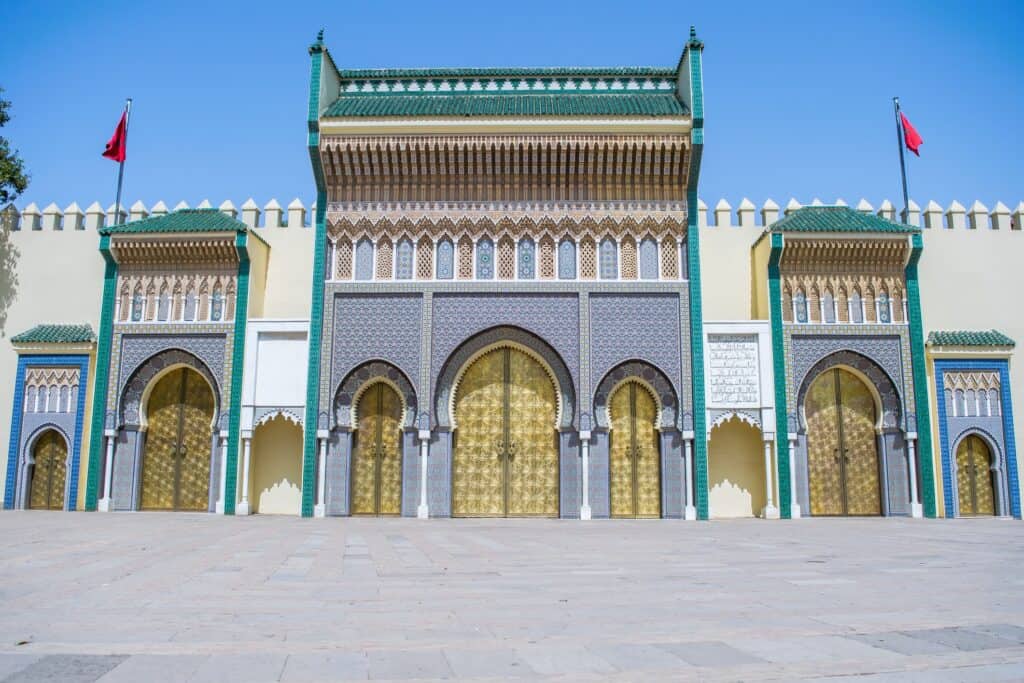
The Museo Nejjarine sits at one of the most photographed corners of the Fes el-Bali medina, occupying a restored caravanserai that dates back to the 18th century. If you've been walking the souks and suddenly find yourself in a square that smells faintly of cedar and looks like it belongs on a postcard, you've found it. The building alone is worth the detour, but what's inside makes the stop genuinely worthwhile.
Most visitors to the medina walk past without realizing there's a full museum behind that ornate facade. That's a real shame, because the Nejjarine Museum of Wooden Arts and Crafts is one of the more thoughtfully organized cultural spaces in Morocco.
Why the Museo Nejjarine Matters
Fes has long been considered the spiritual and artistic capital of Morocco, and the woodworking tradition here is part of why. The cedar and thuya workshops that line the surrounding streets have been operating for centuries, producing carved screens, inlaid furniture, and geometric latticework that supplied mosques, palaces, and wealthy homes across the region. This museum exists to document that craft history, and it does so inside a building that is itself a masterwork of the same tradition.
The caravanserai, known locally as a funduq, was originally a lodging and trading house for traveling merchants. The Nejjarine funduq was one of the finest in the city. Restored and reopened as a museum, it now houses a collection of antique wooden objects, tools, and furniture spanning several centuries of Moroccan craftsmanship.
Quick Facts
- Location: Place Nejjarine, Fes el-Bali medina, a short walk from the Bou Inania Madrasa
- Building type: Restored 18th-century funduq (caravanserai)
- Collection focus: Moroccan woodworking, carpentry tools, carved furniture, and decorative objects
- Floors: Three gallery levels plus a rooftop terrace
- Photography: Generally permitted inside, though check with staff on the day
- Entry: Ticketed, with a modest general admission fee
- Café: There is a rooftop café on the top floor
Getting There
The museum sits on Place Nejjarine, a small tiled square in the heart of the Fes el-Bali medina. If you're coming from Bab Bou Jeloud, the main blue gate entrance to the old city, allow around 10 to 15 minutes on foot through the main artery of Talaa Kebira. The square itself is easy to miss if you're moving quickly, so look for the ornate fountain in the center of the courtyard and the carved cedar facade of the funduq behind it.
Taxis cannot enter the medina, so you'll be on foot for the final stretch regardless of where you're staying. If you're coming from the Andalusian quarter on the east side, the walk through the Rcif area takes roughly the same amount of time. Most riads in the medina can sketch you a rough route if you ask at the front desk.
The Layout and Experience
You enter through a doorway that opens into a central courtyard ringed by arched galleries on three levels. The architecture stops you immediately. The walls are covered in zellij tilework up to shoulder height, above which carved plaster and then carved cedar take over all the way to the roof. It's the same combination you'd find in the great madrasas of Fes, applied here to a merchant building, which tells you something about the wealth this district once held.
The collection is arranged across the three gallery floors that surround the courtyard. Ground floor displays tend to focus on tools and raw materials, giving you context for how the craft actually worked before you encounter the finished objects on the floors above. Carved doors, ornate chests, astrolabes, and furniture pieces fill the upper galleries. The labeling is in Arabic and French, so English-speaking visitors may find themselves relying more on the objects themselves than on interpretive text.
The rooftop is the final stop, and it rewards the climb. From up here you get a clear view over the medina roofscape, with the minarets of the Kairaouine Mosque visible on a clear day. The café on the terrace is a decent place to sit for a few minutes before heading back into the souks below.
History and Background
The funduq at Nejjarine was built during the reign of the Alaouite dynasty, most likely in the early 18th century, as part of a broader program of urban development in Fes under Sultan Moulay Ismail. Funduqs served a specific urban function in medieval Islamic cities: they were essentially commercial hotels where traveling merchants could store goods on the ground floor and sleep in rooms on the upper levels, often organized around a central courtyard with a well.
The Nejjarine funduq was one of the grandest examples in Fes, reflecting the commercial importance of the surrounding carpenters' souk, the word "nejjarine" itself deriving from the Arabic for carpenters. After centuries of varied use and gradual decline, the building was restored by the Fondation Lalla Salma and other heritage bodies in the 1990s and opened as a museum dedicated to the very craft tradition that had always surrounded it.
Tickets and Entry
Entry requires a general admission ticket, available at the door. The fee is modest by any standard and well worth it for the building alone. There's no timed entry system, so you can arrive and go straight in during opening hours. Guided tours aren't typically offered on-site, though private guides operating in the medina will often include the Nejjarine as a stop and can provide context as you move through the galleries.
Best Time to Visit
Mornings tend to be quieter, especially on weekdays. The medina gets considerably busier from late morning onward, and the square outside can feel crowded during peak tourist season, which runs roughly from March through May and again in September and October. If you want the courtyard to yourself for a few minutes, arriving when the museum opens is your best option.
Midday light comes down through the open courtyard roof in a way that's particularly good for appreciating the carved cedar details. That said, the interior galleries are covered and the light quality there doesn't change much with the time of day.
Photography Tips
The courtyard is the obvious shot, and for good reason. Shoot upward from the center of the ground floor to capture all three gallery levels converging above you. The geometric ceiling details and the layered arches reward a wide angle lens if you have one. Early morning visits mean fewer people in frame.
The rooftop is your best spot for wider medina context shots. On a clear day, the view toward the Kairaouine Mosque minaret makes for a strong establishing image. Light is better in the morning before the sun climbs too high and flattens the rooftop view.
Combining with Nearby Attractions
Place Nejjarine is within easy walking distance of several of the medina's major sites. The Bou Inania Madrasa, one of the finest examples of Marinid architecture in Morocco, is about 5 minutes on foot toward Bab Bou Jeloud. The Kairaouine Mosque and its adjacent library, founded in 859 CE and often cited as the world's oldest continuously operating university, is roughly 10 minutes in the other direction.
The carpenters' souk directly surrounding the square is also worth time on its own. Watching craftsmen work with cedar using techniques that haven't changed much in centuries adds a living dimension to what you've just seen inside the museum. The smell alone is worth pausing for.
Practical Tips
- Wear comfortable shoes. The medina streets are uneven and the museum stairs are steep in places.
- Bring a small amount of local currency for the entry ticket, as card payment isn't reliably available.
- The rooftop café is a good place to regroup before continuing into the souks, but service can be slow on busy days.
- If you hire a local guide for the medina, ask them to include the Nejjarine area as part of the route rather than as a standalone stop.
- The square outside the museum has several vendors selling carved woodwork. Quality varies considerably, so take your time if you're planning to buy.
- Photography etiquette: the museum staff are generally relaxed about cameras, but ask before pointing a lens at other visitors or into private corners of the galleries.
FAQ
Do I need to book in advance?
No. The Museo Nejjarine operates on a walk-in basis. You buy your ticket at the door and enter immediately during opening hours.
How long should I plan to spend here?
Most visitors spend between 45 minutes and an hour and a half. If you're deeply interested in the architecture or the collection, you could easily stretch that. If you're moving quickly through the medina, 45 minutes covers the essentials including the rooftop.
Is it suitable for children?
Generally yes, though the steep interior staircases require supervision for young children. The open courtyard and rooftop views tend to hold kids' attention even if the collection itself doesn't.
Are there English-language materials available?
The permanent collection labels are primarily in Arabic and French. English signage is limited, so if interpretation matters to you, consider arranging a bilingual guide before your visit.
Is the museum accessible for visitors with mobility limitations?
The building's historic structure means accessibility is limited. The upper galleries and rooftop are reached by stairs with no elevator, which makes full access difficult for visitors with mobility concerns.
Opening hours
Reviews
Sign in and mark this place visited to leave a review.
No reviews yet.
Free Trip Planner
Plan your Fes trip with our free planner
Build a day-by-day itinerary with AI suggestions, hand-picked places, and friends. Free forever — no credit card.