Napoli Sotterranea
Vico S. Anna di Palazzo, 52, 80132, Naples Italy Posted by Brandon B.
Beneath the Streets of Naples: A Guide to Napoli Sotterranea
Napoli Sotterranea sits below the bustling Piazza San Gaetano in the historic center of Naples, and it offers something most cities simply cannot: a complete parallel world running forty meters under your feet. This underground complex draws visitors into a network of tunnels, cisterns, and cavities that have been in continuous use for over two thousand years, layering Greek quarrying, Roman engineering, wartime survival, and modern discovery into a single, walkable experience.
It is genuinely one of those places that changes how you think about a city.
Why Napoli Sotterranea Matters
The rock beneath Naples is tufa, a soft volcanic stone that the ancient Greeks began cutting around the 5th century BC to build the city above. As they quarried, they left behind a labyrinth. The Romans expanded it into an aqueduct system that supplied the city for centuries. By the 19th century it had fallen into disuse and was largely forgotten. Then World War II arrived, and thousands of Neapolitans descended back into these same tunnels to shelter from Allied bombing raids between 1940 and 1944. The personal objects left behind during those years, toys, bottles, furniture scratched with names and dates, are still down there.
That layering is what makes the site unusual. You are not looking at one period of history. You are looking at every period compressed into the same space.
Quick Facts
- Address: Vico S. Anna di Palazzo, 52, though the main entrance used by most visitors is on Piazza San Gaetano in the Spaccanapoli area
- Depth: approximately 40 meters below street level at the deepest points
- Tour duration: standard guided tours run around 80 minutes
- Language: tours typically run in both Italian and English, sometimes French, depending on the day and group
- Photography: generally permitted throughout
- Accessibility: the site involves narrow passages and steep stairs; it is not suitable for visitors with mobility limitations
- Temperature underground: a consistent cool, roughly 15 degrees Celsius year-round, regardless of the heat above
Getting to Napoli Sotterranea
The site sits in the centro storico, the UNESCO-listed historic center of Naples. If you are coming from the main train station, Napoli Centrale, the most straightforward route is the metro Line 1 to Dante station, which puts you about a 10-minute walk from Piazza San Gaetano along Via dei Tribunali. That stretch of Via dei Tribunali is worth your attention on the way in, lined with pizza shops, shrines, and the kind of organized chaos that makes Naples feel like nowhere else.
If you are already in the Spaccanapoli area, the entrance is easy to find near the church of San Paolo Maggiore. Taxis and rideshares can drop you on Via dei Tribunali, though driving into this part of Naples yourself is more stress than it is worth.
The Layout and Experience
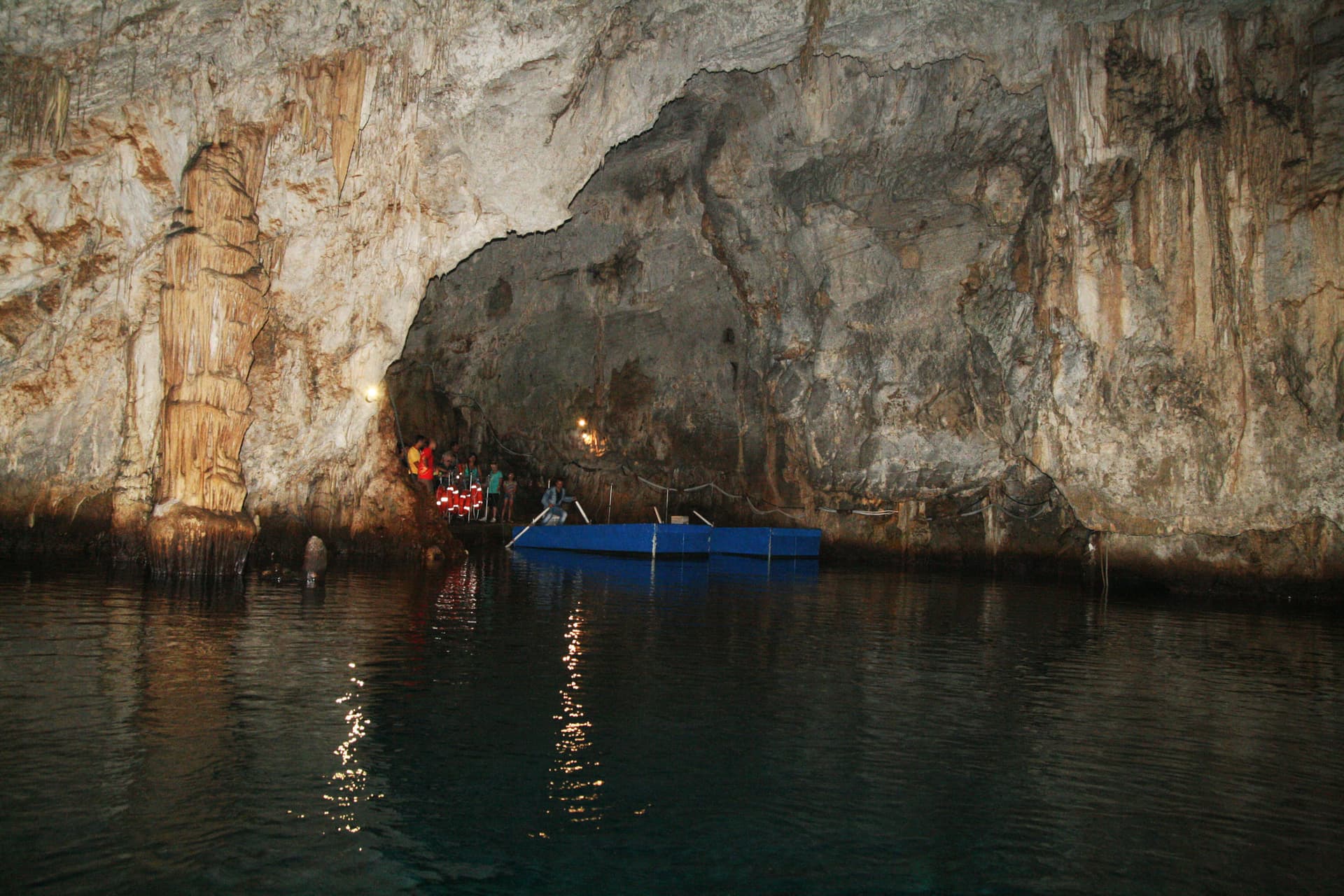
Tours begin at street level and descend through a series of staircases into the ancient cistern network. The first sections are spacious enough to walk comfortably, with lighting installed along the routes. As you go deeper, the passages narrow considerably. There is one section where visitors must turn sideways and shuffle through a passage barely wider than your shoulders, holding a candle for light. It is not long, but it is memorable. Some people find it claustrophobic; most find it exhilarating.
Guides move the group through different zones, each corresponding to a different historical layer. The Greek and Roman cisterns are the oldest visible elements, with the original cut marks still visible in the tufa walls. Further along, you reach the wartime shelter section, where the artifacts from the 1940s are preserved in place. There is a small Roman theatre discovered beneath a private building nearby, accessible as part of some tour options.
The candle-lit passage alone is worth the trip.
Main Highlights
- The Greek-Roman cisterns, some of the best-preserved ancient water infrastructure visible anywhere in Italy
- The World War II shelter, with original personal belongings left by Neapolitan families who sheltered here during the 1940 to 1944 bombing campaign
- The narrow candlelit corridor, a short but genuinely atmospheric passage through ancient tufa rock
- The underground Roman theatre, parts of which extend beneath the foundations of buildings still occupied today
- Tufa quarry walls where you can still see the original cutting marks made by Greek workers more than 2,000 years ago
Tickets and Entry
Entry is by guided tour only. You cannot explore independently. Tours depart at regular intervals throughout the day, and the ticket desk is at the entrance on Piazza San Gaetano. Booking ahead online is a sensible idea, particularly on weekends and during the summer months when the site gets genuinely busy. Walk-ins are often possible on weekday mornings, but there is no guarantee of an immediate spot.
The standard tour covers the main cistern network and the wartime shelter. There are also extended or specialist tours available that include the Roman theatre section or focus on specific historical periods. These tend to require separate booking and run less frequently. Check the official site for current scheduling since the lineup of tour types changes.
Best Time to Visit
Summer is the busiest period, and the underground temperature of around 15 degrees Celsius becomes a genuine selling point when Naples is sitting at 35 degrees above. The contrast when you descend is immediate and welcome. That said, the tours are more crowded from June through August, and the narrow passages feel even narrower with a full group.
October through April tends to offer smaller groups and a more relaxed pace. Weekday mornings are quieter than weekend afternoons almost any time of year. If you want a more intimate experience with the guide, arriving early on a Tuesday or Wednesday in shoulder season is your best bet.
Photography Tips
The lighting underground is atmospheric but dim, so a phone with a decent low-light mode or a camera that handles high ISO well will serve you better than flash, which tends to flatten the texture of the tufa walls. The candlelit passage is the most photogenic section and also the most challenging technically. Slow your shutter speed and brace against the wall if you can. The wartime shelter section has objects that photograph well up close. Wide shots work best in the larger cistern chambers where the scale of the ancient engineering becomes visible.
What to Wear and Bring
- A layer you can add underground. The temperature drop from street to tunnel is significant, especially in summer when you arrive in light clothes
- Flat, closed-toe shoes. The floors are uneven stone and occasionally damp
- Nothing too bulky. The narrow passage genuinely requires a slim profile
- A small torch or phone flashlight can be useful in the dimmer sections, though candles are provided for the narrow corridor
Combining with Nearby Attractions
Piazza San Gaetano is surrounded by some of the densest concentration of historic sites in Naples. The Complesso Monumentale di San Lorenzo Maggiore is directly adjacent, and it has its own underground Greco-Roman remains including a remarkably intact ancient market street. The two sites complement each other well without feeling repetitive, since San Lorenzo focuses more on the ancient commercial city while Napoli Sotterranea covers the full two-thousand-year arc.
Via dei Tribunali, the street running east-west through this part of the centro storico, is lined with some of Naples' most respected pizza spots. A late lunch after the tour is an easy plan. The Duomo di Napoli is about a five-minute walk east if you want to continue the day.
Practical Tips
- Book your tour slot at least a day ahead during spring and summer to avoid waiting or missing your preferred time
- Arrive a few minutes early. Tours start on time and latecomers can miss the group
- The tour is conducted by a human guide, not an audio device, so position yourself near the front if you want to catch everything in a busy group
- If you have claustrophobia that is more than mild, ask the guide about the narrow passage before you descend. They can advise honestly
- There is no cloakroom, so leave large bags at your accommodation if possible
- The site has a small gift shop and a cafe area near the entrance
FAQ
Is Napoli Sotterranea suitable for children? Older children who are comfortable in enclosed spaces tend to enjoy it. The history of the wartime shelters resonates with kids in a way that many ancient sites do not. Very young children and those who dislike tight spaces may struggle with the narrow passage section.
How different is this from the catacombs elsewhere in Naples? Quite different. The Catacombs of San Gennaro and San Severo are early Christian burial sites with a distinct religious and funerary focus. Napoli Sotterranea is primarily a civil and engineering site, covering water supply, city construction, and wartime use. If you have time, both are worth visiting.
Do tours run every day? Tours run daily, though schedules vary. Check the official website for current departure times before you go, as hours can shift depending on the season and staffing.
How physically demanding is it? Moderately. There are stairs, uneven surfaces, and one genuinely narrow passage. Most people of average fitness handle it without difficulty. It is not recommended for anyone with serious mobility issues or acute claustrophobia.
Napoli Sotterranea is one of those rare attractions that earns its reputation honestly. The history is real, the atmosphere is not manufactured, and forty meters below one of Europe's most chaotic street surfaces, the silence is something you will not expect.
Reviews
Sign in and mark this place visited to leave a review.
No reviews yet.
Free Trip Planner
Plan your Italy trip with our free planner
Build a day-by-day itinerary with AI suggestions, hand-picked places, and friends. Free forever — no credit card.