Fiordo Di Furore
Via Marina Di Praia, 84010 Furore Salerno, Italy Posted by Brandon B.Admin
Overview
Fiordo di Furore is a narrow, dramatic fjord carved into the cliffs of the Amalfi Coast in Campania, southern Italy. The fjord opens onto a small beach and harbor tucked so deeply into the coastline that it remains largely invisible from the water and the main road above. You'll find it in the village of Furore, about 40 kilometers southeast of Naples and roughly 10 kilometers west of Positano. The inlet is one of the few true fjords in the Mediterranean, a geological rarity that makes it feel almost Scandinavian in character, though surrounded by Italian architecture and vegetation.
The fjord draws a mix of swimmers, photographers, and travelers seeking a quieter alternative to the crowded beaches and towns that dominate the Amalfi Coast. The water here is remarkably clear, and the steep cliff walls create an intimate, almost secret quality that explains its enduring appeal.
Why this place matters
Fiordo di Furore exists at the intersection of geology and human settlement. The fjord itself is a glacial remnant from the Pleistocene, one of only a handful in the Mediterranean. What makes it culturally significant is how the local fishermen adapted to this unusual geography. For centuries, they built small houses directly on the water's edge and within the fjord itself, creating a working fishing village that remains partially inhabited today. These weathered pastel houses, some painted in faded yellow and blue, are anchored to the rocks and accessible only by boat or a steep descent through the cliffs. The fjord represents a rare example of traditional maritime life persisting on one of Europe's most developed coastlines.
Quick facts
- Location: Furore, Salerno Province, Campania region
- Distance from Naples: approximately 40 kilometers
- Distance from Positano: approximately 10 kilometers
- Best accessed by: foot (steep descent), private boat, or local water taxi
- Water temperature: coolest in winter (around 13°C), warmest in August (around 26°C)
- Nearest town with accommodations: Positano or Praiano (both within 15 minutes by car)
- Entry: free to access the fjord and beach
Getting there
The approach to Fiordo di Furore is deliberately obscured. The fjord sits below the main coastal road (the Strada Statale 163), and there is no obvious signage directing you there. From Positano or Praiano, drive west toward Furore village. Look for a narrow, unmarked road or footpath that descends steeply from the road. The easiest landmark is the village itself, which sits on the cliffs above the fjord.
The walk down takes between 10 and 15 minutes depending on your pace and which entrance you use. The path is paved but very steep, with multiple switchbacks. Wear sturdy shoes with good grip, as the stone steps can be slippery, especially after rain or when wet from sea spray. If the descent feels too strenuous, local water taxis operate from nearby towns and can drop you directly at the fjord entrance.
By car, the closest parking is in Furore village or along the coastal road, though spaces fill quickly in summer. Public transport (SITA buses) runs along the Amalfi Coast, but you'll still need to walk down to the fjord itself.
The layout and experience
The fjord narrows as you descend, and the experience shifts as you go deeper. The upper sections are more open, with views back toward the Tyrrhenian Sea. As you descend further, the cliff walls close in, and the atmosphere becomes almost cathedral-like in its quiet and scale.
At the base lies a small pebble and sand beach, rarely more than 50 meters across. A handful of fishing boats and small pleasure craft sit at anchor or are tied to wooden posts driven into the rocks. Several of the traditional fishermen's houses still stand here, their wooden doors and shutters weathered to soft grays and blues. A few operate as very small bars or cafes in summer, though hours are erratic and depend on the owner's mood and customer flow. Don't count on finding food or drink, but ask locals if they're open.
The water is notably clear and cold, even in summer. The fjord walls provide natural protection, so the water inside is usually calm when the open coast is rough. Swimming is possible, though the beach space is limited and can feel crowded with just 20 or 30 people.
Main highlights
The primary appeal is the fjord itself and the sense of discovery that comes with finding it. The steep descent creates a threshold effect, psychologically separating the fjord from the busy Amalfi Coast above. Once you're at the water level, the noise and crowds feel very far away.
Photography opportunities are substantial. The narrow opening of the fjord, framed by dark rock walls and the small houses within, creates compelling compositions. The play of light as it enters the fjord and reflects off the water changes throughout the day. Early morning or late afternoon light tends to be most dramatic.
Snorkeling in the fjord is rewarding. The water clarity and the protected environment support healthy fish populations and some underwater rock formations worth exploring. Bring your own mask and fins, as rental facilities don't exist here.
History and background
The fjord was formed during the Pleistocene epoch when sea levels were lower and glacial meltwater carved deep valleys into the coastline. Unlike the famous Norwegian fjords, Fiordo di Furore is modest in scale, but its existence in the Mediterranean makes it geologically distinctive.
Human settlement here dates back centuries. The village of Furore itself was established as a fishing community, and the fjord provided a sheltered harbor where boats could be safely moored and fish could be processed. The small houses built directly on the water served as storage, workshops, and residences. This maritime culture persisted largely unchanged until the 20th century, when modern fishing fleets and tourism began to reshape the Amalfi Coast. Some of the houses have been abandoned, while others have been restored and repurposed as vacation rentals or small hospitality spaces.
The fjord's relative invisibility from the main road is partly intentional. The cliff-edge location kept it isolated from mass tourism development, and it remains less crowded than nearby Positano or Amalfi.
Best time to visit
Summer (June through August) brings the most reliable weather and warmest water, but also the most visitors. The fjord can feel cramped on peak days. Shoulder seasons (April to May and September to October) offer clearer skies, calmer seas, and far fewer people. The water is still swimmable in May and September.
Winter (November through March) brings rough seas and occasional closures of the coastal road due to landslides or flooding, though the fjord itself remains accessible. The water is very cold, and light is limited. Most cafes and services in nearby towns operate on reduced hours.
If you want to avoid crowds but still enjoy warm water, aim for late May or early September. If you prioritize solitude over comfort, winter visits can be rewarding, though you'll need to be prepared for changeable weather.
Photography tips
The fjord's narrow entrance frames the view perfectly, so position yourself to capture the opening with the houses and water in the foreground. Shoot during golden hour (first two hours after sunrise or last two hours before sunset) for the most dramatic light on the cliff walls.
Wide-angle lenses work well for capturing the scale and sense of enclosure. If you're shooting from the water or a boat, bring a waterproof camera or phone case, as spray is constant. The clear water is excellent for underwater photography if you have a camera that can handle it.
Avoid shooting midday when the light is harsh and the sun is directly overhead. The shadows become very deep and the contrast difficult to manage.
Facilities and preparation
There are no facilities at the fjord itself. No restrooms, no trash bins, no lifeguards, no equipment rental. The nearest amenities (restaurants, bathrooms, shops) are in Furore village above or in the neighboring towns of Praiano and Positano, both a short drive away.
Bring water and snacks if you plan to stay for more than an hour. The walk down and back up is steep enough that dehydration is a real concern in warm weather. Wear sunscreen, as there is no shade at the beach except what the cliff walls naturally provide in the afternoon.
If you plan to swim, bring your own towel and any snorkeling gear you want. Change facilities are minimal, so wear your swimsuit under your clothes.
Combining with nearby attractions
Positano is the most famous town on the Amalfi Coast and sits about 10 kilometers east. It's known for its pastel-colored houses cascading down the cliffs and is far more developed than Furore. A visit here works well as a base if you're spending multiple days exploring the coast.
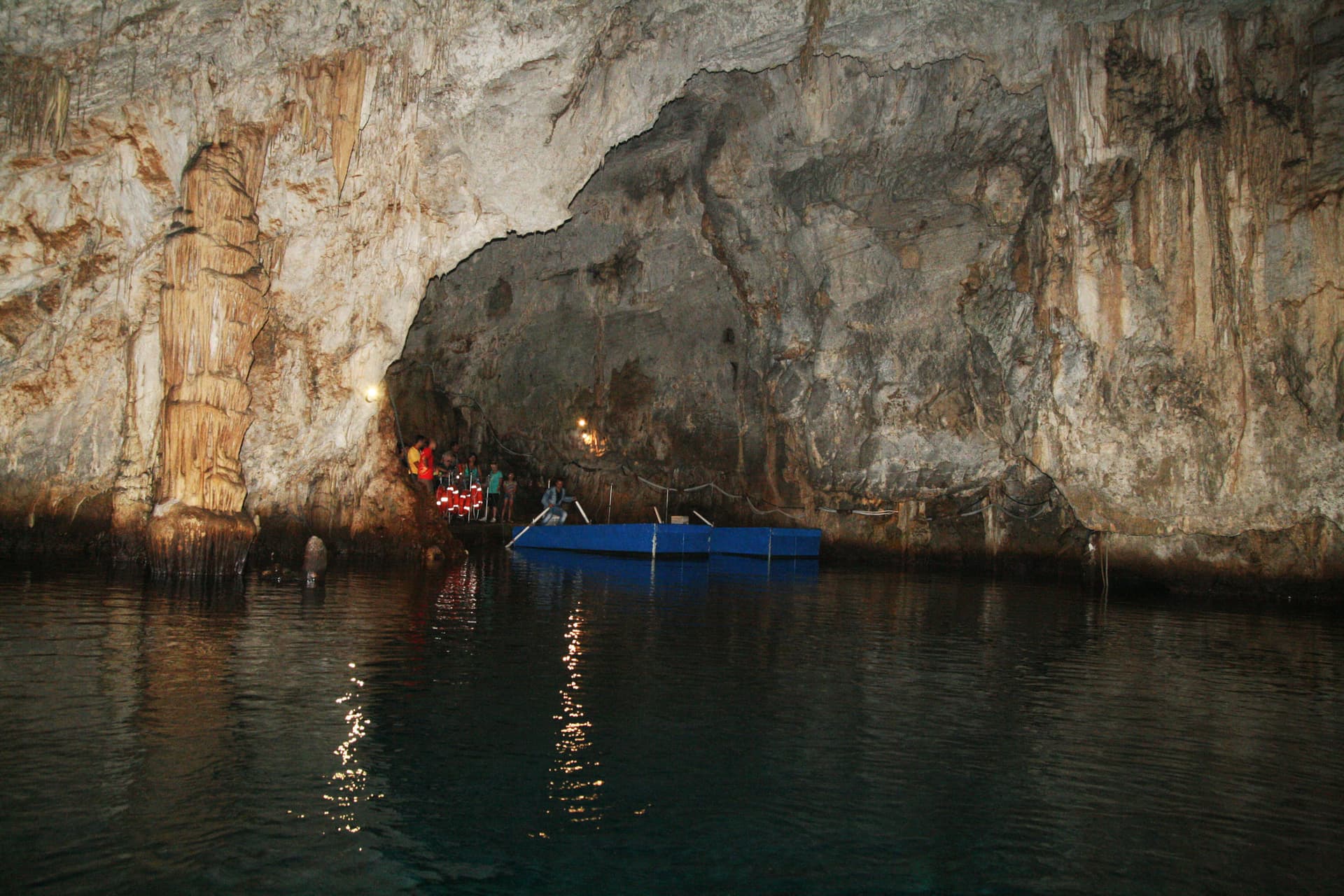
Praiano, between Furore and Positano, offers a quieter alternative with its own small beaches and a more local feel. The Emerald Grotto (Grotta dello Smeraldo) is another sea cave accessible by boat, about 20 minutes west of Furore.
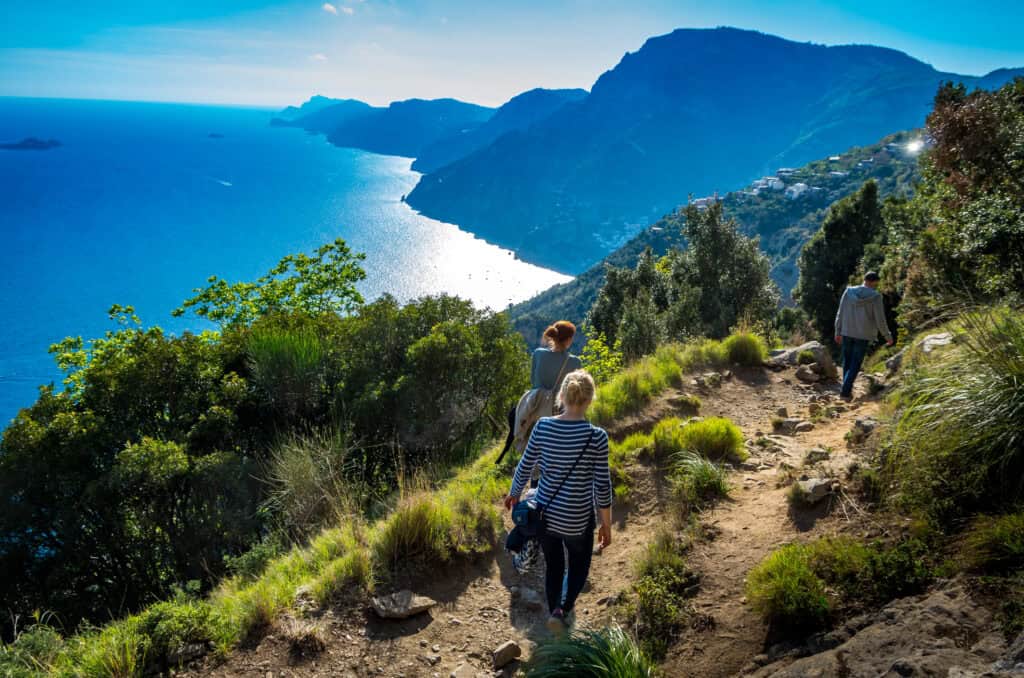
The town of Furore itself is worth a brief walk. Its main piazza sits on the cliffs above the fjord, and the views back across the coast are expansive. Some visitors combine a morning at the fjord with an afternoon exploring the village and nearby hiking trails.
Sample visit plan
Arrive early, ideally before 10 a.m., to beat the midday crowds and heat. Park in Furore village and walk down to the fjord. Spend two to three hours swimming, snorkeling, or exploring the water's edge and the small houses. Bring lunch and eat on the beach. If the weather is clear, stay until late afternoon to photograph the changing light.
On the way back up, stop in Furore village for a coffee or gelato. If you're staying nearby, return to Positano or Praiano for dinner. If the fjord alone feels too brief, combine it with a visit to Praiano or a coastal walk along the path connecting nearby villages.
Practical tips
- The descent is steep and the return is tiring. If you have mobility concerns, the water taxi option is worth the cost.
- Bring more water than you think you'll need. The sun reflects off the water and rock, intensifying heat exposure.
- Wear water shoes or sandals with grip. The rocks are sharp and the stone is slippery when wet.
- If you're driving, arrive by mid-morning or plan to come on a weekday. Weekend parking fills up quickly in summer.
- The houses in the fjord are private property. Don't enter them without permission. Photographing from outside is fine.
- Cell phone reception is spotty. Download offline maps if you're navigating independently.
- The water is cold year-round. Even in August, it's colder than you might expect. Acclimate gradually.
FAQ
Can you stay overnight in the fjord? A handful of the houses operate as vacation rentals, but availability is very limited and must be arranged well in advance. Most visitors stay in nearby Positano, Praiano, or Furore village.
Is the fjord safe to swim in? Yes. The water is clean and the cove is protected from strong currents. There are no lifeguards, so swim at your own risk and be aware of the cold temperature.
Can you bring a private boat into the fjord? Yes, if you have access to one. The entrance is narrow but navigable for small boats. Local water taxis can arrange transport if you don't have your own vessel.
How long should I plan to spend here? Most people spend two to four hours. This includes the descent, time in the water or on the beach, and the return climb. The fjord itself is small, so a full day isn't necessary unless you're combining it with nearby attractions.
Is there an entrance fee? No. Access to the fjord and beach is free.
Opening hours
Reviews
Sign in and mark this place visited to leave a review.
No reviews yet.
Free Trip Planner
Plan your Italy trip with our free planner
Build a day-by-day itinerary with AI suggestions, hand-picked places, and friends. Free forever — no credit card.