Nijo Castle
Nijo Castle
541 Nijo-jo-cho, Horikawa-nishi-iru, Nijo-jo-dori, Nakagyo-Ku, Kyoto 604-8301 Kyoto Prefecture Posted by Brandon B.Admin
Nijo Castle: Kyoto's Most Theatrical Shogunate Palace
Nijo Castle sits in central Kyoto, about a ten-minute walk from Nijo Station, and it remains one of the most complete surviving examples of early Edo-period palatial architecture in Japan. Built on the orders of Tokugawa Ieyasu and completed in 1603, the complex was designed to project power as much as provide shelter. Walking through it today, that intention still comes through clearly.
Unlike Kyoto's temple circuit, Nijo Castle is first and foremost a political building. It was here that the Tokugawa shogunate received the emperor, hosted feudal lords, and eventually, in 1867, dissolved itself. That full arc of shogunate history, from its founding to its formal end, played out within these same walls.
Why Nijo Castle Matters
The castle was designated a UNESCO World Heritage Site in 1994, as part of the Historic Monuments of Ancient Kyoto grouping. That designation matters less as a travel credential and more as a signal of what survives here: original interiors, intact painted sliding screens, and a garden that has been tended continuously since the 17th century.
Most castles in Japan lost their original interiors to fire, war, or renovation. Nijo's main palace, the Ninomaru, kept its. The screen paintings inside were produced by artists of the Kano school, and the sheer number of them, covering nearly every wall and partition across 33 rooms, makes this one of the densest surviving collections of Momoyama-era decorative painting anywhere.
Then there are the floors. The Ninomaru Palace corridors are fitted with "nightingale floors," boards engineered to chirp underfoot as you walk, a deliberate security measure against silent intrusion. It's a detail that guidebooks mention so often it risks feeling like a cliche, but hearing it work in person is genuinely startling.
Quick Facts
- Full name: Nijo-jo (二条城), formally元離宮二条城
- Built: completed 1603, expanded under Tokugawa Iemitsu in the 1620s
- UNESCO World Heritage Site since 1994
- Located in Nakagyo-ku, central Kyoto
- The grounds cover roughly 275,000 square meters
- Entry requires a general admission ticket; the Ninomaru Palace interior requires an additional access ticket on some visit formats
- Closed on certain Tuesdays in January, July, August, and December, and over the New Year period
Getting There
The castle's main entrance is on Horikawa-dori, the wide north-south boulevard that runs along the western edge of the complex. If you're coming by subway, the Tozai Line stops at Nijo-jo-mae Station, which deposits you almost directly in front of the Higashi Otemon, the main east gate. That walk from the ticket barrier to the gate takes about two minutes.
From central Kyoto landmarks like Kyoto Station, the Tozai Line is not a direct connection, but buses run along Horikawa-dori with a stop right at the castle. Cycling is also practical. Most rental shops in Kyoto will have you there in 15 to 20 minutes from Gion or the Kawaramachi area, and there is bicycle parking near the entrance.
The Layout and Experience
Nijo Castle is built as a series of concentric enclosures. The outermost ring is the moat and outer wall. Inside that sits the Ninomaru compound, which holds the main palace and a formal garden. Further in is the Honmaru compound, which contains a smaller palace and the raised stone base of the original keep, destroyed by lightning in 1750 and never rebuilt.
Most visitors spend the bulk of their time in the Ninomaru Palace. You remove your shoes at the entrance and walk a fixed route through the rooms, which are organized by their function in the shogunate's ceremonial hierarchy. The rooms where lower-ranking lords waited look markedly different from the rooms where the shogun actually sat, and the paintings shift accordingly, from tigers prowling through bamboo in the outer chambers to more restrained pines and plum trees closer to the shogun's seat.
The Ninomaru Garden, designed by the tea master and garden designer Kobori Enshu in the early 17th century, wraps around the palace on three sides. It's a pond-centered strolling garden with stone arrangements that repay slow attention. The Honmaru Garden to the north has a different character, more open and later in date, laid out in the late Meiji period.
Main Highlights
The Ninomaru Palace Interiors
The palace is divided into five connected buildings. Each one served a specific ceremonial purpose, and the spatial sequence was itself a form of protocol. You move from the waiting rooms, where regional lords sat in ranked order before their audience, through to the inner chambers where the shogun conducted business. Photography is not permitted inside the palace buildings, which focuses your attention in a way that actually helps.
The Nightingale Floors
The chirping corridors are concentrated in the Ninomaru Palace walkways. The sound is produced by clamps beneath the floorboards that rub against nails as weight is applied, not by any trick of wood grain or age. On busy days you'll hear the floors constantly. On a quiet winter morning, the effect is more eerie than charming.
The Kano School Screen Paintings
Over 3,000 paintings are distributed across the Ninomaru rooms. The originals of the most fragile panels have been removed to climate-controlled storage, and high-resolution reproductions now hang in their place in certain rooms. The castle is transparent about which is which, and the reproductions are close enough to read the compositions clearly.
The Seasonal Gardens
The grounds are planted with plum, cherry, and autumn foliage species that draw large crowds during peak seasons. In late February and early March, the plum orchard near the Seiryu-en garden area blooms before the famous cherry trees elsewhere in Kyoto. Cherry blossom season, typically late March to early April, brings some of the city's most photographed scenes right here on the castle grounds.
Best Time to Visit
If crowds are your main concern, weekday mornings in November, late January, or early February tend to be the quietest. The castle opens at 8:45am and the first hour before tour groups arrive is noticeably calmer inside the palace.
Cherry blossom season is spectacular and genuinely crowded. The same applies to autumn foliage, typically peaking in mid to late November. Both are worth experiencing if you're comfortable with company. The special evening illumination events held during these seasons extend the castle's hours and transform the garden atmosphere entirely, though they require separate timed-entry arrangements.
Summer is hot and humid in Kyoto, and the exposed paths between compounds offer limited shade. If you visit between July and September, early morning entry makes a real difference to your comfort.
Photography Tips
The Higashi Otemon gate, the main entrance tower, makes a strong establishing shot, especially with the moat in the foreground. From the bridge crossing the inner moat toward the Karamon gate, you get the ornate Chinese-style gate framed by stone walls, which is one of the more photogenic angles on the grounds.
Inside the palace, photography is prohibited. Outside, the Ninomaru Garden photographs well in morning light when shadows from the surrounding walls create depth across the pond surface. The old keep base in the Honmaru compound, with its tiered stone platform, is worth framing from below to convey the scale of what once stood there.
Combining with Nearby Attractions
Nijo Castle sits a short walk from the Nishiki Market area and about 20 minutes on foot from the Imperial Palace Park to the northeast. The Kyoto Botanical Garden is a 15-minute subway ride north. For a half-day that pairs well with the castle's historical weight, the Kyoto Museum of Traditional Crafts (Fureaikan), near Heian Shrine, offers a different angle on the city's craft traditions.
If you want to stay in the neighborhood, the area around Nijo and Oike streets has a good concentration of mid-range hotels and a quieter pace than the Gion side of the city.
Practical Tips
- Wear slip-on shoes or shoes that are easy to remove. You will be taking them off at the Ninomaru Palace entrance and carrying them in a bag provided at the door.
- Arrive at opening if possible. The difference between 9am and 11am crowds is significant, especially inside the palace.
- The audio guide is available in multiple languages and is worth picking up. The room-by-room commentary adds context that the signage alone doesn't fully provide.
- The castle grounds are largely flat and accessible, with paved paths through most areas.
- Check the castle's official calendar before visiting. Closure dates vary by month and the Ninomaru Palace has occasional additional closures for conservation work.
- Evening illumination events during cherry blossom and autumn seasons require separate tickets and tend to sell out. Book in advance if your trip overlaps with these periods.
- There is a cafe and a small shop on the grounds near the Seiryu-en area.
FAQ
How long should I plan for a visit to Nijo Castle?
Most visitors spend between 90 minutes and two and a half hours. If you want to sit in the gardens and move slowly through the palace, budget closer to three hours.
Is Nijo Castle accessible for visitors with mobility limitations?
The grounds are largely flat and paved. The Ninomaru Palace interior involves walking in socks on wooden floors, which can be slippery. Wheelchair access is available to certain areas, but the palace interior has limitations. The castle's official site has current accessibility information.
Can children visit Nijo Castle?
Yes, and the nightingale floors tend to make a strong impression on younger visitors. The grounds are open enough that children have room to move, and the visual drama of the gates and walls holds attention well.
Is there an English-language audio guide?
Yes. English audio guides are available for rent at the entrance and cover the main palace rooms and garden areas.
What is the difference between the Ninomaru and the Honmaru?
The Ninomaru is the outer compound and contains the main surviving palace, the one most visitors come to see. The Honmaru is the inner enclosure and has a smaller, later palace as well as the stone base of the original keep. Both are included in the general grounds ticket, though the Honmaru Palace has its own separate entry fee when it is open to visitors.
Reviews
Sign in and mark this place visited to leave a review.
No reviews yet.
Free Trip Planner
Plan your Japan trip with our free planner
Build a day-by-day itinerary with AI suggestions, hand-picked places, and friends. Free forever — no credit card.
Related reading

Things to see near Nijo Castle

teamLab Nagai Botanical Garden Osaka

Horyu-ji

Yakushi-ji Temple

Dōtonbori
Places to eat or drink near Nijo Castle

The Münch

Rai Rai Tei Ikuno Tatsumi

KITAN HIBIKI YAKINIKU&STEAK
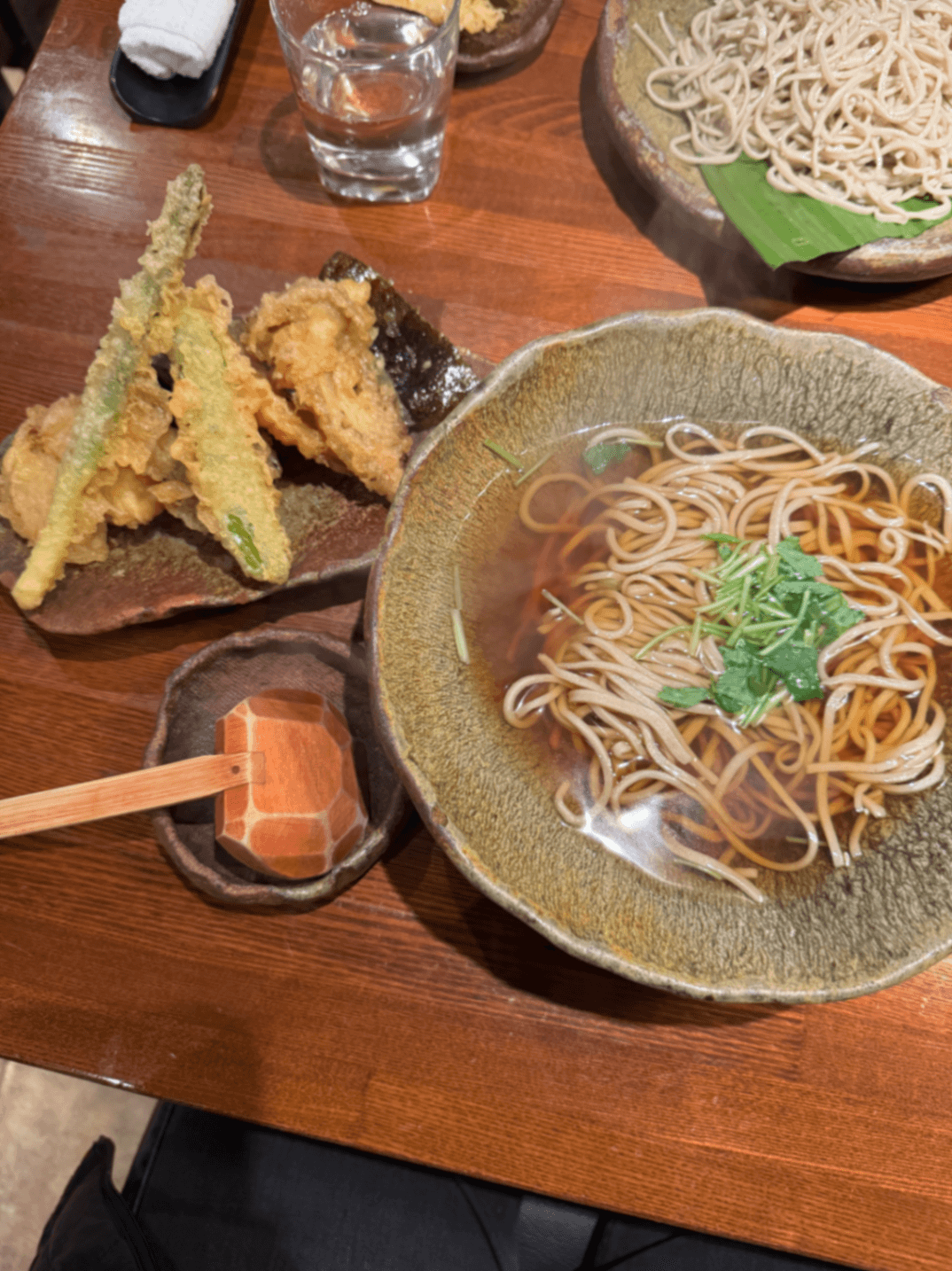
Akari Soba
More places in Kyoto

Rai Rai Tei Uzumasa

Menya Inoichi Hanare

Hōkan-ji