

North Macedonia Travel Guide
North Macedonia on the map
21 places from this guide. Tap a pin to open the listing.
North Macedonia doesn't get the attention Croatia or Greece do, which is part of why it's worth the detour. This North Macedonia travel guide covers the landlocked country tucked between Albania, Kosovo, Serbia, Bulgaria, and Greece, where Ottoman-era bazaars sit a short walk from Communist-era monuments and a 3-million-year-old lake draws swimmers in July. You'll find Byzantine frescoes in hillside churches, Roman ruins you can wander without a crowd, and a capital city, Skopje, that rebuilt itself with an odd mix of neoclassical statues and socialist architecture after a devastating 1963 earthquake.
Most visitors split their time between Skopje and the southwest, anchored by Lake Ohrid, with maybe a detour into the mountains around Mavrovo. It's a country you can cover in a week without rushing, or stretch to two if you want to hike, swim, and actually sit still for a few afternoons.
Overview
Skopje, the capital, is where most trips start. Macedonia Square sits at its center, dominated by a towering equestrian statue that locals will tell you is definitely not supposed to be Alexander the Great (it is, unofficially). From there, The Stone Bridge, a 15th-century Ottoman structure spanning the Vardar River, leads straight into the Old Bazaar, Skopje's oldest and liveliest commercial quarter, full of copper workshops, mosques, and tea houses that have been doing business for centuries. Above the city, Skopje Fortress Kale traces its foundations back to the 6th century, and on clear days the hike or drive up Mountain of Vodno rewards you with a view over the whole Vardar valley, plus the 66-meter Millennium Cross visible for miles.
A couple of hours outside Skopje, day-trip territory opens up fast. Matka Canyon and the reservoir known as Lake Matka are about 17 kilometers from the city center, and the boat ride into Vrelo Cave is one of the more memorable half-days you can build into a Skopje stay. Further south, near the town of Veles, the ruins of Stobi preserve mosaics and basilicas from a city that was already significant under the Macedonian kingdom and later became a Roman and early Christian center.
Then there's Ohrid, roughly three hours southwest of Skopje by road, and for many travelers the actual reason to visit North Macedonia. Lake Ohrid is one of Europe's oldest lakes, estimated at around 3 million years old and plunging to depths near 288 meters, and it's shared a UNESCO World Heritage listing since 1979 for both its natural and cultural value. The old town climbs a hill above the water, and the church of Saint Sophia, with its 11th-century frescoes, anchors a townscape dense with Byzantine-era monuments.
When to Visit
Spring, from March to May, is when the countryside turns genuinely green and wildflowers take over the hills around Galicica. Temperatures are mild, trails are clear, and you'll have places like National Park Galicica, which sits on the ridge between Lake Ohrid and Lake Prespa, largely to yourself.
Summer, June through August, is peak season and the hottest stretch, often pushing into the low-to-mid 30s Celsius in Skopje and the lowland towns. This is lake season. Swimmers and boaters head to Lake Ohrid and Lake Prespa, and Ohrid's old town fills up with visitors, many of them domestic tourists from Skopje and the Balkans rather than international crowds. Book accommodation ahead if you're visiting in July or August.
Fall, September into November, brings cooler air and a lot of color in the forests around Mavrovo and Pelister. It's a good window for wine country trips to the Tikveš region and for visiting historic sites without the summer heat or crowds.
Winter, December through February, turns the mountains into ski country. Mavrovo and Popova Shapka both run lift-served skiing and snowboarding, and Skopje's squares get strung with lights and a modest Christmas market scene. If you're chasing snow rather than lake swims, this is your season.
If you want a single answer: May and September tend to offer the best balance of good weather, open attractions, and manageable crowds.
How to reach the destination
Skopje International Airport is the main gateway, with a range of European connections, including low-cost routes on Wizz Air from cities like Vienna and Cologne. Ohrid has its own smaller airport, St. Paul the Apostle Airport, which picks up seasonal charter and low-cost traffic in summer and can save you the overland transfer if you're headed straight for the lake.
Overland entry is straightforward from every neighboring country. Driving in from Tirana to Ohrid, for example, is a fairly simple border crossing and a scenic couple of hours through the mountains. Buses also run regularly from Belgrade, Sofia, Thessaloniki, and Pristina into Skopje's bus station. If you're renting a car to cross into North Macedonia, confirm your rental company allows cross-border travel, carry an international driving permit if required, and make sure your insurance covers the country before you leave.
Visa rules vary by nationality and do shift over time, so check current requirements for your passport before booking rather than relying on older posts.
Getting around the destination
Buses are the backbone of domestic travel, linking Skopje, Ohrid, Bitola, and smaller towns with generally punctual, inexpensive service. Routes and schedules are easy to check through booking platforms like Omio before you travel.
The national rail operator, Makedonski Zeleznici, runs a limited but functional network connecting Skopje, Veles (near Stobi), Bitola, Ohrid-area stations, and Gevgelija toward the Greek border. Trains are slower than buses on most routes but cheap, and you can usually just turn up and buy a ticket at the station rather than booking ahead.
In cities, taxis are plentiful and cheap by Western European standards, and the app Cammeo works like a local alternative to Uber in Skopje. For flexibility, especially if you want to reach Heraclea on the edge of Bitola, the villages around Galicica, or the Monastery of Saint Naum near the Albanian border, a rental car is the easiest option. Roads are mostly in decent shape, though mountain routes can be narrow and slow in winter.
Top destination travel tips
- North Macedonia is one of the more affordable countries in Europe to travel, so a modest daily budget goes further here than in Western Europe.
- The currency is the Macedonian Denar (MKD). Euros are sometimes accepted in tourist spots, but you'll get a better rate using local ATMs for denar.
- Learn a handful of Macedonian phrases. English is common in Skopje and Ohrid's tourist areas but thins out fast elsewhere.
- Bargaining is expected in parts of the Old Bazaar, Skopje, particularly for copperware and souvenirs, but not in fixed-price shops or cafes.
- At Monastery of Saint Naum, dress modestly, as it's an active religious site, and expect peacocks wandering the grounds, which is part of the charm, not a gimmick for visitors.
- If you're driving into Ohrid in July or August, arrive early to the old town or park on the outskirts and walk in. Parking near Saint Sophia and the Ancient Theatre of Ohrid fills up fast in peak summer.
- Plug type is the European two-pin standard (Type C/F), running on 230V, so bring an adapter if you're coming from outside continental Europe.
- Tipping isn't obligatory but rounding up or leaving 10% at restaurants is appreciated and increasingly expected in tourist-facing spots.
Typical costs in the destination
Prices run on the budget end of the European scale. A casual meal at a local restaurant, think grilled meat, a salad, and bread, will cost noticeably less than the equivalent in Croatia or Greece. A sit-down dinner with wine at a nicer place in Ohrid or Skopje lands in the mid-range tier rather than upscale pricing, even at well-regarded spots.
Accommodation spans the full range, from hostel dorms and budget guesthouses to boutique hotels along Lake Ohrid's waterfront. Summer rates in Ohrid climb noticeably compared to shoulder season, so booking ahead for June through August pays off.
Domestic bus and train travel is cheap enough that cost rarely dictates your itinerary. Museum and site entry fees, including places like Stobi, the Ancient Theatre of Ohrid, and Bay of the Bones Museum, tend to sit in the budget tier, usually just a few hundred denars per ticket. Confirm current entry prices locally since these do shift.
Must try food and drinks
- Tavče Gravče: baked beans slow-cooked with paprika and herbs, often considered the national dish and a staple on nearly every traditional menu.
- Ćevapi: grilled minced-meat rolls served with flatbread, onions, and ajvar, found everywhere from street stalls to sit-down restaurants.
- Ohrid trout: a species found only in Lake Ohrid, grilled or pan-fried simply to let the fish speak for itself. Lakeside places like Kaneo Restaurant & Letna Bavcha and Restaurant Ostrovo serve it with a view of the water.
- Shopska salad: tomatoes, cucumbers, onion, and grated sirenje cheese, a staple starter across the Balkans and a good way to cool off after a hot day.
- Ajvar: a roasted red pepper relish, often homemade, that shows up as a condiment with almost everything.
- Rakija: the regional fruit brandy, typically grape-based here, poured as a welcome drink or a toast rather than sipped slowly.
- Tikveš wine: North Macedonia's main wine region produces reds and whites worth seeking out, particularly Vranec, a local grape variety.
- Baklava: the sweet, syrup-soaked pastry shows up in bakeries across the Old Bazaar and makes a good end to a day of walking.
FAQ
How many days do you need in North Macedonia?
A week is enough to see Skopje, Ohrid, and one or two day trips like Matka Canyon or Stobi without rushing. Ten days to two weeks lets you add Bitola, Heraclea, the Tikveš wine region, or a few extra days simply swimming in Lake Ohrid.
Is North Macedonia expensive?
No, it's one of the more affordable countries in Europe for travelers. Accommodation, food, and transport all cost less than in neighboring Greece or Croatia, though prices in Ohrid rise noticeably during the July and August peak.
Is North Macedonia safe to visit?
Yes, North Macedonia is generally considered safe for travelers, with low rates of violent crime against tourists. Standard precautions apply, like watching your belongings in busy areas like the Old Bazaar and being cautious on mountain roads in winter.
Is English widely spoken in North Macedonia?
English is common in Skopje and Ohrid's tourist areas, among younger people, and in the hospitality industry. Outside these areas, especially in smaller towns and villages, English drops off, so a few Macedonian phrases help.
Do you need a car to get around North Macedonia?
Not strictly, since buses and trains link the main cities reasonably well. A car makes sense if you want to reach places like the Monastery of Saint Naum, National Park Galicica, or rural wine country around Tikveš on your own schedule.
Is Lake Ohrid worth visiting?
Yes, Lake Ohrid is widely considered the highlight of the country and holds UNESCO World Heritage status for both its ecology and the historic town above it. Beyond swimming, you can visit Saint Sophia, Saint Climent of Ohrid, the cliffside church of St. Jovan Kaneo, and the reconstructed prehistoric settlement at Bay of the Bones Museum.
What's the best month to visit North Macedonia?
May and September tend to offer the best combination of warm weather, open attractions, and thinner crowds, which is why this North Macedonia travel guide leans toward shoulder season for most itineraries. July and August are hottest and busiest, especially around Lake Ohrid, while December through February suits travelers headed to Mavrovo or Popova Shapka for skiing.
Top Places to Visit in North Macedonia
View all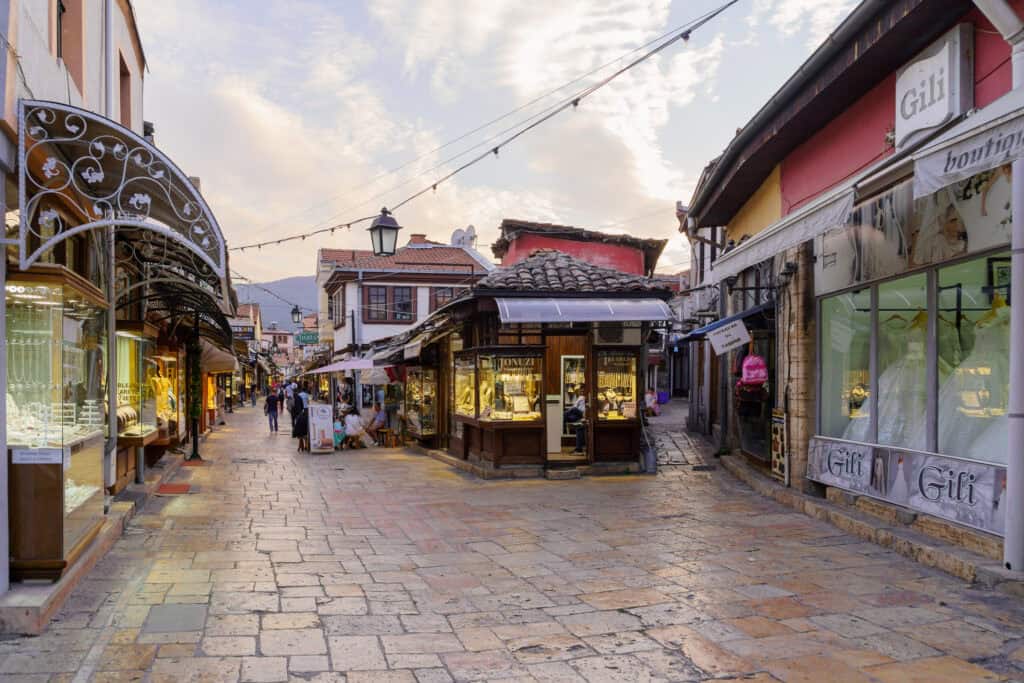 See & Do
 See & Do
Tsar Samuel’s Fortress
 See & Do
 See & Do
 See & Do
 See & Do
 See & Do
Ancient Theatre of Ohrid
 See & Do
Macedonia Square
Top Places to Eat in North Macedonia
View all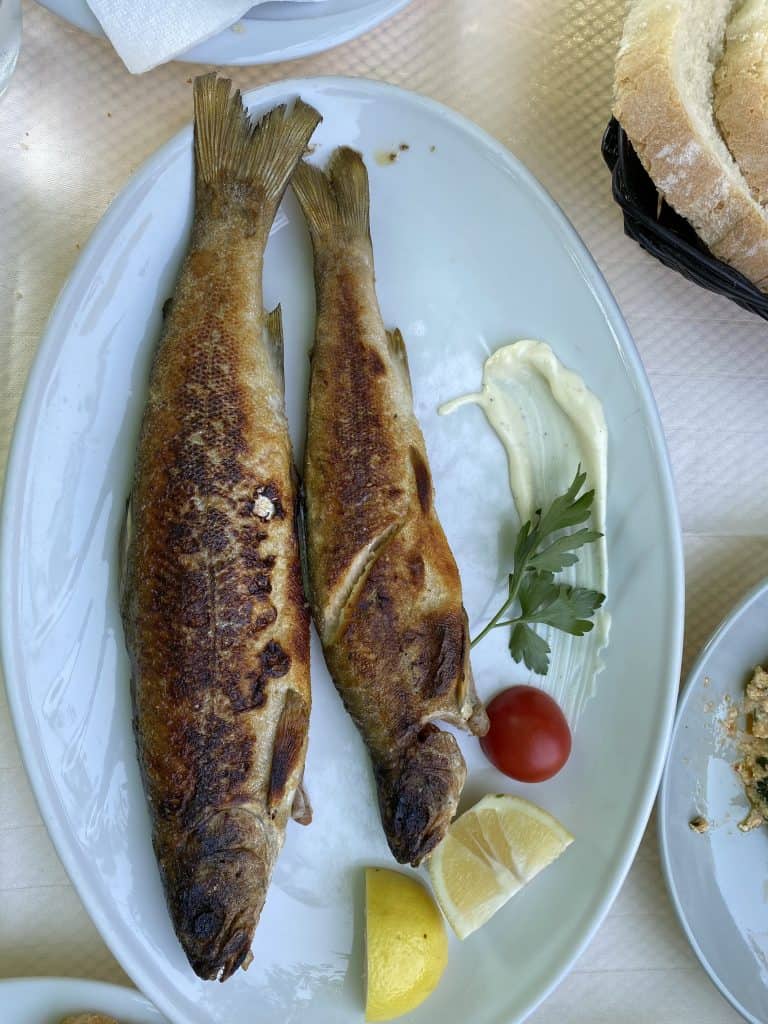 Eat & DrinkModerate · $$
Restaurant Ostrovo
 Eat & DrinkModerate · $$