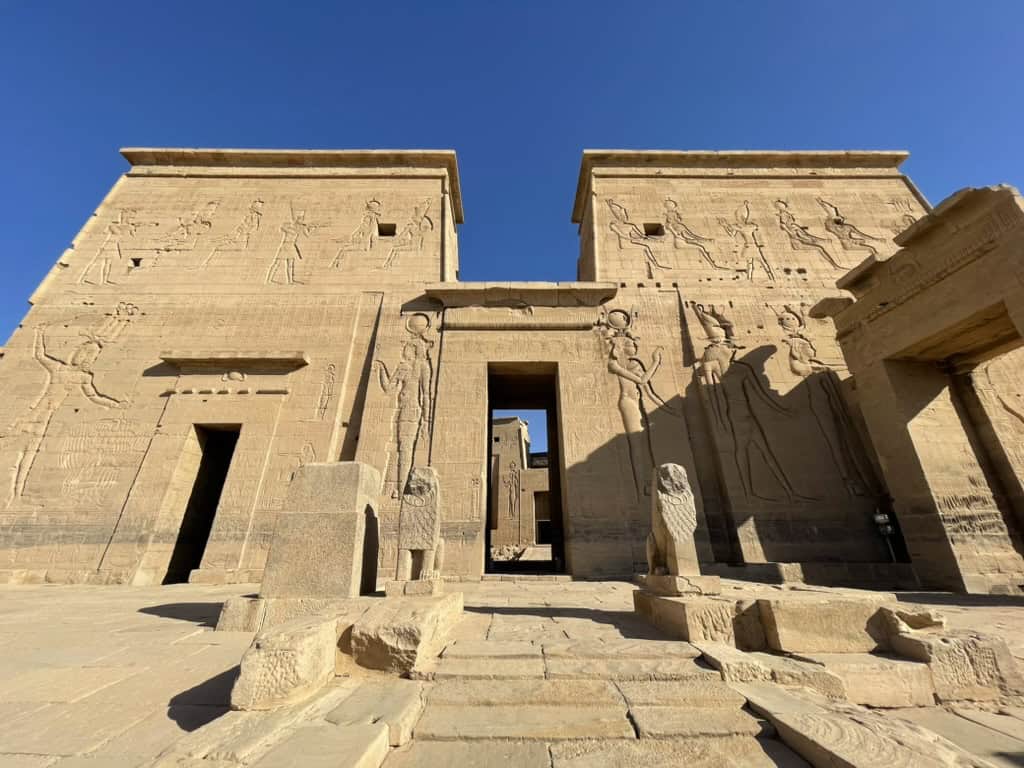
Nubian Museum
Assuan, Sheyakhah Oula, Qism Aswan, Aswan Egypt Posted by Brandon B.Admin
The Nubian Museum in Aswan: A Complete Visitor's Guide
The Nubian Museum sits on a hillside just south of Aswan's town center, overlooking the Nile and the pale granite outcrops that define this stretch of Upper Egypt. Opened in 1997 after more than a decade of planning and construction, it stands as one of the most important cultural institutions in Africa, dedicated entirely to the history, art, and people of ancient and modern Nubia. If you're spending any time in Aswan, this is the one stop that puts everything else into context.
Nubia is a civilization that most visitors know almost nothing about before they arrive. The museum changes that fast.
Why the Nubian Museum Matters
When the Aswan High Dam was completed in 1971, the resulting Lake Nasser swallowed an enormous stretch of the Nile Valley, including dozens of ancient Nubian villages and archaeological sites. UNESCO coordinated one of the largest rescue operations in history, relocating temples like Abu Simbel and Philae and excavating hundreds of sites before the waters rose. The Nubian Museum was built, in large part, to house what was saved and to honor the communities that were displaced.
That backstory gives the collection real weight. You're not looking at objects in a vacuum. You're looking at what remains of a world that no longer physically exists.
Quick Facts
- Location: Abtal al-Tahrir Street, Aswan, near the Basma Hotel and roughly a 15-minute walk from the Corniche
- Opened: 1997
- Designed by Egyptian architect Mahmoud El-Hakim in collaboration with UNESCO
- The building covers around 7,000 square meters of indoor exhibition space, with additional outdoor grounds
- Closed on certain national holidays, so check locally before visiting
- Photography is generally permitted in most areas, though rules for individual galleries can vary
Getting There
From central Aswan, the museum is about a 15-minute walk south along the Corniche, then up a short slope toward the hillside. Taxis and tuk-tuks are plentiful and the ride from the train station or most hotels takes under 10 minutes. If you're coming from Elephantine Island or the West Bank, you'll need to cross by ferry first and then head south along the riverfront road.
There's a parking area near the entrance if you're arriving by car or private vehicle from somewhere like Abu Simbel or Kom Ombo on the same day.
The Layout and Experience
The building itself is worth slowing down for. El-Hakim designed it to echo traditional Nubian architecture, using local sandstone, vaulted ceilings, and geometric decorative patterns that reference both ancient and contemporary Nubian design. It doesn't feel like a generic international museum. It feels like it belongs to the landscape around it.
Inside, the exhibition moves roughly chronologically, beginning with prehistoric Nubia and working through the Kerma culture, the Kingdom of Kush, the Meroitic period, the Christian era, and finally the Islamic and modern periods. The flow is logical and the labeling is in both Arabic and English, which makes self-guided visits very manageable.
The outdoor area deserves as much time as the indoor galleries. A reconstructed Nubian village sits in the garden, and several large monuments and rock carvings are displayed in the open air, including a full cave relocated stone by stone from a site that would have been flooded. On a clear morning, with the Nile visible below and the desert hills across the water, the setting is genuinely striking.
Main Highlights
The Prehistoric and Kerma Galleries
These early rooms establish just how old and sophisticated Nubian civilization was. The Kerma culture, centered near modern-day Sudan, was producing monumental architecture and fine ceramics well before Egypt's New Kingdom period. The objects here, including pottery, jewelry, and burial goods, tend to surprise visitors who assumed Nubia was always secondary to pharaonic Egypt. It wasn't.
The Kush and Meroitic Collections
Nubia was not always a subject of Egypt. The 25th Dynasty saw Nubian pharaohs rule all of Egypt, a period that lasted roughly from around 747 BC to 656 BC. The museum's collection from this era includes royal statuary, ushabtis, and relief carvings that show the visual language of Kush and Egypt blending in interesting ways. The Meroitic section, covering the later kingdom centered further south in Sudan, introduces a script that has still only been partially decoded.
The Rescued Artifacts Room
A dedicated gallery focuses specifically on objects recovered during the UNESCO salvage campaigns of the 1960s. Seeing these pieces alongside explanations of where they came from and what was lost adds a layer of urgency to the visit that you won't find in most archaeological museums.
The Outdoor Cave and Garden
The relocated rock-cut cave in the garden is one of the most unusual things you'll encounter in any Egyptian museum. Walking through a structure that was physically dismantled and reassembled to save it from Lake Nasser is a different experience from reading about the dam's impact in a caption. Spend time here.
Tickets and Entry
Entry requires a general admission ticket, which is purchased at the main gate. There are separate pricing tiers for foreign visitors and Egyptian nationals, which is standard practice across Egyptian state museums. Student discounts are typically available with a valid student ID. Guided tours can be arranged through the museum or through local tour operators in Aswan, and they're worth considering if you want deeper context on the Meroitic script or the UNESCO rescue operation specifically.
Best Time to Visit
Morning visits, ideally before 10am, give you cooler temperatures and smaller crowds. Aswan runs hot for most of the year, and the walk up from the Corniche is exposed. The outdoor sections of the museum are especially pleasant in the cooler months between October and February.
Avoid visiting on days when large cruise groups are in port, which tends to be mid-morning on days when Nile cruises are docked at the Aswan waterfront. If the main gallery feels crowded, start with the garden instead and work backward.
Photography Tips
The outdoor garden and reconstructed village photograph well in early morning light, when the low sun catches the sandstone textures and the Nile is visible in the background. Inside, lighting varies by gallery. Some rooms have good overhead lighting on the objects, others are dim for conservation reasons. A phone with a capable low-light camera handles the indoor spaces reasonably well.
The cave relocation is one of the more photogenic spots in the whole complex, especially looking back toward the entrance with the rock walls framing the view.
Combining with Nearby Attractions
The museum pairs naturally with a visit to Philae Temple, which is itself a rescued monument, now sitting on Agilkia Island a short boat ride south of Aswan. Seeing Philae after the museum gives you a direct example of what the UNESCO campaign actually preserved. The two sites together make a full and coherent half-day.
The Aswan Botanical Garden on Kitchener's Island and the ruins of Abu (Elephantine Island) are also close by and accessible by local felucca. If you want to combine the museum with something more relaxed, a late afternoon felucca ride after your visit is an easy way to end the day on the water.
Practical Tips
- Wear comfortable shoes. The outdoor grounds involve uneven stone paths and some gentle slopes.
- Bring water. There are limited refreshments on site, and Aswan is genuinely hot for most of the year.
- Allow at least two hours for a thorough visit. Three hours if you want to read the labels carefully and spend time in the garden.
- The English-language labeling is generally good, but a guidebook or a local guide adds significant depth to the Meroitic and Kerma sections specifically.
- If you're visiting as part of a Nile cruise itinerary, confirm your group's allotted time before you arrive. Cruise schedules often give less time here than the museum deserves.
- Mornings tend to be quieter than afternoons. Aim for opening time if you want the garden to yourself.
FAQ
Is the Nubian Museum suitable for children?
Yes. The outdoor reconstructed village and the cave in particular tend to hold kids' attention well. The galleries have enough visual variety, including large statues and jewelry displays, that younger visitors stay engaged more than in some purely text-heavy museums.
How long should I plan to spend?
Two to three hours covers the museum thoroughly. If you're pressed for time, prioritize the Kush galleries and the outdoor garden over the later Islamic and modern sections.
Is the Nubian Museum accessible for visitors with mobility needs?
The main indoor galleries are largely accessible, though some of the outdoor paths and the garden areas involve uneven surfaces. It's worth calling ahead or asking at the entrance about current conditions.
Can I visit independently, or do I need a guide?
Independent visits work well thanks to the bilingual labeling. That said, a guide who specializes in Nubian history adds real value, particularly for the Meroitic script exhibits and the story behind the UNESCO salvage campaigns.
Is the Nubian Museum worth visiting if I've already been to the Egyptian Museum in Cairo?
Completely different experience. The Cairo museum focuses on pharaonic Egypt. The Nubian Museum covers a separate civilization with its own kings, scripts, and aesthetic traditions. They complement each other rather than overlap.
Reviews
Sign in and mark this place visited to leave a review.
No reviews yet.
Free Trip Planner
Plan your Aswan trip with our free planner
Build a day-by-day itinerary with AI suggestions, hand-picked places, and friends. Free forever — no credit card.