
Oaxaca on the map
29 places from this guide. Tap a pin to open the listing.
Oaxaca is a city in southern Mexico that rewards slow travel. You come for the food, you stay for the mezcal, and you leave thinking about the light on the green cantera stone of its colonial buildings. This Oaxaca travel guide pulls together what we've found across nearly thirty places we've covered in the city and the valley around it, from the markets where cooks have sold the same recipes for generations to the ruins on the hill above town. Oaxaca de Juárez, to use its full name, sits in a highland valley at around 1,550 meters, which keeps the climate mild most of the year and gives the city a different feel from the coastal resorts most visitors associate with Mexico.
The historic center is compact enough to walk in a day but deep enough that most travelers end up staying three to five days without running out of things to do. Beyond the city, the state of Oaxaca has some of the most distinct indigenous cultures in Mexico, Zapotec and Mixtec communities whose textiles, pottery, and mezcal production you'll encounter constantly even if you never make it out to the villages themselves.
Overview
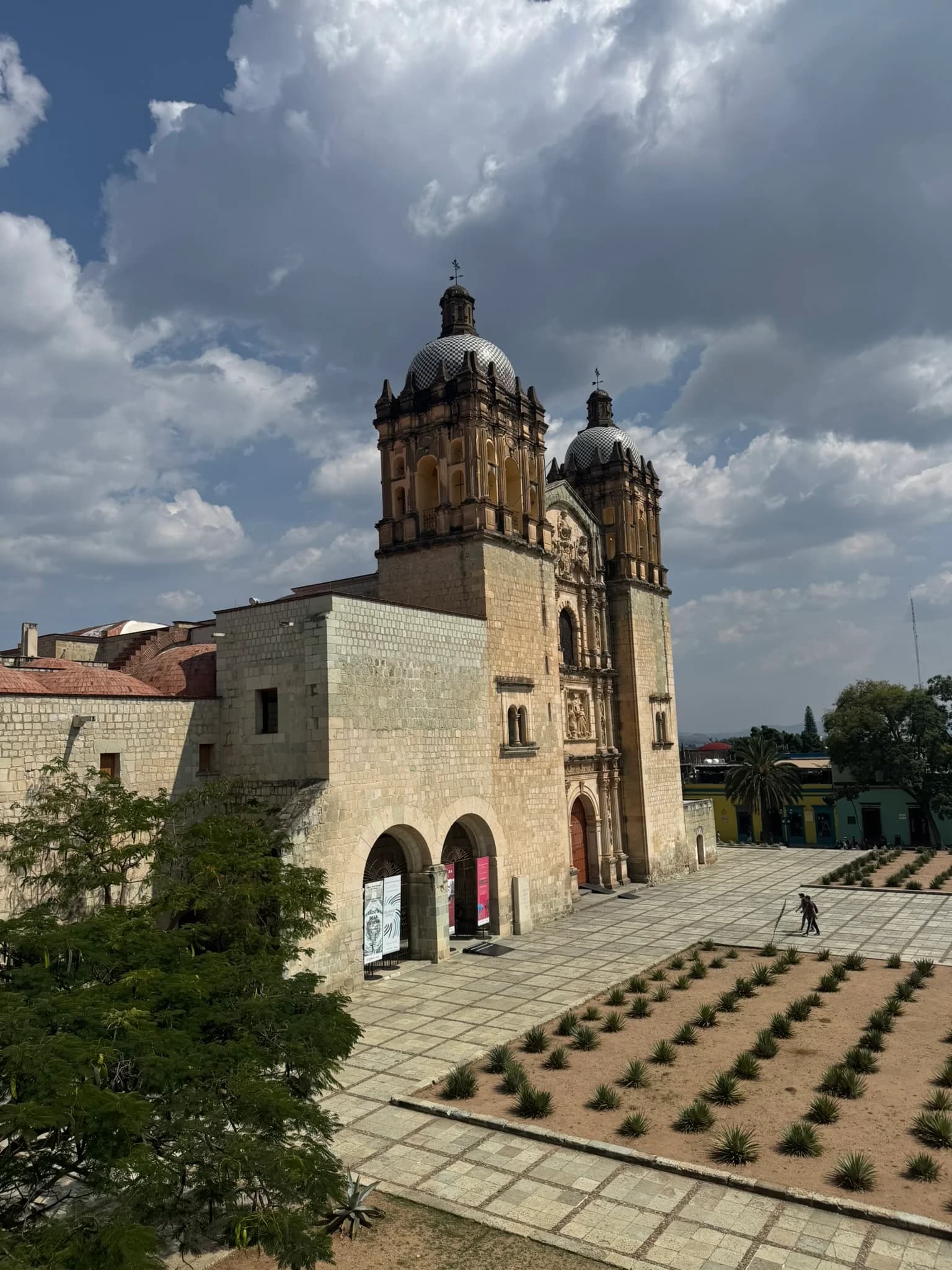
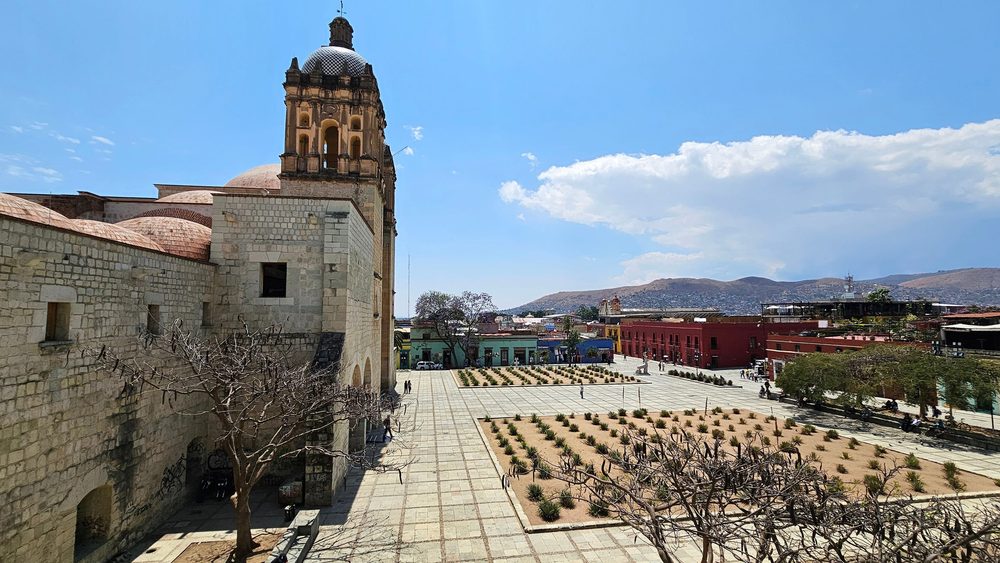
Oaxaca's center is built around the Zocalo, the main square that anchors almost everything described in this guide. From there it's a short walk to the Templo de Santo Domingo de Guzmán, a 16th-century church whose gold-leaf interior is one of the more striking church interiors in Mexico, and to the Catedral Metropolitana de Oaxaca Nuestra Señora de la Asunción, the city's cathedral facing the main square itself.
The city works on a rhythm of markets, mezcal bars, and long lunches. Mercado Benito Juarez and Mercado 20 de Noviembre, both a few blocks from the Zocalo, are where you eat as much as where you shop, with grill stalls, chocolate vendors, and women selling tlayudas from woodfire comals. For a larger, more working-class market experience, Central de Abastos de Oaxaca spreads out on the edge of downtown and is less set up for tourists, which is part of its appeal if you want to see how the city actually shops.
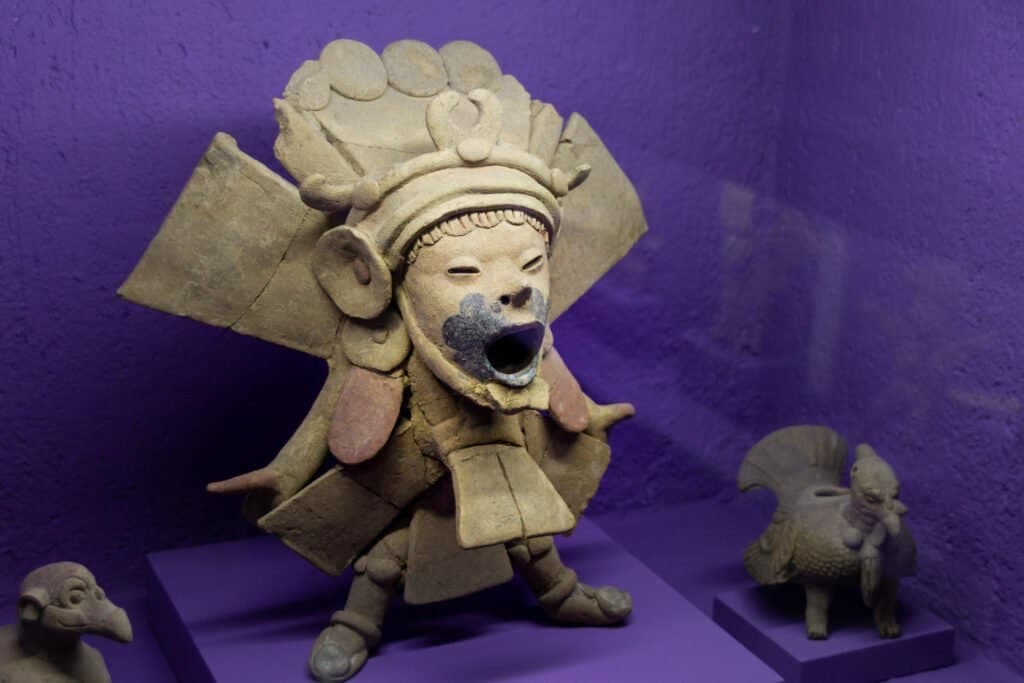
Culture here isn't confined to churches. The Museum of Contemporary Art and Oaxaca Cultures and the Museo de las Culturas de Oaxaca, housed in the old Santo Domingo convent, cover ground from pre-Hispanic artifacts to contemporary Oaxacan art, while the Museo Textil de Oaxaca focuses specifically on the weaving traditions that define much of the state's visual identity. The Museo de Arte Prehispanico de Mexico, known locally as the Museo Rufino Tamayo, holds a smaller but well-curated collection the painter Tamayo donated to his home state.
When to Visit
Oaxaca's dry season runs roughly from November through April, and this is when most travelers come. Days are warm, nights are cool, and you'll rarely need more than a light jacket. The rainy season, from about May to October, brings afternoon downpours more than all-day washouts, and the surrounding hills turn a deep green that's worth seeing if you don't mind packing an umbrella.
The single busiest stretch of the year is late October into early November, around Día de los Muertos. Hotels fill up months in advance and prices climb accordingly, but the city during this week, with altars in nearly every home and comparsas parading through the streets at night, is genuinely one of the more memorable things you can experience in Mexico. December also gets busy around the Noche de Rábanos on December 23rd and the lead-up to Christmas. If you want the energy of a festival without the peak crowds, July's Guelaguetza, a region-wide celebration of indigenous dance and music, is worth timing a trip around.
Shoulder months like February, March, and September tend to offer the best balance of good weather and manageable crowds.
Where to stay
Centro, the historic core around the Zocalo, is where most first-time visitors base themselves, and for good reason. You're walking distance from Santo Domingo, the main markets, and most of the restaurants worth seeking out. Hotel Trébol sits in this area and is a reasonable example of the small, colonial-building hotels common here, with interior courtyards and rooms built around what used to be private homes.
Jalatlaco, a quieter neighborhood east of the center, has narrower cobblestone streets, a village-like church square, and fewer tour groups, making it a good pick if you've already done a trip to Oaxaca and want something calmer. Xochimilco, northwest of the center, has a similar low-key, residential character with some good small eateries tucked into its grid.
If you're staying more than a few days, consider splitting time, Centro for convenience early on, then a night or two in Jalatlaco to slow down before you leave.
How to reach the destination
Oaxaca International Airport, officially Aeropuerto Internacional Xoxocotlán, sits about 20 minutes south of the city center and handles direct flights from Mexico City, several US cities, and seasonal connections elsewhere. For most international travelers, connecting through Mexico City is the simplest route in.
Overland, first-class bus lines connect Oaxaca to Mexico City (around a 6 to 7 hour ride), Puebla, and the coastal towns of Huatulco and Puerto Escondido. The mountain roads to the coast are scenic but winding, so budget extra time and consider motion sickness medication if you're prone to it. The main bus terminal, known as ADO, is a short taxi ride from the center.
Visa requirements for Mexico vary by nationality and change from time to time, so check current rules for your passport before booking rather than relying on what was true a year or two ago.
Getting around the destination
Central Oaxaca is walkable, and you'll likely do most of your sightseeing on foot, including the Andador de Macedonia de Alcala, the pedestrian street that runs from Santo Domingo down toward the Zocalo and is lined with galleries, mezcalerías, and ice cream shops, including Nieves El Niagara, known for its unusual flavor combinations like beer or tuna cactus fruit.
For anything outside the center, taxis are cheap and plentiful, and ride-hailing apps work in the city, though coverage can be patchy compared to Mexico City. Colectivos, shared vans that run fixed routes, are the local way to reach outlying areas and archaeological sites cheaply, though they require some patience and basic Spanish to navigate.
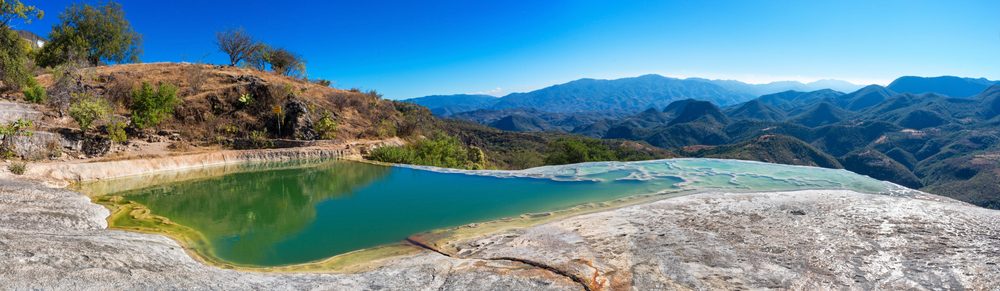
To reach Monte Albán, the archaeological site on the hill above the city, most visitors take a shuttle, organized tour, or taxi, since public transit options are limited. Hierve el Agua, the mineral spring formations a couple of hours east of the city, is usually visited by colectivo from the Xoxocotlán roundabout or as part of a day tour that often bundles in a mezcal distillery stop along the way.
Renting a car makes sense mainly if you're planning to explore the coast or more remote villages independently. Within the city itself, a car is more hassle than it's worth given narrow one-way streets and limited parking.
Top destination travel tips
- Learn a little Spanish before you go. English is spoken in tourist-facing restaurants and hotels but drops off quickly once you're in the markets or outside the center.
- Altitude catches people off guard. At over 1,500 meters, you may feel short of breath on hills or after a few mezcals faster than expected. Hydrate more than usual.
- Carry small bills and coins. Market vendors and taxi drivers often can't break large notes.
- Mezcal tastings at bars like Mezcal Tobalá or Sabina Sabe are a better way to learn about the spirit than buying a bottle blind from a shop window. Ask questions, the staff generally like explaining the difference between espadín and wild agave varieties.
- Book accommodation well ahead for Día de los Muertos and Guelaguetza. Rooms that are easy to find in March can sell out for late October within weeks of being listed.
- Sunday is market day in many surrounding villages, including Tlacolula, which is worth combining with a mezcal distillery visit if you're renting a car or joining a tour.
- Tipping of around 10 to 15 percent is standard in sit-down restaurants, less expected at market stalls.
Typical costs in the destination
Mexico's currency is the Mexican peso (MXN). Oaxaca is inexpensive by North American or European standards, though prices in the historic center have crept up as tourism has grown.
- Street food and market meals, like a plate from Mercado 20 de Noviembre, are budget-friendly, often less than a sit-down restaurant breakfast.
- Mid-range restaurants, including places like Brío Cocina Local or Origen, fall into a moderate price tier, roughly comparable to a casual dinner out in a mid-size US city.
- Upscale dining, such as Casa Oaxaca el Restaurante or Alfonsina, runs higher, closer to fine dining pricing, especially with a tasting menu and mezcal pairings.
- Accommodation ranges widely, from budget hostels to boutique hotels in restored colonial buildings, with the latter costing several times more per night.
- Taxis within the city are cheap for short hops, and colectivos to outlying sites cost a fraction of a private tour.
- Museum entry fees are generally low, often just a few dollars' equivalent, and some, like certain state-run museums, offer free admission on specific days, though you should confirm current policy locally.
Must try food and drinks
- Tlayudas: a large, thin, crisped tortilla topped with beans, cheese, and your choice of meat, often folded in half and grilled, sold throughout the markets and at dedicated tlayuda stands in the evening.
- Mole negro: Oaxaca is sometimes called the land of the seven moles, and the dark, complex mole negro, built from chiles, chocolate, and a long list of spices, is the one most associated with the state.
- Tasajo and cecina: thin cuts of grilled beef and chile-marinated pork, a market-grill staple best eaten standing at a comal inside Mercado 20 de Noviembre.
- Lechón: roast suckling pig, with Lechoncito de Oro a specific spot known for it.
- Chapulines: toasted grasshoppers seasoned with chile and lime, sold by the bagful in every market and less intimidating than they sound.
- Chocolate de agua: Oaxacan hot chocolate made with water rather than milk, often from chocolate ground to order at mills like Mayordomo near the Zocalo.
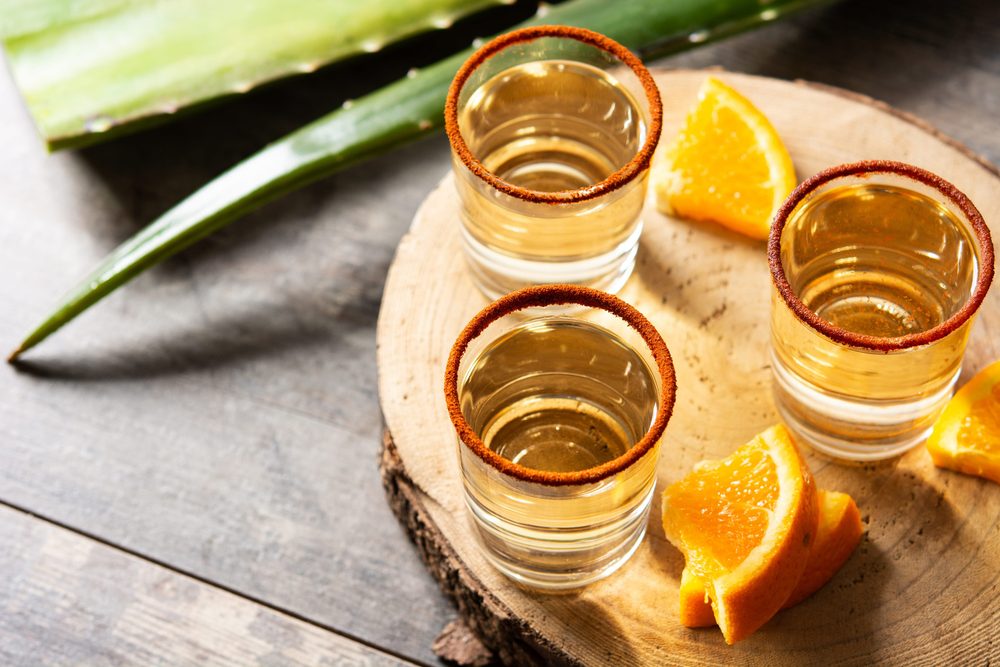
- Mezcal: the defining drink of the state, made from various agave species beyond the blue agave used for tequila. A tasting at a bar like Mezcal Tobalá or Sabina Sabe will walk you through the difference between espadín, tobalá, and other varietals.
- Nieves: Oaxacan-style ice creams and sorbets in unusual flavors, with Nieves El Niagara a well-known spot for trying them.
FAQ
How many days do you need in Oaxaca?
Three full days covers the city center, including Santo Domingo, the markets, and a mezcal bar or two, but five days lets you add a day trip to Monte Albán and another to Hierve el Agua or a mezcal village like Santiago Matatlán without feeling rushed.
Is Oaxaca safe for travelers?
Oaxaca's tourist areas are generally considered safe, with most visitors experiencing no issues beyond normal city precautions like watching your bag in markets. As with anywhere, check current travel advisories for the wider state before planning trips outside the city, since conditions can vary by region.
Do you need a car in Oaxaca?
No, the city center is walkable and taxis handle most other trips cheaply. A car becomes useful mainly if you want to explore mezcal villages or the coast independently, but colectivos and organized tours cover the popular day trips without one.
What is Oaxaca known for?
Oaxaca is best known for its food, particularly mole and tlayudas, and for mezcal production, along with a strong indigenous Zapotec and Mixtec cultural presence visible in textiles, markets, and festivals like the Guelaguetza.
Is Monte Albán worth visiting?
Yes, the Zona Arqueologica de Monte Alban is one of the most significant archaeological sites in Mexico, a Zapotec capital built on a leveled mountaintop with wide views over the valley, and it's a manageable half-day trip from the city center.
When is the best time to visit Oaxaca?
November through April offers the most reliable weather, though late October into early November around Día de los Muertos is the most atmospheric, if also the most crowded and expensive, time to go. Confirm specific festival dates before booking, since they shift slightly year to year.
What should first-time visitors know before planning an Oaxaca travel guide itinerary?
Center your days around the markets and Santo Domingo area, build in at least one day trip, and don't over-schedule, since a lot of Oaxaca's appeal is in slow lunches and wandering rather than checklist sightseeing. This Oaxaca travel guide is a starting point, but leave room to follow a smell of mole or a mezcal recommendation from a bartender.
Top Places to Visit in Oaxaca
View all See & Do
Andador de Macedonia de Alacala
 See & Do
Catedral Metropolitana de Oaxaca Nuestra Señora de la Asunción
 See & Do
Museo de las Culturas de Oaxaca
 See & Do
Andador de Macedonia Alcala
 See & DoBudget · $
Museum of Contemporary Art and Oaxaca Cultures
See & DoTemplo de Santo Domingo de Guzmán
 See & Do
Museo de Arte Prehispanico de Mexico (Museo Rufino Tamayo)
 See & Do
Mercado 20 de Noviembre
Top Places to Eat in Oaxaca
View all Eat & DrinkModerate · $$
Brío Cocina Local
 Eat & DrinkModerate · $$
Mayordomo
 Eat & DrinkBudget · $
Nieves El Niagara
 Eat & DrinkExpensive · $$$
Casa Oaxaca el Restaurante
 Eat & Drink
CRUDO
 Eat & DrinkBudget · $
Lechoncito de Oro
 Eat & Drink
Central de Abastos de Oaxaca
 Eat & Drink