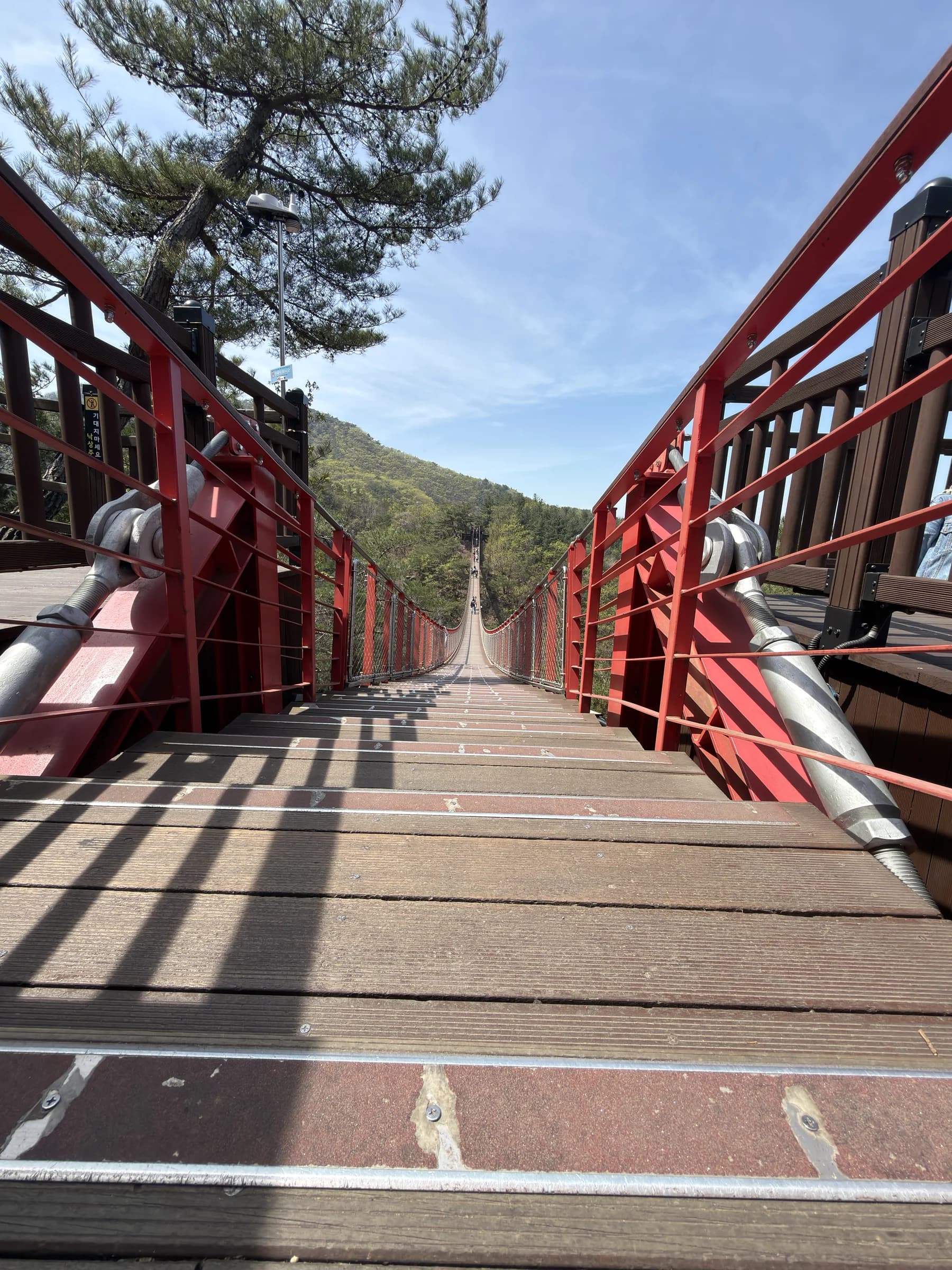
Paju Imjingak Peace Gondola
Open now
Paju Imjingak Peace Gondola
148-73 Imjingak-ro, Munsan-eup, Paju-si, Gyeonggi-do, South KoreaOverview
The Paju Imjingak Peace Gondola rises above one of the world's most heavily militarized borders. Located in Paju, a city in Gyeonggi Province about 50 kilometers north of Seoul, this cable car system offers visitors an aerial perspective of the Imjin River valley and the Korean Demilitarized Zone. The gondola carries you 70 meters above the landscape, providing a rare vantage point from which to contemplate the geography that has divided a peninsula for over seven decades.
This is not a typical amusement ride. The experience carries weight. You're suspended above terrain that remains politically charged and historically significant. The journey takes roughly 10 minutes one way, and on clear days, the views extend across the river toward the border fence and watchtowers in the distance.
Why this place matters
The Imjingak area itself has been a focal point for Korean division tourism since the 1970s. The Peace Gondola, added to the site in 2014, transformed how visitors could engage with the landscape. Rather than viewing the border from a fixed observation deck, you move through space above it. The perspective shift is subtle but meaningful.
For many Korean visitors, particularly those from Seoul, the gondola offers a way to approach the DMZ without the formal military tour structure. For international travelers, it provides context for understanding the peninsula's ongoing division without requiring a guided military tour operator.
Quick facts
- Operating since 2014
- Cable car capacity of 8 people per cabin
- Elevation gain of approximately 70 meters
- One-way ride duration is roughly 10 minutes
- Located at 148-73 Imjingak-ro, Munsan-eup, Paju
- Operates year-round, weather permitting
- Part of the larger Imjingak Peace Observatory complex
Getting there
By car from Seoul, you'll drive north through Paju for about 50 kilometers. If you're using public transit, take the Seoul subway line 3 to Dora Station, then transfer to a local bus heading toward Imjingak. The journey from central Seoul takes roughly 90 minutes depending on traffic and connections.
If you're already visiting the Demilitarized Zone on an organized tour, ask your tour operator whether Imjingak is included in your itinerary. Some DMZ tours incorporate the Peace Gondola, though many focus on Panmunjom or other facilities.
The site sits on the east bank of the Imjin River. Parking is available at the base station. The gondola terminal is clearly signposted within the Imjingak complex.
The layout and experience
The Imjingak complex spreads across several hectares. The Peace Gondola occupies the central attraction space. You'll find the base station at ground level, where you board individual cabins. The journey ascends the ridge to a upper station, then returns. The cable car system operates continuously throughout operating hours.
The cabins themselves are enclosed and relatively spacious. Eight people fit comfortably. Windows wrap around the cabin, providing 360-degree views as you rise. The pace is slow enough to observe the landscape below without vertigo overwhelming the experience.
Below the gondola, you'll see the river, agricultural fields, and the access roads that define the border zone. On clear days, the distant ridgeline and watchtower silhouettes appear on the northern bank. The vegetation changes seasonally, shifting from winter's browns through spring greens to autumn's golds.
Main highlights
The primary appeal is the aerial view itself. You're looking at terrain that few outsiders see from this angle. The Imjin River, which forms a natural boundary, winds through the valley below. The contrast between the managed agricultural land on the south side and the less-developed landscape across the border is often visible from above.
On the upper station side, there's a small observation area where you can stand and survey the landscape after disembarking. This spot tends to be quieter than the base station and offers a moment to process what you've seen.
The Imjingak Peace Observatory, adjacent to the gondola, houses exhibits about the division and reunification efforts. This complements the gondola experience by providing historical and political context. Many visitors spend an hour or two at the broader complex after their ride.
History and background
The Imjingak area emerged as a tourist destination in the 1970s when South Korea began opening border areas to civilian visitors. The name itself carries symbolic weight: Imjingak means "Imjin pavilion," referencing the river and the historical crossing point. For decades, visitors came to peer across the river at the North through fixed telescopes and observation decks.
The Peace Gondola represented a modernization of that experience. Rather than looking outward from a static platform, the cable car system allowed visitors to move through the airspace above the border zone. The design choice reflected a shift in how the South Korean government approached DMZ tourism: less confrontational observation, more contemplative perspective.
The gondola opened in 2014, a period when South Korean tourism infrastructure in the border region was expanding. It was built with safety considerations specific to the security environment, including protocols for weather-related closures and coordination with military authorities.
Tickets and entry
Entry to the gondola requires a separate ticket from general admission to the Imjingak complex. Tickets are purchased at the base station. The gondola operates on a round-trip basis, though you can also purchase one-way tickets if you prefer to descend on foot or via alternative routes.
Pricing sits in the budget to mid-range tier. Children under a certain age typically receive discounts or ride free. Groups may qualify for reduced rates. Check at the ticket booth for current pricing and any group discounts applicable to your party size.
No reservation system exists for the gondola. You board in order of arrival. During peak seasons (late spring through early autumn), wait times can extend 30 to 45 minutes on weekends. Weekday mornings tend to be less crowded.
Best time to visit
Spring (April through May) offers clear skies and fresh vegetation. The river landscape is particularly green, and visibility across the border tends to be good. Fall (September through October) brings similar clarity with added color as leaves change. Winter can be beautiful if you catch a clear day, though overcast conditions are common and reduce visibility significantly.
Summer (June through August) brings higher temperatures and occasional haze, which can reduce the viewing distance. The gondola operates during these months, but the atmospheric conditions mean you may not see as far across the valley.
Weather closures happen. If wind speeds exceed safe operating thresholds, the gondola shuts down temporarily. Rain alone doesn't usually trigger closure, but heavy wind or lightning does. Check conditions before making the drive if you're coming from Seoul specifically for the gondola experience.
Weekday visits tend to be quieter than weekends. If you prefer a less crowded experience, aim for a Tuesday or Wednesday morning.
Photography tips
Bring a camera capable of shooting through glass. The cabin windows are clear but reflective depending on light angle and time of day. Polarizing filters help reduce glare. Position yourself on the side of the cabin facing north for the best views of the border landscape.
The ride up offers better light than the descent in most cases, as the sun typically illuminates the north-facing slopes during morning and midday hours. If you're visiting in afternoon, the shadows may obscure details across the river.
The upper station observation area provides stationary shooting opportunities. Use these moments to capture panoramic views without the motion of the cabin. Early morning light tends to be clearest, particularly in spring and fall.
Facilities and preparation
The base station has a small café and restroom facilities. The Imjingak complex includes additional dining options and shops. Bring water, particularly in warm months. The gondola itself has no facilities during the ride.
The upper station is open-air. If you plan to linger there for photography or observation, dress appropriately for wind and temperature. The elevation gain means it's typically 2 to 3 degrees Celsius cooler at the upper platform than at ground level.
Comfortable walking shoes are recommended, especially if you plan to explore the broader Imjingak complex before or after your gondola ride. The terrain around the base station is flat, but the upper station area has some uneven ground.
Combining with nearby attractions
The Imjingak Peace Observatory is your primary companion site. Budget 45 minutes to an hour to explore the exhibits and learn the historical context. The observatory's materials provide important background for understanding what you see from the gondola.
The Imjingak complex also includes a small peace museum and several restaurants. You can easily spend a half day at the entire site without feeling rushed.
If you're interested in more formal DMZ experiences, the area is also home to other border observation points and museums. These require separate trips or specialized tours, but they're within the same general region.
Sample visit plan
Arrive early in the morning if possible, particularly on weekends. This minimizes wait times and provides the clearest light. Start with the gondola ride itself. Spend 10 minutes ascending, 10 minutes descending. Allow an additional 15 to 20 minutes for observation at the upper station if conditions permit.
After descending, visit the Imjingak Peace Observatory. Allocate 45 minutes to an hour for the exhibits and information displays. Grab lunch or coffee at one of the on-site cafés if you're staying longer.
Total time commitment: 2 to 3 hours for the full Imjingak experience, including the gondola, observatory, and a meal. If you're traveling from Seoul, add 90 minutes each way for transportation.
Practical tips
- Visit on a clear day if possible. Haze significantly reduces views across the valley and border.
- Bring layers. The upper station is exposed and windy, even on mild days at ground level.
- Arrive before 11 AM on weekends to avoid peak crowds and secure better wait times.
- The gondola operates year-round but closes temporarily during high winds or severe weather. Call ahead during questionable conditions.
- Combine your visit with the Imjingak Peace Observatory for full context about the border region's history.
- Photography through the cabin windows is permitted. Bring a camera if you want to capture specific angles or lighting conditions.
- Restrooms are available at the base station. Use them before boarding if you prefer not to return to ground level immediately after your ride.
FAQ
How long is the gondola ride? The journey takes approximately 10 minutes each way. Total time from boarding to returning to the base station is roughly 25 to 30 minutes, depending on loading procedures.
Is the gondola safe? Yes. The system operates under South Korean safety standards and has been in operation since 2014 without major incidents. Maintenance is regular and inspections are frequent.
Can you see North Korea from the gondola? You can see the landscape across the Imjin River, including the border fence, watchtowers, and terrain on the northern side. You cannot see cities or detailed structures from this distance. The view is of the landscape itself, not populated areas.
Do I need a passport or special permission to visit? No. The Imjingak area is open to civilians without special permits. Unlike Panmunjom, which requires a guided tour and formal permission, the Peace Gondola is a standard tourist attraction.
What happens if it's windy or rainy? Rain alone doesn't close the gondola. High winds or lightning trigger temporary closures for safety. Check operating status before your visit if weather is questionable.
Opening hours
Reviews
Sign in and mark this place visited to leave a review.
No reviews yet.
Free Trip Planner
Plan your Paju-si trip with our free planner
Build a day-by-day itinerary with AI suggestions, hand-picked places, and friends. Free forever — no credit card.
Things to see near Paju Imjingak Peace Gondola

Gangnam District

COEX Starfield Library

Lotte World Tower & Seoul Sky

Bongeunsa Temple
Places to eat or drink near Paju Imjingak Peace Gondola
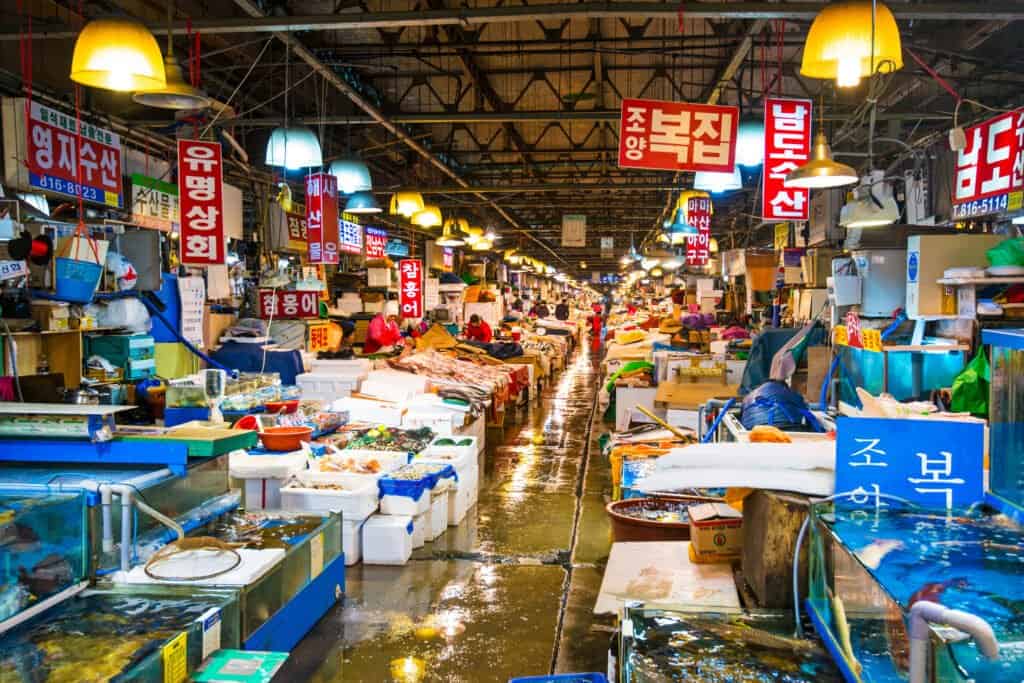
Noryangjin Fisheries Wholesale Market

Gebangsikdang
Gaon

Mingles
More places in Paju-si

The Third Tunnel

Tong-Ilchon

Dora Observatory