
Palacio La Moneda
Moneda, Santiago, Santiago Metropolitan Region, Chile Posted by Brandon B.Admin
Palacio La Moneda: Santiago's Living Seat of Power
Palacio La Moneda sits at the geographic and political center of Santiago, occupying an entire city block along Calle Moneda in the civic district. It is Chile's presidential palace and the seat of the national government, which makes it one of the few working government buildings in Latin America that opens its doors to the public at all. If you're spending any serious time in Santiago, this is the place that ties the city's modern history together.
The building carries weight. Not in an abstract, textbook way, but in the physical sense of thick neoclassical stone walls and a courtyard that feels almost too quiet for something so politically charged. You don't need to know Chilean history to feel it when you walk through.
Why Palacio La Moneda Matters
On September 11, 1973, the palace was bombed during the military coup that ended Salvador Allende's presidency. The building sustained serious damage, and Allende died inside. For many Chileans, La Moneda is not just an administrative building. It is a site of national trauma, democratic resilience, and eventually, reconstruction. The palace was reopened in 1981 after years of restoration work under the Pinochet government, and its public spaces were gradually expanded in the years following Chile's return to democracy.
That history makes the building unusual. It functions simultaneously as a working office of the presidency and as a place where ordinary visitors can walk through the same courtyards that have witnessed moments defining the country's last fifty years.
Quick Facts
- Address: Plaza de la Constitución, Calle Moneda, Santiago Centro
- Type: Presidential palace and government seat, open for free public visits
- Free general admission to the courtyards and guided tours (when available)
- Security screening required at all entrances
- The changing of the guard ceremony takes place on alternating days
- The Centro Cultural La Moneda, a separate arts space, is located directly beneath the Plaza de la Constitución
- Nearest Metro station: La Moneda (Line 1), about a 2-minute walk
Getting There
The easiest approach is by Metro. Line 1 stops directly at La Moneda station, and when you exit toward Plaza de la Constitución, the north facade of the palace is right in front of you. The plaza itself is large and open, so you get the full frontal view as you walk up.
If you're coming from the Lastarria neighborhood or the Bellas Artes area, it's roughly a 15-minute walk west along Alameda or through the pedestrian streets of the city center. The surrounding civic district also includes the Palacio de los Tribunales de Justicia and several government ministries, so the whole area rewards slow walking.
The Layout and Experience
La Moneda was originally built as the colonial mint, which is where the name comes from. "Moneda" means coin. Construction finished in 1805, and the building served its original purpose for several decades before becoming the presidential residence in 1846. The architect was Joaquín Toesca, an Italian who also designed several of Santiago's other major civic structures of the period.
The building wraps around two main interior courtyards, the Patio de los Naranjos and the Patio de los Cañones, both of which you can visit during public access hours. The Patio de los Naranjos, named for its orange trees, is the more serene of the two. The Patio de los Cañones tends to be where official ceremonies take place. Both have that particular quality of colonial-era civic architecture: oversized proportions, shaded arcades, and a stillness that feels deliberate.
Access to the interior rooms and working offices is restricted, as the palace is a functioning government building. But the courtyards alone are worth the visit, especially if you time your arrival with the changing of the guard.
Main Highlights
The Changing of the Guard
The Cambio de Guardia is the most visually dramatic thing you can watch at La Moneda without going inside. It happens on alternating days (check locally for the current schedule, as it shifts depending on official events), typically in the morning. Carabineros in formal dress uniform march through the Patio de los Cañones with a military band. It takes roughly 20 minutes and draws a steady crowd. Arrive at least 15 minutes early to get a clear vantage point along the arcade.
Plaza de la Constitución
The plaza facing the palace's north facade is a public square that functions as Santiago's civic front yard. The eternal flame memorial to Salvador Allende stands nearby, and there are often small demonstrations, cultural events, or just office workers eating lunch depending on what day you arrive. It's a good place to sit and absorb the scale of the building before going in.
Centro Cultural La Moneda
Directly beneath the plaza, connected by a wide underground ramp, the Centro Cultural La Moneda is a contemporary arts and exhibition space that opened in 2006. It hosts rotating exhibitions covering Chilean art, design, film, and photography, alongside a permanent collection focused on pre-Columbian and folk craft. Entry fees apply for some exhibitions, while others are free. The building itself is striking, a subterranean space with high ceilings and natural light from the plaza above. Even if you're not interested in the current show, it's worth descending just to see the architecture.
Best Time to Visit
Weekday mornings tend to be quieter for the courtyards. On days when the changing of the guard takes place, a small crowd gathers but it rarely feels overwhelming outside of peak summer months (December through February in Chile). Midday on weekends can get busy around the plaza, particularly when there are events or demonstrations, which is actually part of the experience if you're interested in how Chileans use civic space.
The palace exterior is particularly striking in the late afternoon, when the light hits the stone facade from the west and the surrounding mountains occasionally appear behind the roofline on clear days.
Photography Tips
The north facade along Plaza de la Constitución gives you the cleanest wide shot, best in the morning when the light is on the front of the building. The interior courtyards allow photography for general visitors, though you should be aware that any official ceremony in progress will likely mean guards redirecting you. The arcade columns in the Patio de los Naranjos photograph well in soft light. The underground ramp leading into the Centro Cultural La Moneda makes for an interesting architectural shot looking back up toward the plaza.
Do not photograph security personnel directly or attempt to photograph restricted interior areas. The guards are professional but clear about boundaries.
Combining with Nearby Attractions
La Moneda sits within easy walking distance of several other significant Santiago sites. The Museo Chileno de Arte Precolombino is about a 5-minute walk northeast, on Plaza Vicuña Mackenna. The Barrio Lastarria, with its restaurants, bookshops, and the Parque Forestal, is about 10 minutes east on foot. The Mercado Central, one of Santiago's main food markets, is roughly 15 minutes north on foot or one Metro stop away.
A logical half-day route would combine La Moneda and the Centro Cultural with the Precolombino museum and then lunch in Lastarria, covering civic history, pre-Columbian culture, and contemporary Chilean food culture in a single outing.
Practical Tips
- Bring a valid ID. Security at the entrance requires identification before allowing access to the courtyards.
- Bags go through an X-ray scanner. Keep liquids accessible and avoid large backpacks if you want to move through quickly.
- The Centro Cultural La Moneda has a cafe and gift shop worth a stop after the main visit.
- Signage inside the palace grounds is limited. Download a map or screenshot the layout before you go.
- Political demonstrations on the plaza are common and generally peaceful, but if you're visiting during a major national date, expect crowds and potential access restrictions.
- Spanish is helpful but not required. Staff at the Centro Cultural often speak basic English.
FAQ
Can you go inside Palacio La Moneda?
You can access the interior courtyards during public visiting hours, but the working offices and ceremonial rooms are not open to general visitors. Guided group tours occasionally allow access to additional areas, but these require advance booking through official channels and are not always available.
Is entry to La Moneda free?
Access to the courtyards and the plaza is free. The Centro Cultural La Moneda beneath the plaza charges entry for some exhibitions and is free for others, depending on what is showing.
How long should you plan to spend here?
The courtyards themselves take around 30 to 45 minutes to explore at a relaxed pace. If you add the changing of the guard ceremony and a visit to the Centro Cultural, budget around two to three hours for the full experience.
Is La Moneda accessible for visitors with mobility limitations?
The plaza and courtyard areas are generally accessible. The Centro Cultural La Moneda, being a purpose-built modern space from 2006, is designed with accessibility in mind, including elevator access from street level.
Reviews
Sign in and mark this place visited to leave a review.
No reviews yet.
Free Trip Planner
Plan your Chile trip with our free planner
Build a day-by-day itinerary with AI suggestions, hand-picked places, and friends. Free forever — no credit card.
Things to see near Palacio La Moneda
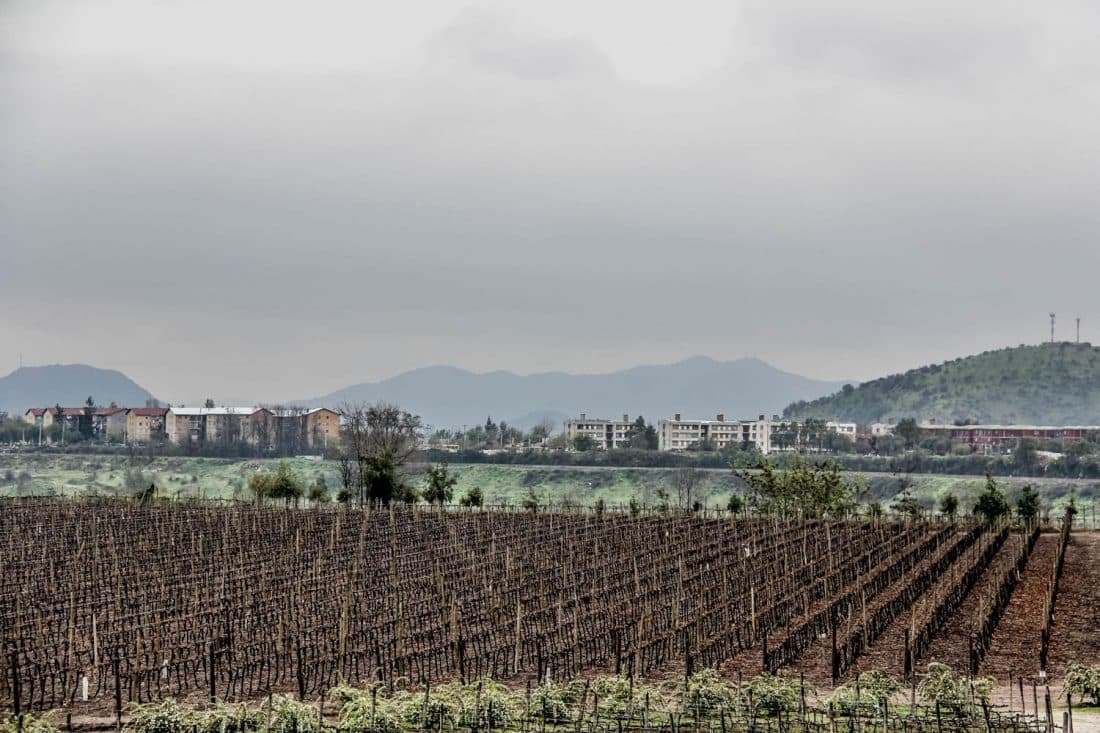
Concha y Toro
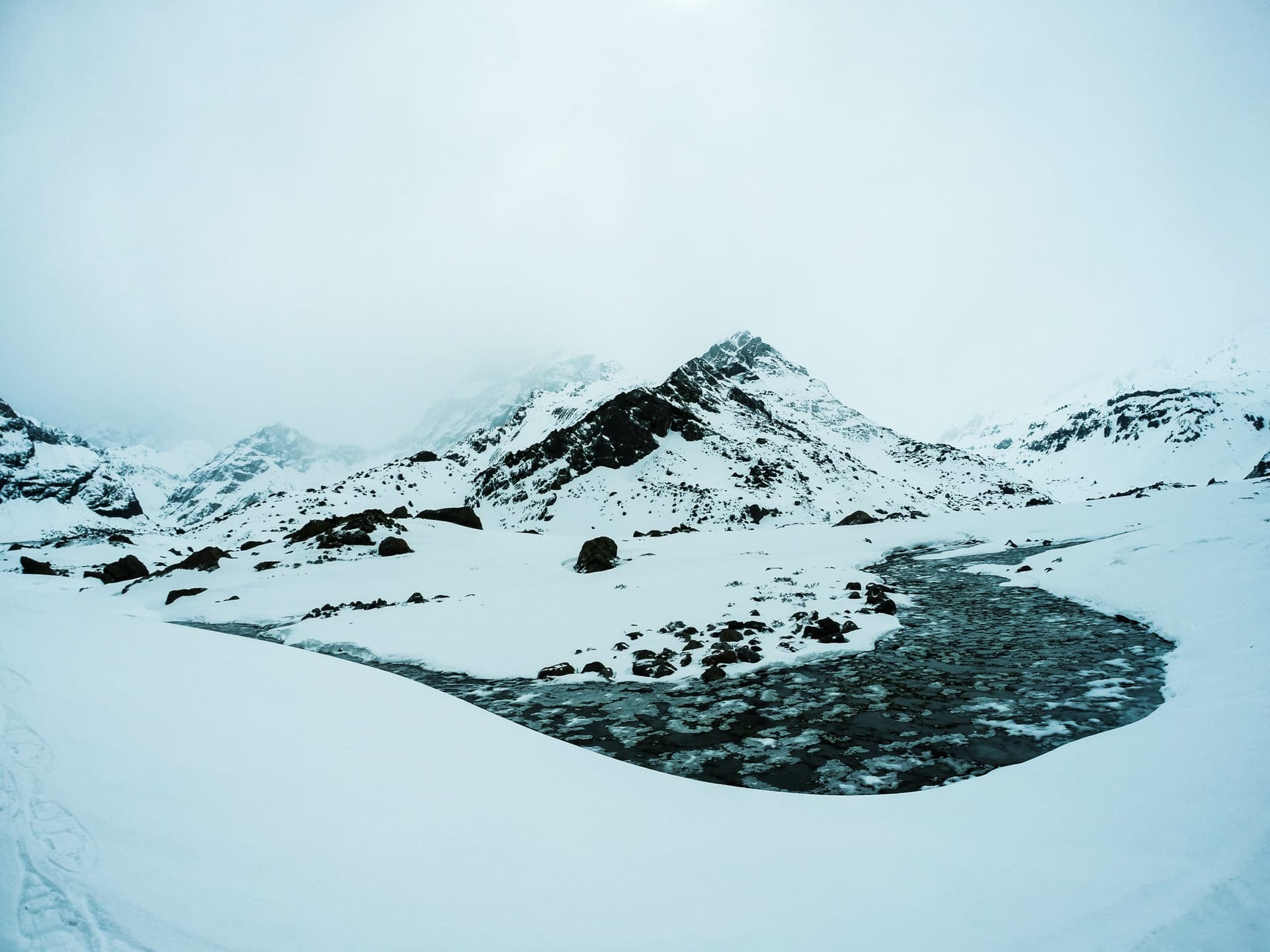
Hike Or Ski Around Cajon Del Maipo
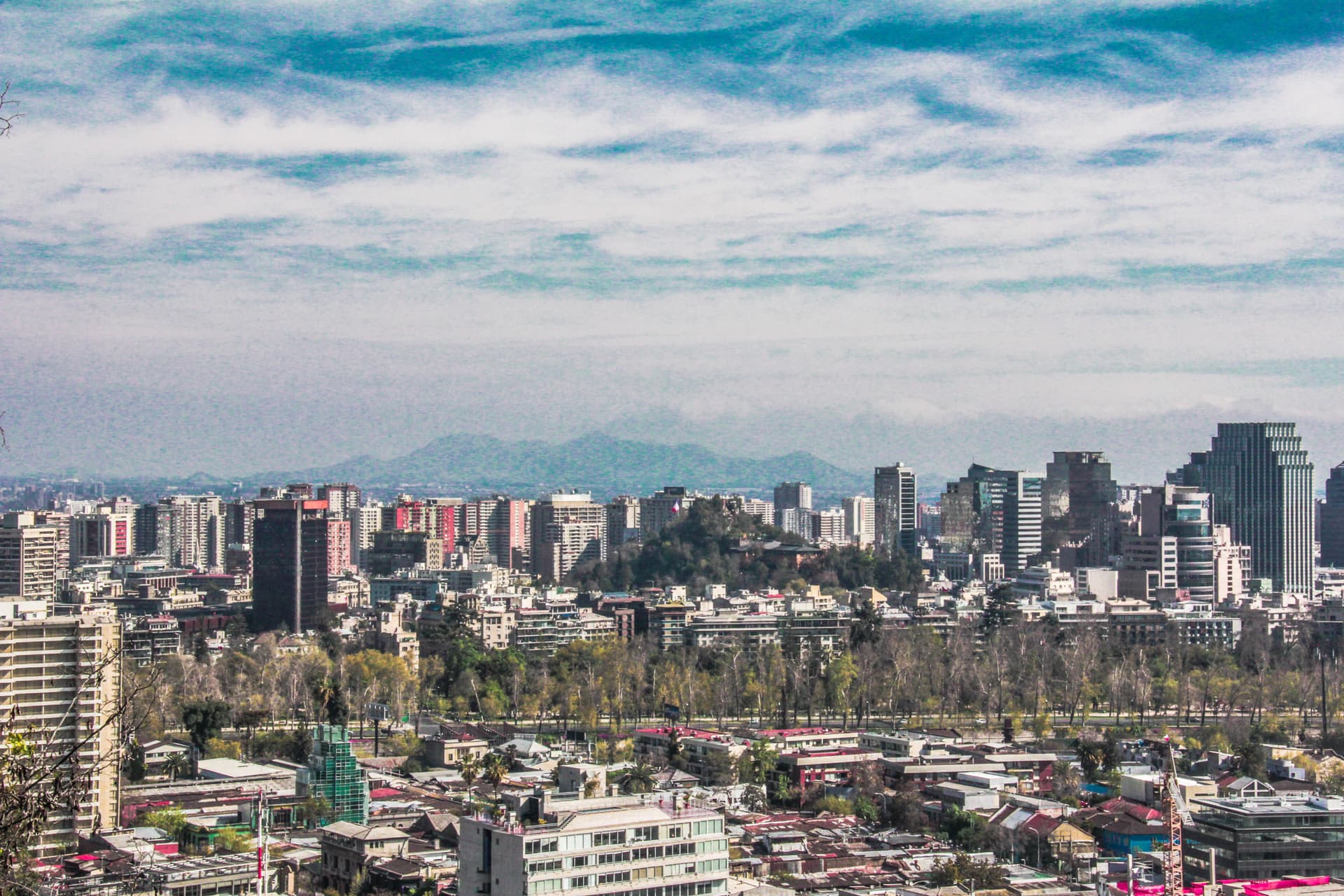
Explore Santiago

Parque Metropolitano
Places to eat or drink near Palacio La Moneda

La Picada De Jaime

Antigua Fuente

Liguria

Restaurante Giratório
More places in Santiago
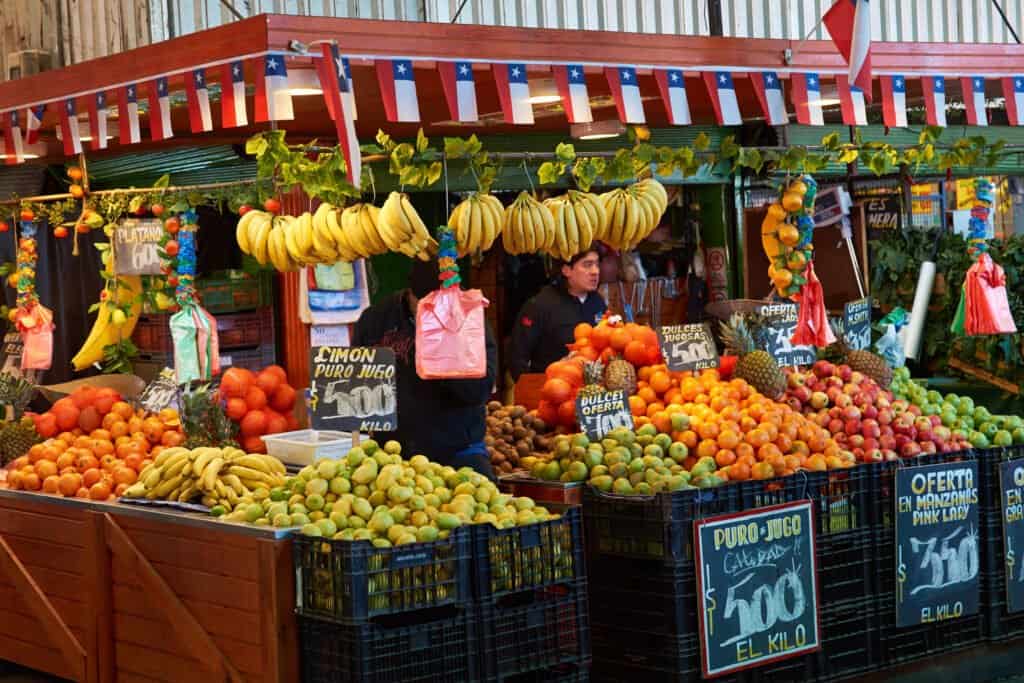
La Vega Market

Chilean Museum of Pre-Columbian Art
Barrio Yungay
