Posted by Brandon B.Admin
Concha y Toro: Chile's Most Visited Winery
Concha y Toro sits in the Maipo Valley, about 40 kilometers south of Santiago. The winery is one of the largest and most recognized wine producers in South America, drawing over 250,000 visitors annually. If you're interested in Chilean wine, viticulture, or simply want to understand how one of the continent's most successful wine operations functions, Concha y Toro offers a comprehensive experience that goes well beyond a typical tasting room visit.
Why This Place Matters
Founded in 1883, Concha y Toro shaped the modern Chilean wine industry during a period when the country was establishing itself as a serious wine-producing nation. The winery pioneered practices that influenced how Chilean vineyards operate today, particularly in the Maipo Valley where it remains headquartered. For visitors, the site represents not just a place to taste wine but a working window into industrial-scale viticulture in South America.
Quick Facts
- Location: Pirque, Maipo Valley, approximately 40 km south of Santiago
- Founded: 1883
- Annual visitors: Over 250,000
- Main wine varieties: Cabernet Sauvignon, Carmenere, Sauvignon Blanc
- Vineyard size: Several thousand hectares across multiple locations in Chile
- Tour duration: Typically 90 minutes to 2 hours for standard visits
- Language options: Tours available in Spanish and English
Getting There
From central Santiago, the drive takes about 45 minutes to an hour depending on traffic and your starting point. The most straightforward route follows the Pan-American Highway south. If you don't have a rental car, organized tours from Santiago hotels are widely available and often include transportation, which eliminates the stress of navigating unfamiliar roads or parking.
The winery maintains ample parking on-site. If you're driving yourself, arriving mid-morning tends to mean shorter wait times for tour registration than late morning or early afternoon, when tour groups from the city cluster around the entrance.
The Layout and Experience
The main visitor complex centers around a colonial-style building that serves as the entry point. From here, guided tours depart regularly and follow a structured path through parts of the winery. The experience typically includes a walk through barrel-aging cellars, explanation of the winemaking process, and a tasting session in a dedicated room overlooking vineyard views.
Tours are guided only, meaning you cannot wander the winery independently. Groups are usually 20 to 40 people, though this varies by time of day and season. Your guide will walk you through the production areas, explaining fermentation, oak aging, and blending decisions specific to Concha y Toro's approach. The barrel cellars are cool and can feel damp, so bring a light layer even in warm weather.
The tasting component is generous. You'll sample multiple wines, typically including one white and two or three reds. The wines offered in tastings tend to represent mid-range selections from the portfolio rather than flagship or premium bottlings. Staff answer questions about flavor profiles, food pairings, and the vineyards where grapes originate.
Main Highlights
The historic barrel cellars are the visual centerpiece of any visit. Rows of oak barrels stretch into dimly lit spaces, and the smell of aging wine and wood is immediate and genuine. This isn't a reconstructed display but an active production area, which gives the experience weight.
The Casa del Fundador, a mansion on the grounds built by the winery's founder Melchor Concha y Toro, is sometimes included in tours or available to view. The architecture reflects late 19th-century Chilean wealth and aesthetics, offering context for how the winery emerged from a broader culture of landowning elites who invested in viticulture.
The tasting room overlooks the Maipo Valley vineyards, providing a visual connection between what you're tasting and where the grapes grow. On clear days, the view extends toward the Andes in the distance. This backdrop makes the tasting feel less like a commercial exercise and more like a moment of place-based appreciation.
History and Background
Melchor Concha y Toro established the winery during a period of agricultural diversification in the Chilean elite. The Maipo Valley had already proven suitable for viticulture, and Concha y Toro invested heavily in European techniques and grape varieties, importing Cabernet Sauvignon, Carmenere, and other prestigious cultivars. By the early 20th century, the winery had become one of Chile's largest producers.
The company survived the Chilean wine industry's decline in the mid-20th century and emerged as a leader during the export boom that began in the 1980s. Today it operates vineyards in multiple Chilean regions beyond Maipo, including Casablanca, Colchagua, and Atacama. The headquarters and primary visitor facility remain in Pirque, however, anchoring the brand to its origins.
Tickets and Entry
General admission includes a guided tour and wine tasting. The winery typically offers a standard tour package and occasionally premium or specialized tours that may include longer tastings, food pairings, or access to different vineyard parcels. Pricing is mid-range, with tiers usually based on the scope of tastings included.
Tickets are purchased at the visitor center upon arrival or sometimes online in advance. During peak tourism seasons (December to February in the Southern Hemisphere, and July to August), arriving early increases your chances of joining a tour departing soon rather than waiting an hour or more.
Children are generally welcome on tours, though the experience is geared toward adults. If you're visiting with young children, confirm whether they can participate in your chosen tour before booking.
Best Time to Visit
The Maipo Valley has a Mediterranean climate with warm, dry summers (December to February) and cooler, wetter winters (June to August). Wine harvest typically occurs in March and April, when vineyard activity is most intense and the landscape is visually dynamic.
Spring (September to November) and autumn (March to May) offer pleasant weather and fewer crowds than mid-summer. If you prefer a less congested experience, visiting on a weekday morning rather than weekend afternoon makes a noticeable difference.
Summer crowds are heaviest but weather is most predictable. Winter is quieter but cooler, and some tour offerings may be reduced during slower tourism months.
Photography Tips
The barrel cellars offer dramatic lighting and composition opportunities, though flash photography is typically prohibited to protect the wine. Ambient light is dim, so a camera or phone that handles low light well is advantageous. The tasting room and vineyard views from the visitor complex are more conventionally photogenic, with good natural light and a clear backdrop of valley and mountains.
Your guide will likely mention photo opportunities and may pause at particularly scenic spots. The colonial architecture of the main building photographs well in late afternoon golden light.
Facilities and Preparation
The visitor center includes restrooms, a gift shop, and a cafe or restaurant depending on your ticket tier. Comfortable walking shoes are essential, as the tour involves standing and walking on uneven surfaces in the cellars. The site is not wheelchair accessible in all areas, particularly the barrel cellars, so confirm accessibility needs in advance if relevant.
Tours can last two hours or more, so plan accordingly if you have other Santiago activities scheduled. The on-site restaurant serves food but tends to be busy during peak tour times, so eating before or after rather than during a visit window may be more relaxing.
Combining with Nearby Attractions
The Maipo Valley contains other wineries within 20 to 40 minutes of Concha y Toro, making a multi-winery day feasible. Smaller, family-owned operations like Santa Rita or Cousiño Macul offer different atmospheres and approaches to wine production, useful for comparison if wine tasting is your primary interest in the region.
The town of Pirque itself is small and not a major tourist destination, but the rural character of the valley is pleasant for a drive or short walk between sites. If you're combining visits, plan a route that minimizes backtracking, as the valley spreads out across several kilometers.
Sample Visit Plan
Depart central Santiago by 8:30 AM to arrive by 9:30 or 10:00 AM, avoiding the mid-day crowd surge. Register for a tour immediately upon arrival. After the 90-minute to two-hour tour and tasting, you'll finish around noon or 1:00 PM. At this point, you can browse the gift shop, eat at the on-site restaurant if you wish, or depart for another valley winery if you're conducting a comparative tasting day. Plan to leave the site by mid-afternoon to ensure an unhurried return to Santiago before evening traffic peaks.
Practical Tips
- Bring a light jacket even in warm seasons, as the barrel cellars are cool and often damp
- Wear comfortable walking shoes with good grip, as cellar floors can be slippery
- Eat a substantial breakfast before visiting if you plan to taste wine on an empty stomach
- Designate a non-drinking driver or use a tour service if you're tasting more than a small amount
- Book tours in advance during peak seasons to guarantee entry at your preferred time
- Ask your guide questions about specific wines or vineyards, as they're knowledgeable and enjoy engaging visitors
- The gift shop stocks wines at prices higher than retail, so consider purchasing elsewhere if budget is a concern
- Tours sometimes run in Spanish or English depending on demand, so specify your language preference when booking
FAQ
How long does a typical visit take? Plan for two to three hours from arrival to departure, including tour, tasting, and any time in the gift shop or cafe.
Do I need to book in advance? During low seasons, walk-up visits are often possible, but booking ahead guarantees entry at your preferred time, especially on weekends or during peak tourism months.
Can I buy wine to take home? Yes, the gift shop stocks bottles from the winery's portfolio. Shipping options exist for larger purchases, though costs can be significant depending on destination.
Is the tour physically demanding? The standard tour involves standing and walking on uneven surfaces in cellars, but it's not strenuous. Most visitors of typical fitness levels complete it comfortably. Inform staff of mobility concerns when booking if relevant.
What if I don't drink alcohol? Some tours may offer non-alcoholic alternatives or grape juice tastings, though confirm this when booking. The educational and architectural components of the visit have value independent of wine consumption.
Reviews
Sign in and mark this place visited to leave a review.
No reviews yet.
Free Trip Planner
Plan your Chile trip with our free planner
Build a day-by-day itinerary with AI suggestions, hand-picked places, and friends. Free forever — no credit card.
Things to see near Concha y Toro
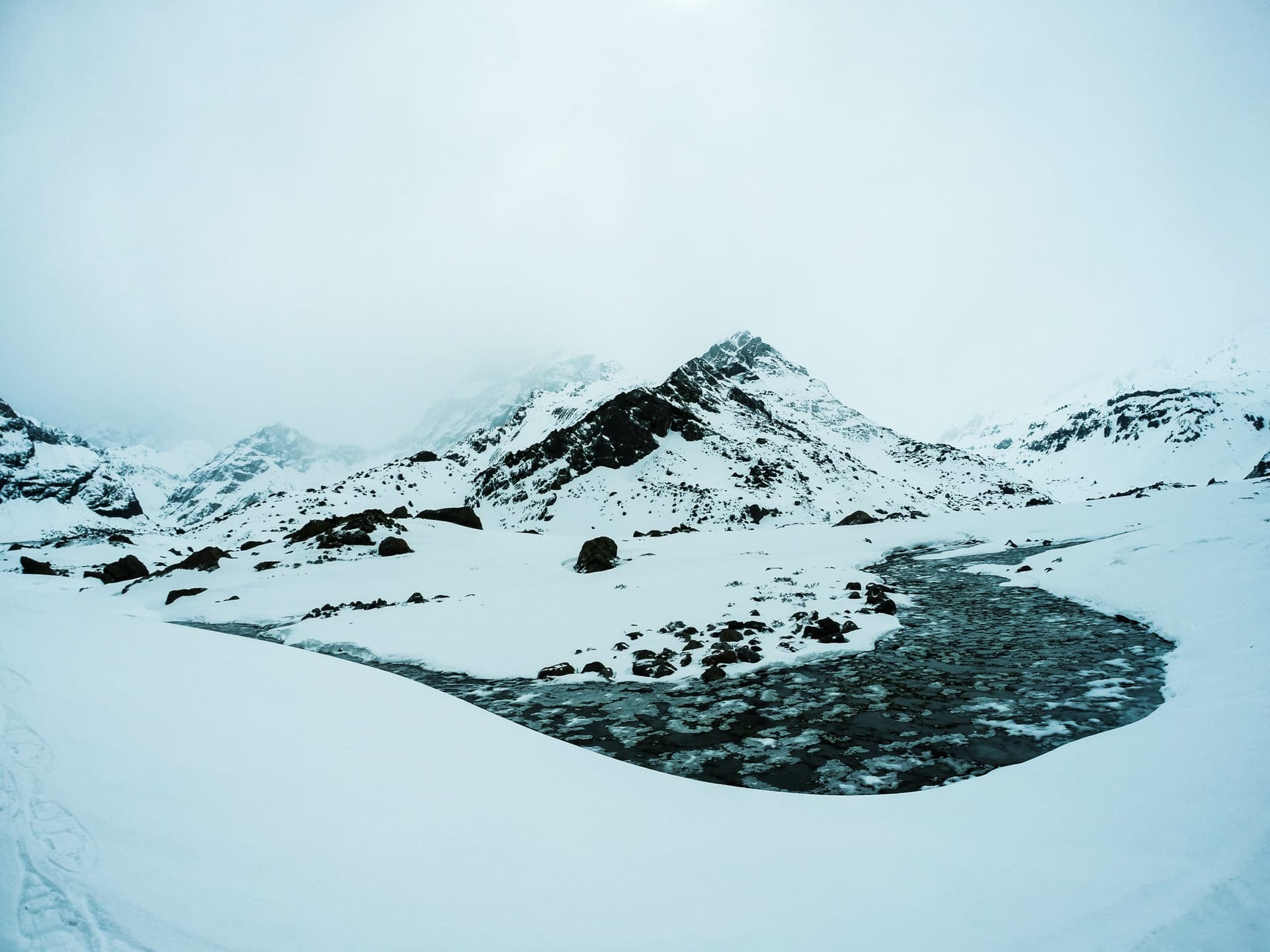
Hike Or Ski Around Cajon Del Maipo
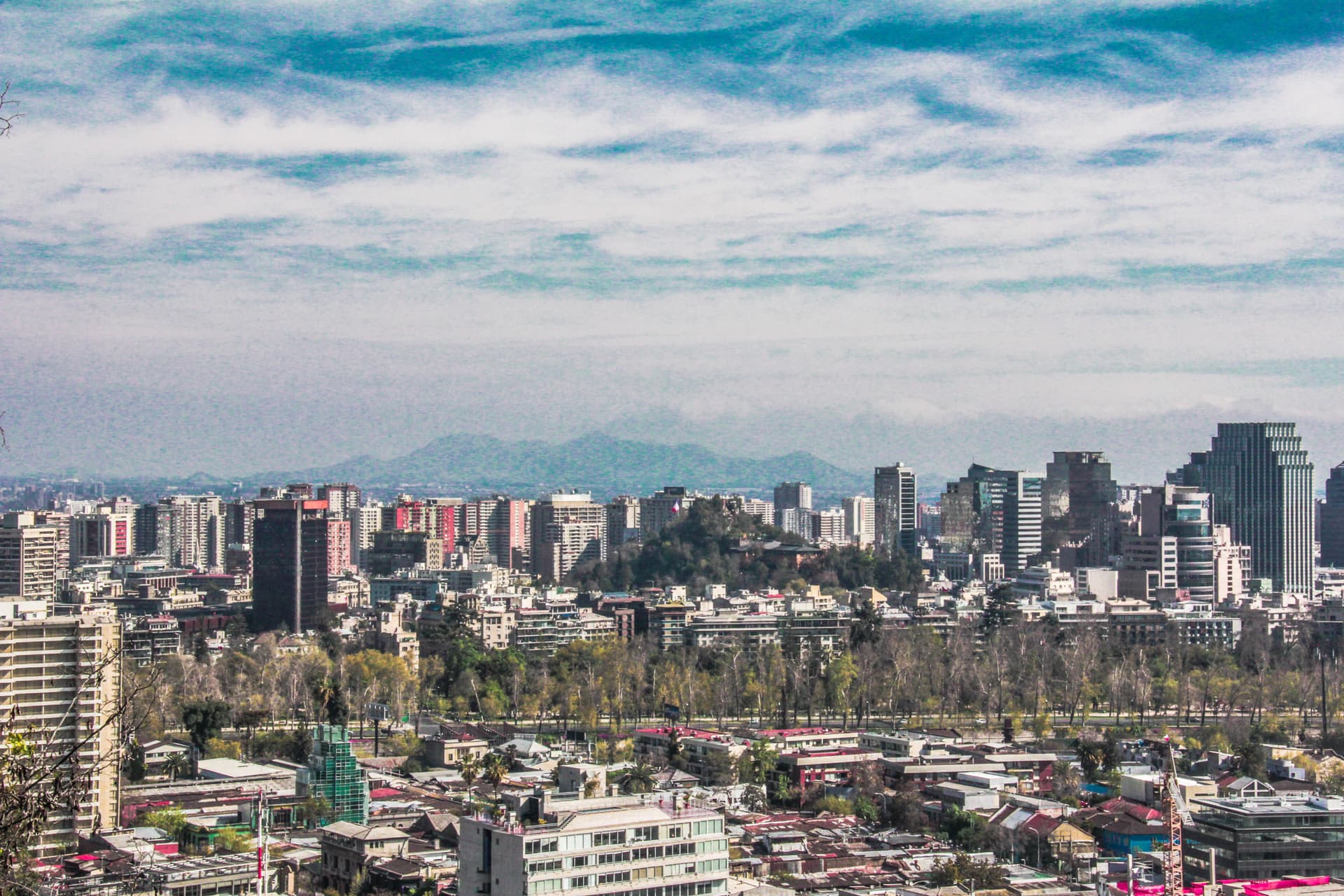
Explore Santiago

Parque Metropolitano
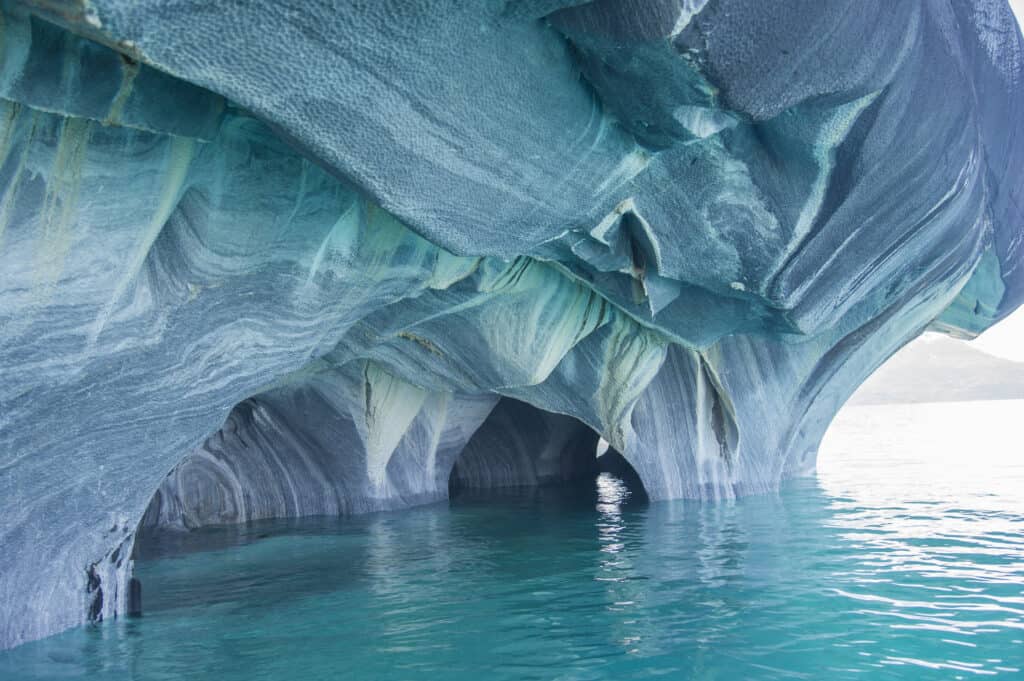
Lago General Carrera
Places to eat or drink near Concha y Toro

La Picada De Jaime

Antigua Fuente

Liguria

Restaurante Giratório
More places in Santiago

La Calma by Fredes

Chile National Museum of Fine Arts

Museum of Memory & Human Rights