
Palazzo Pamphilj
Piazza Umberto Pilozzi 9, 00038 Valmontone Italy Posted by Brandon B.Admin
Palazzo Pamphilj in Valmontone: One of Lazio's Most Overlooked Baroque Palaces
About 40 kilometers southeast of Rome, the town of Valmontone sits on a volcanic ridge in the Castelli Romani foothills, and it's here that Palazzo Pamphilj makes an immediate impression. The building dominates the town's historic center with a confidence that feels almost out of scale for a place this size. If you've spent time in Rome admiring the Pamphilj family's other monuments, such as the Villa Doria Pamphilj or the Palazzo Pamphilj on Piazza Navona, this one will feel like the lesser-known chapter of the same story. Which, frankly, is exactly why it's worth the trip.
Most visitors to this part of Lazio are heading to the Outlet di Valmontone just off the motorway. Very few turn up the hill into the old town. That's a mistake.
Why Palazzo Pamphilj Valmontone Matters
The Pamphilj family's connection to Valmontone runs deep. When Giambattista Pamphilj became Pope Innocent X in 1644, the family was already consolidating power and property across the Papal States. Valmontone was one of their feudal holdings, and the palazzo here was rebuilt and expanded in the 17th century as an expression of that authority. The ambition they brought to this project is still visible in the frescoed interiors, which rank among the most significant examples of 17th-century secular painting in the region outside of Rome itself.
Several major painters contributed to the interior decoration, including Gaspard Dughet and Francesco Cozza, who worked here in the 1660s. The frescoes cover entire rooms with elaborate landscape and mythological scenes, and their condition, while imperfect in places, is remarkable given the building's turbulent history through the 19th and 20th centuries.
Quick Facts
- Address: Piazza Umberto Pilozzi 9, 00038 Valmontone (Roma)
- The palazzo was substantially rebuilt and decorated in the mid-to-late 17th century under Pamphilj patronage
- Key painters who worked here include Gaspard Dughet, Francesco Cozza, and Willem Reuter
- The building is owned by the municipality of Valmontone and functions partly as a civic space
- Valmontone is approximately 40 minutes by regional train from Roma Termini
- The historic center is a short walk uphill from the train station
Getting There
From Rome, the most straightforward option is the regional train from Roma Termini toward Cassino or Frosinone. The journey takes roughly 40 minutes and drops you at Valmontone station, which sits at the base of the hill below the old town. From there, expect a walk of around 15 to 20 minutes uphill, or a short taxi ride if you'd rather not arrive out of breath.
By car, Valmontone is accessible from the A1 motorway. Follow signs for the centro storico rather than the outlet village, which draws most of the roadside signage. Parking is available near the town center, though the streets within the historic core are narrow.
The Layout and Experience
The palazzo stands at the edge of the old town, its facade looking out over the surrounding countryside toward the Lepini Mountains. The exterior is austere by Roman Baroque standards, which makes the interior frescoes feel all the more surprising when you step inside.
The decorated rooms are the main event. Dughet's landscape frescoes are expansive and atmospheric, painted in the style he helped define, one that influenced generations of European painters. Cozza's mythological scenes occupy other rooms with a different energy, more densely figured and dramatically lit. Together they give the palazzo a coherent visual program that was clearly planned with care, even if the patron's primary motivation was prestige rather than art for its own sake.
Depending on when you visit and what events or exhibitions are in progress, access to specific rooms may vary. The palazzo's civic function means it sometimes hosts local events, which can either enhance or complicate a visit. It's worth checking in advance if you're traveling specifically to see the frescoes.
History and Background
Valmontone itself has a long history as a fortified hilltop settlement, and the site of the palazzo likely had earlier structures before the Pamphilj rebuilding campaign. The family's hold on the town was tied directly to the papacy of Innocent X, who reigned from 1644 to 1655. His nephew Camillo Pamphilj inherited much of the family's secular property and continued building projects here after his uncle's death.
The fresco campaign appears to have been carried out primarily in the 1660s, making it a post-papal project, funded by Camillo during a period when the family's fortunes were shifting. The artists brought in were part of the Roman art world of the time, and working at Valmontone was considered a significant commission. Dughet in particular was at the height of his reputation when he worked here.
The building passed out of Pamphilj hands over the following centuries and suffered during the Second World War, when Valmontone was badly damaged by Allied bombing in 1944. The town was largely rebuilt, and the palazzo survived, though not entirely unscathed. Restoration work in subsequent decades has addressed the most critical damage to the frescoes, though the process has been gradual.
Tickets and Entry
Entry arrangements for the palazzo have varied over the years depending on the building's civic programming and any active exhibitions. At times general admission has been available, and at other times visits have been possible by appointment or as part of guided tours organized by the municipality. Before making the trip, it's worth contacting the Valmontone municipal offices or checking local tourism resources for current access information. Arriving and finding the building closed would be a real disappointment given the distance from Rome.
Best Time to Visit
Spring and early autumn tend to be the most pleasant seasons for a visit. The hilltop location means Valmontone can feel exposed and windy in winter, and the surrounding landscape, which forms a backdrop to the palazzo's views, looks its best when the hills are green. Summer works logistically but the drive and the climb into town can feel more demanding in the heat.
Weekday mornings are usually quieter in the historic center. Weekends occasionally bring locals up from the newer parts of town or visitors from Rome, but the palazzo never draws the kind of crowds you'd deal with at comparable sites in the capital.
Combining with Nearby Attractions
Valmontone's historic center is small but worth a walk in its own right. The Collegiata di Santa Maria Assunta, which sits near the palazzo, contains additional artworks and is worth a quick visit. The views from the town's edge over the valley are genuinely good.
If you're driving, the town of Palestrina is about 20 minutes away and contains the Museo Nazionale Archeologico Prenestino, housed inside another repurposed palazzo and built over the ancient sanctuary of Fortuna Primigenia. Combining the two makes for a full and varied day in this part of Lazio without retracing too much ground.
Practical Tips
- Confirm opening hours and access before visiting, as these can change depending on events or restoration work
- Wear comfortable shoes for the uphill walk from the station or parking areas into the historic center
- Bring a small torch or use your phone light if interior rooms are dimly lit, which is common in older Italian palazzi
- Photography policies inside vary, so ask on arrival rather than assuming either way
- There are cafes and small restaurants in Valmontone's center if you want to make a half-day of the trip
- If you're arriving by train, check the return schedule in advance as service frequency drops in the afternoon on some lines
FAQ
Is Palazzo Pamphilj in Valmontone related to the one on Piazza Navona in Rome?
Yes. Both were properties of the Pamphilj family, one of the most powerful Roman noble families of the 17th century. The Valmontone palazzo was a feudal seat outside the city, while the Roman one served as their urban palace.
Can you visit the frescoed rooms independently?
Access has changed over the years. At times independent entry has been available, and at other times guided or scheduled visits have been the norm. Contact the municipality or a local tourism office before your trip to confirm current arrangements.
How long does a visit typically take?
Most people spend between one and two hours inside the palazzo, depending on how closely they want to study the frescoes. Adding a walk around the historic center and a coffee brings the total to a comfortable half-day.
Is Valmontone worth visiting just for the palazzo?
If you have a strong interest in Baroque painting and Pamphilj history, yes. For a more casual traveler, combining it with Palestrina or another nearby site makes better use of the journey from Rome.
Reviews
Sign in and mark this place visited to leave a review.
No reviews yet.
Free Trip Planner
Plan your Italy trip with our free planner
Build a day-by-day itinerary with AI suggestions, hand-picked places, and friends. Free forever — no credit card.
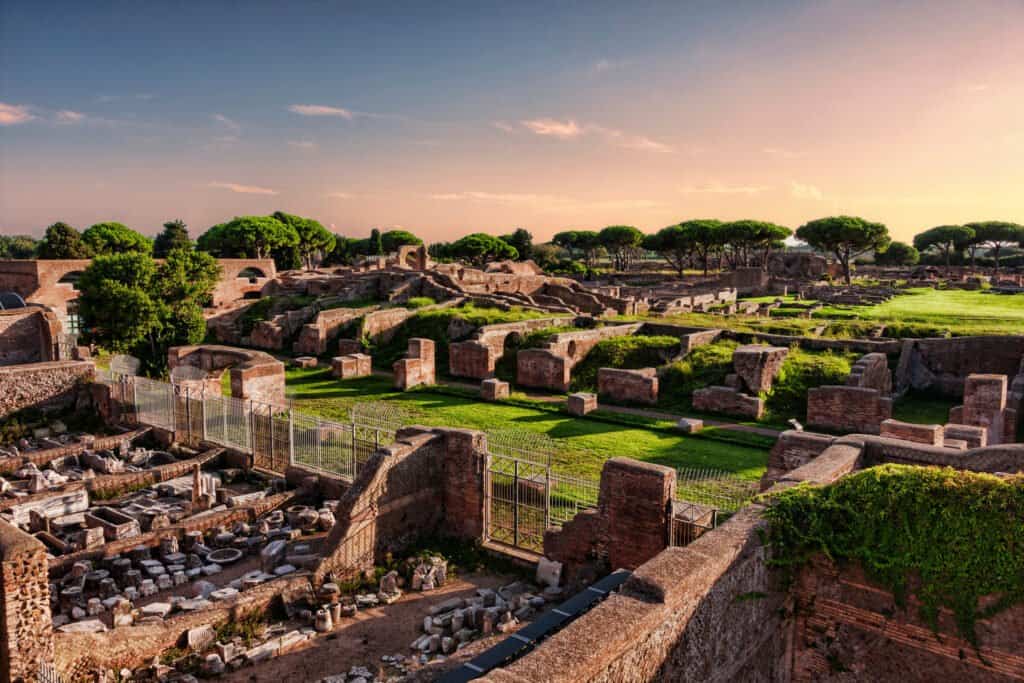
Things to see near Palazzo Pamphilj



Places to eat or drink near Palazzo Pamphilj
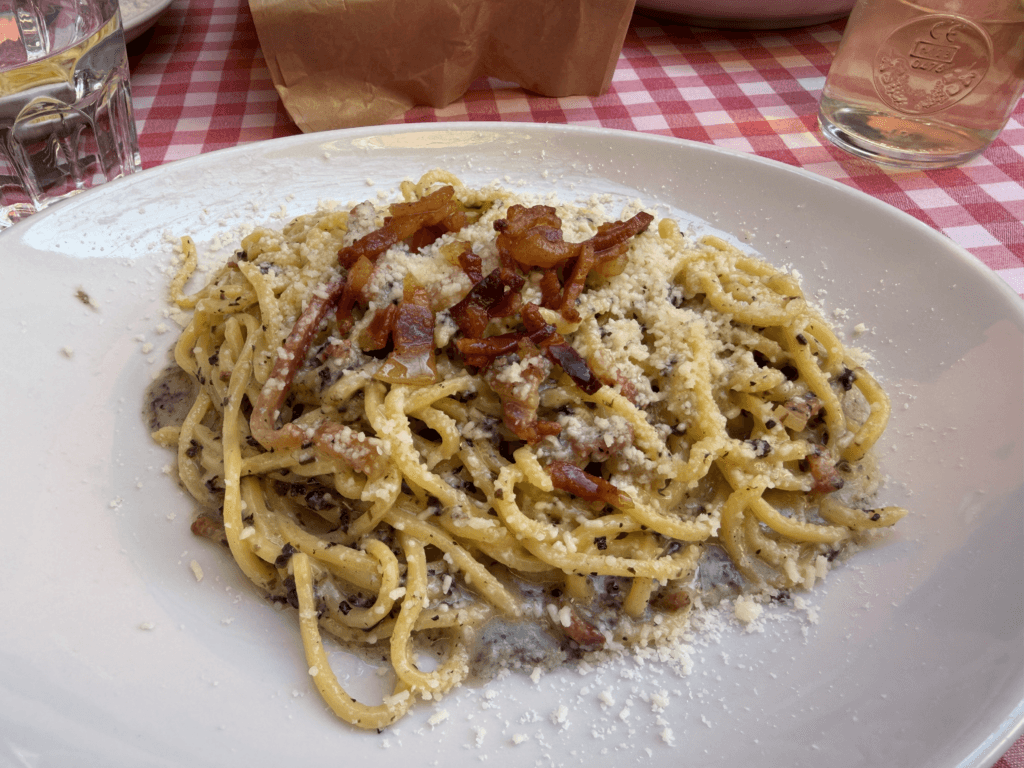
Arianna al Borghetto

La Pietra Scheggiata – Osteria/Pizzeria

Pasticceria Barberini
