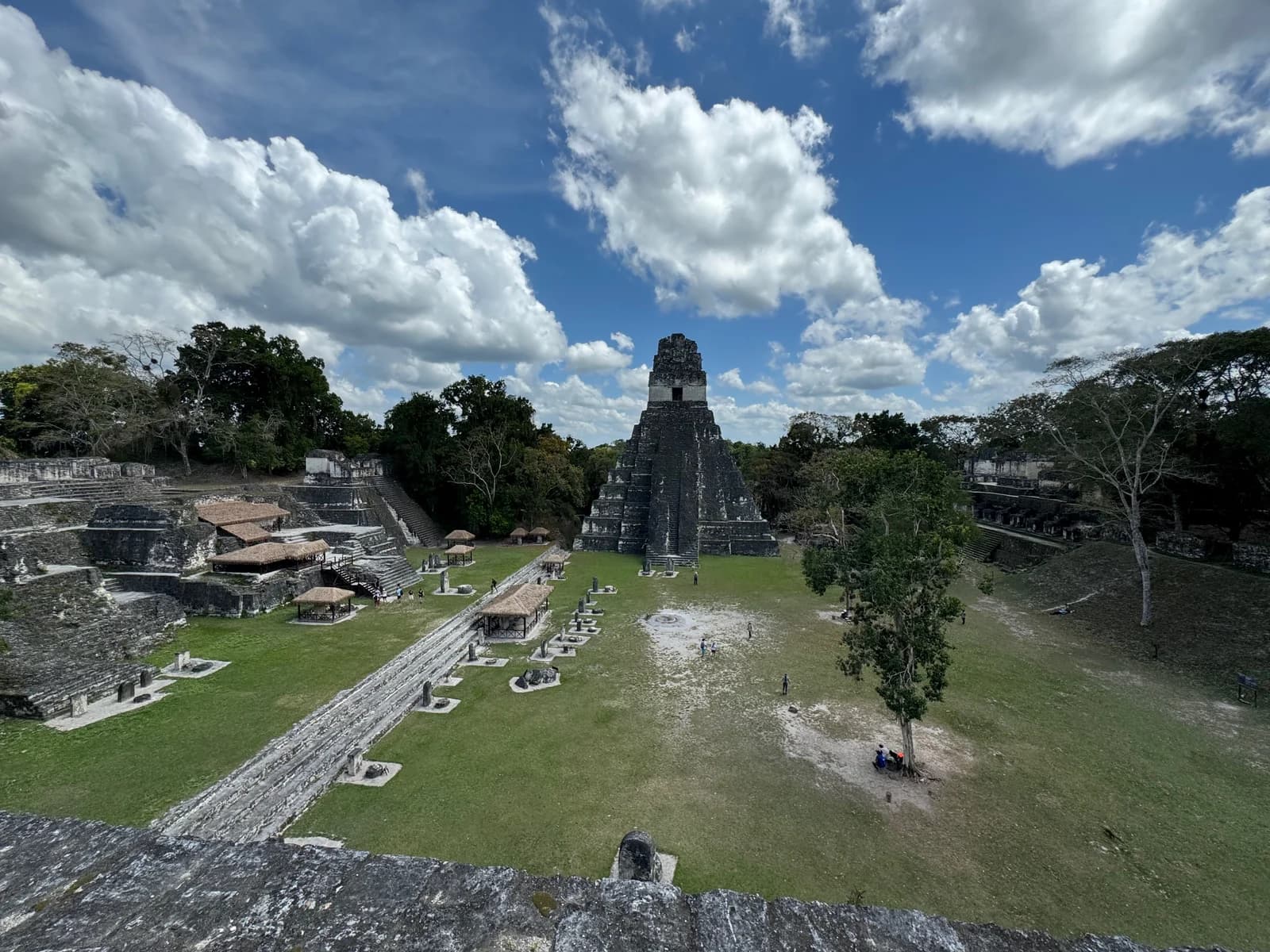
Parque Central De Flores
Calle Union 20, Flores 17001 Guatemala Posted by bazartravelsAdmin
Overview
Parque Central de Flores is the heart of Guatemala's island town, a tree-filled square anchoring the colonial streets of Flores in Petén. The park sits at the center of the town's main neighborhood, surrounded by colorful buildings, local restaurants, and the Church of Santa María de Flores. It's the natural gathering point for both residents and visitors, offering shade, benches, and a genuine sense of where everyday life in this lakeside community unfolds.
Unlike manicured tourist attractions, this is a working park. Families eat lunch here. Local vendors set up near the edges. Kids play while their parents chat on the benches. The energy shifts throughout the day, from quiet mornings to bustling afternoons, and the park feels different depending on when you arrive.
Why this place matters
Flores itself is built on an island in Lake Petén Itzá, and the central park is the town's organizing principle. Every street worth walking leads to or from it. The park's location on Calle Unión makes it impossible to miss, and it serves as both a landmark and a social anchor for the community.
Historically, Flores traces back to the 1600s, and while the park itself has been reshaped over the centuries, it remains the civic center of this remote corner of Guatemala. The town's isolation for much of its history gives it a distinct character that you'll feel walking through the park and its surrounding streets.
Quick facts
- Located on Calle Unión in central Flores, Petén
- Free and open access, no admission required
- Surrounded by colonial-era architecture and the town's main church
- Built on an island in Lake Petén Itzá, accessible by causeway
- Best visited in the cooler months of December through February
- Most active in late afternoon and early evening
Getting there
Flores is reached by flying into La Aurora International Airport in Guatemala City, then taking a domestic flight north to Flores Airport, which sits just outside town. The flight takes roughly two hours. From the airport, a short taxi or shuttle ride gets you to town, and from there, the park is walking distance from nearly any accommodation in the center.
If you're already in Flores exploring, the park is impossible to avoid. It's the convergence point of the main pedestrian streets. The easiest approach is from the direction of the church, which overlooks the park from the north.
The layout and experience
The park is a modest square with mature trees providing substantial shade. Wooden and concrete benches line the perimeter and dot the interior, and the ground is typically paved or compacted earth. The church's white walls and bell tower form the northern edge, while colonial buildings with bright facades surround the other sides.
Walking into the park, you'll notice the rhythm of the place. In early morning, it's quiet except for the occasional jogger or early-rising vendor. By midday, it fills with people eating from nearby comedores, tourists passing through on their way to other attractions, and local kids. Late afternoon brings the most activity, when the heat breaks and families settle in to socialize.
The park has a natural flow. People tend to move through it rather than linger for hours, though benches invite you to sit and watch the activity. The tree canopy keeps the temperature noticeably cooler than the surrounding streets, which matters in Petén's heat.
Main highlights
The Church of Santa María de Flores dominates the north side of the park. Its pale exterior and simple bell tower stand out against the landscape, and it's the most photographed element of the square. The church remains active, and you may hear bells marking the hour or catch services depending on when you visit.
The surrounding colonial buildings offer their own appeal. Look up as you walk the perimeter, and you'll see carved wooden details, wrought iron window grilles, and the varied pastels of buildings that have been maintained and repainted over decades. Many now house restaurants, shops, or guesthouses.
The park itself is the highlight. There's no single "must-see" monument within it, but rather the chance to sit, observe, and absorb the tone of daily life in a small Guatemalan town. The vendors who set up along the edges, the families on the benches, the church bells marking time, the way afternoon light filters through the trees, the sounds of Spanish mixing with Itza (the local Maya language) these details matter more than any single feature.
History and background
Flores was founded in the 1600s as a settlement on the island in Lake Petén Itzá. The town's isolation made it a refuge during various conflicts and a center of colonial administration. The church was built during the colonial period and rebuilt over the centuries as it fell into disrepair and was restored.
The central park reflects the typical Spanish colonial town planning model, with the church and civic authority positioned on one side of a public square and commercial and residential buildings around the others. Over time, Flores remained relatively small and peripheral to Guatemala's main economic centers until tourism and archaeological interest in the region brought more attention.
The park's current appearance reflects incremental improvements and maintenance by the town over recent decades. It's not a newly constructed or heavily renovated space, but rather a place that has evolved organically with the community's needs.
Best time to visit
December through February brings the coolest weather and lowest rainfall in Petén. Temperatures are warm but not oppressive, making the park comfortable for extended sitting. This is also the height of the tourist season, so the park will be busier but not overwhelmingly crowded.
March through May heats up considerably, with temperatures often exceeding 35 degrees Celsius (95 degrees Fahrenheit). The park's shade helps, but midday can be intense. June through November is the rainy season, bringing afternoon downpours that clear tourists and locals alike from the open square, though mornings are usually dry.
Early morning or late afternoon visits tend to be more pleasant regardless of season. You'll avoid the heat, see more of the community's actual rhythm, and have better light for photography.
Photography tips
The church's bell tower frames well from the south side of the park, especially in early morning or late afternoon light when the sun rakes across its white walls. The colonial buildings surrounding the square offer colorful facades and architectural details worth capturing, particularly if you zoom in on the wrought iron and carved wooden elements.
The dappled light under the trees creates interesting textures and shadows. If you want to photograph people and activity, late afternoon is best, but be respectful and ask before photographing individuals.
Wide shots that show the entire square with the church and surrounding buildings work well to convey the sense of place. Narrow shots focusing on architectural details or the interplay of light and shadow tell a different story about the town.
Facilities and preparation
The park itself has benches and shade but no restrooms, food vendors, or water fountains. Nearby restaurants and shops line the surrounding streets, so you're never far from a place to eat or use facilities if needed.
Bring water, especially if visiting during the warmer months. Sunscreen and a hat are wise even with the tree cover, as the sun reflects off the pale buildings and paved areas. Comfortable walking shoes are essential if you plan to explore the surrounding colonial streets.
Combining with nearby attractions
The park is the center of Flores, so nearly everything worth seeing in town is within a five to ten-minute walk. The town's waterfront along Lake Petén Itzá is accessible from the park by heading toward the eastern or western edges and finding the stairs or paths down to the water. Local boatmen offer tours of the lake and trips to nearby islands.
Tikal, one of Guatemala's most significant archaeological sites, is about 65 kilometers north of Flores. Most visitors stay in Flores and take a day trip to Tikal, leaving early in the morning from the town. The park and surrounding colonial streets are best explored before or after a Tikal visit, when you have time to move at a slower pace.
The Museum of Flores (Museo de Flores) occupies a colonial house near the park and holds local artifacts and historical information. It's small and can be visited in thirty minutes to an hour, adding context to what you're seeing in the park and town.
Sample visit plan
If you have a few hours in Flores, start at the park early morning when it's coolest and least crowded. Sit on a bench for twenty minutes and observe the town waking up. Walk the perimeter of the park, noting the church and the architectural details of the surrounding buildings. Step into the church if it's open.
Leave the park and explore the colonial streets radiating from it, ducking into small shops, cafes, and restaurants as you go. Stop for lunch at one of the comedores or casual restaurants with tables overlooking the park. Return to the park in late afternoon, when the light improves and the community is most active. Sit again and watch the rhythm of the town from a different bench.
Practical tips
- Arrive early to avoid heat and crowds, especially during high season
- The park is busiest on weekend afternoons when local families gather
- Most restaurants and shops on the surrounding streets accept cash only; there are ATMs in town but not in the park
- Spanish is the main language; English is spoken by tour operators and some hotel staff but less common among vendors and locals
- The park is safe and heavily used by locals, making it one of the most secure spots in town
- Mosquitoes can be present, especially in early morning and late evening; consider bringing repellent
FAQ
Is there an entrance fee to the park? No, the park is free and open to the public at all times.
Can I eat in the park? The park itself has no food vendors, but restaurants and cafes line the surrounding streets. Many have outdoor seating overlooking the square.
How long should I spend in the park? Thirty minutes to an hour is typical for most visitors. Some people return multiple times during their stay in Flores.
Is the park accessible for people with mobility challenges? The park is largely flat and paved, but the surrounding colonial streets have uneven surfaces and stairs. Accessibility varies depending on which direction you explore.
What's the best time of day to visit? Early morning or late afternoon offer the best weather, light, and activity. Midday is hot and quieter.
Closing thoughts
Parque Central de Flores won't overwhelm you with spectacular sights or require hours of your time. Its appeal lies in what it reveals about how a small Guatemalan town actually functions. The park is a mirror of Flores itself, a place to sit, watch, and let the rhythms of daily life wash over you.
If you're passing through Flores on your way to Tikal or other archaeological sites, the park and surrounding colonial streets deserve at least a few hours. If you're staying longer, return to it at different times of day and different times of year. Each visit will feel slightly different, and the park will become more familiar and comfortable as you spend time there.
Reviews
Sign in and mark this place visited to leave a review.
No reviews yet.
Free Trip Planner
Plan your Flores trip with our free planner
Build a day-by-day itinerary with AI suggestions, hand-picked places, and friends. Free forever — no credit card.