Piconrue – Musee de la Grande Ardenne
Place en Piconrue 2, Bastogne 6600 Belgium Posted by Brandon B.Admin
Piconrue – Musée de la Grande Ardenne: Folklore, Faith, and the Forest in Bastogne
Tucked behind the main square in Bastogne, Piconrue – Musée de la Grande Ardenne occupies a former Recollect church that dates back to the 17th century. The building alone is worth the detour. But what's inside makes this one of the more quietly compelling museum visits in the Belgian Ardennes, particularly if you've spent time at Bastogne's better-known war memorials and want to understand the region on a different timeline entirely.
The museum focuses on the folklore, popular religion, and rural traditions of the Greater Ardennes, drawing on centuries of material culture from across the Franco-Belgian border region. Carved wooden saints, witchcraft objects, carnival masks, and devotional art sit alongside tools and rituals that shaped daily life in these forested highlands for generations. It's not a big museum. But the density of meaning in each room tends to surprise visitors who wander in expecting something light.
Why Piconrue Matters
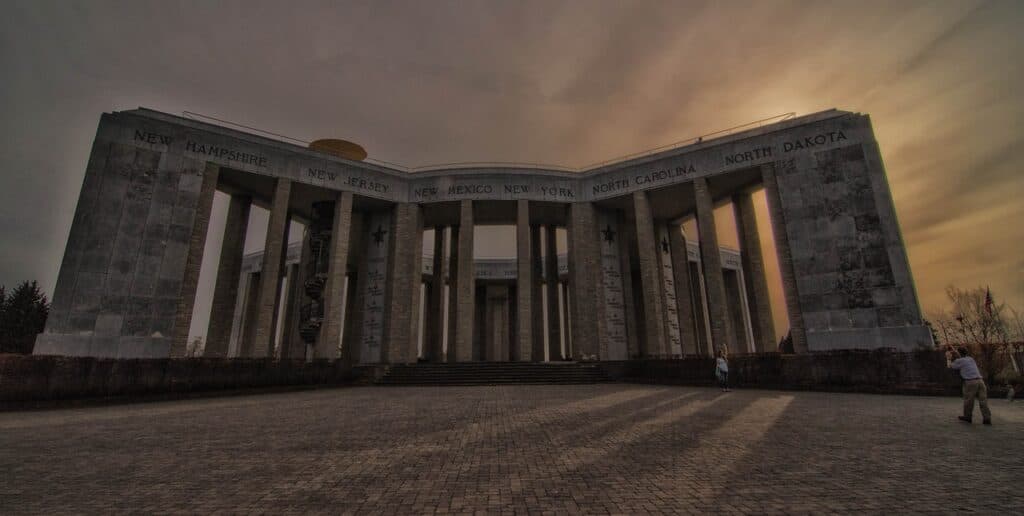
Bastogne draws most of its visitors because of the Battle of the Bulge. The Mardasson Memorial, the Bastogne War Museum, the foxholes still visible in the Bois Jacques forest nearby: these are powerful and they deserve your time. But Piconrue operates on a completely different frequency. It asks you to look at the Ardennes not as a theatre of war but as a living landscape shaped by superstition, Catholic devotion, seasonal ritual, and the particular psychology of people who spent long winters in deep forest.
The collection spans pilgrimage culture, demonology, and what the museum calls "popular magic." There are objects here you won't find grouped together anywhere else in Belgium. That's the genuine draw.
Quick Facts
- Address: Place en Piconrue 2, Bastogne 6600, Belgium
- Setting: A 17th-century former Recollect church in central Bastogne
- Collection focus: Ardennes folklore, popular religion, magic, and rural traditions
- Language of displays: Primarily French, with some bilingual signage
- Approximate visit time: 60 to 90 minutes for most visitors
- Accessibility: The historic building has some limitations for mobility-impaired visitors; worth calling ahead
- Photography: Generally permitted in the permanent collection without flash
Getting There
The museum sits on Place en Piconrue, a small square just a few minutes' walk from Bastogne's central Place McAuliffe. If you're coming from the Bastogne War Museum on Colline du Mardasson, you're looking at roughly 10 to 15 minutes on foot depending on your pace. The town is compact enough that most points of interest connect easily on foot.
Bastogne is accessible by bus from Liège and Luxembourg, though train connections are limited. Most visitors arrive by car, which also makes it easier to combine the museum with the surrounding Ardennes countryside. Parking near the town center is available on and around Place McAuliffe.
The Layout and Experience
The former church structure gives the museum a vertical drama that most provincial folklore museums simply don't have. High vaulted ceilings, stone walls, and the particular quality of light that comes through old ecclesiastical windows all work in the museum's favor. The space feels appropriate for a collection about faith, mystery, and ritual.
Rooms move loosely through themes: pilgrimage and votive offerings, the figure of the devil in Ardennes folk tradition, carnival and seasonal ritual, healing practices, and the cult of local saints. The arrangement rewards slow looking. Objects are often small and the labels carry a lot of context, so plan to read rather than just glance and move on.
The devil and demonology section draws the most attention from first-time visitors. The Ardennes region has a particularly rich tradition of stories about the devil as a character in daily life, a trickster and bargainer rather than simply an abstract evil, and the museum treats this material with genuine scholarly seriousness without draining it of its strangeness.
Main Highlights
The Votive Collection
One of the most affecting parts of the museum is its collection of ex-votos and pilgrimage objects. These small offerings, left at shrines by people who believed they'd received a miracle or who were asking for one, tell you more about Ardennes religious life than any formal history could. Wax limbs, painted tablets, crutches: the range of human need represented here is quietly overwhelming.
Carnival Masks and Ritual Objects
The Ardennes carnival tradition is older and stranger than the polished festivals you'll find in tourist brochures. The museum holds a strong collection of masks and costumes associated with winter and spring rituals, many from villages within a short drive of Bastogne. Some of these objects were still in use within living memory.
Popular Magic and Witchcraft
Protective charms, witch bottles, and objects associated with healing or harm make up a section that most visitors spend longer in than they expect. The museum frames these not as curiosities but as coherent systems of belief operating alongside official Catholic practice in the same communities, sometimes in the same households.
History and Background
The building that houses Piconrue was constructed in the 17th century as a church for the Recollects, a reformed branch of the Franciscan order. After the religious upheavals of the late 18th century it passed through various uses before eventually becoming home to the museum. The name Piconrue refers to the street and quarter of Bastogne where it stands.
The museum's collection grew from a regional effort to document and preserve the material culture of the Greater Ardennes, the broader cultural and geographical zone that straddles the Belgian-Luxembourg-French border area. Much of what ended up here came from local communities, churches, and private collections. The result is a collection that feels genuinely rooted rather than assembled for display.
Tickets and Entry
The museum charges a modest general admission fee. There are typically reduced rates for children, students, and seniors. Bastogne often offers combined ticket options with other local attractions during the main tourist season, so it's worth asking at the tourist office on Place McAuliffe if you're planning to visit multiple sites. The museum is not free, but entry falls comfortably in the budget tier.
Best Time to Visit
Bastogne is busiest in December, when it hosts a large Christmas market and commemorations around the anniversary of the Battle of the Bulge, which began in December 1944. If you want the museum more or less to yourself, a weekday visit in spring or early autumn works well. Summer brings more visitors but the town handles crowds reasonably given its size.
Opening hours vary by season and the museum does close on certain days, so checking directly before you visit is genuinely worthwhile rather than just a standard travel disclaimer. The tourist season in the Belgian Ardennes runs roughly April through October, with a spike in December.
Combining with Nearby Attractions
Bastogne is small enough that Piconrue fits naturally into a half-day or full-day loop. The Bastogne War Museum on Colline du Mardasson is the obvious pairing, and the contrast between the two, one focused on 1944, the other on several centuries of rural life, actually makes each one richer. Give yourself a full day if you want to do both without rushing.
The town center itself has a handful of good cafes and restaurants along and around Place McAuliffe. After two or three hours of concentrated museum-going, sitting down with a Trappist beer from a local tap is a reasonable plan. The Ardennes landscape around Bastogne is also worth exploring by car or on foot if you have extra time, particularly the forest roads toward Houffalize and La Roche-en-Ardenne.
Practical Tips
- The museum's signage is primarily in French. If you don't read French, a translation app on your phone will add significant depth to the visit.
- Wear comfortable shoes. The stone floors of the old church building are uneven in places.
- Allow at least 90 minutes if you want to read the labels properly rather than just browse.
- The building can be cool even in summer. A light layer is useful.
- Ask at the front desk about any temporary exhibitions. The permanent collection is strong, but the museum occasionally mounts themed shows that add context.
- Combine your visit with the Bastogne tourist office, which is nearby and can provide maps for the surrounding area and walking routes through town.
FAQ
Is Piconrue suitable for children?
Older children and teenagers with an interest in history or the unusual tend to find it engaging, particularly the demonology and mask sections. Very young children may find the visit less compelling given how text-heavy the displays are. Use your judgment based on your kids' attention spans and interests.
How long should I budget for the visit?
Most visitors spend between 60 and 90 minutes. If you read French and want to engage with every label and panel, two hours is not unreasonable. The museum is not large, but it's dense.
Is it worth visiting if I'm primarily in Bastogne for the World War II history?
Yes, particularly because it offers such a different perspective on the same landscape. The Ardennes that soldiers fought through in 1944 was a region with centuries of its own history, belief, and culture. Piconrue makes that visible in a way that the war museums, understandably, don't try to.
Are guided tours available?
The museum can arrange guided visits for groups. Individual visitors typically explore independently with the provided signage. It's worth contacting the museum directly if a guided experience matters to you.
Reviews
Sign in and mark this place visited to leave a review.
No reviews yet.
Free Trip Planner
Plan your Bastogne trip with our free planner
Build a day-by-day itinerary with AI suggestions, hand-picked places, and friends. Free forever — no credit card.