
 Posted by Brandon B.Admin
Milan's Most Important Painting Collection
The Pinacoteca di Brera sits at Via Brera 28 in the Brera district of central Milan, and if you spend only one afternoon in a museum during your time in the city, this is the one to choose. Housed inside the 17th-century Palazzo di Brera, the gallery holds one of the most significant collections of Italian painting in existence, with works spanning from the 13th century through to the 20th. It is not a flashy museum. The rooms are serious, the walls are dense with canvas, and the art tends to stop you mid-stride.
The neighborhood around it matters too. Brera is one of Milan's older artistic quarters, full of small galleries, independent bookshops, and aperitivo bars that stay busy most evenings. Walking to the Pinacoteca from the Duomo takes roughly 15 to 20 minutes on foot, or you can drop off at the Lanza metro stop on Line 2 and be at the entrance in under five minutes.
Why the Pinacoteca di Brera Matters
Napoleon Bonaparte ordered the creation of this gallery in 1809, originally as a showcase for artworks confiscated from churches and aristocratic collections across northern Italy and the territories France had occupied. That origin story is uncomfortable but important: it explains why the collection is so geographically broad and why works from Venice, Mantua, Urbino, and Lombardy all ended up under one roof in Milan.
The result is a collection that reads like a survey of Italian Renaissance and Baroque painting at its most concentrated. Raphael, Caravaggio, Mantegna, Piero della Francesca, Giovanni Bellini, Bramante, Tintoretto. These are not minor works by major names. They are often the works those painters are best remembered for.
Quick Facts
- Address: Via Brera 28, 20121 Milan
- Nearest metro: Lanza (Line 2, green line), about 4 to 5 minutes on foot
- The building also contains the Accademia di Belle Arti di Brera, an active fine arts school
- The gallery occupies the upper floor of the palazzo; the courtyard is shared with the academy
- General admission and reduced ticket options are available; EU citizens under 18 typically enter free
- Closed on Mondays
- The permanent collection spans 38 rooms
The Layout and Experience
You enter the Palazzo di Brera through a large stone archway off Via Brera and cross into the courtyard, where a bronze statue of Napoleon as Mars the Peacemaker has stood since the early 19th century. The gallery entrance is up the staircase to the right. Ticket desk, cloakroom, and a small bookshop are all at this level before you move into the rooms themselves.
The 38 rooms are arranged more or less chronologically, starting with medieval and proto-Renaissance works and moving through to 20th-century Italian painting. The rooms are not enormous, and the lighting is fairly traditional, which means some of the older, darker canvases can be harder to read than you might expect. Give your eyes time to adjust, especially in the rooms dedicated to Venetian painting.
Crowds vary significantly. On a weekday morning in November you may have certain rooms almost entirely to yourself. On a Saturday in April, the rooms containing Raphael and Mantegna will be busy. The museum does not currently use timed entry for the permanent collection, so arrival early in the day is the most reliable strategy.
Main Highlights
Andrea Mantegna's Dead Christ, painted in the 1480s, is the work most people come specifically to see. The foreshortening is extreme and deliberate, the stone slab cold, the mourning figures crowded to the left edge of the frame. It is a small painting given the reputation it carries, and that smallness is part of what makes it land so hard. Find it in Room VI.
Raphael's Marriage of the Virgin from 1504 hangs in Room XXIV and shows the painter at 21 years old already working at a level that would define Italian Renaissance composition for generations. The geometry of the scene, the temple in the background, the arrangement of figures: it is the kind of painting that art history courses spend weeks on, and seeing it in person makes clear why.
Piero della Francesca's Brera Madonna, also called the Montefeltro Altarpiece, is another anchor of the collection. Painted around 1472 to 1474, it includes a portrait of Federico da Montefeltro kneeling in full armor, rendered with the kind of precision that makes it feel more like documentary evidence than devotional art.
Caravaggio's Supper at Emmaus from 1606 is a later version of the same subject he painted earlier in London. The drama is quieter in this one, the palette darker. Worth spending time with even if you know the earlier version well.
Venetian painting takes up a significant portion of the collection. Giovanni Bellini, Tintoretto, Veronese, and Canaletto all appear across multiple rooms. If you arrive with a specific interest in Venetian Renaissance painting, this is genuinely one of the best places in Italy outside Venice itself to study it.
History and Background
The Palazzo di Brera was begun in the late 16th century and completed across the 17th, originally built for the Jesuits. After the suppression of the Jesuit order in 1773, the Austrian Empress Maria Theresa converted it into a cultural and scientific complex, housing what became the Accademia di Belle Arti, a botanical garden, an astronomical observatory, and a library. The gallery came last, under Napoleon, as a deliberately political project: art as proof of Milanese cultural prestige under French influence.
The collection grew substantially through the 19th century and into the 20th, absorbing donations, bequests, and purchases. The 20th-century rooms, which tend to get overlooked by visitors focused on the Renaissance, include significant works by Umberto Boccioni, Carlo Carrà, and other Italian modernists worth your attention on a second visit.
Tickets and Entry
General admission tickets are available at the door and through the museum's official website. Reduced-price tickets apply to certain age groups and EU citizens. Free entry applies on the first Sunday of each month as part of Italy's national museum program, though expect the rooms to be noticeably busier on those days. Audio guides and guided tours in multiple languages can usually be arranged at the ticket desk, and are worth considering for the Renaissance rooms in particular where context changes the experience considerably.
Best Time to Visit
Tuesday through Friday mornings, especially outside of school holiday periods, offer the calmest conditions. The museum tends to fill up after noon on weekends and during the spring and summer tourist season. If you are in Milan during Design Week in April, the Brera district itself becomes extremely busy, and the museum reflects that. January and February are typically the quietest months overall.
The gallery is closed on Mondays, which is worth double-checking before building your itinerary around it.
Photography Tips
Photography without flash is generally permitted in the permanent collection rooms, though rules can change and it is always worth confirming at the ticket desk. The natural light in some rooms, particularly those facing the courtyard, can be good in the morning. Avoid photographing through glass on the smaller devotional panels if you want anything usable. The courtyard itself, with the Napoleon statue and the 17th-century arcade, photographs well in late afternoon light.
Combining with Nearby Attractions
The Brera district rewards a full half-day. After the gallery, Via Fiori Chiari and Via Madonnina are lined with small galleries, antique dealers, and places to eat. The Orto Botanico di Brera, the small botanical garden tucked behind the palazzo, is open on select days and offers a quiet pause most visitors miss entirely.
Santa Maria del Carmine, a Gothic church a few minutes' walk north, is worth stepping into briefly. Castello Sforzesco is about a 10-minute walk west and holds its own collection of paintings and sculpture, including Michelangelo's unfinished Rondanini Pietà, which makes for a logical pairing if you are focused on sculpture rather than painting.
Practical Tips
- Arrive when the museum opens if you want the Mantegna room to yourself, even briefly
- The cloakroom is free and worth using; large bags are not permitted in the gallery
- Wear comfortable shoes; the floors are stone and the rooms require a lot of standing
- The museum bookshop has one of the better selections of Italian art history titles in Milan
- If you plan to visit multiple state museums in Milan, check whether a combined ticket is available during your visit
- The courtyard cafe, when open, is a reasonable place for a coffee before or after
- Labels are in Italian and English in most rooms, though not always on every work
FAQ
How long does a visit to the Pinacoteca di Brera take?
Most visitors spend between 90 minutes and three hours. If you are working through the collection methodically, or if you are particularly interested in the 20th-century Italian rooms, allow the longer end. A focused visit to just the major Renaissance works takes closer to an hour.
Is the Pinacoteca di Brera suitable for children?
It depends on the child and the approach. The collection is not interactive, and the rooms are quiet and formal. Older children with some interest in art history or painting often respond well to the Mantegna and the Raphael. The museum does offer occasional family-oriented programming, which is worth checking on the official site before your visit.
Can I visit the Accademia di Belle Arti inside the same building?
The Accademia is an active university and is not generally open to casual visitors in the way the gallery is. The courtyard is accessible when the building is open, and the gallery entrance is clearly separate from the academy's teaching areas.
Is there a gift shop?
Yes. The bookshop near the entrance carries exhibition catalogues, art history books, postcards, and reproductions. It is one of the better museum shops in Milan for anyone interested in Italian Renaissance painting specifically.
Opening hours
Reviews
Sign in and mark this place visited to leave a review.
No reviews yet.
Free Trip Planner
Plan your Italy trip with our free planner
Build a day-by-day itinerary with AI suggestions, hand-picked places, and friends. Free forever — no credit card.
Things to see near Pinacoteca di Brera
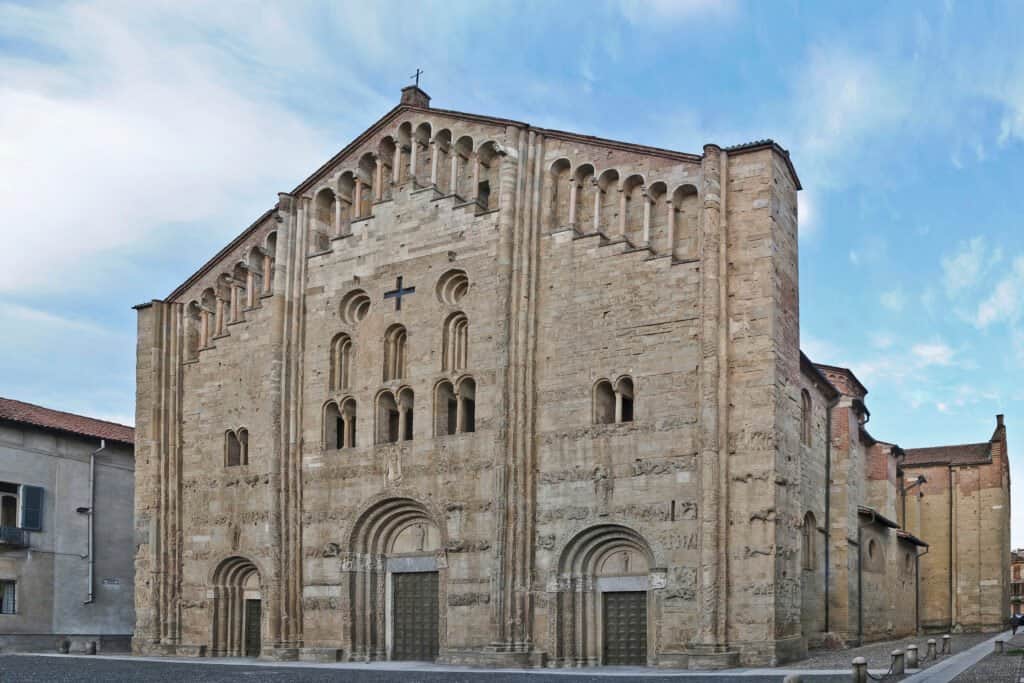
San Michele Maggiore Church
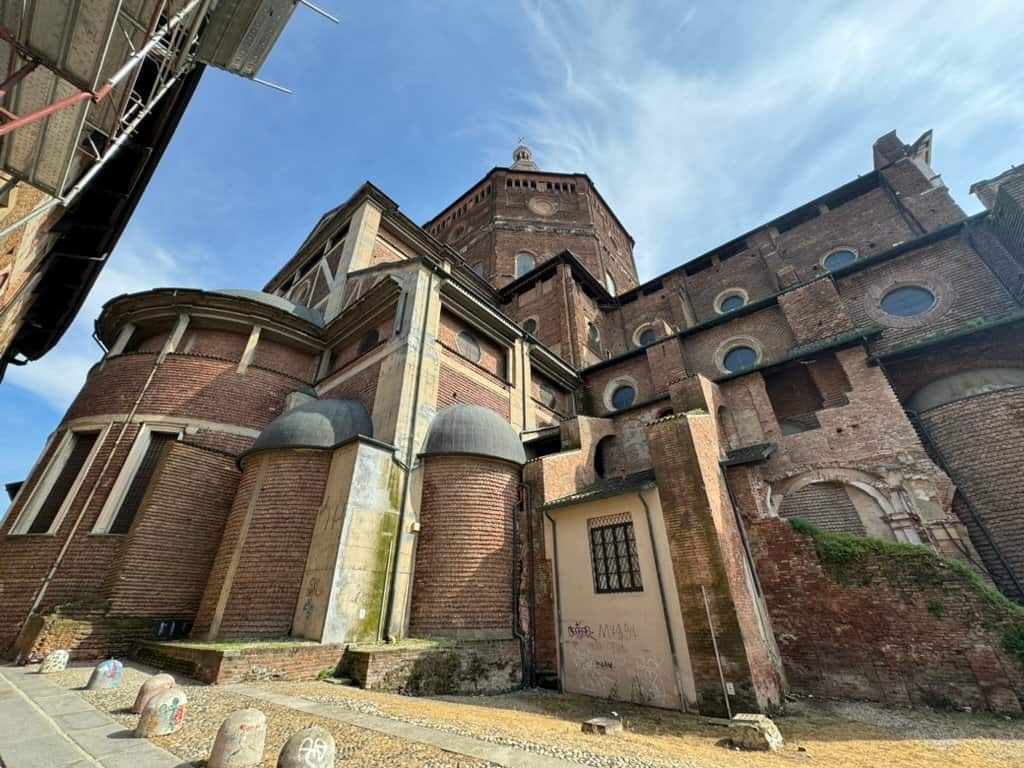
Cathedral of Pavia
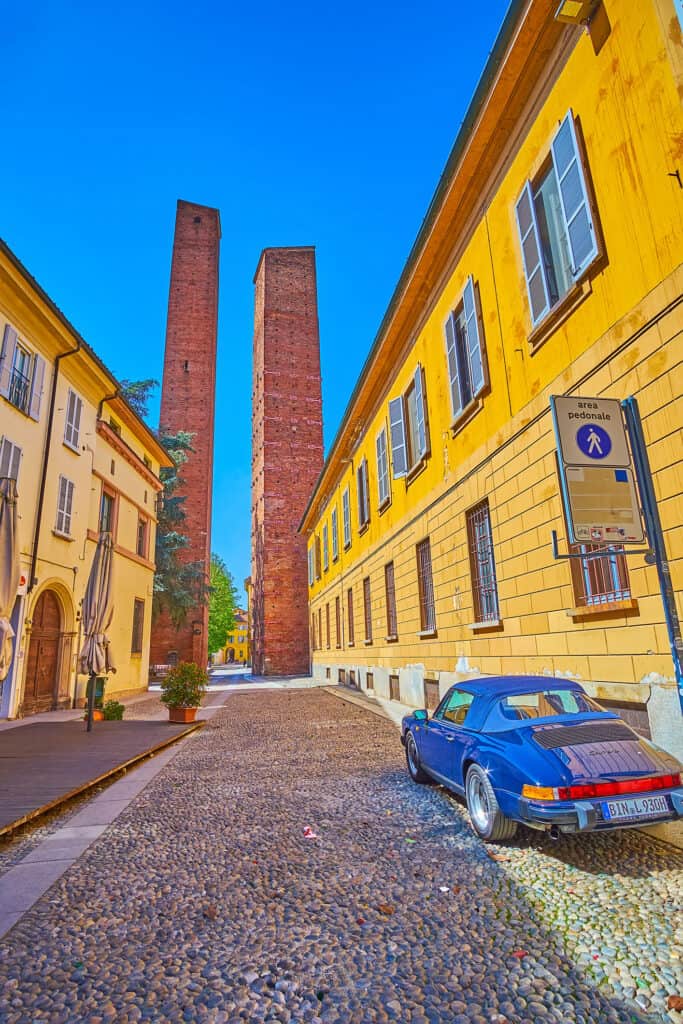
Towers of Pavia (Torri di Pavia)
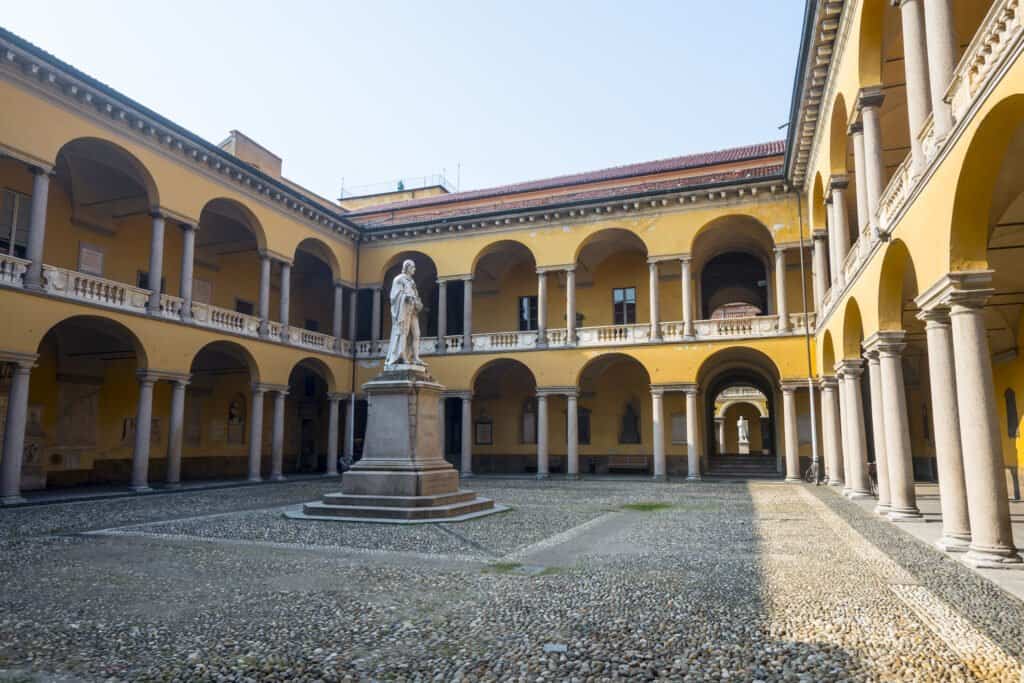
The University of Pavia
Places to eat or drink near Pinacoteca di Brera

Pasticceria Vigoni

Pizza e Mozzarella
![[LA] Gelateria della Musica](https://lh3.googleusercontent.com/grass-cs/AABkmLezQ1aahZ3Sj4IKvguuB34dH27jVTId85hNXzYEv9WG7GfBYHmI1cwHUPQVisLeNLAKCNmd1glh0QlkPrqj2oRaVJ7D4jkdmWOq7BbYLzAtEceYr8t1MxXkfmk96U5ezHE2vYUBkvyeVynx=s4800-w1600-h1600)
[LA] Gelateria della Musica

Officina Milano
More places in Milan

miscusi Milano Centrale

Brera District
Reminisce The Good Ol’ Days At La Scala
