
 Posted by Brandon B.Admin
Milan's Most Beloved Green Space
Sempione Park sits just behind the Castello Sforzesco in the Magenta neighborhood, and on any given afternoon it pulls in an eclectic mix of people: dog walkers, students with textbooks, families on bikes, and tourists who wandered over after the castle and never quite left. It covers around 47 hectares, making it by far the largest public park in central Milan. If you only have one afternoon to breathe actual air in this city, this is where you spend it.
The park opened to the public in 1888, designed by Emilio Alemagna, who modeled it on the English landscape garden tradition. Winding paths, irregular ponds, gentle rises and dips in the terrain. It was deliberately designed to feel unplanned, which is part of why it still works so well today.
Quick Facts
- Location: Piazza Sempione, behind Castello Sforzesco, Magenta district
- Size: approximately 47 hectares
- Designed by: Emilio Alemagna, opened 1888
- Entry: free, open daily
- Nearest metro: Cadorna (M1/M2) or Cairoli (M1), both roughly 10 minutes on foot
- Key landmarks inside: Torre Branca, Arco della Pace, Acquario Civico, Bar Bianco
Getting There
The most satisfying approach is through the Castello Sforzesco courtyard. You walk through the castle's main gate off Piazza Castello, cross the courtyard, and exit through the far end into the park. It takes about 5 minutes from the piazza and gives you the full sense of moving from dense city fabric into open green space.
If you prefer coming by tram, lines 1 and 19 stop near Largo Cairoli. Tram 10 passes along Via Legnano on the park's northern edge. Cycling is also a reasonable option since Milan's BikeMi sharing stations are dotted around the perimeter.
The Layout and Experience
Alemagna designed the park so you can never quite see the whole thing at once. The central lake is the visual anchor, and most people gravitate there first. Willows trail into the water, there are usually ducks, and on weekends in summer the area around the lake gets genuinely crowded.
The paths spread outward from the lake in curves rather than grids, which means you'll probably take a slightly different route every time you visit. The northern end near the Arco della Pace is more open and airy. The southern end, closer to the castle, feels more enclosed and shaded, which makes it useful on hot July afternoons when the rest of the city is an oven.
Bar Bianco, the park's main bar and restaurant, sits roughly in the middle. It becomes an outdoor social venue in warm weather, with tables spilling across the grass and occasional evening events. It's a good place to stop without committing to leaving the park entirely.
Main Highlights
Torre Branca
The Torre Branca is a steel tower built in 1933, designed by Gio Ponti for the fifth Triennale di Milano. It rises 108.6 meters and offers a panoramic view over the park, the castle, and the city. It operates on limited days and hours, so check current schedules before making it a centerpiece of your visit. Timed entry tickets are available at the base. The ascent is by elevator, and on a clear day you can see as far as the Alps.
Arco della Pace
Strictly speaking, the Arco della Pace stands at the park's northwestern edge rather than inside it, but it frames the entrance from Corso Sempione in a way that makes it feel like a threshold. Napoleon commissioned the arch, though it wasn't completed until 1838, well after his fall. The scale is impressive up close. The piazza around it is a popular evening gathering spot for younger Milanese.
Acquario Civico
The Civic Aquarium sits at the park's southern edge near the castle. Built in 1906 for the Milan International Exposition, it's one of the oldest aquariums in Europe still in operation. The building itself is worth a look for its Liberty-style facade decorated with marine motifs. Admission is charged separately from the park. It tends to appeal more to visitors with children, but the architecture alone is worth a few minutes of your time.
Triennale di Milano
The Triennale design museum borders the park to the southeast. Founded in 1923, it focuses on Italian and international design, architecture, and contemporary art. Rotating exhibitions mean the experience changes depending on when you visit. The museum has a well-regarded cafe and a terrace overlooking the park, which is worth a stop even if you skip the exhibitions inside.
History and Background
Before Alemagna arrived, this land served as the ducal hunting grounds attached to the Castello Sforzesco. The Visconti and later the Sforza family used it for centuries. When the Austrian administration controlled Milan in the early 19th century, parts of the grounds were used for military exercises. The transformation into a public park came after Italian unification, as part of a broader effort to modernize Milan and create civic amenities for a growing industrial city.
The 1888 opening was a significant public moment. The park was one of the first large green spaces in Italy designed explicitly for everyday public use rather than aristocratic leisure. That democratic intention has held, more or less, to the present day.
Best Time to Visit
Spring and early autumn are the most comfortable seasons. April and May bring the trees into full leaf without the August crowds. October offers cooler air and fewer tourists, and the light tends to be better for photography. Summer works if you arrive early, before 10am, or come back in the early evening when the heat drops and the park fills with a different, more relaxed energy.
Winter visits are underrated. The park is nearly empty on weekday mornings, the castle looks dramatic in grey light, and you can walk the full perimeter in about 40 minutes without fighting anyone for space. Bring a coat.
Photography Tips
The castle-facing view from inside the park, looking back south through the trees toward the Castello Sforzesco's towers, is one of the better architectural photographs you can take in Milan without paying admission anywhere. Best in morning light, before 9am if you want empty foreground.
The lake in autumn, when the surrounding trees are turning, photographs well at any time of day. The Torre Branca from below, framed by trees, makes a better image than the view from the top for most people. And the Arco della Pace at golden hour, shot from inside the park looking northwest toward Corso Sempione, earns its reputation.
Combining with Nearby Attractions
The Castello Sforzesco is the obvious pairing, and it makes sense to do both on the same visit. The castle museums include the Pietà Rondanini by Michelangelo, which alone justifies the admission. Budget at least 90 minutes for the castle if you go inside.
The Triennale and the Acquario Civico are both within a few minutes of the park entrance, so a half-day circuit of all four is very manageable. If you walk northwest along Corso Sempione after the park, you reach the Arco della Pace in about 10 minutes on foot, and the Isola neighborhood, one of Milan's more interesting areas for independent shops and aperitivo bars, is another 15 minutes beyond that.
Practical Tips
- The park is free to enter every day, but the Torre Branca and Acquario Civico each charge separate admission.
- Picnicking is allowed and common. There are benches near the lake and open grass areas throughout.
- Dogs are welcome on leads. The park is popular with dog owners, especially on weekend mornings.
- Bar Bianco tends to be busier on weekends. If you want a table, arriving before noon or after 4pm helps.
- Cycling is permitted on designated paths. BikeMi docking stations are available near the Cadorna and Cairoli entrances.
- Public toilets are available near the main entrances, though conditions vary.
- The park has several entry points. If you arrive from the Cadorna metro, the easiest entrance is along Viale Alemagna.
FAQ
Is Sempione Park free to visit?
Yes, the park itself has no entry fee. You pay separately if you want to go up the Torre Branca or visit the Acquario Civico.
How long should I plan for a visit?
A walk through the main areas of the park, including the lake and the area near the Arco della Pace, takes about an hour at a relaxed pace. Add time if you plan to visit the Triennale or climb the Torre Branca.
Is it safe at night?
The park closes at night and is generally considered safe during daylight hours. Like any large urban green space, it's worth staying to well-lit areas if you're visiting at dusk, particularly if you're alone.
Can I rent a bike inside the park?
You can't rent bikes inside the park, but Milan's BikeMi public bike-share system has docking stations near the perimeter entrances. You can pick up a bike there and return it to any station in the city afterward.
Opening hours
Reviews
Sign in and mark this place visited to leave a review.
No reviews yet.
Free Trip Planner
Plan your Italy trip with our free planner
Build a day-by-day itinerary with AI suggestions, hand-picked places, and friends. Free forever — no credit card.
Things to see near Sempione Park
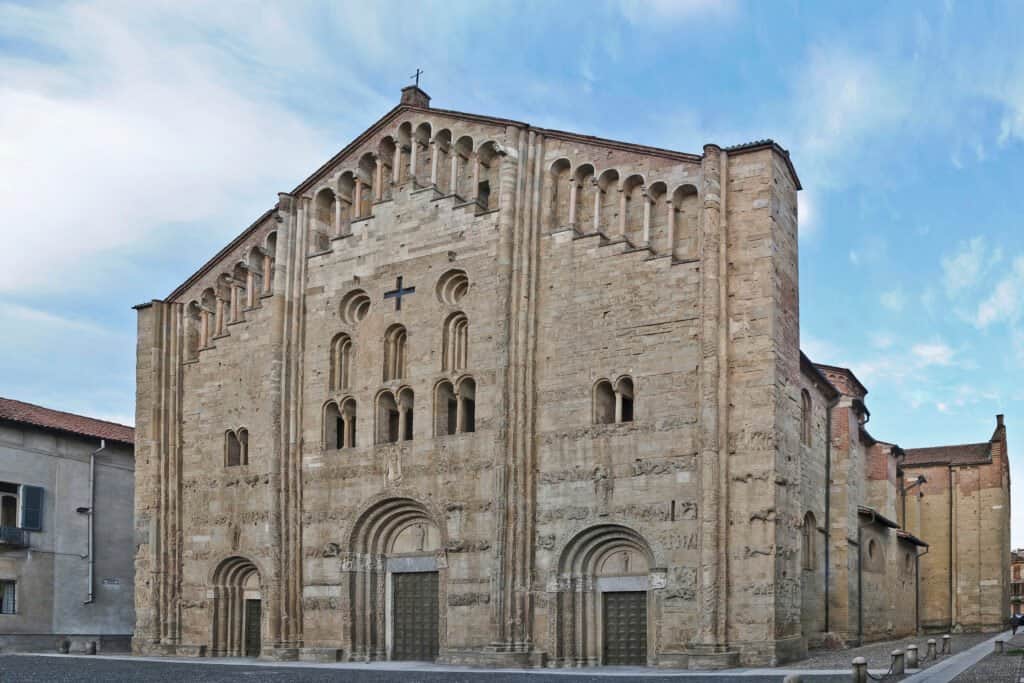
San Michele Maggiore Church
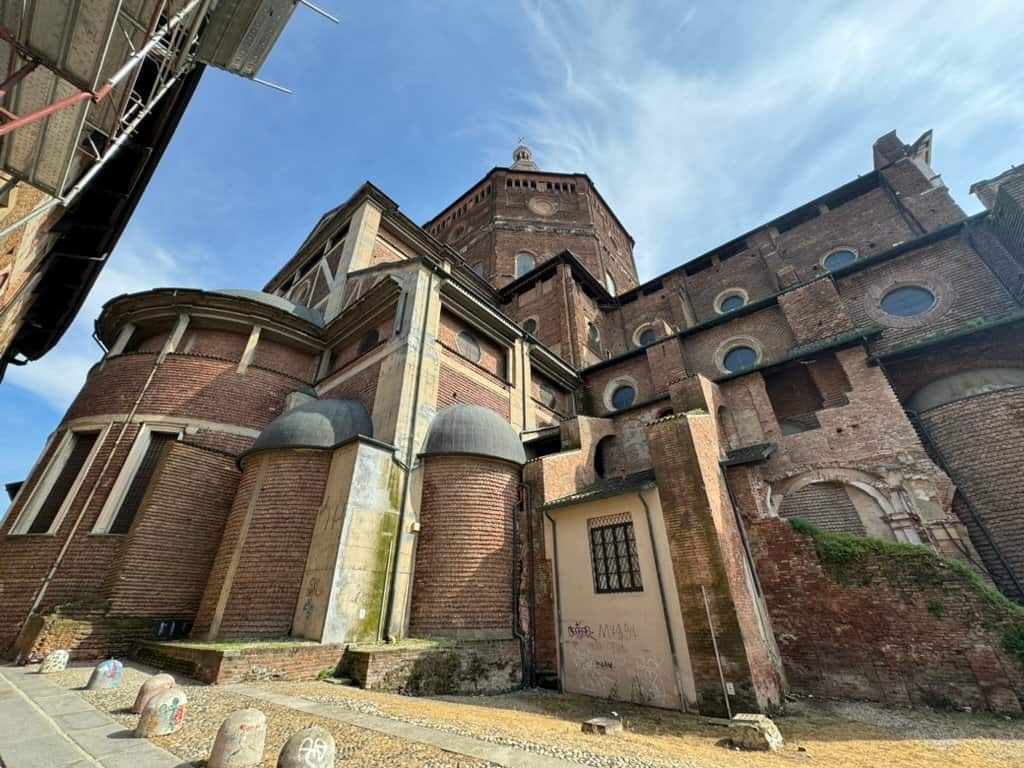
Cathedral of Pavia
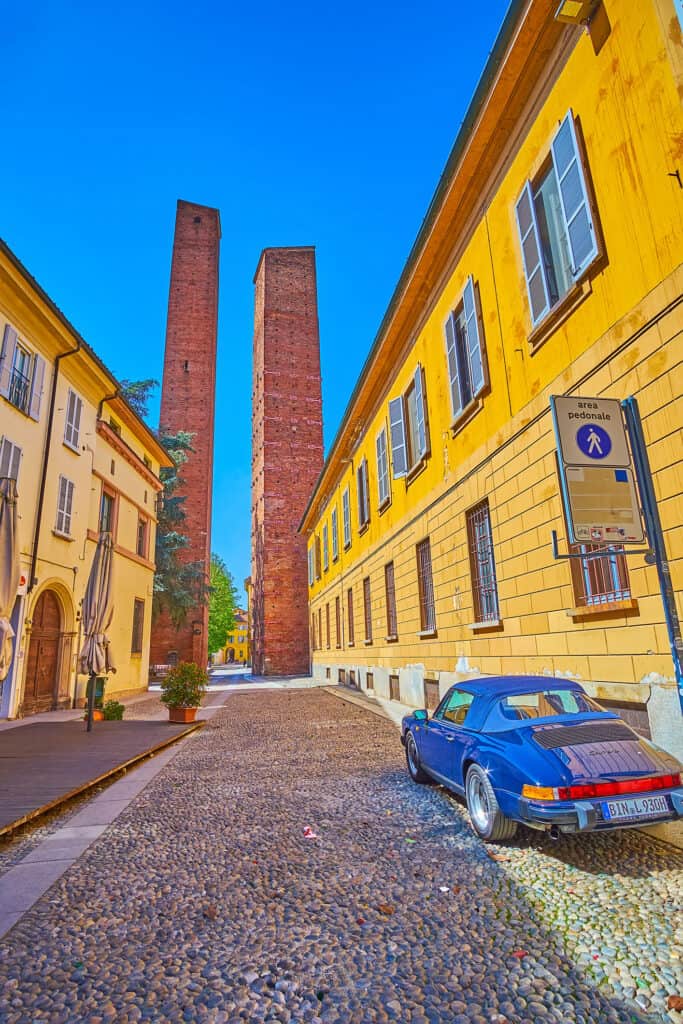
Towers of Pavia (Torri di Pavia)
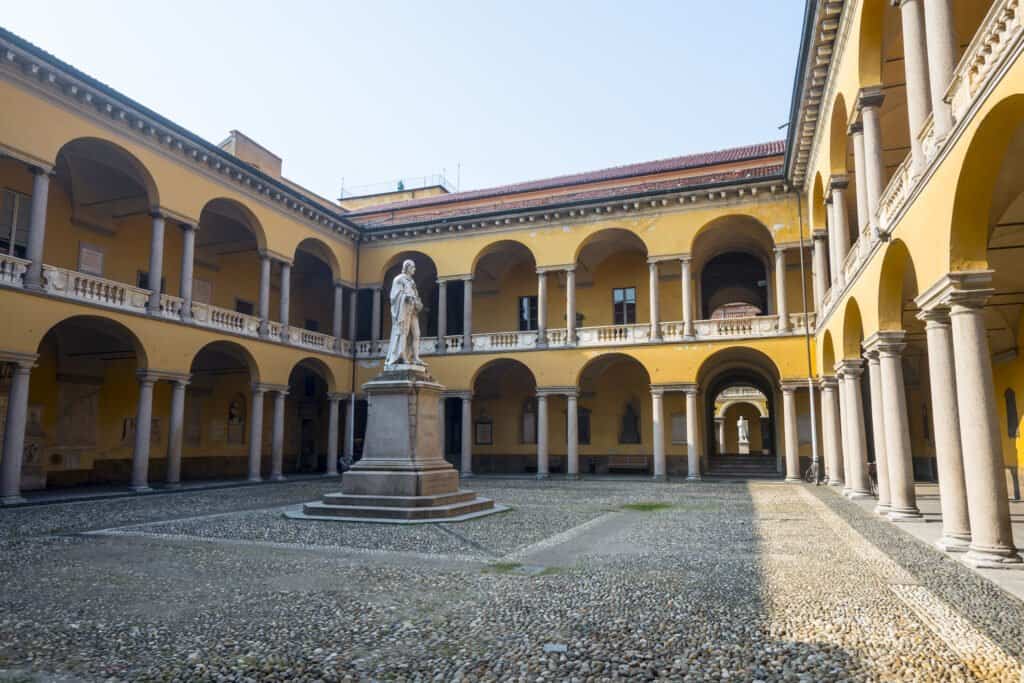
The University of Pavia
Places to eat or drink near Sempione Park

Pasticceria Vigoni

Pizza e Mozzarella
![[LA] Gelateria della Musica](https://lh3.googleusercontent.com/grass-cs/AABkmLezQ1aahZ3Sj4IKvguuB34dH27jVTId85hNXzYEv9WG7GfBYHmI1cwHUPQVisLeNLAKCNmd1glh0QlkPrqj2oRaVJ7D4jkdmWOq7BbYLzAtEceYr8t1MxXkfmk96U5ezHE2vYUBkvyeVynx=s4800-w1600-h1600)
[LA] Gelateria della Musica

Officina Milano
More places in Milan

miscusi Milano Centrale

Brera District
Reminisce The Good Ol’ Days At La Scala
