
Pucusana
Pucusana, PeruPucusana: A Fishing Village on Peru's Central Coast
Pucusana sits about 65 kilometers south of Lima, a working fishing village that has become a favored weekend escape for limeños seeking fresh seafood and coastal scenery without a long drive. The town clings to rocky cliffs overlooking the Pacific, its character shaped entirely by the sea. Colorful fishing boats crowd the small harbor, nets dry on the rocks, and the air carries the salt and fish smell that defines the place. Unlike the polished beach resorts further south, Pucusana retains the feel of a village where fishing still matters more than tourism.
Why This Place Matters
Pucusana represents a slice of Peru's fishing heritage that has largely disappeared elsewhere along the coast. The village economy still depends on daily catches rather than resort revenue. That dependence keeps the place authentic and, more practically, ensures you'll eat some of the freshest seafood available near Lima. The rocky coastline also differs sharply from the sandy beaches to the north, offering a different kind of Pacific experience.
Quick Facts
- Distance from Lima: approximately 65 kilometers, roughly 90 minutes by car depending on traffic
- Best visited: Tuesday through Thursday to avoid Lima weekend crowds
- Main season: October through May (spring and early summer)
- Primary activity: eating fresh seafood at waterfront restaurants
- No entrance fee; the village is freely accessible
- Altitude: sea level
Getting There
Most visitors drive from Lima via the Panamericana Sur highway heading south. The route is straightforward but can jam with weekend traffic leaving the capital on Friday afternoons and returning Sunday evenings. If you don't drive, colectivos (shared minibuses) depart from Lima's southern neighborhoods, though schedules vary and the journey takes longer with multiple stops.
The last stretch into Pucusana winds down a steep hill with tight switchbacks. The road is paved but narrow in places. Once you reach the bottom, the village spreads across a small bay. Parking near the main plaza or harbor can be tight on weekends, especially around lunch hours.
The Layout and Experience
Pucusana's geography is simple: a small harbor at the center, rocky cliffs on both sides, and a steep hill climbing up behind. The main plaza sits a few blocks inland from the waterfront. Most restaurants cluster along the harbor edge or on streets facing it, which means you're never far from the sea breeze and the sound of boats.
Walking through the village, you pass fishing supply shops, small markets selling produce and ice, and a few modest hotels. The streets are narrow and uneven. Stray dogs are common, as they are in most Peruvian coastal towns. The pace is slow on weekday mornings when boats are out, then picks up in the afternoon when the catch arrives and restaurants fill with locals.
The rocky shoreline offers viewpoints from several spots, particularly from the higher streets looking down over the harbor. There's no developed beach in town, though small coves exist on either side of the bay. Swimming isn't typical for visitors, partly because the water is cold even in summer and partly because fishing activities dominate the shore.
Main Highlights
The harbor itself is the main event. Watching fishermen unload the day's catch in late afternoon is free and worth timing your visit around. The boats are painted in bright blues, yellows, and greens, creating the kind of scene photographers seek out. The fish market operates alongside the restaurants, so you can see exactly what's available before ordering.
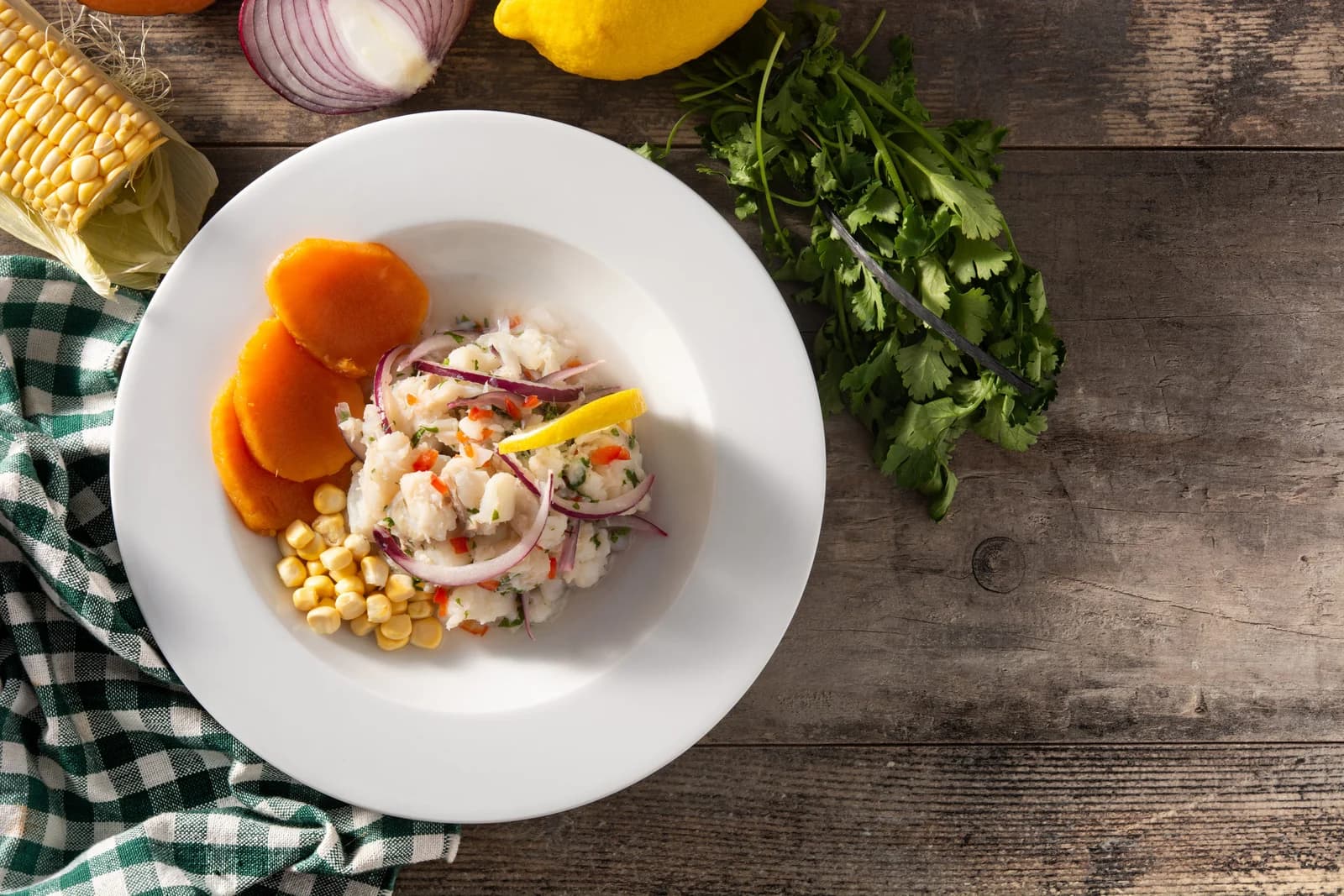
Eating at one of the waterfront restaurants defines the Pucusana experience. Most places are casual, with plastic chairs and simple tables, but the seafood is the point. Ceviche, grilled fish, octopus, and shellfish appear on every menu. The restaurants tend to be mid-range in price, affordable by Lima standards. Arriving around 1 pm on a weekday means shorter waits and a better sense of how locals eat rather than how tourists are fed.
The coastal views from the plaza and higher streets offer good vantage points for sunset, particularly on clear days. The light reflects off the water and illuminates the cliffs in orange and pink tones. Many visitors time their visit to eat late lunch and catch the sunset before driving back to Lima.
History and Background
Pucusana developed as a fishing settlement because of its protected bay and proximity to rich Pacific fishing grounds. The village remained small and primarily local until improved road access in recent decades made weekend visits from Lima feasible. The fishing industry continues to sustain the community, though tourism has added a secondary income stream.
The name Pucusana comes from Quechua, the indigenous language of the Andes, though the exact meaning is debated locally. The village's layout and architecture reflect its working-class origins rather than planned development. Buildings are functional, often painted in bright colors, and rarely more than three stories tall.
Best Time to Visit
October through May offers the warmest and clearest weather. December through February can be hot and occasionally cloudy, but the water is warmest and the light is strong for photography. June through September tends to be cooler and cloudier due to the Humboldt Current's influence on Peru's coast, though these months are less crowded.
Weekdays are significantly quieter than weekends. If you have flexibility, Tuesday through Thursday mornings offer the most peaceful experience and the shortest waits at restaurants. Avoiding Lima holidays and long weekends helps you experience the village as it normally functions rather than as a tourist destination.
Photography Tips
The harbor in late afternoon light, when boats return and the sun is lower, provides the most compelling shots. The colorful fishing boats contrast sharply against the blue water and rocky cliffs. Position yourself on the waterfront or from the streets overlooking the bay for the best angles.
The plaza area near the main church, particularly in early morning when the light is soft and the streets are empty, captures the village's quieter character. Sunset from the higher streets offers dramatic coastal views if clouds cooperate. Be respectful photographing fishermen and their boats, particularly during active unloading.
Facilities and Preparation
Pucusana has basic services but isn't equipped like a resort town. There are pharmacies, small grocery stores, and a few basic hotels if you want to stay overnight. ATMs exist but are limited, so arriving with cash is prudent. Most restaurants accept cash only, though some accept cards.
The weather can shift quickly. Bring layers even in warm months, as ocean breezes can cool the air rapidly, especially in evening. Sunscreen is essential; the reflection off water and rocks intensifies UV exposure. Comfortable walking shoes with grip are important because the streets are steep and uneven, and the waterfront rocks are slick.
Restaurants don't typically have set menus. The available dishes depend on what the boats caught that day. If you have strong food preferences or dietary restrictions, eating at a market stall with prepared food might be easier than relying on restaurant specials.
Combining With Nearby Attractions
Pucusana works well as a standalone day trip from Lima, but the area has other options if you're willing to drive a bit further. Chincha Province, about 200 kilometers south, contains archaeological sites and wine regions. The Ballestas Islands, famous for sea lions and guano birds, require a boat from Pisco, roughly 150 kilometers away.
Returning to Lima the same day is typical for most visitors. The drive back takes 90 minutes to two hours depending on traffic, making an evening departure from Pucusana feasible if you eat dinner by 7 pm.
Sample Visit Plan
Depart Lima around 10 am on a weekday, arriving by noon. Walk through the village, grab lunch at a harbor restaurant around 1 pm, and spend the early afternoon exploring the streets and viewpoints. Return to the waterfront around 4 pm to watch boats return and see the fish market activity. Stay for dinner around 6 pm, then drive back to Lima, arriving by 8 pm.
Practical Tips
- Eat lunch earlier than you would in Lima. Most restaurants serve actively from 12 to 3 pm, then quiet down until dinner around 6 or 7 pm
- Ask locals which restaurant has the best catch that day rather than choosing by appearance or menu
- Park near the plaza or at the top of the hill if the harbor lot is full; the walk down is steep but manageable
- Bring cash. Many places don't process cards, and ATMs are unreliable on weekends
- Avoid visiting on Sundays if possible; Lima traffic returning from the coast creates delays both ways
- The water is cold year-round. Swimming isn't the draw here
- Wear shoes with good grip. The rocks and wet streets are slippery
FAQ
How long should I spend in Pucusana? A day trip of 6 to 8 hours is typical. Some visitors stay overnight, which allows a more relaxed pace and the chance to experience the village in early morning before crowds arrive.
Is Pucusana safe? The village is generally safe for tourists, particularly during daylight hours and in the main areas. Petty theft is possible in crowded areas, so keep valuables secured and don't display cameras or phones ostentatiously.
Can I buy fish to take back to Lima? Yes. The market near the harbor sells fresh fish and seafood daily. Vendors can clean and fillet on request. Keeping it cold for the drive back requires an ice purchase or cooler.
Are there hotels in Pucusana? A few small, basic hotels exist, but they're modest and often fully booked on weekends. Most visitors treat Pucusana as a day trip from Lima rather than an overnight destination.
What's the signature dish? Ceviche is ubiquitous, but grilled fish of the day and octopus are equally excellent and often fresher because they don't require preparation time. Ask what arrived that afternoon.
Reviews
Sign in and mark this place visited to leave a review.
No reviews yet.
Free Trip Planner
Plan your Pucusana trip with our free planner
Build a day-by-day itinerary with AI suggestions, hand-picked places, and friends. Free forever — no credit card.
Related reading
Things to see near Pucusana



Places to eat or drink near Pucusana

Central Restaurante

Maido Lima – The World’s Best Restaurant 2026 — Traveler’s Guide

Māketto Lima
