
Qasr Al Hosn
Open now
Qasr Al Hosn
Rashid Bin Saeed Al Maktoum St(2nd St) - Al Hisn - W3 - Abu Dhabi - United Arab EmiratesAbu Dhabi's Oldest Building, Still Standing
Qasr Al Hosn sits at the center of Abu Dhabi in a way that goes beyond geography. This is the oldest stone building on the island, the original seat of the ruling Al Nahyan family, and the foundation around which an entire modern city grew. Most visitors pass through the surrounding downtown area without quite realizing what they're looking at. If you slow down and actually step inside, the place earns its reputation.
The fort and the cultural house attached to it have been through multiple waves of restoration. The complex reopened to the public after a long conservation effort, and it now functions as both a living museum and a civic landmark. You're standing at the origin point of Abu Dhabi itself.
Why Qasr Al Hosn Matters
The story of Abu Dhabi as a settled, permanent community starts here. The site began as a watchtower, likely built around 1760, constructed to protect a freshwater well that made year-round habitation on the island possible. Without that well, there's no Abu Dhabi. Without the tower to protect it, the settlement doesn't hold.
Over the following century and a half, the watchtower grew into a full fort, which grew into a palace complex. The Al Nahyan family used it as their primary residence until the 1960s, when the city began its rapid transformation. The building survived that transformation largely intact, which is more than can be said for most of historic Abu Dhabi.
What makes the site unusual in the Gulf context is that it's genuinely old. The region has no shortage of reconstructed heritage sites, and there's nothing wrong with that, but Qasr Al Hosn is the real thing. The original round watchtower still stands. You can put your hand on walls that are over two centuries old.
Quick Facts
- Location: Rashid Bin Saeed Al Maktoum Street (2nd Street), Al Hisn district, central Abu Dhabi
- Type: Historic fort, watchtower, and cultural house complex
- Age: The original watchtower dates to around 1760
- Admission: General admission applies; timed entry tickets are available and recommended
- Languages: Exhibits are presented in Arabic and English
- Photography: Generally permitted in most areas of the complex
- Dress code: Modest dress required; shoulders and knees should be covered
Getting There
The complex is on Rashid Bin Saeed Al Maktoum Street in the Al Hisn area, roughly in the center of the old downtown grid. If you're coming from the Abu Dhabi Corniche, it's about a 10-minute walk inland. From the Abu Dhabi World Trade Center, you're even closer. Taxis and ride-hailing apps drop you right at the entrance without issue.
Street parking exists nearby, though it fills quickly during weekends and events. If you're driving, give yourself extra time to find a spot. The nearest public bus stops are on Hamdan Street and Al Nasr Street, both within a few minutes on foot.
The Layout and Experience
The complex has two main structures: the fort itself (the qasr) and the Cultural Foundation building that sits adjacent to it. The fort contains the round watchtower, the inner courtyard, and a series of exhibition rooms that trace the history of Abu Dhabi's founding and growth. The Cultural Foundation houses additional galleries, a library, and event spaces.
The inner courtyard is worth time on its own. The architecture uses traditional materials and methods, including coral stone and gypsum plaster, and the proportions feel human-scaled in a way that stands in sharp contrast to the glass towers visible just beyond the walls. It's a genuinely striking juxtaposition, and not one you have to work hard to appreciate.
Plan on spending at least 90 minutes if you want to move through the main exhibits at a reasonable pace. The history of the Al Nahyan family, the pearl diving economy, and the early decades of the oil era are all covered. Some of the artifact collections are genuinely impressive, including weapons, manuscripts, and objects related to the regional pearl trade that sustained coastal communities here for generations.
Main Highlights
The Round Watchtower
This is the oldest part of the complex and the one detail that anchors everything else. The tower is compact, solid, and clearly built with defense in mind. Standing next to it gives you a sense of how small and exposed the original settlement must have felt on this flat island.
The Fort Walls and Courtyard
The outer fort walls were expanded and reinforced over the 19th century as the settlement grew in importance. The inner courtyard has a meditative quality, especially in the early morning before crowds arrive. The architecture is consistent with traditional Gulf fort design, using the same coral-stone techniques found in historic structures across the region.
The Permanent Historical Exhibitions
The exhibits inside cover Abu Dhabi's history from its founding through the discovery of oil and the formation of the UAE in 1971. The storytelling is well-organized and accessible. There are oral history recordings, archival photographs, and physical artifacts displayed with clear context. Even if you've visited other Gulf heritage museums, the material here is specific to Abu Dhabi and often covers details you won't find elsewhere.
Best Time to Visit
October through April is the most comfortable period weather-wise. Abu Dhabi summers are intense, and while the complex is partly air-conditioned, moving between spaces means dealing with the heat. If you're visiting between June and September, go early in the morning when temperatures are at their lowest.
Weekday mornings tend to be quieter than Friday or Saturday afternoons, when local families and tourists both tend to arrive. The Qasr Al Hosn Festival, held annually, draws large crowds and brings in additional performances and programming. It's worth attending if the timing works, but expect the site to be significantly busier than usual.
Photography Tips
The exterior of the fort photographs well in the late afternoon, when the light hits the pale stone walls and the surrounding palm trees cast long shadows. The tower and the fort walls together make a strong foreground against the modern skyline, particularly from the street-level approach on the western side.
Inside, the courtyard works well in the morning when the light is soft and the shadows are less harsh. Bring a wide-angle lens if you have one. The tight corridors and low doorways inside the fort are better suited to wider focal lengths than telephoto.
Combining with Nearby Attractions
The Corniche is about 10 minutes on foot and makes a natural pairing for an afternoon. Walk the waterfront, then loop back through the old downtown grid toward the fort. The Abu Dhabi Heritage Village at the Marina is further along the Corniche and covers complementary material on traditional Emirati life, though the two sites don't need to be seen on the same day to make sense of each other.
The area around Al Hisn also has several traditional souks within walking distance. Madinat Zayed Shopping Centre is nearby and has a gold souk section if you want to see traditional trade in a more contemporary setting. It's not a stretch to build a full half-day around this part of the city.
Practical Tips
- Book timed-entry tickets in advance, especially on weekends and during festival periods
- Modest dress is required; a light scarf or layer is useful to have on hand if you're unsure
- The site is partly outdoors, so sun protection matters, particularly between March and October
- Audio guides or guided tours are sometimes available and add meaningful context to the exhibits
- The complex is generally accessible for strollers and wheelchairs in most areas, though some older sections have uneven surfaces
- Allow more time than you think you need. The historical exhibitions reward slow reading
- If you're visiting with children, the courtyard and tower are usually the biggest draw
FAQ
Is Qasr Al Hosn suitable for children?
Yes, though younger children may engage more with the physical spaces (the tower, the courtyard, the fort walls) than with the text-heavy exhibitions. The scale of the architecture tends to land well with kids.
How long should I plan for the visit?
A thorough visit covering the main fort and the permanent exhibitions takes around 90 minutes to two hours. You can move through faster, but you'd be skipping material worth reading.
Is photography allowed throughout?
Photography is permitted in most areas. Specific exhibition rooms may have restrictions, which are clearly posted. When in doubt, check with staff on site.
What's the difference between the fort and the Cultural Foundation?
The fort is the historic structure, including the original watchtower and walls. The Cultural Foundation is the adjacent building that houses additional galleries, event programming, and a library. They're part of the same complex but serve different functions.
Can I visit without booking ahead?
Walk-in entry is sometimes possible during quieter periods, but timed-entry tickets can sell out on weekends and during special events. Booking online before you arrive is the safer approach.
Opening hours
Reviews
Sign in and mark this place visited to leave a review.
No reviews yet.
Free Trip Planner
Plan your Abu Dhabi trip with our free planner
Build a day-by-day itinerary with AI suggestions, hand-picked places, and friends. Free forever — no credit card.
Related reading
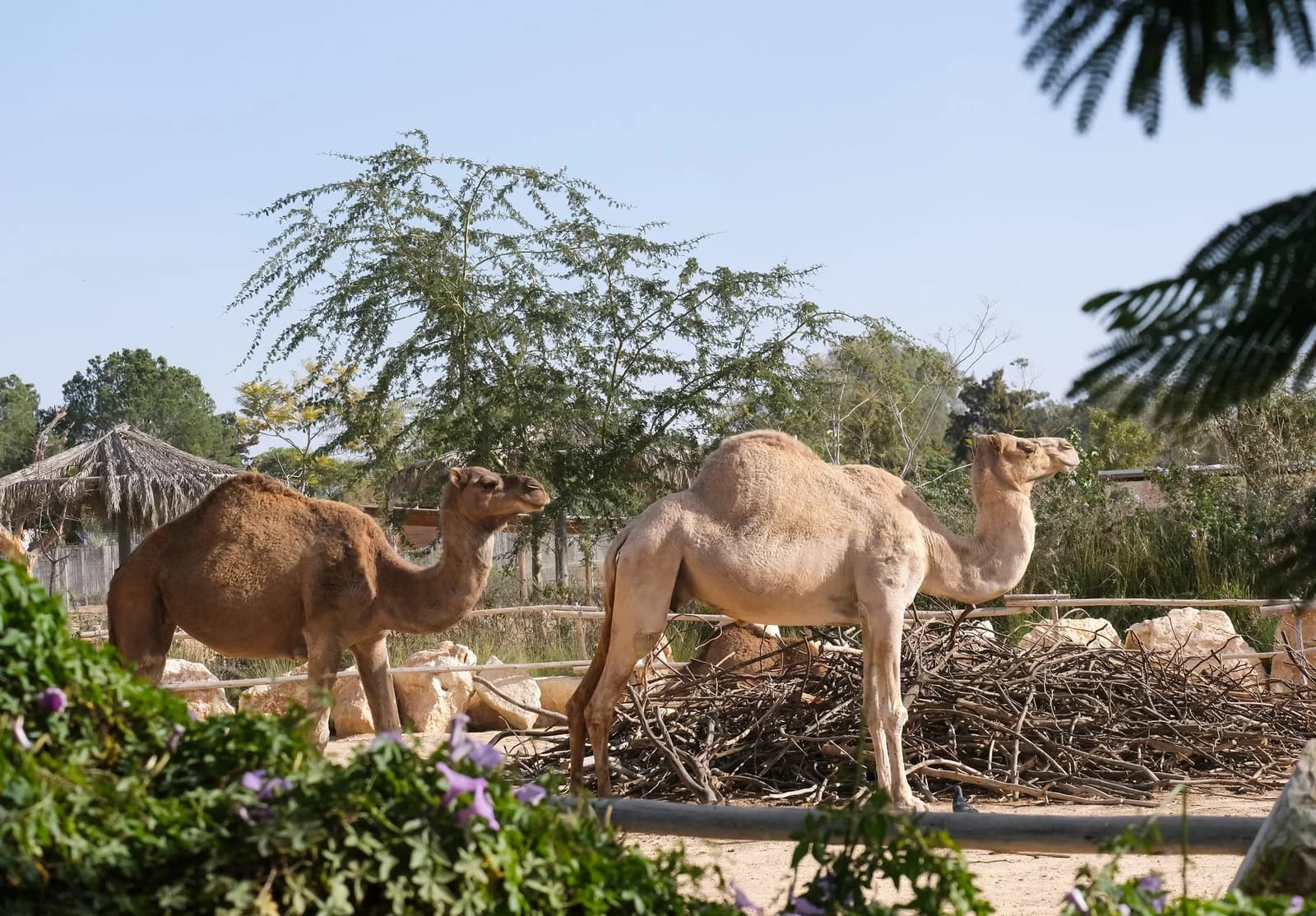
Explore Al Ain Zoo With Kids: What Families Can See and Do

From Sky-High Thrills to Sunset Fairways: 5 Must-Try Experiences on Yas Island
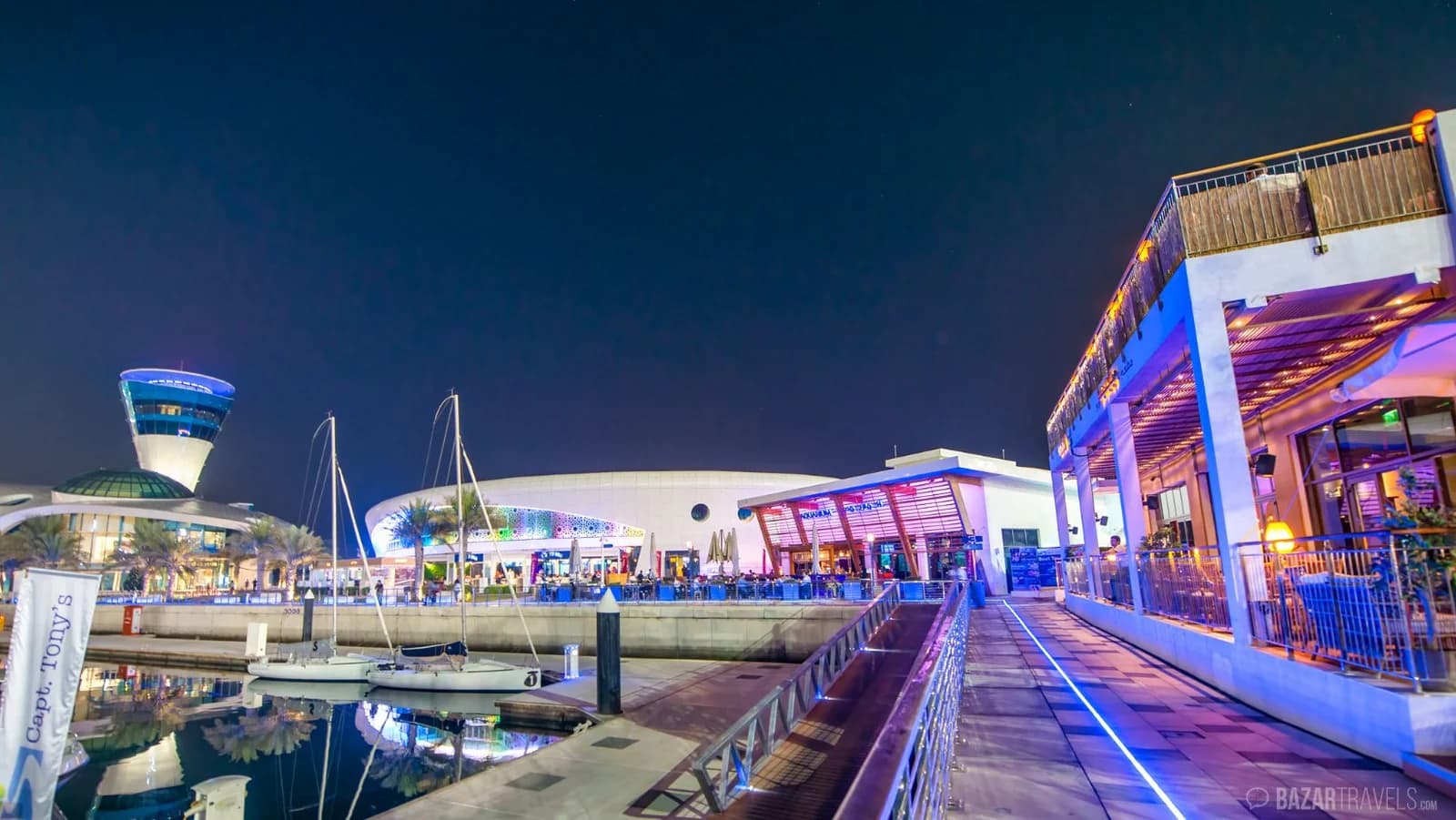
Beyond a Regular Park Visit: Experiences That Make SeaWorld Yas Island, Abu Dhabi More Memorable
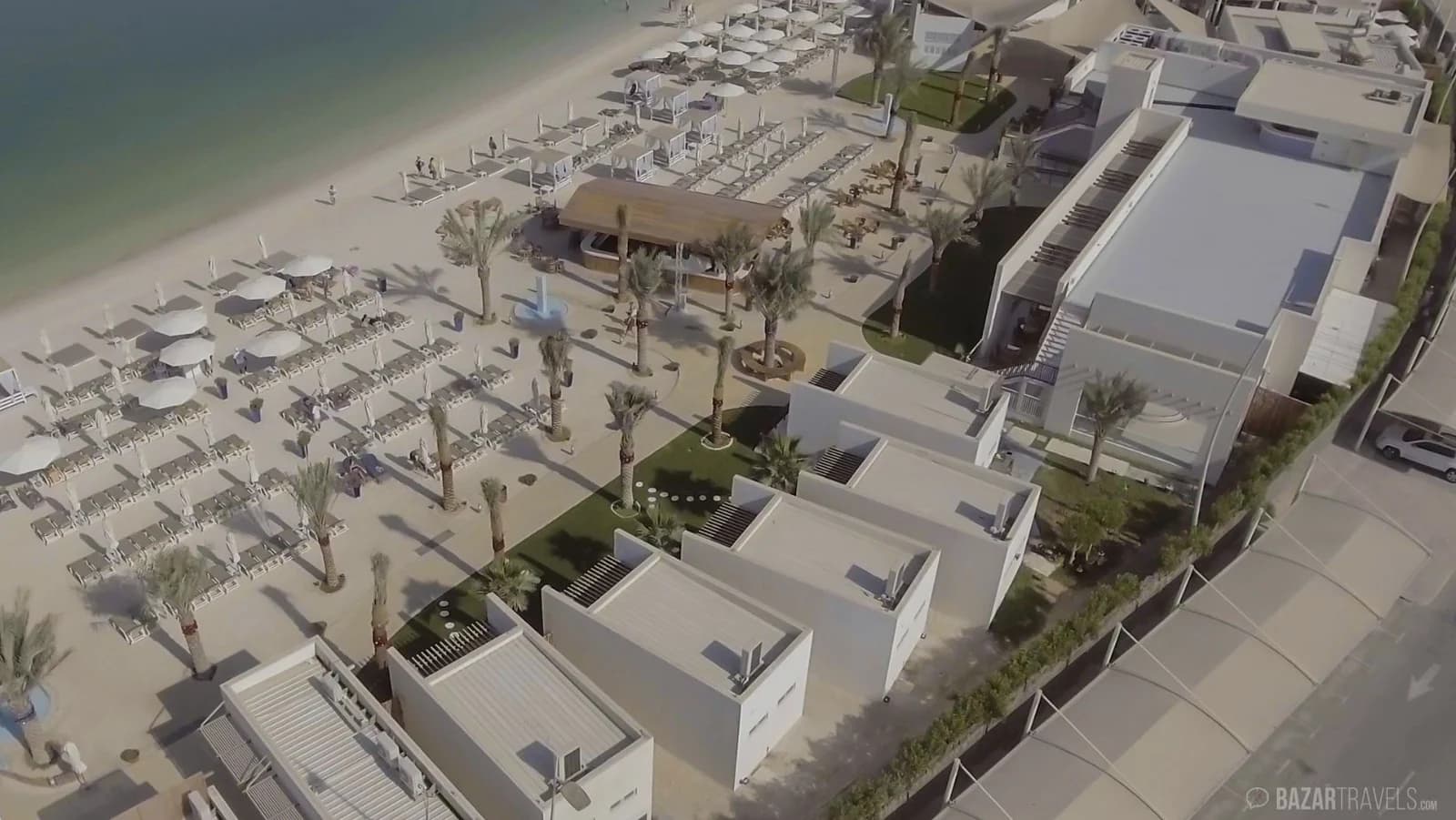
5 Ways to Turn a Great Day at Yas Waterworld Yas Island, Abu Dhabi Into an Unforgettable One
Things to see near Qasr Al Hosn

Abu Dhabi Falcon Hospital

Aldar HQ Building

Mangrove National Park

Etihad Towers
Places to eat or drink near Qasr Al Hosn

Sofra BLD

The Grill

Madang Korean Restaurant

Ola Brasil Restaurant
More places in Abu Dhabi

Corniche Beach

The Corniche
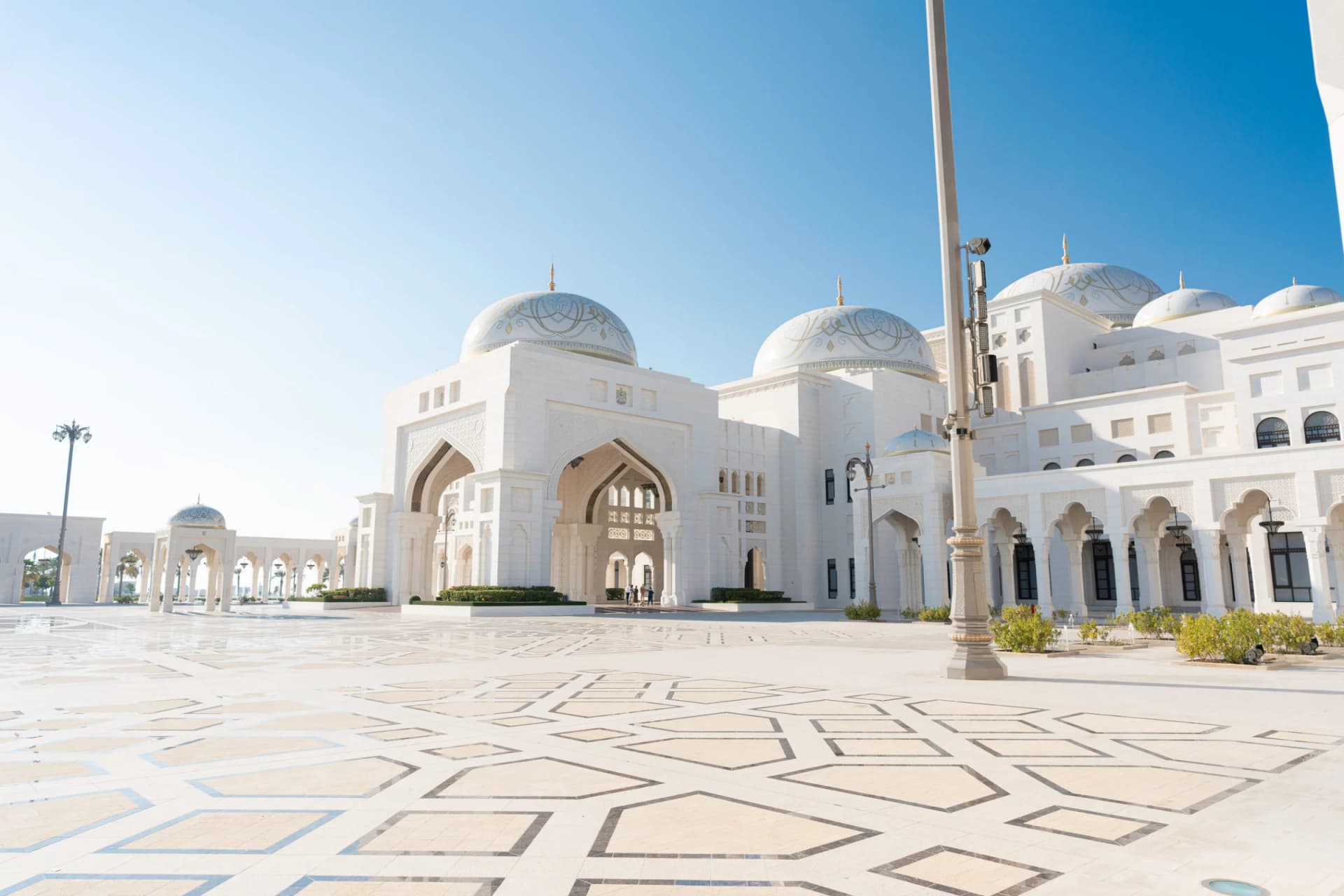
Qasr Al Watan
