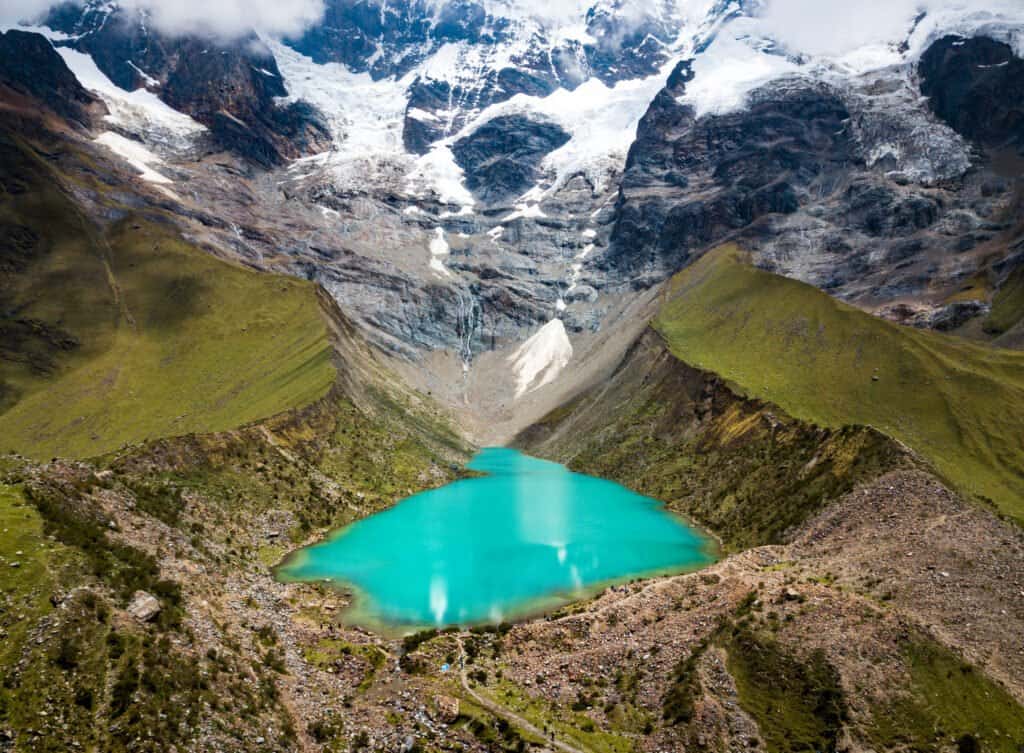
Rainbow Mountain
Calle Suecia 348, Cusco, Cusco, Peru Posted by Brandon B.Admin
What Makes Rainbow Mountain Worth the Effort
Rainbow Mountain, known locally as Vinicunca or Montaña de Siete Colores, sits at roughly 5,200 meters above sea level in the Andes outside Cusco, Peru. The striped mineral layers running across its flanks look almost painted on, and no photograph fully prepares you for the actual scale of the thing. It has become one of the most talked-about day trips from Cusco in recent years, and for good reason.
The colors come from different mineral compositions in the rock: red from iron oxide, yellow from sulphur, white from quartz, green from chlorite. The mountain was hidden under glacial ice until relatively recently, which is part of why it only entered mainstream tourism in the mid-2010s. Before that, it was largely known only to the local Quechua communities who have grazed alpaca across these highlands for generations.
It is genuinely spectacular. It is also genuinely hard. Going in with clear expectations of both things will make your visit far more enjoyable.
Quick Facts
- Elevation at the summit viewpoint: approximately 5,200 meters (17,060 feet)
- Distance from Cusco: roughly 3 hours by road, depending on road conditions
- Trek to the viewpoint: around 5 to 7 kilometers round trip on foot from the trailhead
- Typical tour departure time: very early morning, often before 4am from Cusco
- Entry requires a ticket purchased at the site or through a tour operator
- Horses are available to hire at the trailhead for those who need them
- The area sits within a protected natural zone managed by local communities
Getting There
Almost everyone visits Rainbow Mountain as part of an organized day tour departing from Cusco. The tours typically leave from the Miraflores or San Blas areas of the city and include transport, a guide, and sometimes breakfast. Independent travel is possible but logistically complicated: the road to the trailhead requires a capable vehicle, and navigation in the dark is genuinely tricky.
The drive itself takes you through small Andean villages and past wide open altiplano before the road gets rough toward the end. Budget tours exist, as do more premium options that include smaller group sizes and acclimatization guidance. If you're prone to altitude sickness, the premium operators tend to carry supplemental oxygen.
From the trailhead, the trek to the main viewpoint takes most visitors between 1.5 and 2.5 hours depending on fitness and how altitude is affecting them. The path is well-worn and clearly marked. The final stretch is steep.
The Trek and What to Expect
The trail starts at the community checkpoint where tickets are collected, and from there it climbs steadily through open grassland dotted with ichu grass and the occasional alpaca herd. The landscape feels vast and empty in a way that's hard to describe if you've only ever hiked in forested terrain.
Altitude is the main challenge. At 5,200 meters, the air contains significantly less oxygen than at sea level, and even fit travelers can find themselves stopping every few minutes on the upper section. Locals sell coca leaves and coca tea along the trail, which many hikers swear by for managing symptoms. Whether or not they work is something you'll hear debated at every hostel in Cusco.
The viewpoint itself is a wide ridge with the full rainbow flanks visible below and around you. On clear days, you can also see Ausangate, the sacred snow-capped peak that towers above the surrounding range. Most tours allow 45 minutes to an hour at the top before heading back down.
The descent is faster and considerably easier on the lungs, though harder on the knees.
History and Background
The Quechua communities of the Cusipata and Pitumarca districts have managed these lands for centuries. Ausangate, visible from the Rainbow Mountain ridge, is one of the most sacred Apus (mountain spirits) in Andean cosmology and draws pilgrims every year for the Qoyllur Riti festival, which has roots going back well before Spanish colonization.
Vinicunca itself entered broader public consciousness around 2015 and 2016 when images began circulating online. Visitor numbers climbed sharply after that. The local communities now manage entry fees and tourism infrastructure, meaning your ticket money stays largely in the region rather than going to outside operators.
Best Time to Visit
The dry season, roughly May through October, offers the most reliable conditions. Clear skies in the morning are common during these months, and the colors show up most vividly in direct sunlight. The wet season from November through April brings clouds and rain that can obscure the mountain entirely, and the trail becomes muddy and harder to navigate.
Even in dry season, weather at altitude shifts fast. Most tours aim to reach the summit by mid-morning specifically to beat the afternoon clouds that tend to roll in after noon. Arriving early is not optional here, it's the whole strategy.
Snow is possible any time of year at this elevation. Frost on the trail in the early morning hours is common even in peak season.
Photography Tips
The light is at its best when you arrive early, before the midday haze and before the crowds build up on the ridge. The colors are most saturated on sunny mornings, and the contrast between the mineral stripes and the blue Andean sky is what makes the best images.
Wide angle shots from the main viewpoint capture the full scale of the mountain. For more detail on the individual color bands, a longer focal length works well from the same position. The alpacas grazing on the lower slopes add scale and context if you can get them in the frame without chasing them.
Protect your camera gear from dust on the drive out. The dirt road kicks up a lot of particulate, especially in dry season, and fine Andean dust gets into everything.
Facilities and Preparation
There are basic toilet facilities at the trailhead and at the viewpoint. Food stalls near the start sell hot drinks, snacks, and simple meals. Do not expect much beyond that.
Preparation matters more here than on most day trips. Spend at least two full days in Cusco acclimatizing before attempting this trek. Cusco itself sits at 3,400 meters, and most visitors coming from lower elevations feel the altitude there before they even think about going higher.
- Wear layers. Temperature swings of 20 degrees Celsius between morning and midday are normal
- Waterproof outer layer is essential regardless of season
- Sunscreen at altitude is non-negotiable. UV exposure is extreme above 4,000 meters
- Bring more water than you think you need. A minimum of 2 liters for the trek
- Trekking poles help significantly on both the ascent and descent
- Horses are available for hire at the trailhead for those who find the altitude too difficult
- Altitude medication like acetazolamide should be discussed with a doctor before your trip
Combining with Nearby Attractions
Many tours combine Rainbow Mountain with a stop at Red Valley, a secondary viewpoint about 30 minutes further along the ridge from the main summit. It sees far fewer visitors and offers a completely different perspective on the landscape. If your tour includes it and your body is cooperating, it's worth the extra effort.
The Ausangate full circuit is a multi-day trekking route through the same range for hikers who want to go deeper. It typically takes four to five days and passes through some of the most remote Andean scenery in the Cusco region. Rainbow Mountain sits along one section of that route.
Back in Cusco, the Qorikancha temple complex and the San Pedro market are both within easy walking distance of most accommodations in the historic center and make for a good recovery day activity after the trek.
Practical Tips
- Book your tour at least a day in advance during peak season. Spaces fill up
- Read what your tour includes before paying. Breakfast, oxygen, and smaller group sizes are worth asking about
- Do not attempt Rainbow Mountain on your first day in Cusco
- Cash in Peruvian soles is useful for horse hire, food stalls, and tips for guides
- If you feel seriously unwell during the trek, turn around. Altitude sickness can escalate quickly
- Dress in more layers than you think you need at 4am when the bus is leaving
FAQ
How fit do you need to be to hike Rainbow Mountain?
You don't need to be an athlete, but reasonable baseline fitness helps. The main challenge is altitude, not technical difficulty. Slow and steady tends to work better than pushing hard. Many people in ordinary health complete it after proper acclimatization in Cusco.
Is it possible to visit without a tour?
Technically yes, but it requires your own transport and solid navigation. The vast majority of visitors go with an organized tour, and for a first visit it makes far more sense logistically.
What happens if the mountain is clouded over?
It happens, particularly outside dry season. There's no refund mechanism for weather. Choosing your travel dates carefully and going in dry season reduces the risk significantly, but nothing guarantees a clear summit.
Are children able to do this trek?
Older children who have acclimatized and are comfortable with sustained uphill walking can manage it. The altitude is the primary concern. Horse hire is available if a child struggles partway up. Very young children are not recommended for this elevation.
Reviews
Sign in and mark this place visited to leave a review.
No reviews yet.
Free Trip Planner
Plan your Cusco trip with our free planner
Build a day-by-day itinerary with AI suggestions, hand-picked places, and friends. Free forever — no credit card.