
 Posted by Brandon B.Admin
Salvia, Machu Picchu's Quietly Serious Restaurant
Finding a restaurant worth lingering over in Machu Picchu town is harder than it sounds. Most places along the main drag cater to exhausted trekkers who want hot food fast, which is understandable. Salvia, on Avenida Pachacutec, takes a different approach. The kitchen here treats Andean ingredients with actual care, and the result is one of the more memorable meals you can have in the Sacred Valley region without traveling back down to Cusco.
What the Kitchen Is Known For
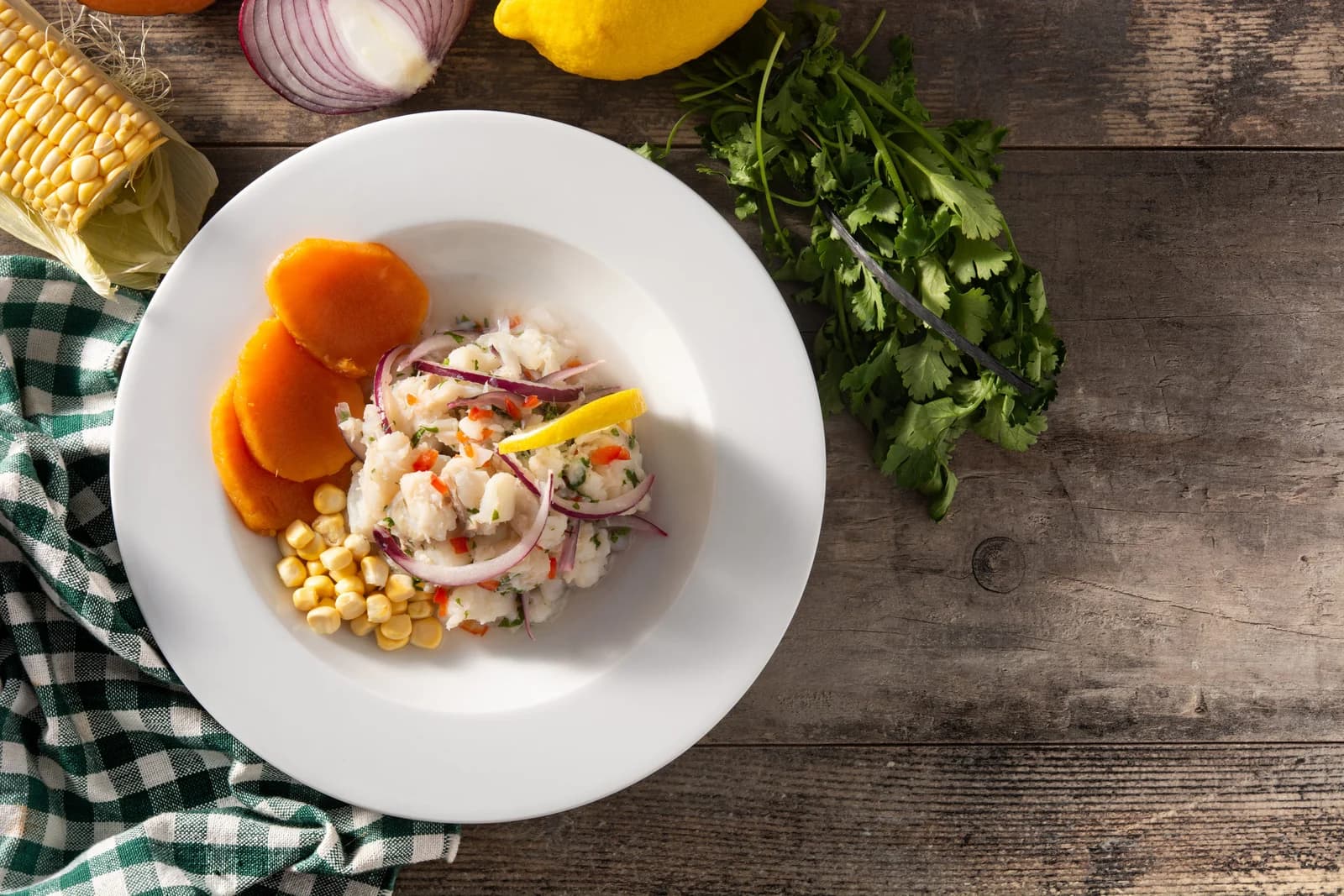
Salvia has built its reputation around Peruvian cuisine with a strong regional identity. The cooking tends to draw on highland staples like native potatoes, quinoa, and local herbs, prepared in ways that feel considered rather than touristy. Ceviche often appears on the menu in some form, though the kitchen typically leans into slower, warmer preparations that make sense at altitude.
The alpaca dishes are worth paying attention to. Alpaca meat is lean and slightly gamey in a way that rewards good seasoning, and the kitchen here generally knows what to do with it. If you see a preparation involving aji amarillo or huacatay, those are good signs you're looking at something cooked with local knowledge rather than a generic Peruvian restaurant template.
Pisco-based drinks often feature on the bar side of things, and a well-made pisco sour before your meal is not a bad way to start an evening at 2,040 meters above sea level.
Atmosphere and Setting
The space on Avenida Pachacutec is relatively intimate. Machu Picchu town, also called Aguas Calientes, is compact by design, and the restaurants here tend to feel small regardless. Salvia leans into that rather than fighting it. Expect a warm interior rather than a sprawling dining room.
Evenings here have a noticeably different energy than lunch. The day-tripper crowd has mostly caught the afternoon train back down, and the guests who remain tend to be people staying overnight, which means the room feels calmer and more relaxed after around 7pm. If your schedule allows, that's the window worth aiming for.
Service and Experience
Service at Salvia is generally attentive without being hovering. Staff tend to speak enough English to walk you through the menu, which matters in a town where menus sometimes exist only in Spanish. That said, making an effort with a few words in Spanish is always appreciated and occasionally results in better recommendations.
Pace yourself. This is not a place to rush through a meal. The altitude alone will slow you down, and the kitchen seems to understand that guests arriving from a day at the ruins are not always in a hurry once they sit down.
Reservations and Waits
Machu Picchu town has a limited number of restaurants worth seeking out, and word travels fast among travelers staying overnight. Salvia does fill up, particularly during high season between June and September when visitor numbers in the area peak. Walking in without a reservation during those months is a gamble.
If you're planning a night in Aguas Calientes, it's worth contacting the restaurant in advance or asking your hotel to call ahead. Booking even a day ahead often makes the difference between a table and a disappointment.
Best Time to Visit
Dinner, most evenings. The lunch crowd in Aguas Calientes is heavy and fast-moving, driven by the train and bus schedules that funnel visitors in and out of the ruins. By evening, the town settles into something more like itself. You'll have more time, the kitchen will have more time, and the meal will be better for it.
Shoulder season, meaning April, May, October, and November, tends to bring a more manageable pace to the town overall. Fewer visitors, shorter waits, and staff who are slightly less stretched.
Neighborhood and Location Context
Avenida Pachacutec is one of the main commercial streets in Aguas Calientes, running roughly through the center of town. The train station is within a 10-minute walk from most points along the avenue, and the bus stop for the ruins is nearby. Salvia sits at number 705, which puts it within easy reach of the town's main plaza.
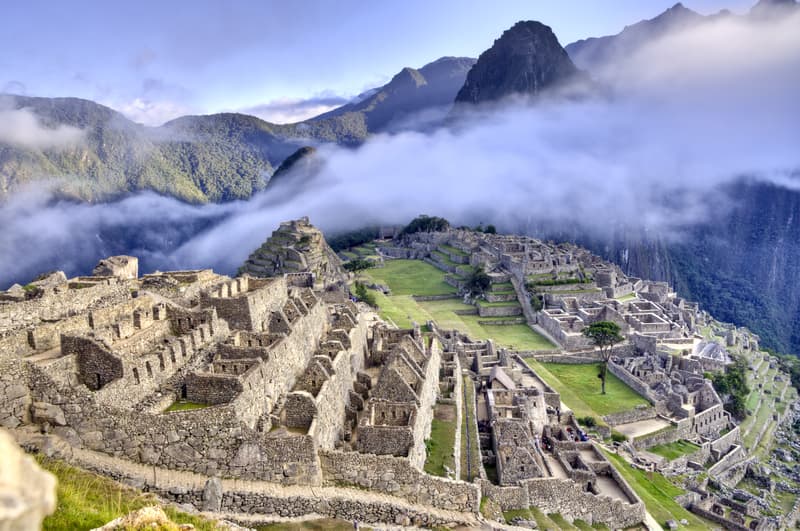
Aguas Calientes itself is essentially a one-industry town built around access to Machu Picchu, which sits about 400 meters above the town by road. The hot springs the town is named for are a short walk from the center if you want to soak your legs before dinner.
Who This Is For
Salvia works best for travelers who are staying overnight in Aguas Calientes and want a proper sit-down meal rather than a quick plate of rice and chicken before bed. It suits people with at least some interest in Peruvian cuisine beyond the basics, and those who appreciate a kitchen that takes regional ingredients seriously.
Solo travelers, couples, and small groups all fit comfortably here. It's less suited to large organized tour groups or anyone looking for a fast turnaround. If you've spent the day at the ruins and want a meal that feels like a reward, this is a reasonable place to spend your evening.
FAQ
- Do I need a reservation? During high season, yes. Even in quieter months, calling ahead is worth the effort given the limited seating in most Aguas Calientes restaurants.
- Is the menu in English? Menus often include English descriptions or staff can walk you through the dishes. It's not a barrier.
- Is Salvia good for vegetarians? Peruvian cuisine has strong vegetable traditions, and most restaurants in the region can accommodate vegetarians, though it's worth asking about specific dishes when you arrive.
- How far is it from the bus stop to the ruins? The bus stop for Machu Picchu is within a few minutes' walk of Avenida Pachacutec, making it easy to head straight to dinner after coming back down.
Reviews
Sign in and mark this place visited to leave a review.
No reviews yet.
Free Trip Planner
Plan your Machu Picchu trip with our free planner
Build a day-by-day itinerary with AI suggestions, hand-picked places, and friends. Free forever — no credit card.
Related reading
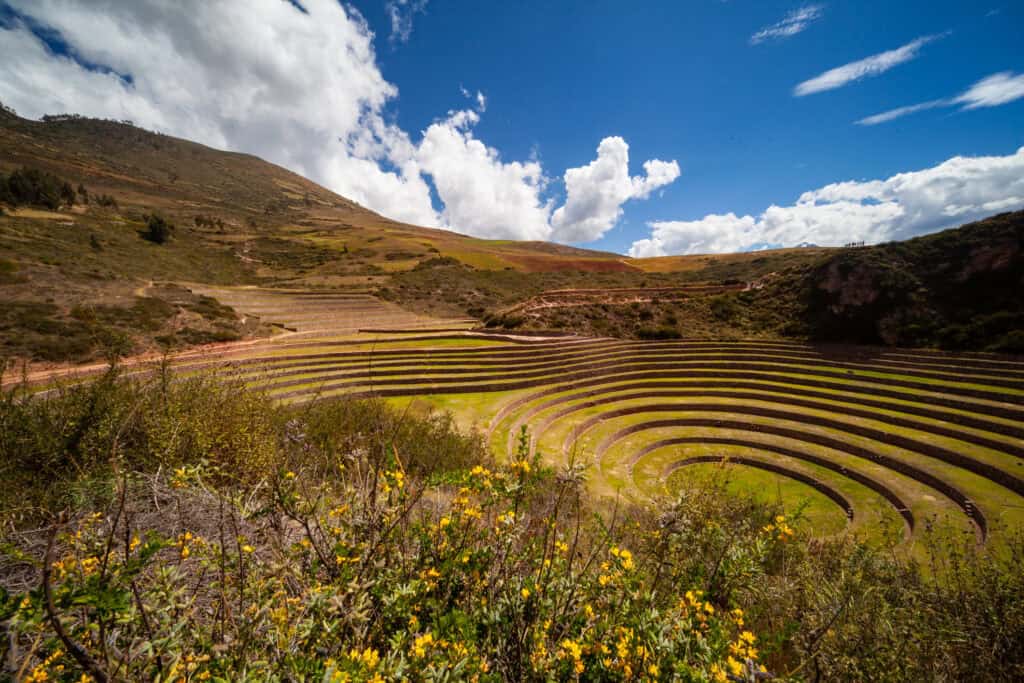
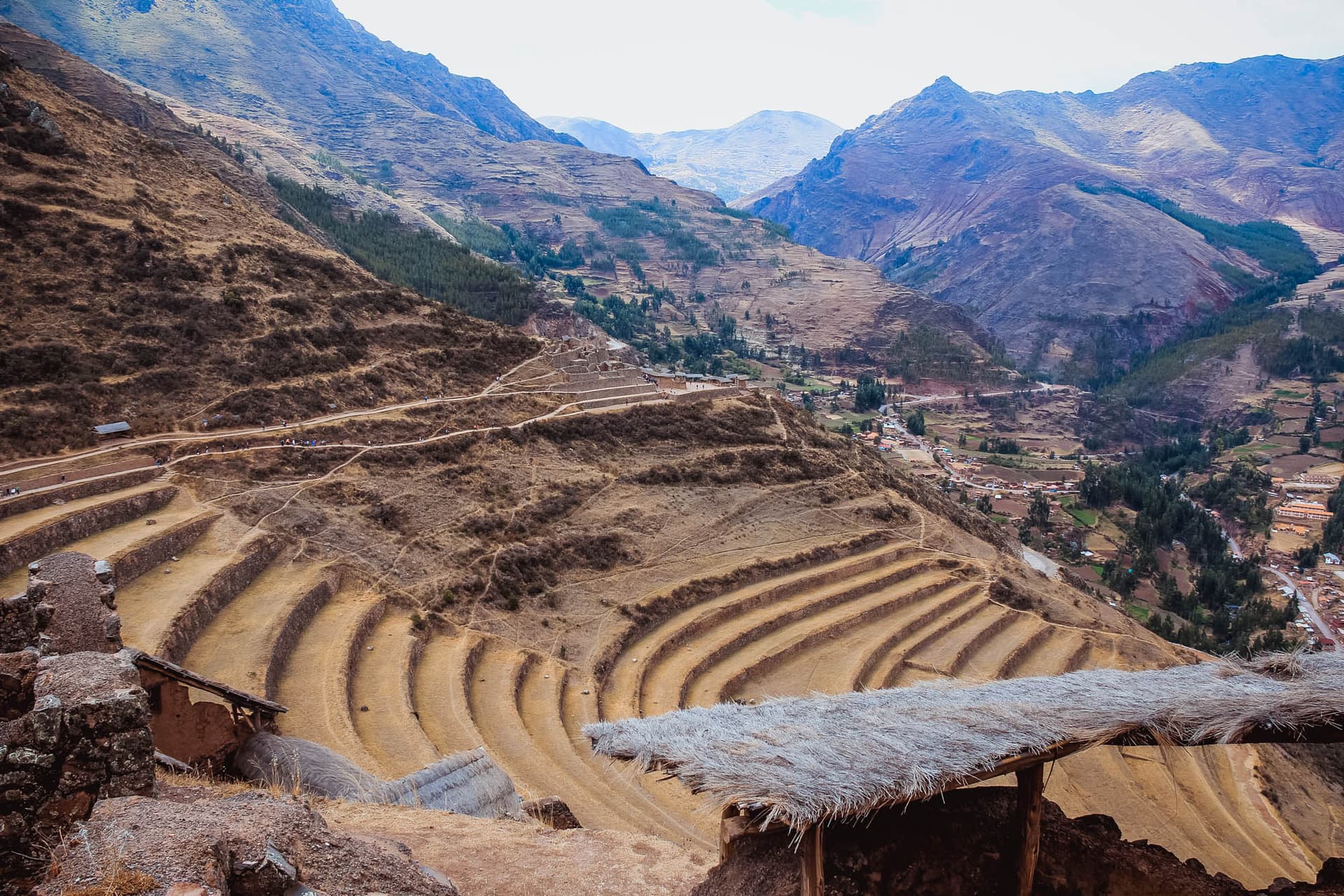
Things to see near Salvia

Places to eat or drink near Salvia

Tampu Restaurant at Sanctuary Lodge

Tinkuy Restaurant

Peru Cafe Machupicchu


