
 Posted by Brandon B.Admin
Eating Well in Aguas Calientes at Ayasqa
Aguas Calientes, the small town that sits at the base of Machu Picchu, has a reputation for tourist-trap dining. Ayasqa, on Avenida Hermanos Ayar, is one of the places locals and repeat visitors point you toward when you ask where to actually eat well. The name itself references the Quechua word for ayahuasca, the sacred plant of Andean tradition, and that connection to the highlands runs through everything from the decor to the plate.
It draws a mix of travelers who've done their homework and those who stumble in after a long day on the Inca Trail. Either way, most leave satisfied.
What the Kitchen Is Known For
Ayasqa has built a reputation around Peruvian cuisine with a strong Andean backbone. The kitchen tends to lean on high-altitude ingredients, things like native potato varieties, quinoa, and local herbs that don't always make it onto menus in the lower cities. If you're coming from Lima or Cusco and think you've already had Peruvian food covered, this kitchen often reframes that assumption.
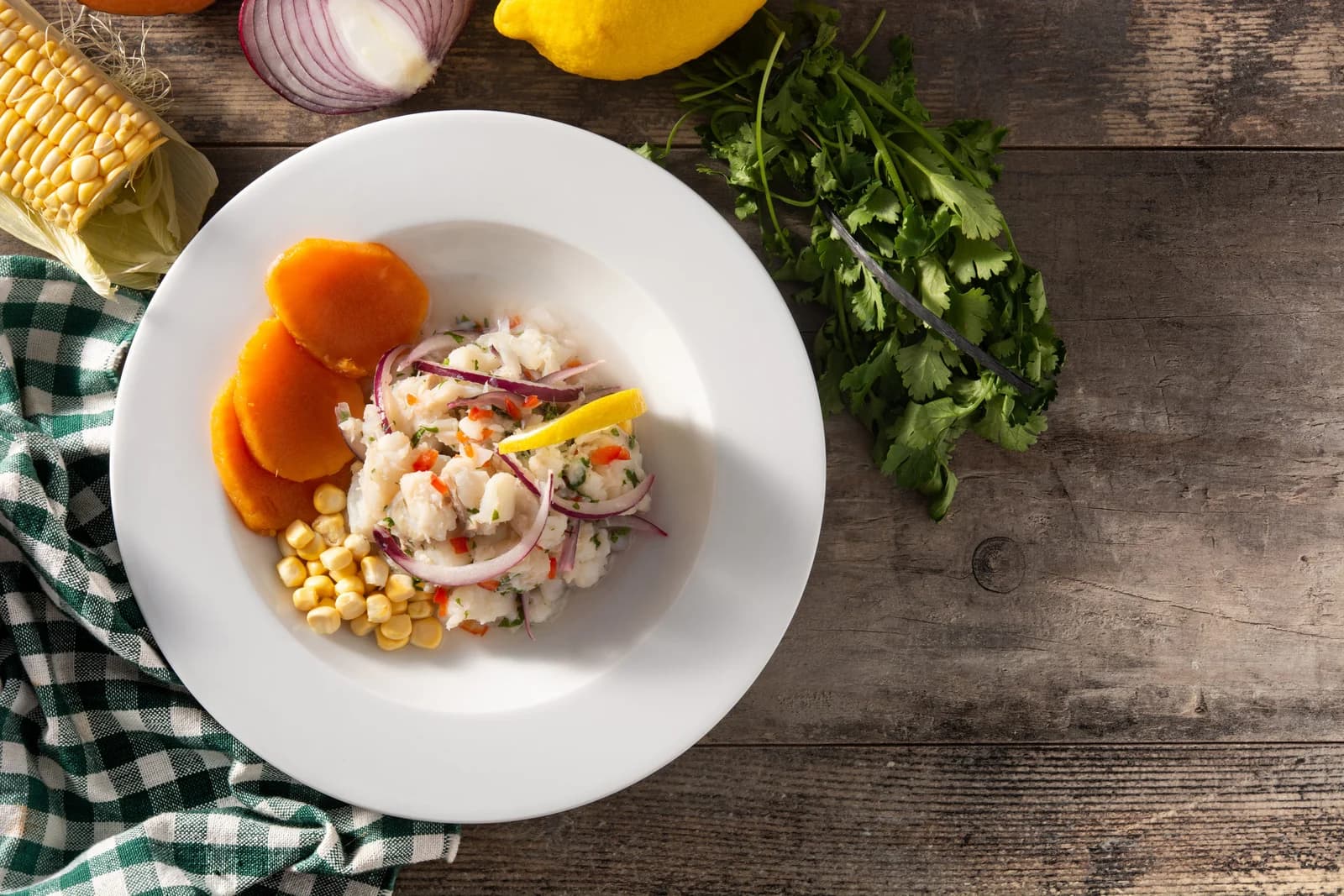
Ceviche often features on the menu, though the preparations here tend toward highland interpretations rather than the strictly coastal style you'd find in Lima. Lomo saltado, the stir-fried beef dish that has become something of a national comfort food, is a reliable choice and usually well-executed. The kitchen also often works with trout sourced from the mountain rivers of the region, which is worth ordering if you see it.
Alpaca meat appears on the menu with some regularity. If you haven't tried it before, this is a reasonable place to do so. The flavor is leaner and slightly gamier than beef, and the kitchen here tends to treat it with care rather than as a novelty item for tourists.
Atmosphere and Setting
The restaurant is compact. Aguas Calientes is not a large town, and most of its dining rooms reflect that. Ayasqa has a warmth to it that some of the larger, higher-volume places on the main drag lack. The interior uses earthy tones and Andean textiles in a way that feels considered rather than decorative for the sake of it.
Expect a lively room most evenings, especially during high season when the town fills with people arriving for or returning from the ruins. The noise level is social rather than overwhelming. It's the kind of place where conversation works without having to raise your voice.
Reservations and Waits
Aguas Calientes operates on a fairly predictable rhythm. Trains arrive throughout the day and evenings tend to fill quickly, particularly between roughly 7pm and 9pm when the majority of day-trippers and overnight guests are looking for dinner at the same time. Ayasqa is popular enough that arriving without a reservation during peak season is a gamble.
If you can, book ahead. Many travelers heading to Machu Picchu know their itinerary well in advance, and reserving a table is straightforward and worth the small effort. If you're walking in on the night, try arriving early, before 6:30pm, and your chances improve considerably.
Best Time to Visit
The dry season, which runs roughly from May through October, is when Aguas Calientes sees the heaviest foot traffic. You'll be competing with more visitors for tables during these months. That said, the town doesn't really have an off-season in the way a European destination might. Even the wet months, November through April, bring consistent visitor numbers, just with more rain and shorter windows at the ruins themselves.
For a quieter meal, a weekday lunch often offers a more relaxed pace than weekend dinners. The post-ruins crowd tends to peak in the evening, so if your schedule allows a midday meal, you'll likely have more breathing room.
Neighborhood and Location Context
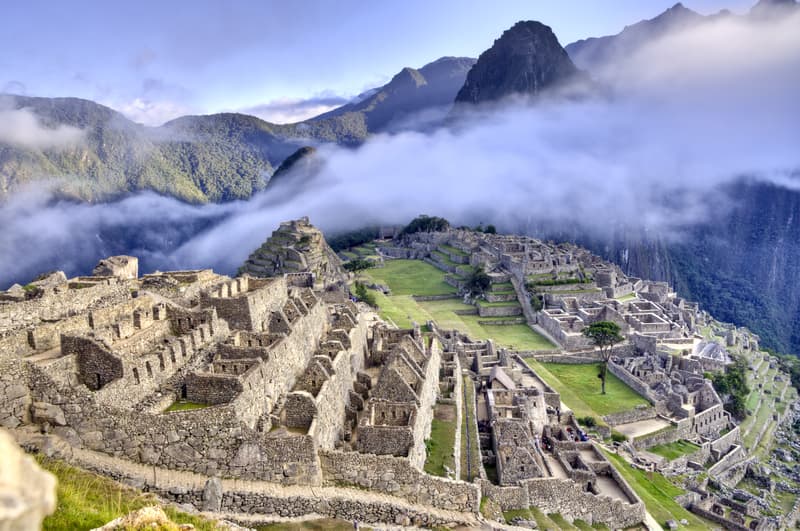
Aguas Calientes, also known officially as Machu Picchu Pueblo, sits at roughly 2,040 meters above sea level. It's accessible only by train or on foot via the Inca Trail, which means everyone in town is either a traveler or someone who lives there to serve travelers. Avenida Hermanos Ayar runs through the center of the town, and Ayasqa at number 401 is within easy walking distance of the train station and the main plaza. You won't need more than 10 minutes on foot from almost anywhere in town to reach it.
The town itself is small enough that getting lost is barely possible. If you're coming from the bus terminal that shuttles visitors up to the ruins, head toward the river and you'll orient yourself quickly.
Who This Is For
Ayasqa works well for travelers who want something more grounded than the generic tourist menus that dominate a lot of Aguas Calientes. If you've spent the morning at one of the most visited archaeological sites on the planet and you want a meal that actually connects you to the region's food culture, this is the kind of place that delivers on that. It's also a solid choice for anyone curious about Andean ingredients without needing a fine dining context to explore them.
Solo travelers, couples, and small groups all fit comfortably. It's not designed for large parties or particularly loud celebrations, but for a genuine, well-cooked dinner after a long day at altitude, it holds up.
FAQ
- Do I need a reservation? During peak season, yes. Evenings fill up quickly given the town's limited dining options relative to visitor volume. Book ahead if you can.
- Is the menu in English? Most restaurants in Aguas Calientes cater to international visitors, and menus tend to include English descriptions or translations. Ayasqa generally follows this pattern.
- Can I walk to Ayasqa from the train station? Yes, easily. The town is compact and Avenida Hermanos Ayar is centrally located. Most visitors can reach it within 10 minutes on foot.
- Is alpaca worth ordering if you've never tried it? If you're curious about Andean cuisine, yes. The kitchen treats it as a serious ingredient rather than a tourist novelty, which makes this a reasonable first encounter with it.
- What's the best dish to order? The trout, when available, reflects the local environment well. The lomo saltado is consistently well-executed. If you want to eat something specifically Andean, ask about whatever native potato preparation is on the menu that day.
Reviews
Sign in and mark this place visited to leave a review.
No reviews yet.
Free Trip Planner
Plan your Machu Picchu trip with our free planner
Build a day-by-day itinerary with AI suggestions, hand-picked places, and friends. Free forever — no credit card.
Related reading
Things to see near Ayasqa


Places to eat or drink near Ayasqa

Tampu Restaurant at Sanctuary Lodge

Tinkuy Restaurant

Peru Cafe Machupicchu


