Ring Road
Iceland Posted by Brandon B.Admin
Iceland's Ring Road: The Full Circuit
The Ring Road, officially Route 1, is the single highway that loops around the entire perimeter of Iceland. Stretching roughly 1,332 kilometers, it connects Reykjavik to the remote fjords of the East, the volcanic plains of the South, the whale-watching towns of the North, and the lava fields of the West before bringing you back again. No other road trip on earth gives you quite this combination: glaciers, geysers, black sand beaches, and the northern lights, all accessible from the same asphalt strip.
For most travelers, driving the Ring Road is the trip. Not a side activity. The road itself is the destination.
Why the Ring Road Matters
Iceland opened Route 1 as a complete circuit in 1974, finally linking communities that had been isolated from each other for centuries by lava fields and unbridged rivers. Before that, the only way to reach some eastern villages was by boat or on horseback. The road changed the country fundamentally, and today it remains the primary artery for both Icelanders and visitors moving between regions.
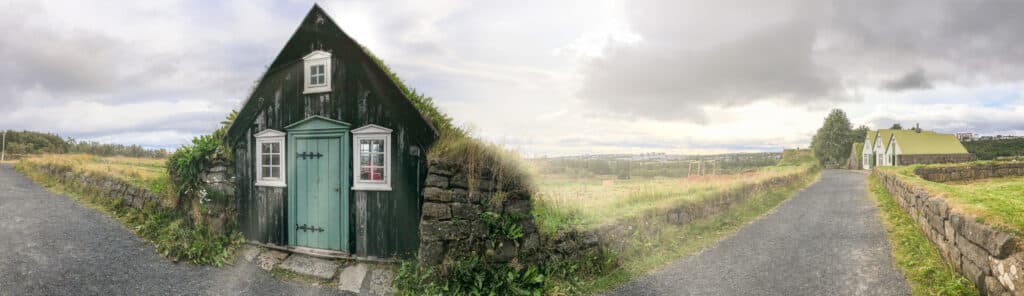
What makes it different from other famous drives is scale and variety. In a single day you might pass a turf-roofed church dating to the 12th century, stop at a waterfall that drops directly onto a black sand beach, and then watch the sky turn green after dark. The road demands your full attention because conditions change fast and the scenery refuses to stay in one register.
Quick Facts
- Total length: approximately 1,332 kilometers
- Official designation: Route 1
- Completed as a full loop: 1974
- Minimum driving time to complete the full circuit: around 10 days, though most travelers take 14 or more
- Road type: mostly paved two-lane highway, with gravel sections in the East and occasional single-lane bridges throughout
- Highest point: passes through highland-adjacent terrain but the road itself stays relatively low
- Drive direction: most people go clockwise, but counterclockwise works equally well
- Rental car required: yes, unless joining a guided tour
Getting There
Almost every Ring Road trip starts at Keflavik International Airport, which sits about 50 kilometers southwest of Reykjavik. From there, most people pick up a rental car directly at the airport and head into the capital first, treating Reykjavik as the launch pad. The city sits right on Route 1, so you simply join the highway and go.
Car rental is competitive and bookings made months in advance tend to offer better rates, especially for 4WD vehicles. A standard 2WD car handles most of the Ring Road without trouble, but if you want to take any of the interior F-roads as detours, a 4WD is required by Icelandic law. Many travelers opt for a small 4WD as a compromise.
The Layout and Experience
Think of the Ring Road in four broad sections, each with its own personality.
The South Coast runs from Reykjavik east through Selfoss, past the Eyjafjallajokull volcano, and on to the town of Hofn. This is the most visited stretch, partly because it's closest to the airport and partly because it contains some of Iceland's most photographed landmarks: Skogafoss and Seljalandsfoss waterfalls, the black sand beach at Reynisfjara, and the Jokulsarlon glacier lagoon. If your time is short, this section alone is worth the drive.
The East Fjords begin after Hofn and are where the crowds thin out noticeably. The road winds along dramatic fjord edges, passing tiny fishing villages like Djupivogur and Seydisfjordur. The driving here is slower, with more curves and occasional gravel, but the reward is a quieter, more intimate Iceland.
The North takes you through Myvatn, a volcanic lake region that feels like another planet, and on to Akureyri, Iceland's second-largest city with a population of around 20,000. Husavik, a short detour north of Route 1, is one of the best whale-watching bases in Europe. The North also offers access to Godafoss, one of the country's most historically significant waterfalls.
The West and Snaefellsnes Peninsula complete the loop back toward Reykjavik. Borgarnes and the Snaefellsjokull glacier-capped volcano anchor this section. The Snaefellsnes Peninsula requires a detour off Route 1 but most people consider it essential.
Main Highlights Along the Route
- Seljalandsfoss: a waterfall you can walk behind, on the South Coast
- Reynisfjara black sand beach: dramatic sea stacks and dangerous surf near Vik
- Jokulsarlon glacier lagoon: icebergs floating toward the sea, near Hofn
- Skaftafell: a nature reserve inside Vatnajokull National Park, Iceland's largest national park
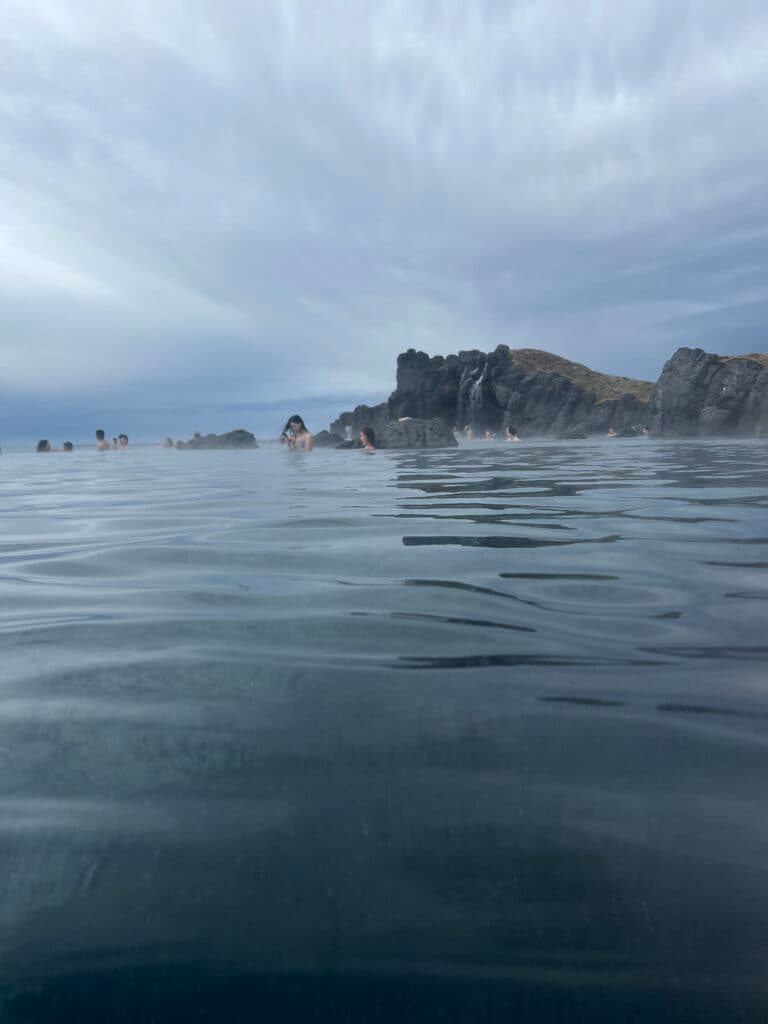
- Lake Myvatn: geothermal pools, pseudocraters, and birdlife in the North
- Godafoss: the "waterfall of the gods," with documented historical significance from the year 1000
- Akureyri: a proper town with restaurants, a botanical garden, and a base for Husavik whale watching
- Snaefellsjokull: Jules Verne set his Journey to the Center of the Earth here, and the glacier is visible for miles
Best Time to Visit
The Ring Road is technically driveable year-round, but the experience changes dramatically depending on when you go.
June through August offers the midnight sun, all roads open, and the best conditions for the highland detours. It's also peak season, meaning more traffic on the South Coast and higher rental car prices. July is the warmest month on average, though "warm" in Iceland means something different than most places.
September and October bring the first real chances of seeing the northern lights while still keeping most roads accessible. The landscape shifts to gold and rust, and the crowds drop off after early September.
Winter driving, November through March, is for experienced drivers who have done their research. Several stretches of Route 1 close temporarily due to storms, and the Icelandic Road and Coastal Administration website (road.is) becomes essential reading. The payoff is dramatic: snow-covered lava fields, the best northern lights season, and near-empty roads.
Photography Tips
Golden hour lasts a very long time in summer, sometimes two or three hours on either side of midnight. This means you can shoot waterfalls and coastal cliffs in warm light at 11pm without any special effort. In winter, the brief window of daylight often produces moody, low-angle light all day long.
For northern lights shots, get away from any town glow and pull over on a straight, flat section of road. The area around Myvatn and the empty stretches east of Hofn tend to have reliably dark skies. A sturdy tripod is non-negotiable.
The glacier lagoon at Jokulsarlon photographs well from the shore on the east side of the bridge. Early morning often means calmer water and fewer tour buses.
Practical Tips
- Download the 112 Iceland app before you leave Reykjavik. It lets rescue teams locate you if something goes wrong in a remote area.
- Fuel stations get sparse in the East Fjords. Fill up whenever you see a station, not when you need to.
- Single-lane bridges are common throughout. Yield to oncoming traffic by pulling into the gravel passing area before the bridge.
- Weather can change within an hour. Pack layers and a windproof outer shell even in July.
- Camping along Route 1 requires staying at designated campsites, not pulling over wherever you like.
- F-roads (unpaved highland tracks) are only legal in a 4WD vehicle and are typically closed until June or July depending on the year.
- Book accommodation in advance for the South Coast, especially around Vik and Skaftafell, as options are limited and they fill quickly in summer.
- Driving under the midnight sun is disorienting. Many people end up driving much longer than planned because it never gets dark to signal bedtime.
FAQ
How long do you actually need to drive the Ring Road properly?
Ten days is the absolute minimum for the full circuit, and you'll feel rushed. Most people who've done it recommend 14 days to allow for weather delays, detours, and the fact that you will stop more than you expect.
Do you need a 4WD vehicle for Route 1?
Route 1 itself does not require a 4WD, but conditions in winter can make one useful. If you plan any detours onto F-roads or want extra confidence on gravel sections in the East, a 4WD is worth the added rental cost.
Can you drive the Ring Road solo?
Yes, and many people do. Solo driving is common and manageable. The main consideration is fatigue on longer days, especially in summer when the light keeps you going longer than your body should. Build in rest days.
Is the Ring Road suitable for campervans?
Campervans are very popular on Route 1. The road handles them well, and Iceland has a solid network of designated campsites. Wild camping outside designated areas is not permitted under current regulations.
What's the most underrated section of the Ring Road?
Ask three Icelanders and you'll get three answers, but the East Fjords come up often. Fewer tour buses, more fishing boats, and a pace that feels closer to how Iceland actually lives day to day.
Reviews
Sign in and mark this place visited to leave a review.
No reviews yet.
Free Trip Planner
Plan your Iceland trip with our free planner
Build a day-by-day itinerary with AI suggestions, hand-picked places, and friends. Free forever — no credit card.