Rue Saint-Paul Ouest
Rue St-Paul Ouest, Montréal, QC, CanadaOne Street, Four Centuries of Montréal
Rue Saint-Paul Ouest runs through Old Montréal like a spine, connecting the city's oldest stones to its most alive contemporary scene. This is where Montréal began. The street traces a route that predates the modern city by centuries, and walking it today means passing art galleries, antique dealers, restaurants tucked into 18th-century stone walls, and the kind of cobblestone corners that photographers chase from across the continent. If you only have one afternoon in Vieux-Montréal, this is the street you walk.
It sits roughly parallel to the St. Lawrence River, just a few blocks north, running east to west through the historic core. The western stretch, Saint-Paul Ouest, tends to be quieter and more gallery-heavy than the eastern end near Place Jacques-Cartier, which draws most of the tourist foot traffic. That distinction matters when you're deciding where to start.
Why Rue Saint-Paul Ouest Matters
The street is widely considered one of the oldest commercial thoroughfares in North America. Montréal was founded in 1642, and Saint-Paul was among the first streets laid out in the new settlement. For most of the 17th and 18th centuries, it was the main artery of commercial life in the colony, running close to the port where goods moved in and out of New France.
The architecture reflects that long timeline in a way few streets in Canada can match. Many of the buildings along Saint-Paul Ouest date to the 1700s and 1800s, built from the grey limestone that defines Old Montréal's visual character. The walls are thick, the windows deep-set, and the rooflines uneven in the way that centuries of piecemeal construction produce. It's not a manicured heritage zone. It still feels used.
In the latter half of the 20th century, as Old Montréal declined industrially and then revived as a cultural district, Saint-Paul Ouest became a natural home for contemporary art galleries. Today the street holds one of the densest concentrations of commercial galleries in Québec, many of them showing Québécois and Canadian artists alongside international work.
Quick Facts
- Location: Vieux-Montréal, between rue McGill to the west and Place Jacques-Cartier to the east
- Street type: Partially pedestrianized in summer, open to traffic in winter
- Best access metro station: Square-Victoria-OACI (Orange Line), about a 5-minute walk
- Main draw: Historic architecture, art galleries, restaurants in converted stone buildings
- Busiest period: Summer weekends, particularly July and August
- Free to walk: No admission, galleries are generally free to enter
Getting There
The Square-Victoria-OACI metro station drops you close to the western end of Saint-Paul Ouest. Walk south on rue McGill for about five minutes and you'll hit the street. From there you can walk east at your own pace.
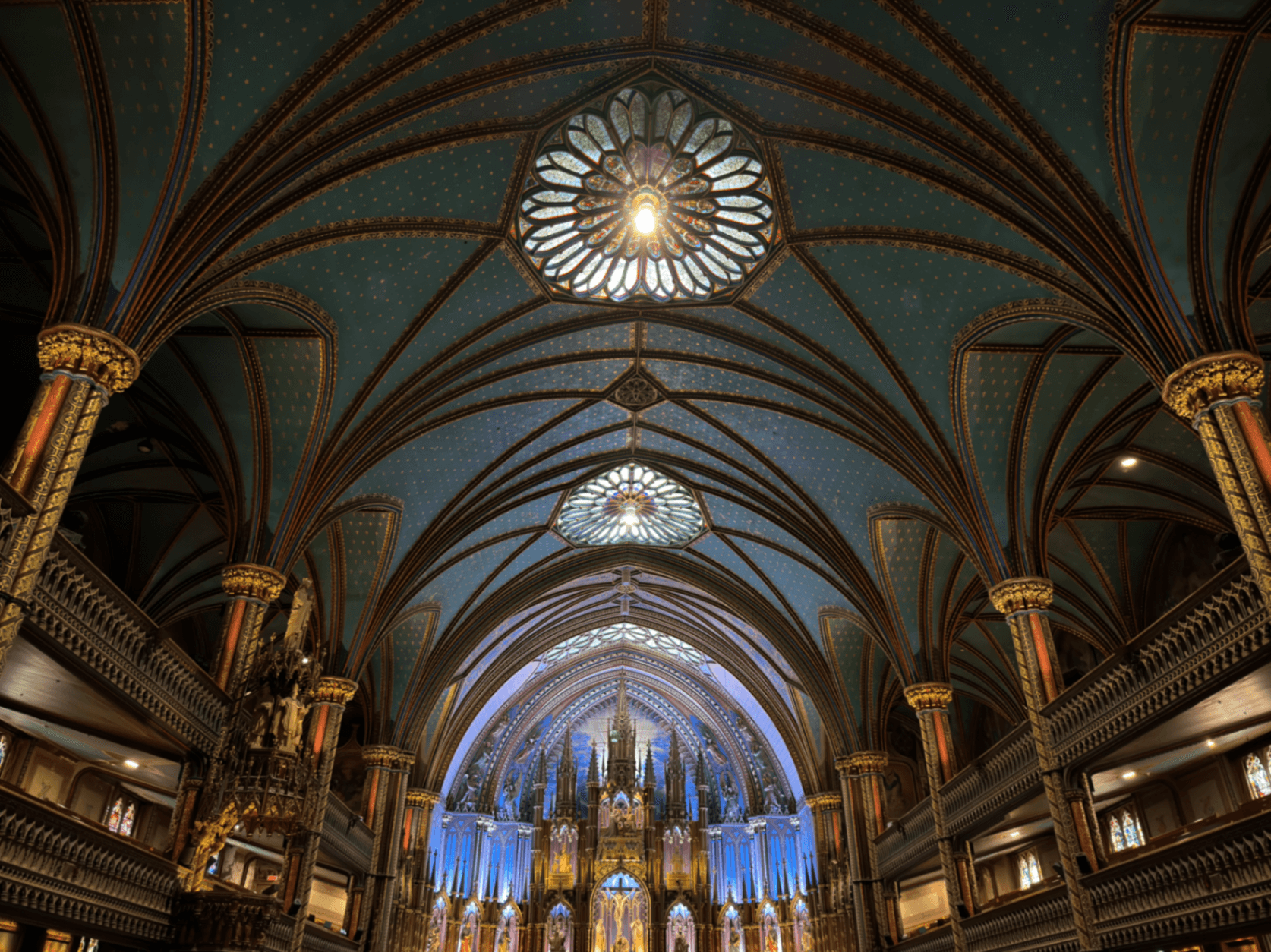
If you're coming from Place-d'Armes metro station, you'll approach from the north side of Old Montréal and reach the eastern portion of Saint-Paul near the Basilique Notre-Dame de Montréal, which sits just a couple of blocks away. That's a reasonable starting point if you plan to combine the street with a visit to the basilica.
Driving into Old Montréal is possible but parking is limited and expensive. Most visitors arriving from elsewhere in the city find the metro significantly less frustrating, especially on summer weekends when the area gets congested.
The Layout and Experience
Saint-Paul Ouest runs roughly 800 metres from end to end, and a casual walk without stopping takes maybe 15 minutes. But you won't walk it without stopping. The storefronts pull you in constantly: a gallery with a large canvas visible from the sidewalk, a fromagerie with a handwritten sign, a doorway that opens into a courtyard you didn't expect.
The western stretch near rue McGill and rue William feels quieter, more residential in character, with fewer tourists and more locals who actually live in the neighbourhood. As you move east toward rue Saint-François-Xavier and beyond, the street fills out with more restaurants and boutique hotels. The eastern end near Place Jacques-Cartier is the most commercially active and the most photographed.
Underfoot, sections of the street retain original cobblestones, which look beautiful and feel brutal after two hours in the wrong shoes. Wear something with a flat, sturdy sole. The stones are uneven and slippery after rain.
Main Highlights
The Gallery Strip
A run of contemporary art galleries occupies much of the street between rue Saint-François-Xavier and rue Saint-Nicolas. Most are free to enter and open to browsers without any obligation. The work skews toward painting and sculpture, with a strong showing from Québécois artists. Gallery hours vary and some close on Mondays, so checking ahead saves a wasted trip if there's a specific space you want to see.
The Stone Architecture
Even if you have no interest in art or shopping, the buildings themselves justify the walk. The grey limestone construction that dominates Vieux-Montréal is concentrated here in some of its best-preserved examples. Look up at the upper floors, which often retain original ironwork, dormers, and cornices that ground-level renovations haven't touched.
Marché Bonsecours Proximity
At the eastern end of Saint-Paul, the silver dome of Marché Bonsecours becomes visible above the roofline. Built in 1847, the market building is one of the most recognized landmarks in Montréal. It now operates as a cultural and artisan market rather than a food market, and it's worth a quick detour off Saint-Paul if you're already at that end of the street.
Restaurant Row
The street has a strong restaurant scene that tilts toward mid-range and upscale Québécois and French-influenced cooking. Several restaurants occupy ground floors of 18th or 19th-century buildings, which gives even a straightforward dinner an atmospheric quality that's hard to fake. Reservations on weekend evenings are strongly recommended, particularly in summer.
Best Time to Visit
Summer brings the most life to Saint-Paul Ouest. Between June and September, the street is partially pedestrianized, tables spill onto the sidewalk, and the whole corridor takes on a pace that feels genuinely festive without being overwhelming. July is peak season and the busiest, with tourist numbers at their highest.
Early morning in summer is genuinely lovely. Before 9am, the stone buildings catch the light cleanly and the street is mostly empty except for delivery vans and the occasional runner. If you want photographs without crowds, that's your window.
Winter is quieter and colder, obviously, but Old Montréal has a particular atmosphere in December and January when the stone buildings are dusted with snow. Some galleries and restaurants reduce their hours or close for parts of January. If you're visiting in winter, confirm hours ahead of time.
Photography Tips
The western end of the street, particularly around rue McGill and rue de la Commune, offers longer sightlines where you can compress the cobblestones and stone facades into a single frame. Early morning in summer gives you that light without the crowds.
The intersection near rue Saint-François-Xavier is popular for a reason: the street narrows slightly there, the buildings lean in, and the perspective draws the eye east. In winter, snow on the cobblestones turns it into the kind of image that ends up on travel magazine covers.
Shooting from rue de la Commune, looking north up the small cross streets toward Saint-Paul, gives you the facades in three-quarter view with the rooflines silhouetted against sky. Worth a few minutes of detour.
Combining With Nearby Attractions
Rue Saint-Paul Ouest sits within easy walking distance of several of Old Montréal's major draws. The Basilique Notre-Dame de Montréal is roughly a 3-minute walk from the eastern end of the street. Marché Bonsecours is even closer. The Pointe-à-Callière Cité d'archéologie et d'histoire de Montréal, which sits on the site of Montréal's original 1642 settlement, is about a 5-minute walk west of the street near the Old Port.
The Old Port itself runs along rue de la Commune, one block south of Saint-Paul. In summer the waterfront has bike rentals, paddleboat rentals, and a linear park that's worth a stroll before or after you walk the street. It's a natural pairing.
Practical Tips
- Wear flat, grippy shoes. Cobblestones are hard on heels and slippery when wet.
- Most galleries are free to enter. You don't need to buy anything to look around.
- Restaurant reservations on summer weekends are important. Walk-ins are difficult at popular spots after 7pm.
- If you're driving, consider parking near the Palais des congrès and walking south. It's about a 10-minute walk and parking is generally easier than in Old Montréal proper.
- Some gallery owners speak primarily French. A basic greeting in French ("Bonjour") goes a long way.
- Carry cash for smaller boutiques and market vendors. Not every shop takes cards.
- In summer, the street gets very busy between noon and 4pm. Early morning or evening visits are calmer.
FAQ
Is Rue Saint-Paul Ouest pedestrian-only?
Parts of the street are pedestrianized during summer months, but the full street is not permanently car-free. Traffic restrictions vary by season and specific block, so expect some vehicle access, particularly outside peak summer months.
Are the art galleries free to enter?
Most commercial galleries on the street are free to enter with no obligation to buy. They operate as retail spaces, so browsing is welcome. A few exhibition spaces may charge admission for specific shows, but this is not the norm on Saint-Paul Ouest.
How long should I budget for the street?
A focused walk end to end takes about 15 to 20 minutes. If you're popping into galleries, stopping for coffee, or sitting down for lunch, two to three hours is a realistic budget. Combined with nearby attractions, it can anchor a full day in Old Montréal.
Is it worth visiting in winter?
Yes, though with adjusted expectations. Some businesses reduce hours or close, and the pedestrianized summer atmosphere disappears. What you get instead is a quieter, more local version of the street with dramatic snow-and-stone scenery that summer visitors never see.
Reviews
Sign in and mark this place visited to leave a review.
No reviews yet.
Free Trip Planner
Plan your Montreal trip with our free planner
Build a day-by-day itinerary with AI suggestions, hand-picked places, and friends. Free forever — no credit card.
Things to see near Rue Saint-Paul Ouest

Lachine Canal

Saint Joseph's Oratory of Mount Royal

Montreal Museum of Fine Arts