Fort Worth Stockyards National Historic District
2501 Rodeo Plaza, Fort Worth, TX 76164-8212 Posted by Brandon B.Admin
Fort Worth Stockyards National Historic District
The Fort Worth Stockyards National Historic District sits about two miles north of downtown Fort Worth, and it remains one of the most genuinely lived-in historic districts in the American West. This isn't a theme park version of cowboy culture. The brick streets along Exchange Avenue have been here since the early 1900s, the cattle pens still smell like cattle, and the twice-daily longhorn drive happens whether there are two dozen visitors watching or two hundred.
If you've never been to Fort Worth, the Stockyards is probably why you've heard of it. The city earned the nickname "Cowtown" from this exact patch of ground, and that reputation still holds up.
Why the Stockyards Still Matter
At its peak in the early twentieth century, the Fort Worth Stockyards was among the largest livestock markets in the world. Millions of cattle and hogs passed through here each year, and the whole operation supported a web of meatpacking plants, hotels, saloons, and commission houses that made the North Side of Fort Worth a city unto itself. The Armour and Swift meatpacking facilities, which once anchored the eastern edge of the district, processed enormous volumes of livestock that fed much of the country.
That industry is gone now, but the bones of it remain. The 1902 Livestock Exchange Building still anchors the east end of Exchange Avenue. The brick cattle pens, some original and some restored, stretch north of the main street. Walking through them on a quiet morning, you get a pretty clear sense of the scale of what used to happen here.
Quick Facts
- Location: Exchange Avenue, North Fort Worth, approximately 2 miles north of downtown
- The longhorn cattle drive runs twice daily, typically at 11:30am and 4pm, most days of the year
- The district is a designated National Historic District, listed on the National Register of Historic Places
- The Livestock Exchange Building dates to 1902 and still stands at the east end of Exchange Avenue
- Coliseum Road runs alongside the Cowtown Coliseum, which opened in 1908 and still hosts rodeo events
- Most of the district is free to walk and explore; individual venues charge their own admission or cover fees
- Street parking and paid lots are available throughout the district
Getting There
From downtown Fort Worth, the Stockyards is about a 10-minute drive north on North Main Street. The Trinity Railway Express and Fort Worth's local bus routes serve the broader area, though most visitors arrive by car or rideshare. Parking lots are scattered around the district, and paid street parking runs along Exchange Avenue and the surrounding blocks. On weekends and during events, lots fill up faster than you'd expect, so arriving early or later in the afternoon tends to work better.
The Molly the Trolley service has historically connected the Stockyards with downtown Fort Worth and the Cultural District, though schedules can vary by season, so it's worth checking current availability before you plan around it.
The Layout and Experience
Exchange Avenue is the main drag, and it's where most of the action concentrates. Shops, saloons, restaurants, and boot makers line both sides of the street, most operating out of low brick buildings that look almost exactly as they did a century ago. The Stockyards Hotel, which opened in 1907, sits near the western end. Billy Bob's Texas, the enormous honky-tonk that bills itself as the world's largest, occupies a building that was originally a cattle barn on the north side of the street.
Walk east and the district opens up. The cattle pens spread out behind the main street, and the Livestock Exchange Building rises at the far end. The building's interior still houses offices and a small museum. It's worth going inside just to see the old trading floor and the period photographs that line the hallways.
The Cowtown Coliseum sits on the south side of Exchange Avenue and hosts the Stockyards Championship Rodeo most Friday and Saturday nights. This is an actual rodeo with bull riding, barrel racing, and team roping, not a demonstration. If you're going to spend a Saturday night in the Stockyards, getting tickets to the rodeo makes the whole trip feel complete.
Main Highlights
The Longhorn Cattle Drive
Twice a day, a small herd of Texas Longhorns walks down Exchange Avenue while cowboys on horseback guide them from the pens on the east end toward the pens on the west. It takes maybe ten minutes, but it draws a crowd every single time. Arrive a few minutes early to get a decent spot along the fence. The longhorns walk close enough that you could almost reach out and touch one, though the cowboys generally discourage that idea.
Billy Bob's Texas
Opened in 1981, Billy Bob's holds a Texas liquor license for a venue with an almost surreal amount of square footage. There's a mechanical bull, live music stages, a pro bull riding arena inside the building, and enough bar space to get genuinely lost. Big-name country acts still play here regularly. Cover charges vary depending on who's performing, and the venue is 21 and up after certain hours, so check ahead if you're bringing younger travelers.
Boot Shopping
The Stockyards has a real concentration of Western wear shops, and a few of them are the genuine article. M.L. Leddy's, which has been making custom boots and saddles since 1922, operates a shop here and is still considered one of the best boot makers in Texas. Custom work takes time and money, but even browsing the ready-made selection is worth an hour of your afternoon.
The Livestock Exchange Building
The 1902 Livestock Exchange Building is one of the more undervisited parts of the district. The Stockyards Museum inside is small but well-curated, with photographs, equipment, and documents that fill in the history of the trading era better than any interpretive sign on the street can. Admission is modest and the staff tends to be genuinely knowledgeable.
Best Time to Visit
Weekday mornings are quietest. If you want the cattle drive to feel like something real rather than a crowded photo opportunity, showing up on a Tuesday or Wednesday morning gives you a very different experience than a Saturday afternoon in October.
That said, the Stockyards during a big event is its own kind of experience. The Fort Worth Stock Show and Rodeo, held each January and running for roughly three weeks, transforms the entire district and draws serious livestock competition from across the country. It's been running since 1896, which makes it one of the oldest continuously running livestock shows in the United States. Crowds are substantial, but the energy is unlike anything the district produces the rest of the year.
Summer afternoons in Fort Worth get genuinely hot. If you're visiting between June and September, the 11:30am cattle drive is better experienced from shade, and most visitors find that the early morning or post-sunset hours make the brick streets a lot more pleasant to walk.
Combining with Nearby Attractions
The Stockyards sits on the North Side of Fort Worth, and while it's the main draw up here, a few other spots are worth combining into the same day. The North Main Street corridor has some solid barbecue options that don't require a reservation or a long wait. The Cultural District, which holds the Kimbell Art Museum, the Amon Carter Museum of American Art, and the Modern Art Museum of Fort Worth, is about 15 minutes southwest by car and makes for a very full day if you want the full range of what Fort Worth offers. Some visitors do the Stockyards in the morning, grab lunch on Exchange Avenue, and spend the afternoon in the museum district before coming back for the rodeo at night.
Practical Tips
- Wear closed-toe shoes. The cattle pens are not always clean, and brick streets plus cowboy boots make for occasional missteps.
- The second cattle drive at 4pm tends to draw larger crowds than the 11:30am one, especially on weekends.
- If you plan to eat on Exchange Avenue on a Friday or Saturday night, expect a wait at most restaurants. Reservations at sit-down spots are a good idea.
- Billy Bob's requires a valid ID for entry regardless of age, and policies shift after certain hours, so check before you go.
- The Stockyards Hotel bar is a quieter alternative to the main strip if you want a drink without the full honky-tonk experience.
- Rodeo tickets at the Cowtown Coliseum can often be purchased at the door, but popular nights sell out ahead of time.
- Photography of the cattle drive is straightforward, but the longhorns move, so continuous shooting mode helps.
FAQ
Is the Fort Worth Stockyards free to visit?
Walking the district, watching the cattle drive, and exploring the cattle pens costs nothing. Individual attractions like the Cowtown Coliseum rodeo, Billy Bob's Texas, and the Stockyards Museum charge their own fees.
How long should I plan to spend here?
A quick visit built around one cattle drive and a walk down Exchange Avenue takes about two hours. If you're shopping, eating, and catching the rodeo, budget a full day or an afternoon into the evening.
Is the Fort Worth Stockyards appropriate for kids?
Most of it, yes. The cattle drive, the cattle pens, the Livestock Exchange Building, and the rodeo are all family-friendly. Billy Bob's has age restrictions after certain hours. The rodeo involves real bull riding, which some younger children find intense.
Can I watch actual working cowboys here?
The cowboys who run the longhorn drive are employed by the district and are working professionals, not actors. The rodeo competitors at the Cowtown Coliseum are competing for real prize money in sanctioned events.
Reviews
Sign in and mark this place visited to leave a review.
- Brandon B.Jun 2026
A must see in Fort Worth
Free Trip Planner
Plan your Fort Worth trip with our free planner
Build a day-by-day itinerary with AI suggestions, hand-picked places, and friends. Free forever — no credit card.
Things to see near Fort Worth Stockyards National Historic District


Places to eat or drink near Fort Worth Stockyards National Historic District

The Porch Pour
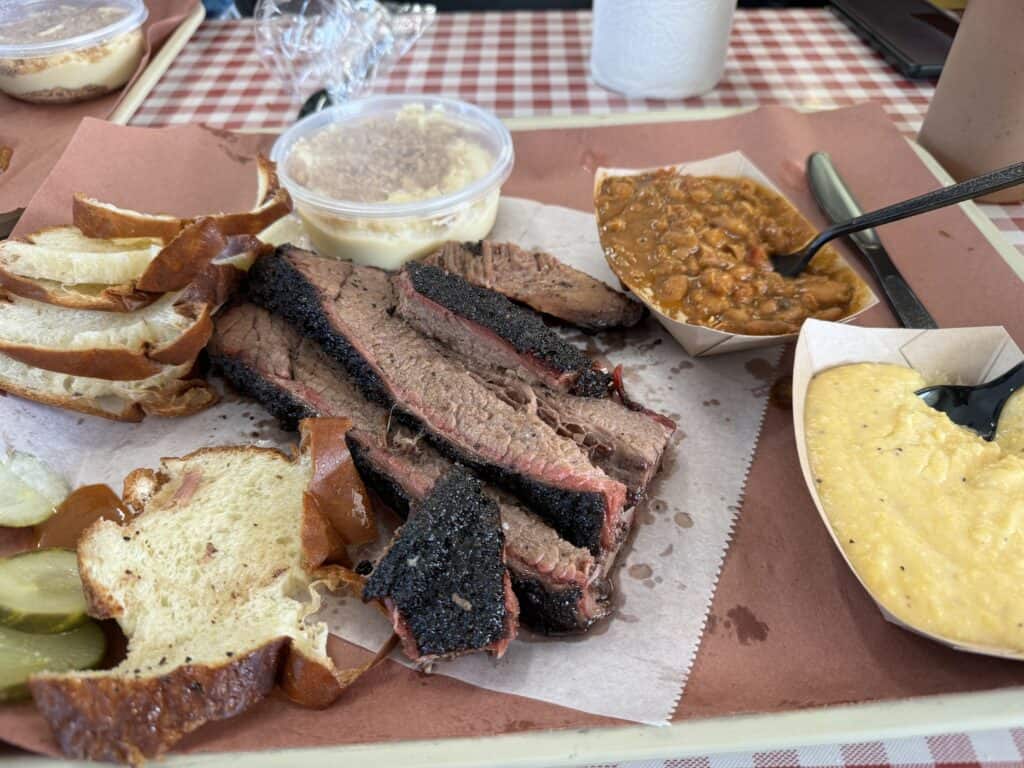
Goldee's Barbecue
Kunafa Factory

Smoke'N Ash BBQ
More places in Fort Worth

Wild Acre Restaurant & Beer Garden

Guanajuato Bakery

Fort Worth Nature Center & Refuge