Posted by Brandon B.Admin
Sacred Valley Overview
The Sacred Valley stretches across the highlands of southern Peru, roughly 50 kilometers north of Cusco. This region was the heartland of Inca agricultural production and remains one of the most archaeologically rich areas in the country. The valley floor sits at approximately 2,800 meters elevation, and its terraced slopes, traditional villages, and scattered ruins give the landscape a distinctly layered quality that speaks to centuries of Andean settlement.
The Sacred Valley is not a single attraction but a collection of towns, archaeological sites, and agricultural communities spread across a wide area. You'll find yourself moving between different valleys and villages, each with its own character. The main population centers include Pisac, Ollantaytambo, and Yucay, with smaller settlements scattered throughout. Most visitors spend at least two or three days exploring the region, staying in one of the lodge towns as a base.
Why This Place Matters
The Sacred Valley was the breadbasket of the Inca Empire. Its high altitude and unique microclimates allowed the Incas to grow multiple crop varieties on different elevation levels, from maize in the lower terraces to potatoes higher up. The sophistication of their agricultural engineering remains visible in the thousands of terraces that still line the hillsides.
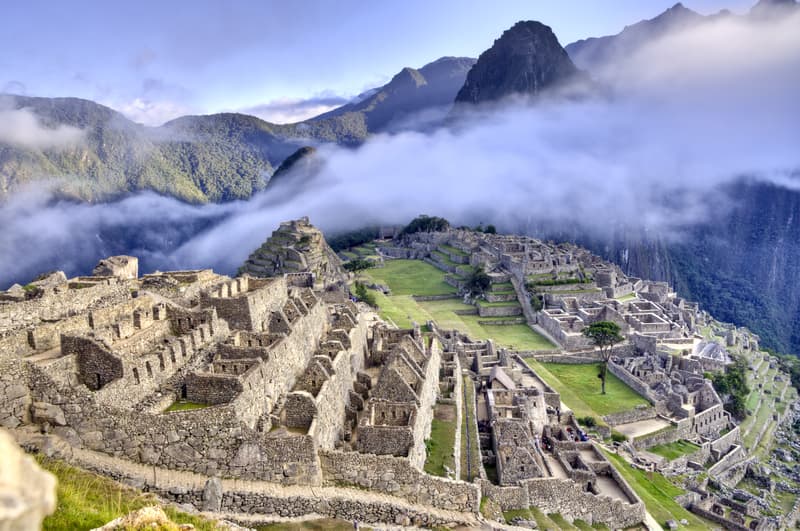
Archaeologically, the region contains some of the most intact Inca ruins outside of Machu Picchu. Ollantaytambo fortress and the agricultural terraces at Pisac are among the most significant surviving examples of Inca construction and planning. The valley was also home to royal estates where Inca rulers maintained residences and gardens.
Today, the Sacred Valley serves as both a cultural and economic bridge. Many Quechua-speaking communities continue to live here much as their ancestors did, maintaining weaving traditions, farming practices, and spiritual beliefs. The region has become a crucial part of Peru's tourism infrastructure, but it remains a living landscape rather than a museum.
Quick Facts
- Elevation ranges from 2,000 to 3,000 meters, causing altitude effects for some visitors
- The valley extends approximately 80 kilometers from Cusco to Ollantaytambo
- Main towns are accessible by bus or private vehicle from Cusco in 1 to 2 hours
- Best visited during dry season from May to September
- Multiple archaeological sites require separate entrance tickets
- Quechua is widely spoken alongside Spanish
Getting There
From Cusco, the most direct route to the Sacred Valley follows the highway north toward Ollantaytambo. If you arrive at Cusco airport, you can hire a private vehicle or take a shared shuttle service that will drop you at your accommodation in one of the valley towns. Most lodges and hotels will arrange this for you in advance.
Public buses run frequently between Cusco and the main valley towns, though schedules vary by season and day. The journey from Cusco to Pisac takes roughly 1.5 hours, while reaching Ollantaytambo takes 2 to 2.5 hours depending on traffic and stops. Buses in the valley itself connect the towns, but service is less frequent in the afternoons.
Many visitors arrive as part of organized tours from Cusco, which typically include transportation, guided archaeology commentary, and meals. Independent travel is entirely feasible if you're comfortable with Spanish or have a guide. Renting a car gives you the most flexibility for exploring smaller ruins and remote villages, though mountain driving requires caution and experience with high-altitude roads.
The Layout and Experience
The Sacred Valley is organized roughly as a series of linked settlements spread along the Urubamba River valley. The geography matters because it shapes how you'll structure your visit. The valley widens and narrows in different sections, creating distinct microclimates and settlement patterns.
Yucay sits in the broader southern section of the valley and serves as a convenient base for visitors seeking a quieter experience. It's less tourist-focused than Pisac and provides easier access to agricultural areas and smaller archaeological sites. Pisac, further north, is the most developed tourist hub with markets, restaurants, and direct access to major ruins. Ollantaytambo, at the northern end of the valley, is a compact colonial town built directly on top of Inca foundations, making it feel like a living archaeological site.
Moving between towns, you'll notice how the landscape changes. The lower elevations around Yucay support more varied agriculture and have a warmer feel. As you move north toward Ollantaytambo, the valley narrows, the mountains grow steeper, and the air becomes noticeably thinner. The terraces become more dramatic, covering entire mountainsides in geometric patterns.
Main Highlights
The Pisac archaeological site sprawls across a high ridge above the town of the same name. The ruins include ceremonial temples, residential areas, and agricultural terraces that demonstrate sophisticated Inca urban planning. The site is large and steep, so plan at least two to three hours for exploration. The views across the valley from the upper terraces are remarkable, particularly in late afternoon light.
Pisac also hosts a traditional market, though it has become increasingly commercialized in recent years. The Sunday market remains the most authentic, drawing local vendors selling produce, textiles, and handicrafts alongside tourist goods. If you're seeking authentic weavings and ceramics, arriving early and visiting stalls away from the main plaza improves your chances of finding genuine work.
Ollantaytambo fortress dominates the narrow northern valley with its massive stone walls and commanding position overlooking the town below. The site contains some of the largest Inca stonework in Peru, with individual blocks weighing multiple tons fitted together without mortar. The fortress served both military and ceremonial functions. The town of Ollantaytambo itself retains its original Inca street layout, and walking the narrow stone streets gives a tangible sense of how the space was organized.
Moray, an agricultural laboratory site located on a high plateau above the valley, consists of concentric circular terraces descending into the ground. The terraces create distinct microclimates at different levels, and the Incas used this site to experiment with crop varieties and growing conditions. Reaching Moray requires a trip through rural areas, making it less crowded than the main sites.
The Salt Ponds of Maras consist of hundreds of small evaporation pools built into a mountainside above Yucay. Locals have used these ponds for centuries to harvest salt from a natural spring. The geometric pattern of the white, pink, and rust-colored pools creates a striking visual effect, especially in morning light. The site operates as a working facility, so you're observing an active production process rather than a ruin.
History and Background
The Inca Empire developed sophisticated control over the Sacred Valley beginning in the 15th century under Pachacuti, who expanded Inca territory dramatically. The valley's agricultural productivity and strategic location made it a priority for development. Pachacuti and his successors constructed major administrative centers, royal estates, and fortifications throughout the region.
Ollantaytambo served as a royal estate and strategic fortress guarding the northern approach to the valley. Pisac functioned as both a ceremonial center and administrative hub. The terracing systems visible throughout the region represent centuries of incremental agricultural development, though the major expansion occurred under Inca rule.
Spanish conquest in the 1530s disrupted but did not destroy the valley's settlement patterns. Colonial authorities built Christian churches in the main towns, often directly on or adjacent to Inca foundations. Many communities continued their agricultural traditions despite political upheaval. The Spanish colonial period lasted nearly 300 years, and you can see the layering of Inca and Spanish architectural influences in towns like Ollantaytambo and Pisac.
The 20th century brought gradual modernization and, increasingly, tourism development. The completion of the railway to Machu Picchu in the early 1900s made the region more accessible. Tourism accelerated significantly after the 1970s, transforming the valley's economy and infrastructure while creating tensions between preservation and development.
Tickets and Entry
Most major archaeological sites in the Sacred Valley require separate admission tickets. The Pisac site, Ollantaytambo fortress, and Moray each have their own entrance and ticketing systems. Some sites offer combination tickets that reduce the per-site cost if you plan to visit multiple locations.
Entrance is typically available during daylight hours, with most sites opening early morning and closing by early evening. Timed entry is not required at most sites, allowing you flexibility in when you arrive. Guided tours are available at most locations and enhance understanding of the archaeological context, though they're not mandatory.
The Maras Salt Ponds operate differently from archaeological sites. Access is free to walk through the viewing areas, though locals may request small donations. Some visitors hire guides from nearby villages to gain deeper insight into the salt harvesting process.
Best Time to Visit
The dry season from May through September offers the most reliable weather for exploring the valley. Days are typically sunny and warm, though nights are cold at this elevation. Morning mist often blankets the lower valley areas before clearing by mid-morning. This period coincides with high tourist season, so expect larger crowds at major sites and higher accommodation prices.
The wet season from November through March brings afternoon rainfall and cloud cover, making photography and visibility challenging. However, the landscape is significantly greener, agricultural activities are more visible, and tourist numbers drop considerably. If you're flexible on timing and prefer fewer crowds, the shoulder months of April and October offer decent weather with reduced visitor pressure.
The valley can feel quite cold in early morning and evening year-round due to elevation. Pack layers regardless of when you visit. Altitude acclimatization matters even more if you're arriving directly from sea level, so spending a day or two in the valley before strenuous hiking allows your body to adjust.
Photography Tips
The geometric terracing patterns photograph best in morning light when shadows emphasize their contours. Late afternoon sun brings warm tones to the stone and creates dramatic shadows, which suits different aesthetic preferences. The Maras Salt Ponds are particularly striking in early morning when mist rises from the pools and light hits them at a low angle.
Ollantaytambo fortress benefits from shots taken from the town below looking upward, which emphasizes the site's scale against the mountainside. The Pisac site rewards exploration for varied vantage points, with the terraces offering compositions at multiple elevations. Bring a wide-angle lens if you have one, as the landscape scale often exceeds what standard lenses can capture effectively.
Consider the presence of other visitors in your framing, particularly at Pisac and Ollantaytambo where crowds can be substantial. Earlier arrival times give you cleaner shots and better light. Respect any local requests regarding photography of people, particularly in villages and markets.
Facilities and Preparation
Accommodation ranges from budget hostels to upscale lodges throughout the valley. Yucay tends toward quieter, mid-range options, while Pisac offers more variety in price and style. Ollantaytambo has the most limited selection but provides authentic colonial atmosphere. Book accommodations in advance during peak season.
Food availability is excellent in the main towns. Pisac has numerous restaurants catering to tourists alongside traditional local eateries. Yucay offers good restaurants but fewer options than Pisac. Ollantaytambo has adequate dining but fewer choices. Carrying water and snacks is wise when visiting archaeological sites, as facilities are minimal at most locations.
The elevation requires physical preparation. Altitude sickness affects some visitors starting at 2,800 meters. Arriving a day or two early to acclimatize before strenuous activities helps significantly. Sunscreen is essential due to the high altitude and intense UV exposure. Comfortable hiking boots are important for the uneven terrain at archaeological sites.
How It Compares to Similar Places
The Sacred Valley offers a more accessible introduction to Inca archaeology than Machu Picchu while providing more extensive, less crowded ruins than many sites near Cusco. The valley's living agricultural landscape and active communities distinguish it from purely archaeological parks. You're exploring functioning villages and farms rather than isolated ruins.
Compared to other Peruvian highlands regions, the Sacred Valley benefits from superior infrastructure and easier accessibility. The Colca Canyon offers dramatic scenery but requires more specialized travel logistics. The Lake Titicaca region provides cultural immersion but at a different scale and with different historical focus.
Combining With Nearby Attractions
Most visitors combine the Sacred Valley with Machu Picchu, which is reached via train from Ollantaytambo. Spending two to three days in the valley before traveling to Machu Picchu allows acclimatization and provides context for understanding Inca civilization. The train journey itself is scenic and takes approximately two hours.
A full trip combining the valley with Machu Picchu and Cusco typically spans seven to ten days. You can structure this as Cusco arrival, two to three days in the Sacred Valley, two days for Machu Picchu, and a final day back in Cusco for museums and local sites.
The Cusco area has numerous other sites within an hour or two, including Sacsayhuaman fortress and the Sacred Valley towns themselves. This allows flexibility in how you structure your time depending on your interests and energy level.
Sample Visit Plan
A two-day valley itinerary might look like this: Day one, arrive in Yucay or Pisac and spend the afternoon exploring the town and local market. In the morning of day two, visit either Pisac archaeological site or Ollantaytambo fortress, then travel to the other site in the afternoon. This provides a manageable pace while hitting the major highlights.
A three-day plan allows more thorough exploration. Day one covers arrival and town orientation. Day two focuses on Pisac site in the morning and Maras Salt Ponds in the afternoon. Day three visits Ollantaytambo fortress, with an optional visit to Moray if you have energy. This pace allows breaks and reduces exhaustion from altitude and walking.
Travelers with more time can add village visits, hiking excursions, textile workshops, and agricultural tours. The valley rewards slower exploration and provides plenty of opportunities to interact with local communities and understand contemporary Andean life.
Practical Tips
- Start archaeological site visits early in the day to beat crowds and heat, and to ensure good light for photography
- Bring more water than you think you'll need, particularly when hiking at altitude
- Wear sunscreen and a hat even on cloudy days due to intense high-altitude UV exposure
- Use your first day to acclimatize before strenuous activities if arriving directly from lower elevations
- Learn basic Spanish or download a translation app to enhance interactions with local vendors and guides
- Negotiate prices respectfully in markets, but understand that many vendors depend on tourism income
- Travel between towns by bus or hired vehicle rather than walking main roads
- Visit markets early in the morning for the best selection and most authentic experience
FAQ
How many days should I spend in the Sacred Valley? Two to three days allows you to visit the major archaeological sites without feeling rushed. If you're interested in hiking, village visits, or textile workshops, four to five days lets you explore more slowly and deeply.
Can I visit the Sacred Valley and Machu Picchu in the same trip? Yes, and this is the most common arrangement. Spend two to three days in the valley, then travel by train from Ollantaytambo to Machu Picchu for two days. This allows acclimatization and provides context for understanding the Inca sites.
Is altitude sickness likely to be a problem? It affects some visitors and not others, with individual factors and acclimatization history mattering more than elevation alone. Spending a day or two in the valley before strenuous activities significantly reduces risk. If you experience symptoms like headache or shortness of breath, rest and avoid further elevation gain.
What should I wear? Layers are essential due to temperature swings between sun and shade, and between day and night. Bring a light jacket, comfortable hiking boots with good traction, and sun protection. Even in the dry season, weather can change quickly, so include a light rain jacket.
Is it safe to travel independently in the Sacred Valley? Yes, the valley is generally safe for independent travelers. Main towns have adequate services and reliable transportation. Stick to established routes and towns, respect local customs, and use standard travel safety practices you'd apply anywhere.
Reviews
Sign in and mark this place visited to leave a review.
No reviews yet.
Free Trip Planner
Plan your Cusco trip with our free planner
Build a day-by-day itinerary with AI suggestions, hand-picked places, and friends. Free forever — no credit card.
Related reading

Things to see near Sacred Valley


Places to eat or drink near Sacred Valley

Peru Cafe Machupicchu

INKA TAMBO Restaurant

La Chuta