Santa Coloma Church
Carrer Major, Santa Coloma AD500 Andorra Posted by Brandon B.Admin
Santa Coloma Church: Andorra's Oldest Religious Building
Santa Coloma Church stands in the quiet village of Santa Coloma, a short drive north of Andorra la Vella in the Principality of Andorra. This small stone church is one of the oldest structures in Andorra, with roots reaching back to the 12th century. The building itself is modest in scale but carries the weight of eight centuries of worship and community life. If you're exploring Andorra beyond its capital, this church offers a genuine window into the country's religious heritage and medieval architecture.
Why This Place Matters
Santa Coloma Church represents a rare surviving example of Romanesque architecture in the Pyrenees region. The building's simplicity reflects the practical needs of a small mountain community rather than the elaborate decoration found in larger European cathedrals. What makes it significant is precisely this authenticity. You're not looking at a restored showpiece but a structure that has served its congregation continuously for nearly nine centuries. The church anchors the village of Santa Coloma and remains a focal point for local life.
Quick Facts
- Built in the 12th century, making it one of Andorra's oldest buildings
- Romanesque architectural style with a single nave and rounded apse
- Located in the village of Santa Coloma, approximately 5 kilometers north of Andorra la Vella
- Open to visitors during daylight hours most days, though hours may vary seasonally
- Free entry for visitors
- Small interior with seating for around 60 people
Getting There
From Andorra la Vella, take the road north toward Ordino. Santa Coloma village lies along this route, and the church sits prominently in the center. The drive takes roughly 10 to 15 minutes depending on traffic. If you're using public transport, local bus services connect the capital to villages in the Ordino valley, though schedules are limited and you may want to verify current routes before planning your visit.
Parking is available near the church, typically in small informal spaces around the village. The village itself is quiet and pedestrian-friendly once you arrive. The church is impossible to miss once you enter Santa Coloma, as it dominates the small community's center.
The Layout and Experience
The church is compact. You enter through a modest wooden door into a single rectangular nave with thick stone walls. The interior is spare and uncluttered, which is part of its appeal. Light filters through small windows, and the space feels intimate rather than grand. An altar sits at the far end beneath a rounded Romanesque apse. The stone walls are whitewashed in places, and the floor is simple.
Most visitors spend 15 to 20 minutes inside, examining the stonework and absorbing the quiet atmosphere. There are no elaborate decorations or multimedia displays. What you see is largely what has been there for centuries. If you're coming from Andorra's modern ski resorts and shopping centers, this simplicity can feel like stepping into a different era.
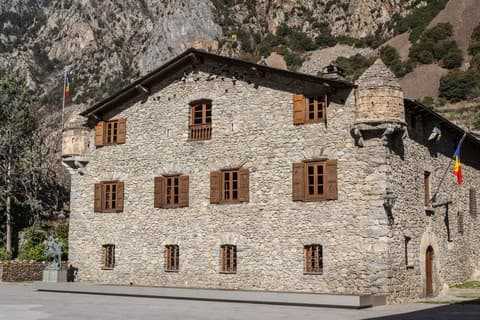
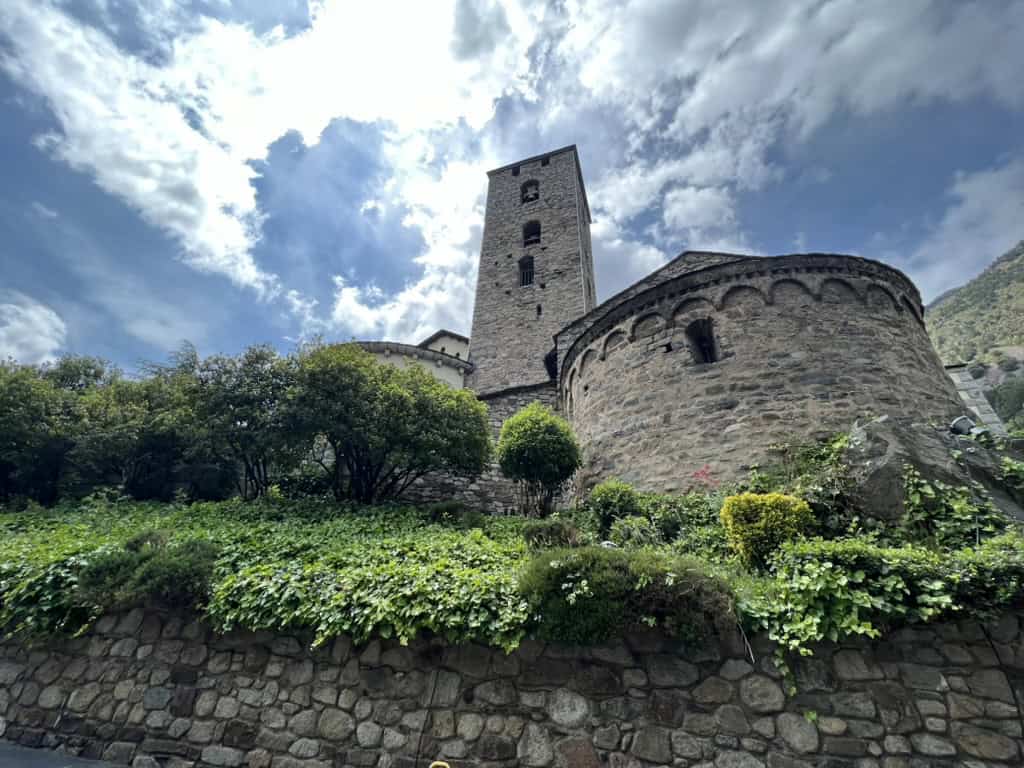
The exterior is equally straightforward. The bell tower rises modestly from the roof, and the building's proportions reflect practical medieval construction rather than architectural ambition. The surrounding village is very small, so there's little development nearby to distract from the church itself.
Main Highlights
The Romanesque apse is the architectural centerpiece, with its characteristic rounded form. The stonework throughout the building shows careful medieval craftsmanship, even if the scale is humble. If you pay close attention to the walls, you can see variations in the stone that hint at repairs and modifications made over the centuries.
The bell tower deserves a moment of attention. It's a simple structure, but bell towers like this one were crucial to village life, marking time and calling people to worship. The bells themselves are old, though their exact age is difficult to pinpoint without specialized knowledge.
The setting within the village of Santa Coloma is itself a highlight. The church's relationship to the surrounding landscape and small community gives you a sense of how religion functioned in rural medieval Andorra. You're not just looking at a building, you're seeing a piece of social organization frozen in stone.
History and Background
The 12th century was a formative period for Andorra. The church was built during an era when the Pyrenean valleys were developing stable settlements and establishing religious institutions. Andorra itself was under the joint rule of a French count and a Spanish bishop, a political arrangement that lasted until the 20th century. This dual authority influenced the development of religious buildings like Santa Coloma Church.
The church has been modified and repaired many times over its 900-year history, but its core structure remains essentially medieval. These repairs are visible if you look carefully at the stonework. Some sections show newer stone that contrasts slightly with older material. The church underwent significant restoration work in the 20th century to ensure its survival, but care was taken to preserve its original character.
The village of Santa Coloma itself is named after Saint Coloma, and the church has been dedicated to her since its founding. Beyond this basic fact, detailed records of the church's early centuries are sparse, as is typical for small rural parishes in the medieval Pyrenees.
Tickets and Entry
There is no admission fee to enter Santa Coloma Church. The building is open to visitors during daylight hours on most days, though you should expect that access may be restricted during private services or in certain seasons. The church remains an active place of worship, so if you visit during a service time, you may find the doors closed to casual visitors.
There are no guided tours offered at the site. You explore at your own pace. If you have questions about specific architectural details or the church's history, the village itself is small enough that residents may be able to help, though not all may speak English.
Best Time to Visit
Spring through early autumn offers the most reliable weather for visiting Santa Coloma. Summer is the peak tourist season in Andorra, so the village may see more visitors during July and August, though it will still feel quiet compared to the capital. Winter can bring snow to the area, which creates a scenic backdrop but may make the drive more challenging.
Weekday mornings tend to be quieter than weekends. If you prefer solitude, visiting on a weekday early in the day increases your chances of having the church largely to yourself. Religious services may be held on weekends, so check locally if timing matters for your visit.
Photography Tips
The exterior stone walls photograph well in soft morning or late afternoon light, when shadows emphasize the texture of the stonework. The bell tower makes a good focal point from the village approach. The rounded apse is most visible from the rear of the building.
The interior is dimly lit, so bring a camera that performs reasonably well in low light if you plan to photograph inside. The whitewashed walls and simple altar offer minimalist composition opportunities. Respect any notices about photography during services.
Facilities and Preparation
Santa Coloma village is very small, so there are no facilities at the church itself. No restrooms, no gift shop, no café. If you need food or facilities, Andorra la Vella is just 10 to 15 minutes away. Bring water if you plan to spend time in the village. Wear comfortable walking shoes, as the village is best explored on foot.
The church itself has no heating or air conditioning, so dress for the season. Stone buildings stay cool even in summer, so bring a light layer even if the day is warm outside.
How It Compares to Similar Places
If you've visited other small Romanesque churches in the Pyrenees, Santa Coloma will feel familiar in style but notable for its age and continuous use. The church is smaller and simpler than major regional centers like the Cathedral of Santa Maria d'Urgell in nearby La Seu d'Urgell, Spain, which is about 40 kilometers away. That cathedral is larger and more ornate, representing a different scale of religious architecture.
What sets Santa Coloma apart is not grandeur but authenticity and age. You're seeing a working medieval parish church, not a monument that has been turned into a museum. That distinction matters if you're interested in how people actually worshipped in small mountain communities.
Combining with Nearby Attractions
Santa Coloma is on the road toward Ordino, so you can easily combine a visit with exploration of that village and the surrounding Ordino valley. The Casa d'Areny-Plandolit, a historic noble house that functions as a museum, is in Ordino itself and provides context for how the region's elite lived during the same medieval and early modern period that Santa Coloma Church was serving ordinary villagers.
The Andorran capital is close enough that you could visit the church as a morning excursion and return to Andorra la Vella for lunch and afternoon activities. The village setting also makes Santa Coloma a good stopping point if you're driving through the Ordino valley on the way to higher mountain areas.
Sample Visit Plan
Plan for 30 to 45 minutes in Santa Coloma village if you want to see the church and spend a little time walking around. Arrive early in the day if possible to avoid any service times and to have the church relatively quiet. Park near the village center, spend 15 to 20 minutes inside the church, then walk around the immediate surroundings to get a sense of the village context. If you want lunch or more extensive exploration, head to Ordino or back to Andorra la Vella.
Practical Tips
- Check ahead about service times if you want to be certain the church will be open for your visit
- The village of Santa Coloma is very small, so don't expect shops or services there
- Bring water and wear comfortable walking shoes
- The stone interior stays cool even on warm days, so consider bringing a light layer
- Respect the church as an active place of worship, not just a tourist attraction
- The drive from Andorra la Vella is straightforward and requires no special skills, but winter conditions can affect mountain roads
FAQ
How old is Santa Coloma Church? The church dates to the 12th century, making it nearly 900 years old. It's one of Andorra's oldest surviving structures.
Is there an entrance fee? No. The church is free to enter during daylight hours when it's not in use for services.
How long does a typical visit take? Most people spend 15 to 20 minutes inside the church itself. If you explore the village and surroundings, budget 30 to 45 minutes total.
Can I visit if there's a service happening? Probably not. The church is an active parish, so services take priority. Call ahead or check with locals about service times if you want to be certain.
Is the church accessible for people with mobility issues? The entrance involves a few steps, and the interior is on one level once inside. The village itself is quiet and pedestrian-friendly. Check locally for specific accessibility information if you have particular needs.
Reviews
Sign in and mark this place visited to leave a review.
No reviews yet.
Free Trip Planner
Plan your Andorra trip with our free planner
Build a day-by-day itinerary with AI suggestions, hand-picked places, and friends. Free forever — no credit card.