
Teotitlán del Valle
70420 Teotitlán del Valle, Oaxaca, Mexico Posted by Brandon B.Admin
Teotitlán del Valle – Oaxaca, Mexico
Overview
Teotitlán del Valle is a Zapotec village located about 30 minutes east of Oaxaca City, world-renowned for its vibrant weaving traditions and rich cultural heritage. Nestled in the foothills of the Sierra Juárez mountains, this community has been producing handwoven textiles for centuries, using traditional techniques passed down through generations. Rugs, blankets, and wall hangings made here are crafted from hand-spun wool and dyed with natural ingredients such as cochineal, indigo, and walnut shells, resulting in brilliant colors and patterns inspired by Zapotec cosmology, Oaxacan landscapes, and modern designs. Beyond its weaving workshops, Teotitlán is also known for its festivals, food, and archaeological heritage, making it a must-visit destination for anyone exploring Oaxaca’s cultural heartland.
Why Visit
- See master Zapotec weavers at work using centuries-old techniques
- Shop for one-of-a-kind rugs, tapestries, and textiles dyed with natural colors
- Learn about the symbolism behind Zapotec designs and patterns
- Experience authentic village life in one of Oaxaca’s oldest settlements
- Combine culture, cuisine, and history in a single day trip from Oaxaca City
Highlights
- Weaving Workshops: Family-owned studios welcome visitors to watch demonstrations and purchase textiles directly from artisans
- Natural Dye Demonstrations: Learn how cochineal insects create vivid reds and how plants like indigo and marigold produce blues and yellows
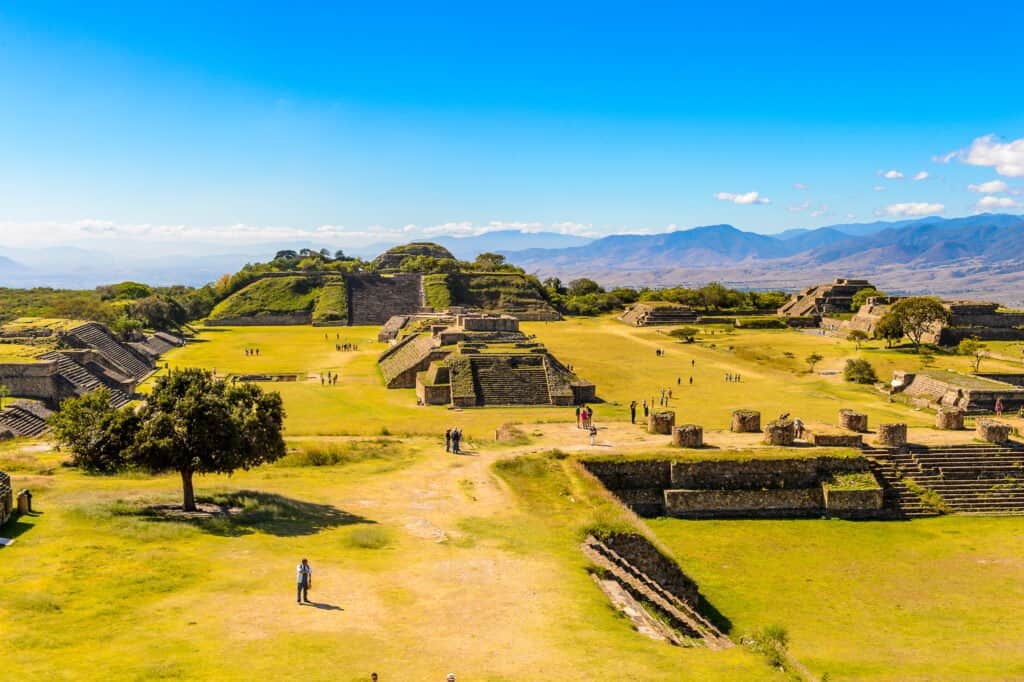
- Zapotec Designs: Geometric motifs inspired by Monte Albán, local myths, and cosmology
- Village Church: The 16th-century Church of the Precious Blood, built on the ruins of a Zapotec temple, symbolizes the blending of Indigenous and Spanish cultures
- Festivals: The annual Fiesta de la Preciosa Sangre de Cristo (July) is a major celebration with music, dance, and traditional food
History & Cultural Significance
Teotitlán del Valle is one of the earliest Zapotec villages founded in Oaxaca, with roots stretching back to pre-Hispanic times. The name “Teotitlán” means “Land of the Gods” in Nahuatl, reflecting the village’s sacred importance. Weaving has always been central to its identity, originally using cotton before the introduction of sheep and wool by the Spanish in the 16th century. Over time, the community became famous for its textiles, which were traded across Mesoamerica. Today, weaving remains both an economic lifeline and a cultural touchstone, with many families dedicating their lives to preserving and innovating traditional Zapotec weaving practices. The village also maintains its Zapotec language and customs, making it a vital center of Indigenous culture in Oaxaca.
Typical Costs & Tickets
Visiting Teotitlán del Valle is free, as it is a living village open to the public. Weaving demonstrations are usually complimentary, though it is customary to purchase something or leave a donation to support the artisans. Small handwoven items may cost around 300–500 MXN ($18–$30 USD), while large rugs and intricate tapestries can range from 2,000–10,000 MXN ($120–$600 USD), depending on the size and detail. Tours from Oaxaca City typically cost $40–$70 USD per person, often including stops at other nearby cultural sites.
Best Time to Visit
The village can be visited year-round, but the July fiesta honoring the Precious Blood of Christ is an especially vibrant time to experience its traditions. Spring and autumn bring comfortable weather, making it ideal for walking between workshops and exploring the surrounding countryside. Mornings are the best time to arrive, as artisans are more likely to be available for demonstrations and the market square is lively.
Nearby Experiences
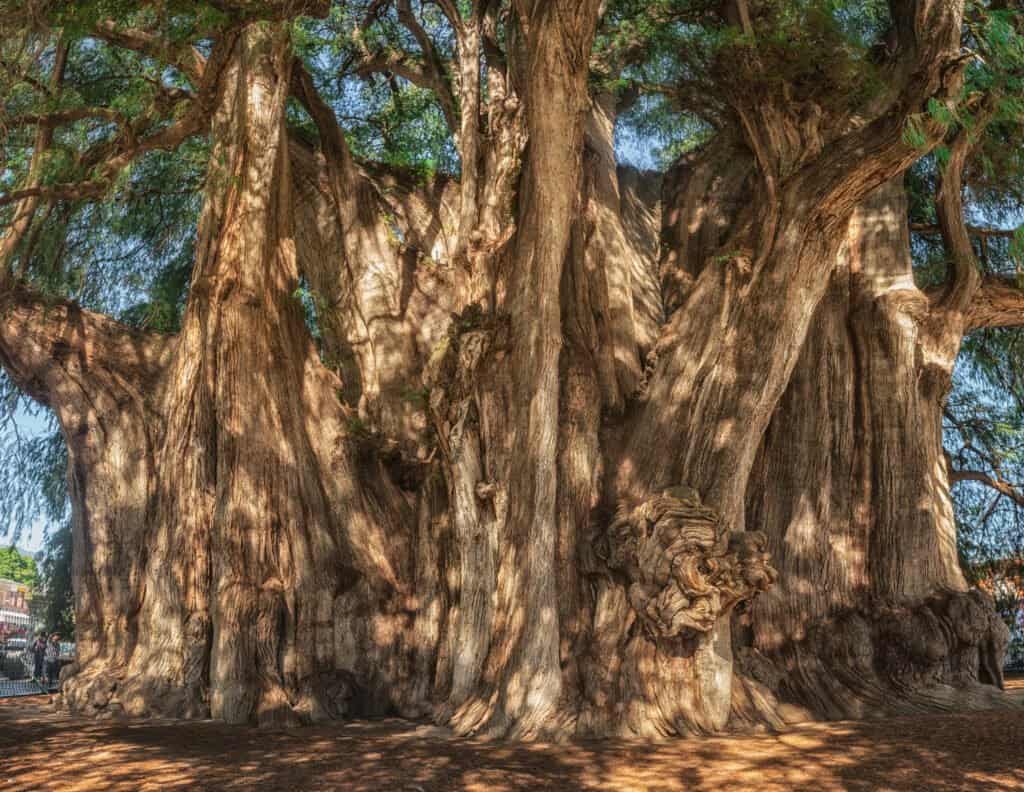
A trip to Teotitlán del Valle can be combined with several nearby attractions. Just a short drive away are the ancient ruins of Mitla, known for its intricate stone mosaics, and the famous Tree of Tule, one of the widest trees in the world. The nearby Hierve el Agua, a petrified waterfall with natural mineral pools, is another popular stop. Back in Oaxaca City, visitors can explore markets such as Mercado 20 de Noviembre and Benito Juárez Market to sample regional foods and purchase more crafts.
Travel Tips
- Bring cash, as most artisans do not accept credit cards
- Visit multiple workshops to see the range of weaving styles and designs
- Don’t be afraid to ask questions—artisans are proud to share their craft and culture
- If buying a rug, ask for details about the dyes and materials—authentic natural dyes are prized
- Consider a guided tour for deeper cultural context and easier transportation
Fun Facts & Local Legends
- The cochineal insect, used for red dye, has been cultivated in Oaxaca for centuries and was once more valuable than gold in Europe
- Many Zapotec weaving patterns are inspired by the geometric designs of Monte Albán’s temples
- Some workshops combine traditional weaving with modern designs, creating unique blends of past and present
- The July fiesta includes the traditional danza de la pluma, a colorful dance symbolizing the Spanish conquest and Indigenous resistance
Reviews
Sign in and mark this place visited to leave a review.
No reviews yet.
Free Trip Planner
Plan your Mexico trip with our free planner
Build a day-by-day itinerary with AI suggestions, hand-picked places, and friends. Free forever — no credit card.
Things to see near Teotitlán del Valle


Places to eat or drink near Teotitlán del Valle

Palenque Gracias a Dios Mezcal

Alfonsina

Mezcal El Rey de Matatlán
