Terminal Tower Observation Deck
Cleveland, OH 44113, USA Posted by bazartravelsTraveler
Terminal Tower Observation Deck
Cleveland's Terminal Tower Observation Deck sits 42 stories above Public Square, offering views across the Cuyahoga River Valley and Lake Erie on clear days. Built in 1930, this Art Deco tower remains one of Ohio's tallest buildings and one of the few places in the city where you can see the full arc of the landscape from a single vantage point. The observation deck wraps around the tower's top floor, giving you 360-degree sight lines without obstruction.
Why this place matters
Terminal Tower was designed during the height of the Art Deco movement and completed in 1930. The building anchored downtown Cleveland's revival and still functions as a working mixed-use tower with retail, office, and transit connections below. The observation deck itself represents a piece of early American skyscraper culture, when visiting the top of a tall building was a standard tourist activity and a point of civic pride.
For many Cleveland residents, the deck holds personal memory. School field trips, first dates, visits from out-of-town relatives—these moments cluster around this one spot. If you want to understand how Clevelanders see their city, spending time here is instructive.
Quick facts
- Height: 42 stories, 708 feet to the roof
- Year completed: 1930
- Located directly above Terminal Tower station, served by RTA rapid transit
- Observation deck entrance is inside the terminal building, accessible from Public Square
- General admission ticket gets you to the deck; no timed-entry requirement
Getting there
Public Square is the heart of downtown Cleveland. If you're driving, several parking garages surround the square, though street parking can be tight during business hours. The easiest approach is the RTA Red Line or Blue Line, which both stop directly under Terminal Tower at Tower Center station. Exit into the terminal building itself, and follow signs for the observation deck.
From the street level, you enter through the terminal's main doors on Public Square. The ticket booth is inside, near the base of the building. From there, an elevator takes you up directly. The ride takes about a minute.
The layout and experience
Once you step out of the elevator onto the 42nd floor, you're in an enclosed observation room with large windows running the full perimeter. The space is modest in square footage but feels open because of the height and the wrap-around design. You can walk the entire circuit in five to ten minutes at a leisurely pace, or spend longer if you're taking photos or identifying landmarks below.
The windows face north toward the industrial valley and Lake Erie, east toward the warehouse district and beyond, south toward the neighborhoods and suburbs, and west toward the river's bend. On a clear day, visibility extends to the horizon. On overcast or hazy days, the view compresses to a few miles, which is still worthwhile but less dramatic.
The deck itself is climate controlled and staffed. A small gift shop operates on the floor, and informational plaques point out major landmarks visible from each side of the deck. Binoculars are not provided, so bring your own if you want magnified views.
Main highlights
Looking north, you see the Cuyahoga River winding through downtown, with the flats beyond it opening toward Lake Erie. The bridges spanning the river are striking from above, especially the Veterans Memorial Bridge and the old railroad bridges. On clear days, the lake itself is visible as a flat blue expanse beyond the industrial area.
Eastward, the Warehouse District sits directly below with its converted loft buildings and narrow streets. Further out, the neighborhoods roll into the distance. The skyline is not dramatic by major-city standards, but it is distinctly Cleveland, with a mix of older industrial structures, mid-century office buildings, and newer developments clustered around downtown.
Westward, you can trace the Cuyahoga as it bends sharply, creating the landscape that once defined Cleveland's industrial character. The river itself was notoriously polluted for decades, and seeing it from 708 feet up gives context to the scale of remediation work that has happened since the 1970s.
Southward, the neighborhoods and suburbs stretch out flat. On very clear days, you might make out details miles away, but most of the time the view softens into a general sense of the city's footprint spreading outward from downtown.
History and background
Terminal Tower was built as the centerpiece of the Van Sweringen brothers' vision for a unified transit and commercial hub. The Van Sweringens were railroad magnates and real estate developers who controlled much of Cleveland's growth in the early 20th century. They commissioned the tower as an anchor for a larger complex that would consolidate rail and streetcar terminals, retail, and office space under one roof.
The building opened in 1930, just months before the stock market crash that triggered the Great Depression. Despite the timing, it became an immediate symbol of Cleveland's ambition and economic power. The observation deck was part of the original design, a feature that reflected the era's fascination with height and urban vistas.
The tower's Art Deco style is evident in the geometric patterns, the use of limestone and granite on the exterior, and the soaring vertical lines of the facade. Inside, the lobby and public spaces retain much of their original detail, though they've been updated over the decades.
For most of the 20th century, Terminal Tower was Cleveland's tallest building and a defining landmark. Its position on Public Square made it impossible to ignore, and for generations it served as a reference point for directions and orientation. The tower remains functionally important as a transit hub and office building, even if it is no longer the city's tallest structure.
Tickets and entry
General admission to the observation deck is available at the ticket booth inside the terminal building. Tickets are inexpensive and sold on a walk-up basis. Children, seniors, and military personnel may receive discounted rates. No advance reservation is required, though you might want to call ahead if you're planning a large group visit.
The ticket gets you one-way elevator access to the 42nd floor and as much time as you want on the observation deck itself. There is no time limit, though most visitors spend 15 to 30 minutes up top.
Best time to visit
Clear days are essential here. If the sky is overcast or hazy, the view compresses significantly. Early morning tends to offer the clearest visibility before afternoon haze builds. After rain, especially if a cold front has passed through, the air is often crisp and sight lines extend further.
Weekday mornings are less crowded than weekend afternoons. If you prefer solitude or easier photography, come on a weekday before noon. On weekends, especially in summer, the deck can feel busy, though it rarely becomes uncomfortably packed.
Winter offers cold but often clear skies, and the low angle of the sun creates dramatic lighting. Spring and fall are mild and frequently clear. Summer afternoons often bring haze from humidity and heat shimmer off the city.
Photography tips
The windows can create reflections, especially at certain times of day or when the interior lights are on. Positioning yourself close to the glass and using a lens hood or your hand to shield reflections helps. A polarizing filter also reduces glare if you're using a camera with interchangeable lenses.
The cardinal directions from the deck are predictable, so you can plan your shots based on sun position and the time of day. Morning light comes from the east, evening light from the west. Midday light is harsh but clear.
Bring a tripod if you want long exposures or night photography. The deck allows tripods, though you'll need to position it carefully to avoid blocking other visitors' views. Night shots looking down at the illuminated streets and buildings below can be striking, and the city lights reflect off Lake Erie on clear nights.
Combining with nearby attractions
Public Square itself is worth exploring. The surrounding buildings include the historic Old Stone Church and the Renaissance Cleveland Hotel. The square has been renovated in recent years and now includes green space, seating, and seasonal programming.
The Warehouse District is a short walk east and contains galleries, breweries, restaurants, and shops. If you want to spend a few hours downtown, you can easily combine the observation deck with a walk through that neighborhood.
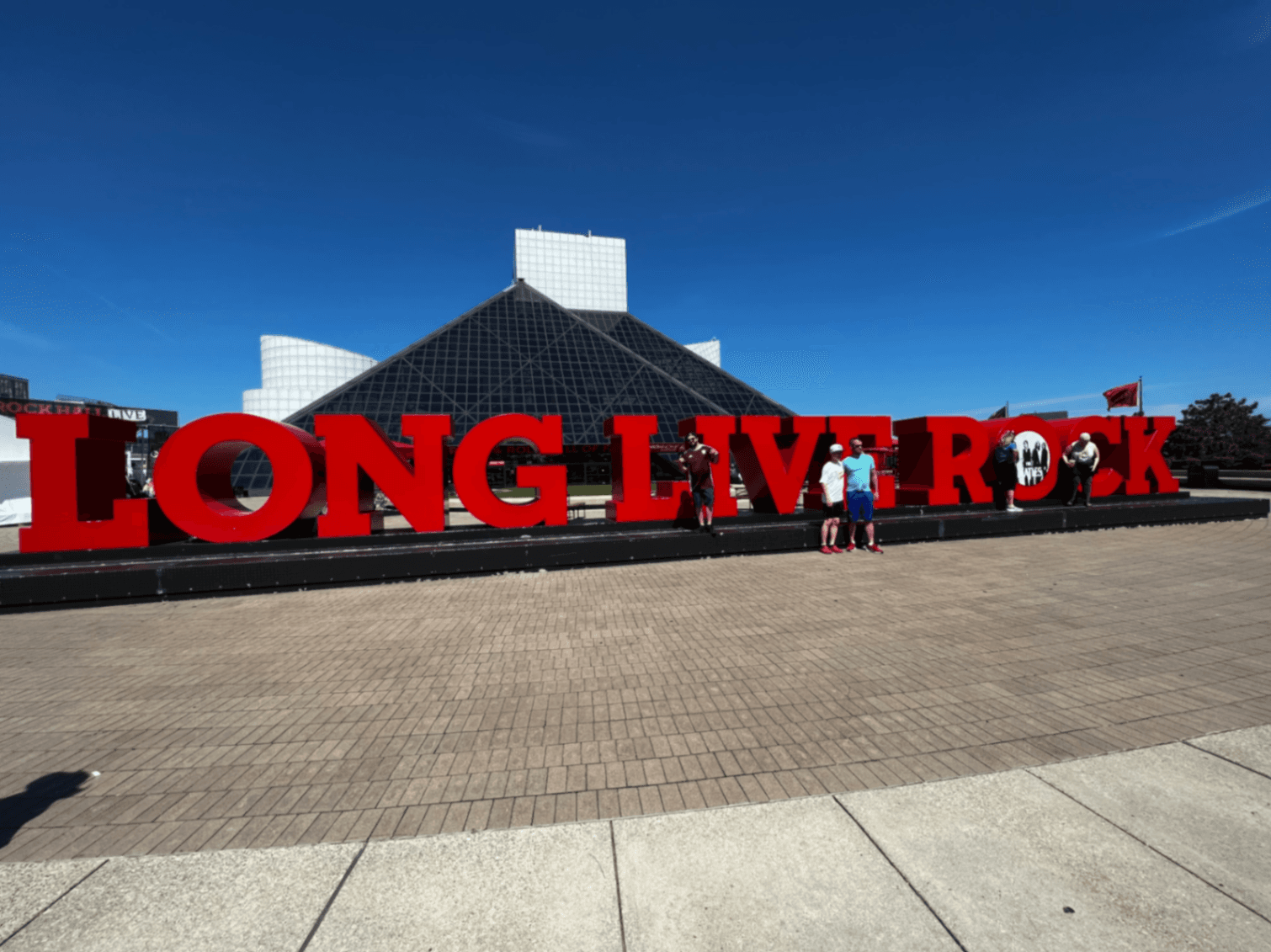
The Rock and Roll Hall of Fame is about a mile north along the waterfront. The Cleveland Museum of Art is south of downtown and is free to enter. Both are worthwhile if you're planning a longer day in the city.
Sample visit plan
Arrive early on a clear morning, purchase your ticket, and take the elevator up. Spend 20 to 30 minutes on the deck, walking the full circuit and taking photos. After coming down, grab coffee or a meal in the terminal building's ground-floor shops or nearby cafes. Then either explore Public Square and the immediate surroundings, or head to the Warehouse District for lunch and browsing.
Practical tips
- Check the weather forecast before going. The view is worth experiencing only on a clear or partly cloudy day, not on hazy or overcast days.
- Bring a camera or phone with a good camera. The views are photogenic, especially from specific angles and times of day.
- Wear comfortable shoes. The walk around the deck is easy, but you'll want to explore at a relaxed pace.
- The deck is climate controlled but can feel cool in winter or warm in summer, so dress in layers.
- Binoculars are helpful but not essential. The naked-eye views are impressive even without magnification.
- The elevator queue can build up on weekend afternoons, so visit on a weekday or in the morning if you want a quicker experience.
FAQ
How long does it take to visit the observation deck? Most people spend 20 to 40 minutes on the deck, including time for photos and walking the perimeter. There's no time limit, so you can stay longer if you want.
Is the deck accessible for people with mobility issues? The elevator reaches the deck, and the observation room itself is fully accessible with no stairs. Restrooms are available on the floor.
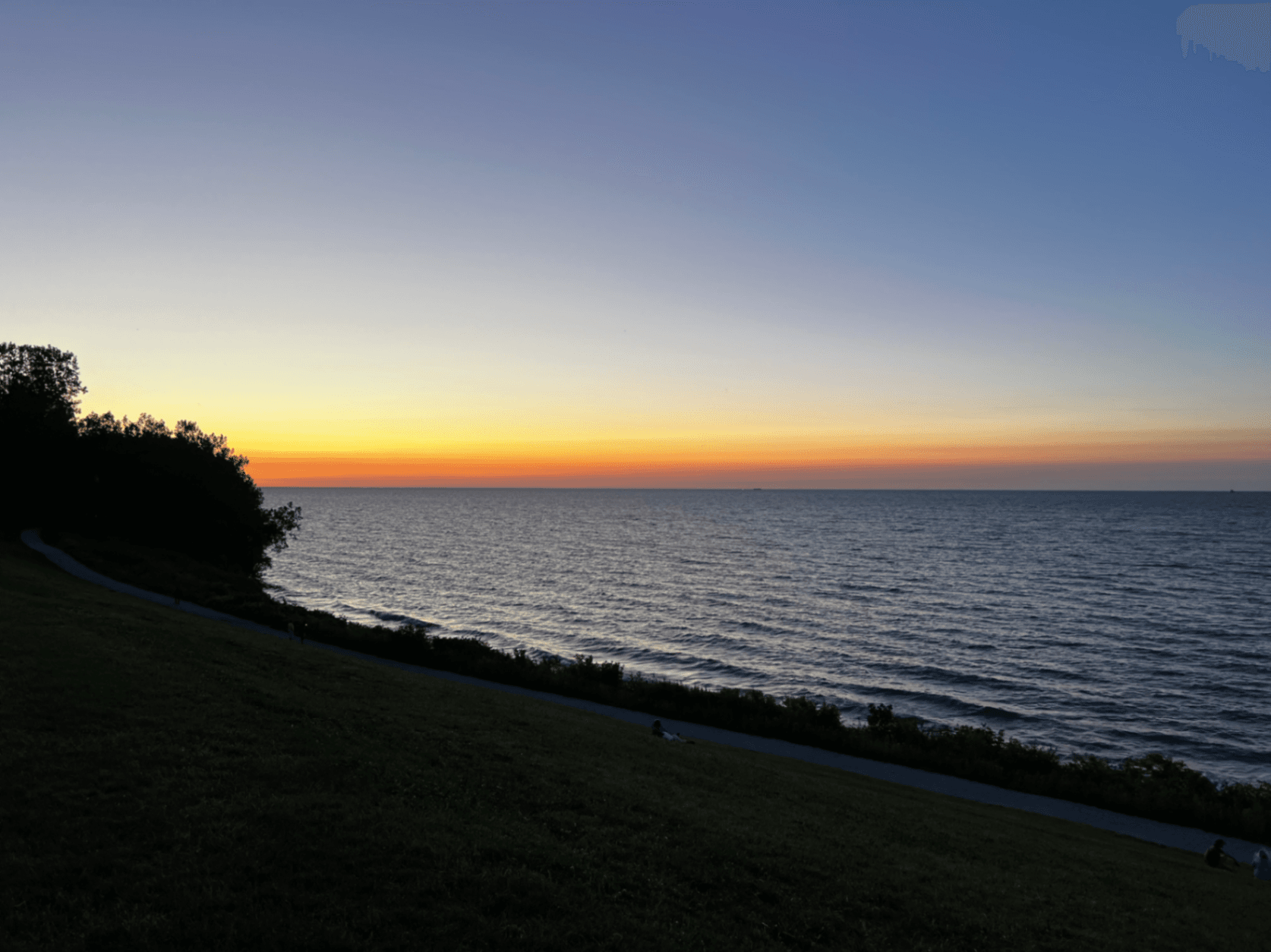
Can you see Lake Erie from the deck? On clear days, yes. The lake is visible to the north and northeast, appearing as a flat blue expanse beyond the industrial valley. On hazy days, the view may not extend that far.
Are there restaurants or food options at the top? There is a small gift shop on the deck, but no full restaurant or cafe. The terminal building below has several food options, and the surrounding area has many restaurants and cafes.
What is the best time of day to visit for photography? Early morning or late afternoon offer directional light and clearer air. Midday is bright but can produce harsh shadows and glare off the water.
Opening hours
Reviews
Sign in and mark this place visited to leave a review.
No reviews yet.
Free Trip Planner
Plan your Cleveland trip with our free planner
Build a day-by-day itinerary with AI suggestions, hand-picked places, and friends. Free forever — no credit card.