The Flats
The Flats, Cleveland, OH 44113, USA Posted by bazartravelsTraveler
The Flats is Cleveland's waterfront entertainment district, a roughly 40-acre stretch along the Cuyahoga River just north of downtown. For most of the 20th century this was the industrial engine of the city, lined with steel mills, foundries, and oil refineries that fed America's manufacturing boom. Today it's where Clevelanders go for live music, riverside dinners, and a paddle down the same water that once powered the mills. The contrast is the point: brick warehouses that used to process ore now hold breweries and concert venues, and the riverwalk that follows the Cuyahoga gives you a view of downtown's skyline you won't get from street level anywhere else in the city.
If you're splitting your Cleveland itinerary between daytime sightseeing and nighttime entertainment, The Flats earns its place on the evening side of that ledger, though it works as a daytime stop too, particularly if you're interested in getting out on the water.
Why The Flats Matters
The Flats isn't just a nightlife strip. It's a working example of what happens when a city decides to reclaim a river that nearly became a punchline. The Cuyahoga caught fire multiple times through the 20th century, and the 1969 fire became a touchstone for the national environmental movement, cited for years afterward in arguments for clean water legislation. That the same river now supports kayak rentals and fishing says something concrete about decades of cleanup work, even if it took until the 2000s for the area to feel safe and functional again.
There's also an architectural argument for visiting. The brick and iron bones of the old industrial buildings weren't torn down to make way for something generic. Developers built restaurants and bars inside the existing structures, which means a night out here looks and feels different from a night out in a typical downtown entertainment district. You're drinking a craft beer under a ceiling that once sheltered foundry workers, and that history is visible rather than scrubbed away.
Quick Facts
- Location: Downtown Cleveland along the Cuyahoga River, adjacent to the Warehouse District
- Primary draw: Live music venues, bars, restaurants, breweries, and outdoor recreation
- Access: Free to walk and explore the public riverwalk and outdoor areas
- Parking: Several nearby garages and street parking, tighter on weekend evenings
- Best for: Evening entertainment, waterfront dining, concerts, kayaking and paddleboarding
- Redevelopment: Major turnaround began in the 1990s and accelerated through the 2000s, continuing today
Getting There
The Flats sits just north of downtown Cleveland, close enough to walk from several other central neighborhoods. If you're driving in, take I-77 toward downtown and follow signage for the Flats or Warehouse District. A handful of parking garages serve the area directly, and street parking is available depending on the time and day, though it fills fast on weekend nights. Getting there 30 to 45 minutes before you actually need a spot is a reasonable rule of thumb in summer.
By public transit, the RTA Red Line stops at Tower City Center, which puts you about a 10 to 15 minute walk from The Flats. That walk runs through the Warehouse District, so you can treat it as a mini preview of another neighborhood rather than dead time. Rideshares and taxis are easy to find from almost anywhere downtown and probably the least stressful option if you're planning to drink.
The Layout and Experience
The district splits into two main sections, the North Bank and South Bank, linked by several bridges and a continuous riverwalk. The North Bank tends to skew more casual, with outdoor recreation and lower-key dining. The South Bank has more of the upscale restaurants and the long-established music venues. Neither side is strictly one thing or the other, but that general split helps if you're deciding where to anchor an evening.
The riverwalk itself might be the best free thing to do in the neighborhood. It runs along the water with views of passing boats, the surrounding bridges, and the downtown skyline rising just beyond the industrial rooflines. On a warm evening the promenade fills with people drifting toward dinner reservations or just killing time before a show. The feel of the place shifts hard with the seasons. Summer is close to festival energy, with patios packed and outdoor seating at a premium. Winter quiets down considerably, though indoor venues and holiday programming keep things from going dormant entirely.
Water recreation is a real part of the draw, not an afterthought. Several outfitters rent kayaks and paddleboards along the river, and the stretch running through downtown is calm enough for beginners, though current and boat traffic do vary, so it's worth listening to whatever safety briefing the rental outfit gives you. Guided tours exist for people who've never paddled before and want some hand-holding.
Main Highlights
Live music is probably the single biggest reason people make a special trip to The Flats. Multiple venues host shows most nights of the week, ranging from intimate rooms that hold a few hundred people to larger stages built for crowds in the thousands. Sound quality and sightlines differ a lot from venue to venue, so it's worth a quick look at the floor plan for whatever show you're buying tickets to.
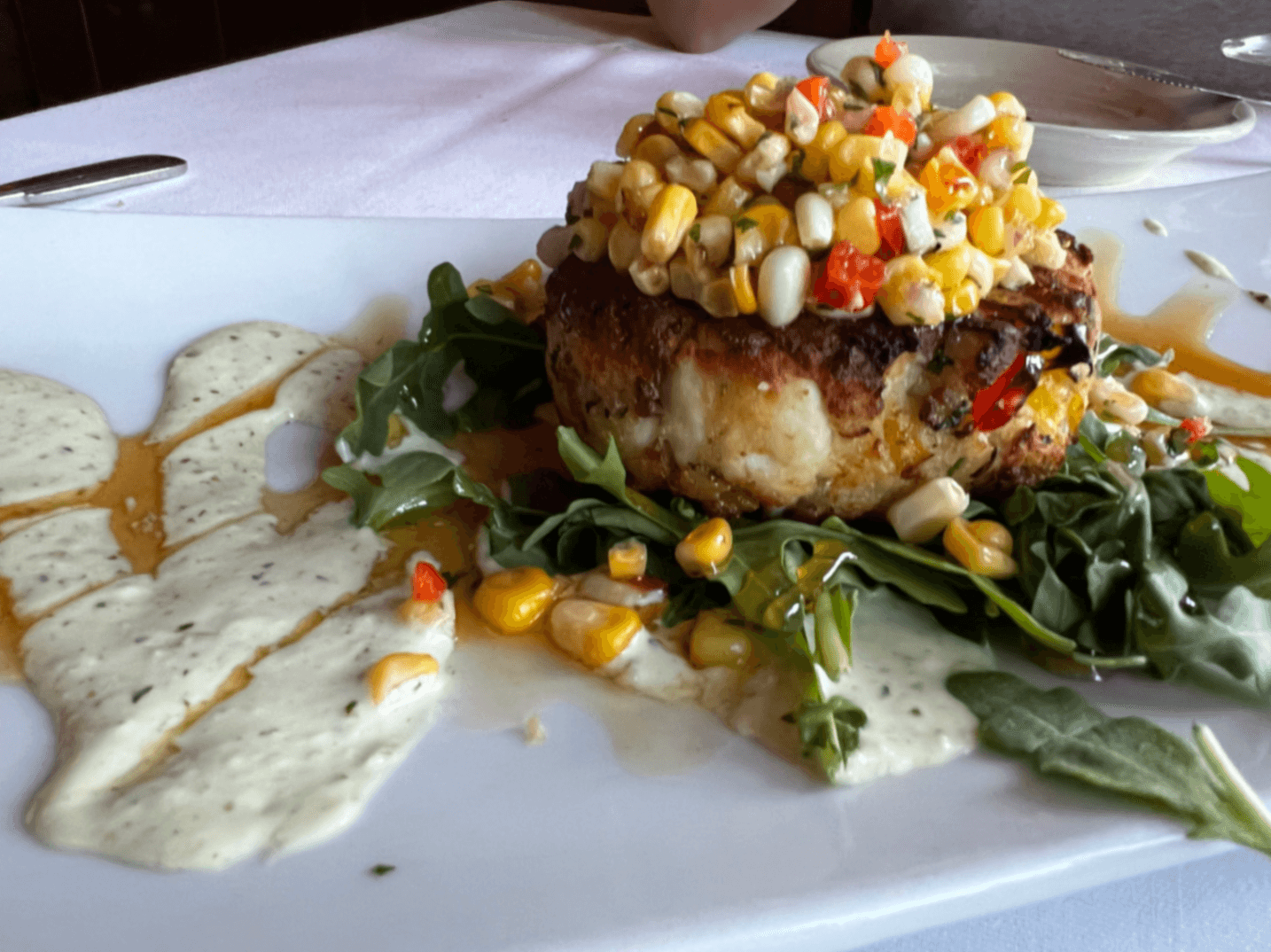
Waterfront dining covers a wide range, from casual seafood shacks to steakhouses with patio seating angled toward the river. The real selling point at most of these places is the view at dusk, when the bridges and downtown buildings start lighting up and the water catches the reflection. Reserve ahead at the popular spots, especially on weekends.
The East Bank Project, a newer addition to the district, brings a different tone entirely. It's built around green space, walking paths, and a mix of dining and retail that feels calmer than the older bar-heavy blocks. If a loud night out isn't what you're after, the East Bank is where to point your evening instead.
Breweries have carved out a solid niche here too. Several craft operations run taprooms in the old industrial buildings, often partnering with food trucks or nearby restaurants so you can make a full dinner out of a brewery stop rather than treating it as a quick drink before moving on.
History and Background
The name is literal. The Flats sits on the flat valley floor the Cuyahoga River carved out over thousands of years, and that geography made it ideal for the kind of heavy industry that needs river access and level ground. By the late 1800s and into the early 1900s, the neighborhood was packed with steel mills, foundries, oil refineries, and shipping operations that helped power American industrial growth. The river did double duty as both transportation route and dumping ground, which is where the trouble started.
Decades of industrial runoff left the Cuyahoga so polluted that it caught fire more than once through the 20th century. The 1969 fire is the one most people know about, and it became a national symbol, cited for years afterward in debates over water pollution and eventually tied to the push that led to the Clean Water Act. The cleanup that followed took decades, not years, and it wasn't until the 2000s that the river was consistently clean enough to support the kind of recreation you see today.
As manufacturing pulled out of the neighborhood through the back half of the 20th century, The Flats emptied out fast. Buildings sat vacant, and after dark the streets had a reputation for feeling unsafe. The turnaround started gaining real momentum in the 1990s and picked up speed through the 2000s, as developers started seeing potential in the old industrial shells rather than tearing them down. New construction filled the gaps without erasing what made the buildings distinctive in the first place. That restraint is a big part of why the neighborhood still feels gritty in a good way rather than like a sanitized entertainment complex.
Best Time to Visit
Late spring through early fall, roughly May into September, is peak season. Warm weather pulls crowds onto the patios and out onto the water, and Friday and Saturday nights in July or August can feel genuinely packed. If you want decent weather without the heaviest crowds, aim for early May or late September, when the temperature is still workable but the foot traffic thins out.
Winter doesn't shut the neighborhood down, it just changes its character. Indoor venues keep running, and the holidays bring seasonal decoration and events that give the district a reason to stay active even when nobody's sitting outside. Spring weather is unpredictable, but the first mild days of the year tend to draw people out who've been cooped up all winter.
Weeknights are consistently calmer than weekends, which helps if you want easier parking and a shorter wait for a table. Some smaller venues cut back their hours midweek though, so it's worth checking before you commit to a specific spot on a Tuesday. If there's a major concert or festival happening in the district on the night you're planning to go, expect parking and dinner reservations to get competitive.
Photography Tips
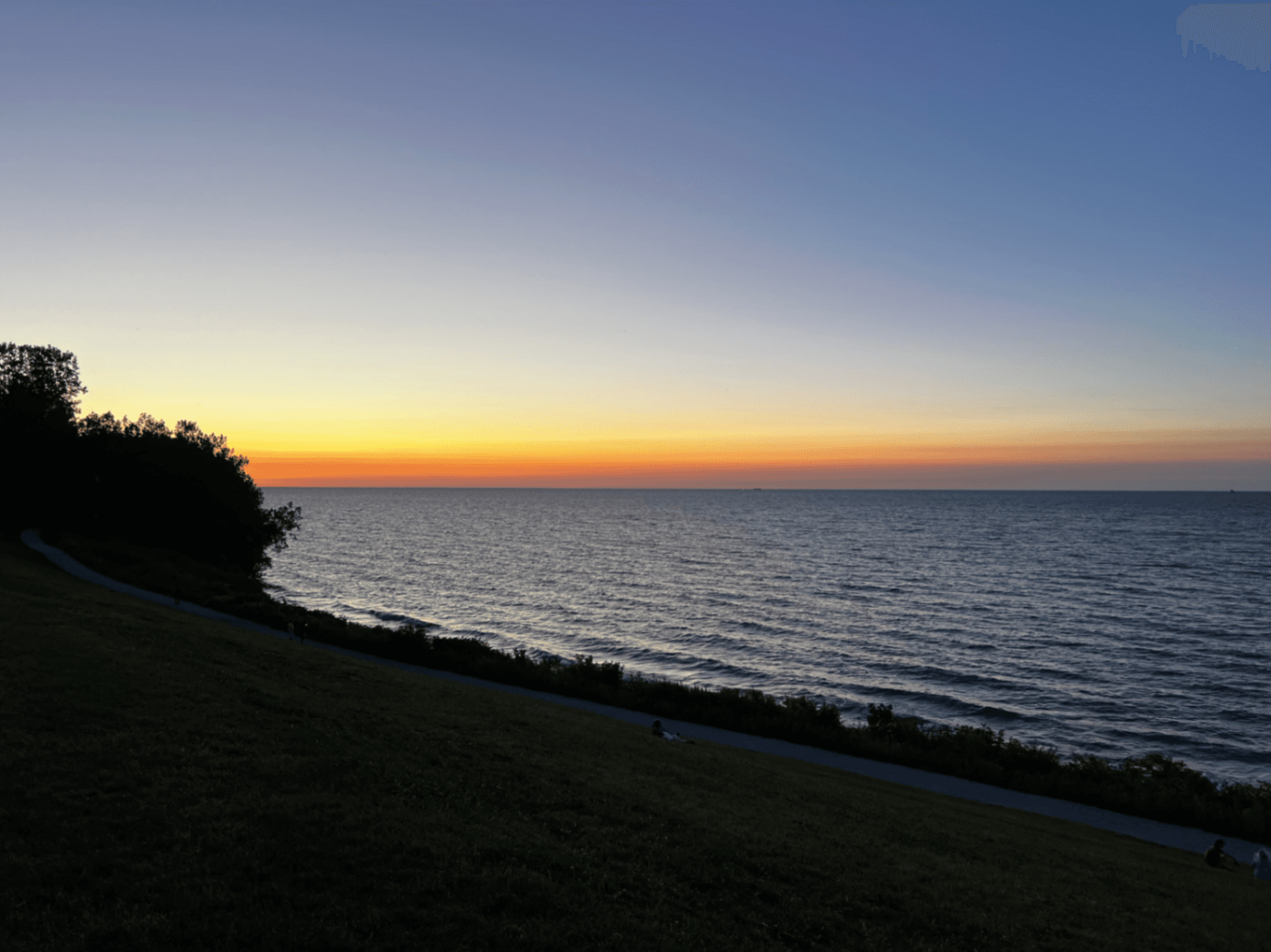
The bridges spanning the Cuyahoga are the signature shot here, especially right at dusk when the lights come on and the water picks up the reflections. Shooting from the south bank looking north toward the skyline is the classic Cleveland composition, and the light in the 20 or so minutes after sunset tends to give you the best balance between the sky and the illuminated buildings.
The industrial architecture photographs well on its own terms too. Brick facades, old metal railings, the general rawness of a converted warehouse all hold up nicely in golden hour light. Street-level shots along the riverwalk, whether it's people on patios or boats drifting past, do a good job of capturing the social energy of the place rather than just the scenery.
Night photography is worth the effort if you're carrying a tripod. The bridges and buildings stay lit well after dark, and a long exposure of the river with a boat passing through the frame can turn into one of the better shots of a Cleveland trip.
Facilities and Preparation
Restrooms are generally available through the restaurants and bars scattered across the district, and basic retail and convenience shops are easy to find given how compact the neighborhood is. You're unlikely to be caught without access to something you need.
If you're planning to get on the water, bring more water than you think you'll need and dress for the possibility of getting wet. Conditions on the Cuyahoga are usually calm through this stretch, but weather can shift quickly, and rental outfitters will supply life jackets and basic instruction rather than assuming you know what you're doing. Being a confident swimmer is a smart baseline even if the water looks tame.
The main entertainment areas are well-lit after dark and generally feel safe, but like any urban nightlife district, some side streets can go quiet during off-hours. Sticking to populated blocks after midnight is just common sense. Comfortable shoes matter more than people expect, since the riverwalk is flat but you'll likely cover real distance if you're bouncing between a few venues over the course of a night.
Combining with Nearby Attractions
The Warehouse District sits right next door to the east, with its own galleries, boutiques, and restaurants. Walking from The Flats through the Warehouse District takes about 15 to 20 minutes and makes for a natural extension if you want a longer evening rather than a single stop.
Tower City Center is roughly a 10 minute walk to the southeast and functions as both a transit hub and a historic building worth a look on its own, with an underground shopping concourse that's handy if the weather turns on you.
The Cleveland Museum of Art is about 2 miles away and offers free general admission, which makes it an easy pairing if you're building a full day around The Flats rather than just an evening. It's too far to walk comfortably, so plan on a short drive or rideshare.
Playhouse Square, Cleveland's theater district, is about a 15 minute walk away, close enough that dinner in The Flats followed by a show downtown is a completely reasonable plan for one night.
Sample Visit Plan
A typical evening might start around 5 or 6pm with dinner at a South Bank restaurant that has river-facing seating, timed so you catch some daylight before the sun drops. After eating, spend a half hour or so walking the riverwalk and ducking into whatever shops or galleries catch your eye. As the evening settles in, pick either a live music venue if there's a show worth seeing or a brewery for something quieter. Most places stay open late, and the crowd starts thinning out well after midnight.
For a daytime version, arrive mid-morning and book a kayak or paddleboard rental if the forecast cooperates. An hour or two on the water followed by a casual lunch covers the main attractions without needing darkness to fall. Round out the afternoon with more walking or a stop at a gallery before heading elsewhere for the evening.
Practical Tips
- Check individual venue websites before heading out. Hours, live events, and food service vary by establishment and by day of the week.
- Parking fills up fast on weekend nights. Arrive early or use a rideshare if drinks are part of the plan.
- Reserve ahead at popular restaurants, especially for riverfront seating on a Friday or Saturday.
- Visit the riverwalk early morning or on a weekday evening if you want it without the summer weekend crowds.
- Bring a jacket even in summer. River breezes cool the air noticeably once the sun goes down.
- Most of the neighborhood is casual, but some upscale restaurants enforce a dress code, so check ahead if you're unsure.
- Live music venues often charge a cover or enforce a drink minimum, so budget for that on top of dinner.
- The riverwalk is paved and flat, but accessibility can be limited inside some of the older converted buildings.
FAQ
Is The Flats safe to visit? The main entertainment areas are well-lit and generally busy, which helps. Normal urban awareness applies, particularly after midnight, and it's worth sticking to populated streets.
Do I need a car to visit The Flats? Not really. Public transit via the RTA Red Line to Tower City, combined with a short walk, works fine, and rideshares and taxis cover the rest. Parking exists but gets tight on weekends.
What's the best day to visit? Friday and Saturday nights have the most energy but also the biggest crowds. Weeknights are quieter with easier parking and shorter waits. Summer is the busiest season overall, though the neighborhood stays active year-round.
Can I bring my own food or drinks? No. Outside food and drink aren't allowed in most venues, and open container laws apply to the public areas of the neighborhood, so plan to buy what you need on site.
Are there things to do here with kids? Daytime activities like kayaking, walking the riverwalk, and casual lunch spots work fine for families. Once the sun goes down, The Flats shifts noticeably toward an adult nightlife scene, so a daytime visit is the better call if you've got children along.
Reviews
Sign in and mark this place visited to leave a review.
No reviews yet.
Free Trip Planner
Plan your Cleveland trip with our free planner
Build a day-by-day itinerary with AI suggestions, hand-picked places, and friends. Free forever — no credit card.