The Fort Worth Herd Cattle Drive
157 E Exchange Ave, Fort Worth, TX 76164, USATwice a day, every day, a dozen or so Texas Longhorns are walked down the brick paving of Exchange Avenue in the Fort Worth Stockyards, trailed by drovers on horseback in period dress. The Fort Worth Herd Cattle Drive takes about ten minutes to pass, costs nothing to watch, and is billed by the city as the only twice-daily cattle drive in the world. It is a piece of staged civic theatre rather than a working cattle operation, and most people who watch it know that going in. That knowledge doesn't do much to diminish the thing itself. The animals are enormous up close, and the horns really do span as wide as they look in the postcards.
Why the Fort Worth Herd Cattle Drive matters
Fort Worth built its identity on cattle long before it built anything else. The city sat on the Chisholm Trail, the route drovers used in the 1860s through the 1880s to push longhorns north out of Texas toward rail depots in Kansas, where the animals were loaded for shipment to meatpacking cities farther east. That traffic is why Fort Worth still calls itself Cowtown. The Fort Worth Herd Cattle Drive is a direct, deliberate reference to that history, staged in the exact district where the cattle trade once actually happened. It's less a recreation of any single historical drive than a recurring reminder of what this stretch of Exchange Avenue used to be for.
Quick facts
- Location: Exchange Avenue, Fort Worth Stockyards National Historic District, near 157 E Exchange Ave
- What happens: a small herd of Texas Longhorns is driven down the street by mounted drovers in period dress
- Frequency: twice daily, every day of the year
- Duration: roughly ten minutes for the drive itself
- Cost: free to watch
- Origin: the drive began in 1999, tied to the city's cattle-trade heritage
Getting there
The Stockyards sit a few miles north of downtown Fort Worth, and the drive takes place on Exchange Avenue itself, the main spine of the historic district. If you're driving, there are paid lots and some metered street parking nearby, though spots fill up fast in the half hour before each drive. The Trinity Railway Express and local Fort Worth transit routes also serve the area, and if you're staying downtown, a rideshare ride out runs well under fifteen minutes depending on traffic. Once you're on Exchange Avenue, you don't need directions beyond "follow the crowd" — barricades and a handful of mounted drovers staging nearby make it obvious where things are about to happen.
History and background
The Stockyards district grew up around the Fort Worth Union Stock Yards, which became a major livestock trading point in the late nineteenth century once rail lines reached the city, cutting into the need for the long overland drives north. By the early 1900s, packing plants run by Armour and Swift had set up alongside the yards, and Fort Worth briefly ranked among the busiest livestock markets in the country. That business declined through the mid-twentieth century as the meatpacking industry decentralized, and the stockyards themselves stopped functioning as a working market. The buildings and brick streets survived, though, and the district was preserved rather than redeveloped, eventually earning National Historic District status.
The cattle drive as a visitor spectacle came later, introduced in 1999 as a way to put the district's cattle heritage back on daily display rather than leave it as a museum piece. The Longhorns used in the drive are kept specifically for this purpose, and the drovers are trained to manage a herd through a street lined with tourists, trucks, and the occasional nervous pedestrian.
The layout and experience
Exchange Avenue is lined with saloons, boot shops, and the Cowtown Coliseum, with Billy Bob's Texas a short walk to the west. The street itself is brick-paved and wide enough to give the herd a real corridor to move through, with low rail fencing set up along the sidewalks before each drive to keep spectators back. You'll hear it before you see much — the clop of hooves, a drover or two calling out, maybe a radio announcement over a PA system warning people to stay behind the rail. Then the herd comes around from its holding pens and moves down the street at an unhurried walk, drovers riding alongside and sometimes stopping to answer questions once the animals have passed.
It is not a large herd, and it is not fast. The whole thing covers a few blocks and wraps up in about the time it takes to finish a cup of coffee. What stays with people is less the drive itself than standing a few feet from a longhorn steer and registering just how wide the horns are and how little the animal seems to care that it's famous.
Best time to visit
Because the drive happens twice daily, you have two chances most days to catch it, and arriving early matters more than arriving at any particular time of year. In high season, especially weekends and holiday periods, the front rail along Exchange Avenue fills up fifteen minutes or more before the herd is due, so get there with room to spare if you want an unobstructed view. Weekday mornings tend to be quieter. Texas summers in the Stockyards get genuinely hot by midday, so if you have a choice between the two daily drives, the one timed earlier in the day is usually more comfortable to stand around for.
Photography tips
Stand on the north side of Exchange Avenue. The light there tends to work better through most of the day, and it puts the herd and the red-brick storefronts behind them in frame rather than shooting into glare. A longer lens helps if you want tight shots of the horns without crowding the rail, but a phone camera does fine for the wide shot of the whole herd moving down the street. The slow pace of the drive gives you time to reposition if your first spot doesn't work, which is rare for most free street spectacles.
Combining with nearby attractions
The cattle drive sits inside walking distance of most of what the Stockyards district has to offer. Cowtown Coliseum hosts rodeos and events a short stroll from the drive route, and the Stockyards Museum nearby covers the district's history in more depth than you'll get standing at the rail. Billy Bob's Texas, often described as the world's largest honky-tonk, is a few minutes west on Exchange Avenue. Most visitors build a visit to the Herd into a broader few hours in the Stockyards, timing lunch or shopping around one of the two daily drives rather than treating it as a standalone stop.
Practical tips
- Arrive fifteen to twenty minutes early for either drive during busy weekends or holidays
- Stand on the north side of Exchange Avenue for better light and photos
- Keep young kids and dogs well back from the rail line, the Longhorns are large animals moving through a tight street
- Wear shoes you don't mind standing in for a while, there's no seating along the route
- Pair the drive with the Stockyards Museum or Cowtown Coliseum to make a fuller afternoon of the visit
FAQ
Is the Fort Worth Herd Cattle Drive free?
Yes, watching the drive costs nothing. You simply find a spot along the rail on Exchange Avenue.
How long does the cattle drive last?
The drive itself takes roughly ten minutes as the herd moves down the street, though people often arrive well before and linger after to see the Longhorns up close.
Is this a real working cattle drive?
No. It's a staged daily event meant to showcase Fort Worth's cattle-trade history rather than an actual livestock operation, though the Longhorns and the drovers' horsemanship are genuine.
Where's the best place to stand?
The north side of Exchange Avenue, both for the light and for a clear line of sight as the herd approaches.
How often does it happen?
Twice daily, every day of the year, which is the detail the city leans on when it calls this the only twice-daily cattle drive anywhere.
Reviews
Sign in and mark this place visited to leave a review.
No reviews yet.
Free Trip Planner
Plan your United States trip with our free planner
Build a day-by-day itinerary with AI suggestions, hand-picked places, and friends. Free forever — no credit card.
Related reading
Things to see near The Fort Worth Herd Cattle Drive


Places to eat or drink near The Fort Worth Herd Cattle Drive

The Porch Pour
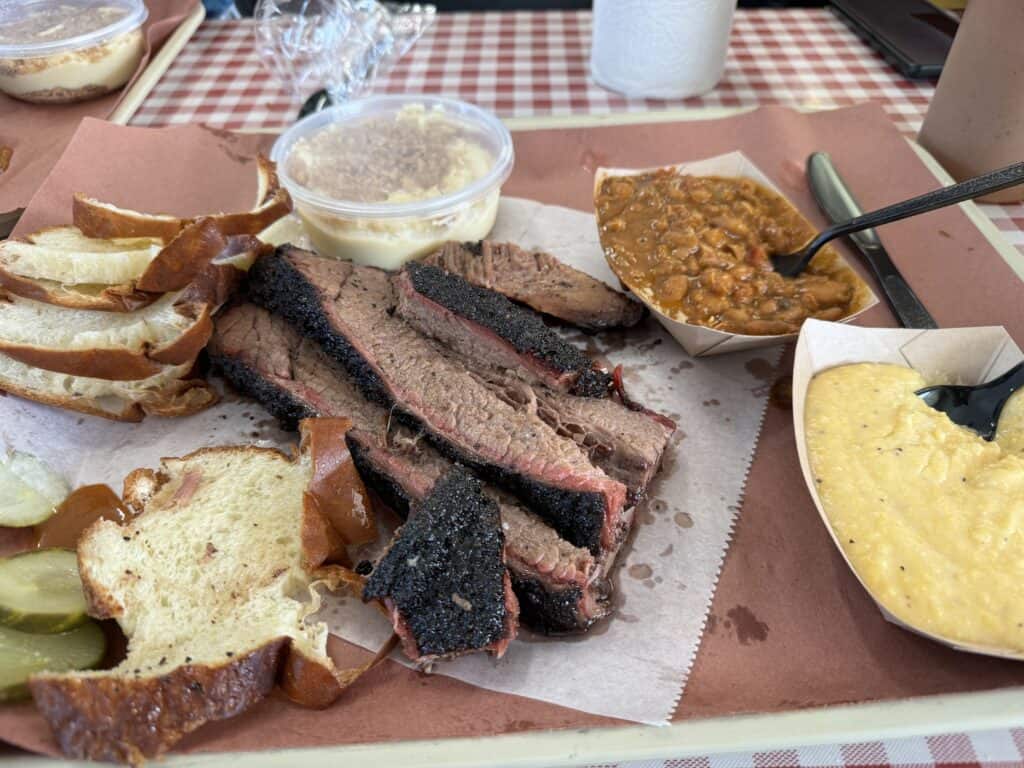
Goldee's Barbecue
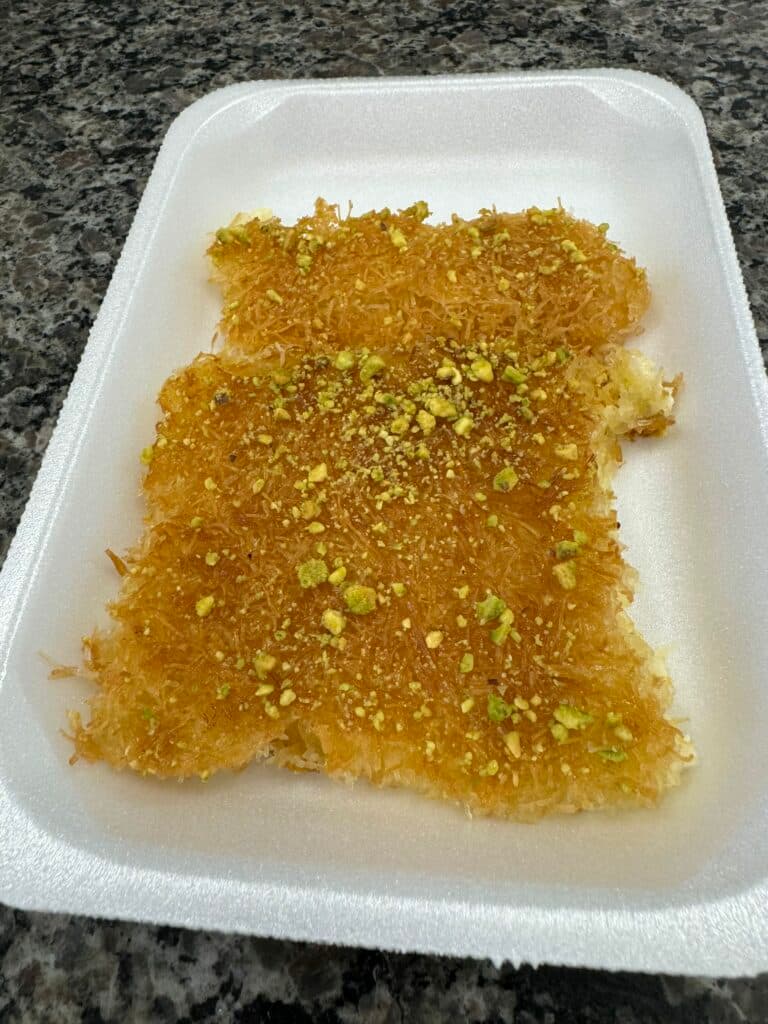
Kunafa Factory