The Royal Tomb
Machupicchu, Cusco, Peru Posted by Brandon B.Admin
The Royal Tomb at Machu Picchu: What You'll Actually Find Inside
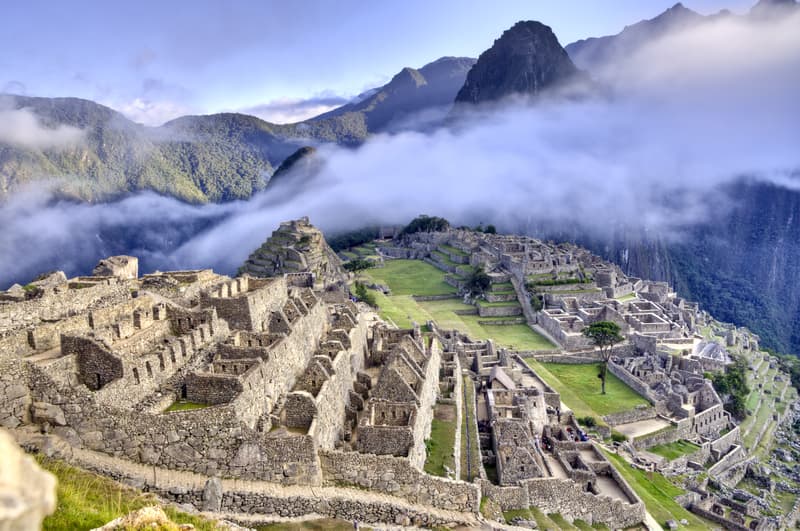
The Royal Tomb is one of the most architecturally precise structures at Machu Picchu, and most visitors walk right past it. Tucked beneath the Temple of the Sun on the eastern side of the citadel, this carved stone chamber sits at ground level while the famous curved temple rises above it. If you're visiting Machu Picchu for the first time, or the fifth, slowing down here is worth it.
The name is dramatic, and the debate around it has been going on since Hiram Bingham brought the site to international attention in 1911. Whether it actually served as a royal burial chamber is still contested among archaeologists. What isn't contested is the craftsmanship on display.
Why the Royal Tomb Matters
Inca stonework is everywhere at Machu Picchu, but the Royal Tomb shows it at close range. The interior features natural rock that the Inca carved directly into the mountain, shaping existing stone outcroppings rather than importing material. The walls around the chamber demonstrate classic ashlar masonry, where stones are cut and fitted so tightly that no mortar was used. You can run your hand along the joins and barely feel a gap.
The cave-like space also contains carved niches in the walls, which archaeologists believe held offerings, mummies, or sacred objects. The exact function of each niche is still a matter of interpretation, but the positioning and precision suggest this was not a storage room. It was treated with care.
Above the tomb, the Temple of the Sun uses the same natural rock formation as its foundation, which tells you something about how the Inca approached sacred architecture. They didn't impose structure onto the landscape. They worked with it.
Quick Facts
- Location: Below the Temple of the Sun, in the eastern sector of Machu Picchu
- Access: Included with general Machu Picchu entry, no separate ticket required
- Machu Picchu itself sits at approximately 2,430 meters above sea level
- The site was designated a UNESCO World Heritage Site in 1983
- Bingham's 1911 expedition was the first to document the structure for Western audiences, though local communities knew of the site
- Photography is permitted in this area of the citadel
Getting There
You reach Machu Picchu either by train to Aguas Calientes followed by a bus up the switchback road, or by hiking one of several trails, the most famous being the Inca Trail. From the main entrance of the citadel, follow the path into the agricultural terraces and then into the urban sector. The Temple of the Sun and the Royal Tomb beneath it are roughly a 10 to 15 minute walk from the main gate depending on how often you stop.
Look for the curved tower of the Temple of the Sun, which is visible from several points along the path. The Royal Tomb entrance is at the base of that tower, facing slightly downhill. It's easy to miss if you're moving quickly with a group.
The Layout and Experience
The chamber itself is compact. You're looking at a space where the floor is the natural bedrock of the mountain, shaped and leveled by Inca hands. The carved niches in the walls vary in size, and some show evidence of having held wooden beams or lintels at some point. The ceiling is low in places, formed partly by the rock above.
Standing inside, or just at the entrance depending on access restrictions on the day you visit, you're effectively inside the mountain. The Temple of the Sun sits directly above you. On mornings around the June solstice, sunlight enters the upper temple through a trapezoidal window and falls on the stone in a way that suggests astronomical intention. The tomb below and the temple above seem designed as a single system.
Access into the chamber can be restricted depending on preservation conditions and visitor volume, so what you're able to see from inside versus the entrance may vary. Check with your guide or park staff on the day.
History and Background
Bingham initially called this space the Royal Mausoleum when he documented it in the early twentieth century, and the name has stuck in various forms. His team found no human remains inside, which complicated the burial chamber theory but didn't settle it. Inca burial practices often involved removing remains for transport or reburial, so absence of bones doesn't rule out funerary use.
The structure is closely associated with the Temple of the Sun above it, and both are thought to be connected to Inti, the Inca sun deity. The quality of the stonework here is among the finest at the entire site, comparable to what you find in Cusco's Qorikancha temple. That level of craftsmanship was not applied to ordinary buildings. It signals importance.
Some researchers have suggested the space may have been used for ancestor veneration, a practice central to Inca religion where mummified rulers were treated as living presences and consulted on important decisions. If the tomb held a royal mummy, it would have been a site of ongoing ritual rather than simply a place of burial and closure.
Best Time to Visit
Machu Picchu is busiest from June through August, which is the dry season and aligns with most international school holidays. If you want the Royal Tomb area with fewer people around you, arriving at opening time tends to help. The site opens early in the morning, and the first hour or two before tour groups fully spread out gives you more space to stand and look without a crowd pressing in.
The June solstice period specifically draws visitors interested in the astronomical alignments of the Temple of the Sun above the tomb. If that's your focus, plan well ahead. Entry to Machu Picchu requires timed tickets purchased in advance, and slots during peak periods sell out weeks or months before the date.
Tickets and Entry
The Royal Tomb has no separate admission. You access it as part of your Machu Picchu entry ticket. The site operates a timed entry system with morning and afternoon slots, and total daily visitor numbers are capped. Tickets should be purchased through the official Peruvian Ministry of Culture platform or through an authorized tour operator.
A licensed guide is required for entry to Machu Picchu. This rule has been enforced in recent years and is worth confirming before you go, as the specifics of the policy have evolved. Guides are available for hire at the entrance if you haven't arranged one in advance, though availability isn't guaranteed on busy days.
Photography Tips
The carved niches inside the Royal Tomb are worth photographing up close if you're allowed near the entrance. The contrast between the rough natural rock and the precisely cut masonry around the niches is clearest in soft morning light rather than midday sun. Avoid flash if you're inside or near the entrance, both for quality and respect for the site.
The wider shot from a few meters back, with the curved wall of the Temple of the Sun rising above the tomb entrance, gives you a sense of how the two structures relate to each other. That relationship is the real story here, and a photo that captures just the cave misses half of it.
Combining with Nearby Attractions
The Royal Tomb sits near several of Machu Picchu's most significant structures. The Temple of the Sun directly above is the obvious pairing. From there, the Palace of the Princess (sometimes called the Inca's Dwelling) is just a short walk, and the Sacred Plaza with the Temple of the Three Windows is a few minutes further into the urban sector.
If you're spending a full day at the site, the Intihuatana stone and the Temple of the Condor are both worth reaching. The entire urban sector can be covered in three to four hours at a comfortable pace, longer if you're stopping to read about each structure or working with a guide.
Practical Tips
- Book your Machu Picchu timed entry ticket well in advance, especially for June through August
- Wear layers. The temperature at 2,430 meters can shift significantly between morning and midday
- Bring water. There is no drinking water available inside the citadel itself
- Give yourself time to stand still at the Royal Tomb rather than walking through. The details reward patience
- If you have a guide, ask specifically about the astronomical relationship between the tomb and the temple above. Many guides cover this only if asked
- Trekking poles are not permitted inside the citadel, even if you used them on the trail to get there
- The path near the Temple of the Sun can be uneven and steep in places. Footwear with grip is practical
FAQ
Was anyone actually buried in the Royal Tomb?
No human remains were found when Bingham documented the space in 1911, but that doesn't settle the question. Inca burial practices sometimes involved relocating mummies, and the quality of the stonework strongly suggests the space held ritual significance beyond ordinary use.
Can you go inside the Royal Tomb?
Access varies depending on the day and current preservation guidelines. On some visits you can step to the entrance and look inside clearly. Full interior access may be restricted. Ask the park staff or your guide when you arrive.
Do you need a separate ticket for the Royal Tomb?
No. It's included with standard Machu Picchu entry. You do not need to book or pay for anything additional.
How long should you spend at the Royal Tomb?
Most visitors spend five to ten minutes here. If you're interested in the stonework or the astronomical connections to the temple above, twenty to thirty minutes gives you enough time to look carefully and ask questions without feeling rushed.
Is the Royal Tomb accessible for visitors with mobility limitations?
The path approaching the Temple of the Sun and the Royal Tomb involves uneven stone steps and slopes. Machu Picchu as a whole presents significant accessibility challenges, and this area is among the less easily navigated sections of the site.
Reviews
Sign in and mark this place visited to leave a review.
No reviews yet.
Free Trip Planner
Plan your Cusco trip with our free planner
Build a day-by-day itinerary with AI suggestions, hand-picked places, and friends. Free forever — no credit card.
Related reading

Things to see near The Royal Tomb

Places to eat or drink near The Royal Tomb

Tampu Restaurant at Sanctuary Lodge

Tinkuy Restaurant

Peru Cafe Machupicchu