
The Ruins of Intipata
Machu Picchu Peru Posted by Brandon B.Admin
The Agricultural Terraces That Most Visitors Walk Right Past
Intipata sits on the steep western slope of Machu Picchu, a cascade of agricultural terraces that most visitors glance at briefly before pressing on toward the Sun Gate or Inti Punku trail. That tendency to overlook it is, honestly, your gain. While the crowds cluster around the classic viewpoints and the Intihuatana stone, Intipata offers a quieter, more contemplative corner of one of the world's most visited archaeological sites.
The name translates roughly from Quechua as "Sun Terrace," and on a clear morning, the name earns itself. The terraces face west and catch the light in a way that makes the stonework glow at certain hours.
Why Intipata Matters
Machu Picchu is often understood as a royal estate and ceremonial center, but feeding it was a serious logistical challenge. The terraces at Intipata were part of that agricultural system, carved into near-vertical hillsides to create flat growing surfaces where crops like maize, potatoes, and quinoa could be cultivated at altitude. The engineering behind them is worth pausing over. Each terrace is supported by precisely fitted stone retaining walls, with drainage layers of gravel and soil beneath the growing surface to prevent waterlogging on a slope that receives significant rainfall.
Intipata is also one of the larger terrace complexes within the Machu Picchu Historic Sanctuary, though it tends to receive far less attention than the agricultural terraces on the eastern side of the citadel. Archaeologists believe the terraces here may have served both agricultural and ceremonial functions, given their dramatic orientation toward the setting sun.
Quick Facts
- Location: Western slope of Machu Picchu, along the Inca Trail descending toward the Urubamba River valley
- Access: Reached via the trail from Inti Punku (Sun Gate) or from inside the main Machu Picchu site
- Entry: Included within the general Machu Picchu admission ticket, no separate entry fee
- Ticket type: Timed-entry general admission to Machu Picchu Archaeological Park
- Distance from main citadel: Approximately 15 to 20 minutes on foot depending on your pace
- Terrain: Steep stone steps, uneven surfaces, exposed edges with significant drop-offs
- Best months to visit: May through October for drier conditions and clearer views
Getting There
You reach Intipata from within the Machu Picchu Archaeological Park. After entering through the main gate and walking through the upper agricultural zone, you can follow the trail that leads toward Inti Punku. Intipata branches off this route along the western flank, roughly 15 to 20 minutes from the main plaza area depending on how often you stop.
There is no separate bus or shuttle to Intipata. You get there on foot. The path descends steeply in places, with original Inca stone steps that can be slippery when wet. Wear shoes with actual grip. Sandals and fashion sneakers are a bad idea here.
If you are arriving at Machu Picchu via the classic Inca Trail, you will pass near Intipata as you descend from the Sun Gate. This is actually one of the best ways to experience it, because you see the terraces from above before walking alongside them.
The Layout and Experience
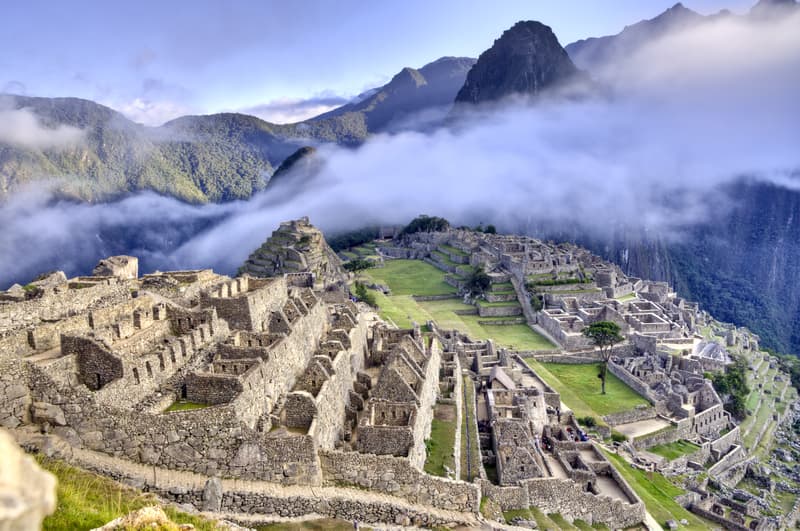
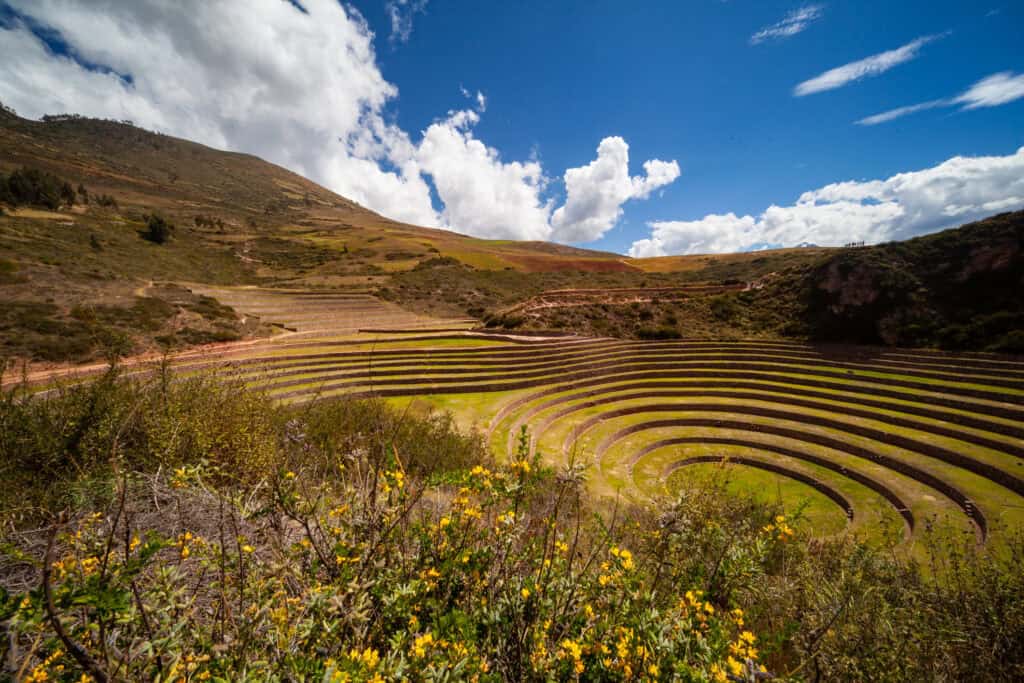
Intipata consists of dozens of long, narrow terraces stacked one above another down the hillside. From a distance, looking back from the trail, the effect is almost theatrical. The terraces curve gently with the contour of the slope, and the retaining walls drop away steeply below each platform.
Walking along the terraces themselves gives you a perspective on Machu Picchu that most photographs never capture. You are below and to the west of the main citadel, looking back up toward it through cloud forest. On misty mornings, the site appears and disappears behind moving cloud, and the silence here is noticeably different from the main visitor area.
There are no rope barriers or interpretive panels at Intipata. This is both a freedom and a responsibility. The stonework is original and thousands of years old. Staying on marked paths matters.
History and Background
Machu Picchu was built during the height of the Inca Empire, generally dated to the mid-15th century under the reign of Pachacuti. The agricultural terraces throughout the site, including those at Intipata, were integral to the estate's self-sufficiency. The Incas were extraordinary hydraulic engineers, and the drainage systems embedded in these terraces have kept them largely intact for more than 500 years.
The site was designated a UNESCO World Heritage property in 1983, and the broader Machu Picchu Historic Sanctuary, which covers roughly 32,592 hectares, was recognized for both its cultural and natural significance. Intipata falls within that protected boundary.
Spanish colonial records largely ignored Machu Picchu, and the site remained unknown to the outside world until Hiram Bingham III arrived in 1911, guided by local farmers who had never stopped knowing it was there. Intipata, like much of the outer agricultural zone, received serious archaeological attention later than the main ceremonial structures.
Best Time to Visit
The dry season, running roughly May through October, gives you the best chance of clear skies and solid footing on the stone steps. That said, Machu Picchu sits in a cloud forest and can be foggy or drizzly at any time of year. The wet season, November through April, brings heavy rain and significantly muddier trails, but also dramatically fewer visitors and a lush green quality to the terraces that is genuinely beautiful if you are prepared for it.
Within the day, early morning is the obvious choice. The site opens before sunrise, and if you position yourself at Intipata in the first hour of daylight, you will often have the terraces nearly to yourself. By mid-morning, the main trails fill up and the heat becomes noticeable at altitude.
Photography Tips
The western orientation of Intipata makes it unusual among Machu Picchu's terrace complexes. Late afternoon light, if you can arrange a late entry slot, hits the stonework at a low angle and creates strong shadows that define the texture of the retaining walls beautifully. Morning light is softer and works well for wide shots of the full terrace cascade.
For context shots that show the scale of the terraces against the surrounding valley, try to find a position on the trail slightly above Intipata and shoot down and across. The Urubamba River appears far below in many of these frames, which gives a real sense of the altitude and exposure of the site.
Cloud cover is almost inevitable at some point in your visit. Work with it rather than against it. Mist rolling across the terraces is one of the more photogenic things Machu Picchu does.
Combining with Nearby Attractions
Intipata connects naturally with the Inti Punku trail, which leads to the Sun Gate roughly 45 minutes to an hour beyond the main citadel. Many visitors combine both in a single morning walk, reaching Inti Punku first for the classic elevated view of Machu Picchu and then exploring Intipata on the return descent.
The Inca Bridge trail branches off from a different part of the site and offers another quiet alternative to the main visitor circuit. Taken together, the outer trails at Machu Picchu, including Intipata, Inti Punku, and the Inca Bridge, form a loose loop that can fill a full day without ever feeling rushed.
If you are based in Aguas Calientes, the town at the base of the mountain, you can take the bus up to the park entrance and be at Intipata within 30 to 40 minutes of arrival.
Practical Tips
- Book your timed-entry Machu Picchu ticket well in advance, especially for May through September when slots sell out weeks or months ahead
- Bring water and snacks. There are no vendors at Intipata or on the outer trails
- Trekking poles are allowed on the outer trails and genuinely help on the steep stone steps
- Sun protection is essential even on overcast days at this altitude
- Altitude affects people differently. Spend a day or two in Cusco or the Sacred Valley before visiting if you are arriving from sea level
- Check current park regulations before your visit. Trail access and circuit routes at Machu Picchu are adjusted periodically by the Peruvian Ministry of Culture
- There are no toilet facilities on the outer trails. Use the facilities near the main entrance before heading out
FAQ
Do I need a separate ticket for Intipata?
No. Intipata is accessed within the Machu Picchu Archaeological Park and is included in the standard timed-entry admission ticket. You do not need to book it separately.
Is Intipata suitable for children or older visitors?
The terrain is steep and the stone steps are uneven, so it requires reasonable mobility and a comfort with heights. It is not suitable for young children without very close supervision, and anyone with significant knee or mobility issues should assess the descent carefully.
Can I visit Intipata without doing the full Inti Punku hike?
Yes. You can reach Intipata from inside the main Machu Picchu site without continuing all the way to the Sun Gate. The two routes overlap in part, so you can turn back at the terraces if the longer hike is not on your agenda.
What wildlife might I see at Intipata?
The outer trails and terrace areas are good spots for birdwatching. Andean species including hummingbirds and tanagers are commonly seen in the cloud forest vegetation bordering the terraces. Spectacled bears are present in the wider sanctuary, though sightings are rare.
Reviews
Sign in and mark this place visited to leave a review.
No reviews yet.
Free Trip Planner
Plan your Machu Picchu trip with our free planner
Build a day-by-day itinerary with AI suggestions, hand-picked places, and friends. Free forever — no credit card.
Related reading

Things to see near The Ruins of Intipata

Places to eat or drink near The Ruins of Intipata

Tampu Restaurant at Sanctuary Lodge

Tinkuy Restaurant

Peru Cafe Machupicchu


