
Tofuku-ji Temple
15-778 Hommachi, Higashiyama-Ku, Kyoto 605-0981 Kyoto Prefecture Posted by Brandon B.Admin
One of Kyoto's Most Rewarding Temple Complexes
Tofuku-ji Temple sits in the southern reaches of Higashiyama, about 15 minutes by train from central Kyoto, and it remains one of the most substantive Zen temple compounds in the entire city. Where many Kyoto temples offer a single garden or a single hall, Tofuku-ji gives you a full morning or afternoon of serious exploration. The main gate alone stops people in their tracks.
Founded in 1236, the complex belongs to the Rinzai school of Zen Buddhism and was deliberately conceived on a grand scale, modeled after two of the great Tang dynasty temples in China. That ambition is still visible today in the sheer size of the grounds and the weight of the architecture.
Why Tofuku-ji Temple Matters
The Sanmon gate, dating to 1425, is the oldest surviving Zen gate in Japan. That fact tends to land differently once you are standing underneath it. The timber is dark with age, the proportions are enormous, and there is no interpretive panel softening the experience. You are simply looking at something built six centuries ago that has not moved.
Beyond the gate, the complex contains four gardens designed by the landscape architect Mirei Shigemori in 1939. They are among the most discussed examples of modern Japanese garden design, because Shigemori deliberately broke from classical convention. The north garden in particular, with its checkerboard moss and stone pattern, looks like nothing else in Kyoto.
Quick Facts
- Address: 15-778 Hommachi, Higashiyama-ku, Kyoto
- Founded: 1236
- School: Rinzai Zen Buddhism
- Main gate (Sanmon) built: 1425
- Hojo gardens designed by Mirei Shigemori: 1939
- Nearest station: Tofukuji Station (JR Nara Line or Keihan Line), about 10 minutes on foot
- The Hojo gardens require a separate admission ticket from general entry to the grounds
- The Tsutenkyo bridge is one of Kyoto's most photographed spots in autumn
Getting There
The most straightforward approach is the JR Nara Line from Kyoto Station. Tofukuji Station is just two stops south, a ride of roughly four minutes, and then a ten-minute walk east toward the hills. The Keihan Main Line also stops at Tofukuji Station if you are coming from Fushimi Inari or Gion.
If you are coming from central Higashiyama, the temple is walkable from Fushimi Inari Taisha in about 30 minutes on foot, passing through a quiet residential stretch. The walk from Sanjusangendo takes around 20 minutes. Cycling is another practical option, since the roads around the temple are relatively calm outside of peak autumn weekends.
The Layout and Experience
The grounds cover a large area, and the spatial sequence matters. You enter through the outer gate, pass through a forested approach, and eventually reach the Sanmon. Behind the gate sits the Butsuden (Buddha Hall), rebuilt after fire in 1881, and beyond that the Hatto (Dharma Hall). The central axis has the formal weight you would expect from a major Zen institution.
The Tsutenkyo bridge connects the main compound to the Kaisando founder's hall across a wooded ravine. In autumn, when the maple canopy below turns orange and red, this bridge becomes one of the most visited viewpoints in Kyoto. In early November, the wait to cross it on weekends can stretch to an hour or more.
The Hojo, the abbot's quarters, houses Shigemori's four gardens on each cardinal side of the building. The south garden uses raked white gravel and stone groupings in a classical style, but the east and north gardens are where Shigemori pushed into genuinely new territory. The moss-and-stone checkerboard of the north garden has been reproduced in photographs so often that seeing it in person still surprises you.
History and Background
The temple was commissioned by the regent Kujo Michiie and the monk Enni, who gave the compound its name by combining characters from two famous Tang-era temples: Todai-ji and Kofuku-ji. The intention was to create a temple of equivalent prestige in Kyoto. At its height, Tofuku-ji oversaw a network of more than 50 sub-temples, and traces of that scale are still visible in the sub-temples scattered around the perimeter of the main grounds.
Fire was a recurring catastrophe. The main buildings burned multiple times over the centuries, which is why the Sanmon of 1425 carries such significance: it survived. The current Butsuden dates to the Meiji period, and the Hatto was rebuilt in 1934.
Mirei Shigemori's decision to design the Hojo gardens in 1939 using modernist geometry was considered radical at the time. He argued that copying classical styles was intellectually dishonest, and the gardens he created are now considered landmarks of 20th-century landscape design. They are also, practically speaking, some of the most enjoyable gardens in Kyoto to spend time in, because the geometry rewards looking from different angles.
Tickets and Entry
Walking through the outer grounds and crossing the Tsutenkyo bridge is free for most of the year. However, during the peak autumn foliage season, typically from mid-November through early December, a fee is charged to access the bridge area. The Hojo gardens require a separate paid admission ticket year-round. Both tickets are mid-range by Kyoto temple standards.
There are also several sub-temples within the complex that charge their own individual entry fees, including Ryogin-an and Funda-in, each with notable gardens. You can spend a full day exploring and still feel like you have not exhausted the place.
Best Time to Visit
Autumn is famous here for a reason. The ravine below the Tsutenkyo bridge fills with Japanese maples, and when they turn in November, the color is genuinely spectacular. But the crowds are proportional to the reputation. If you want the bridge experience without the queue, arriving right when the gates open on a weekday is your best option.
Spring brings a quieter beauty. Moss deepens to a rich green, and the grounds feel less compressed with people. Summer mornings, before the heat sets in, are also worth considering if you want to see the Shigemori gardens without rushing.
Winter is perhaps the most underrated season. The bare maples over the ravine have their own stark quality, and on mornings when light frost sits on the moss gardens, the compound feels genuinely meditative. Crowds are minimal.
Photography Tips
The Tsutenkyo bridge shot from the ravine path below is the iconic image, and it works because you get both the architecture and the foliage in a single frame. That viewpoint is accessible from the path on the east side of the ravine. Early morning light comes in from the east and illuminates the bridge face directly.
For the Shigemori gardens, a wide-angle lens helps capture the geometry of the north garden's checkerboard pattern. The gardens are photographed from a viewing corridor, so you cannot enter them, but the elevated angle actually works well for showing the pattern. Overcast days tend to give more even light on the moss.
Combining with Nearby Attractions
Fushimi Inari Taisha, the famous shrine with thousands of torii gates, is about 20 minutes south on foot or two stops by train. Most visitors do the two in the same half-day, though the combination is demanding. Fushimi Inari takes energy, so think about which you want to do first.
Sanjusangendo, the hall containing 1,001 gilded Kannon statues, is a 20-minute walk northwest and makes a logical pairing if you are interested in a contrast between Zen austerity and more decorative Buddhist expression. Tofuku-ji and Sanjusangendo together make a full and varied morning.
Practical Tips
- Arrive as close to opening time as possible during November. The autumn crowds at Tofuku-ji are among the densest in Kyoto.
- Wear slip-on shoes or be prepared to remove your shoes at the Hojo entrance. This is standard but the corridor floors can be cold in winter.
- The sub-temples have their own hours and are sometimes closed without notice. Check before planning your visit around a specific one.
- The wooded ravine path is unpaved and can be slippery after rain. Sensible footwear applies year-round.
- A Tofuku-ji visit pairs well with a Keihan Line day pass if you are also planning to visit spots along the river corridor.
- Food stalls and cafes are sparse immediately around the temple. Bring water and a snack if you plan to stay more than two hours.
FAQ
Is Tofuku-ji worth visiting outside of autumn?
Absolutely. The Shigemori gardens are compelling in any season, and the Sanmon gate and overall scale of the complex make it worthwhile whenever you visit Kyoto. Spring and winter offer the grounds with a fraction of the autumn crowds.
How long should I plan to spend here?
A focused visit covering the main gate, the Tsutenkyo bridge, and the Hojo gardens takes around 90 minutes. If you want to explore the sub-temples and walk the full perimeter, plan for a half-day.
Can I visit Tofuku-ji and Fushimi Inari on the same day?
Yes, and many people do. The two are close by train or on foot. Tofuku-ji in the morning followed by Fushimi Inari tends to work better, since the Inari trails can extend longer than expected if you walk toward the summit.
Is the temple accessible for visitors with mobility limitations?
Parts of the complex, including some garden viewing corridors, involve steps and uneven surfaces. The outer grounds are generally walkable, but the full experience of the Hojo gardens involves some navigating of traditional wooden structures. It is worth checking with the temple directly for current accessibility information.
Reviews
Sign in and mark this place visited to leave a review.
No reviews yet.
Free Trip Planner
Plan your Japan trip with our free planner
Build a day-by-day itinerary with AI suggestions, hand-picked places, and friends. Free forever — no credit card.
Related reading

Things to see near Tofuku-ji Temple

teamLab Nagai Botanical Garden Osaka

Horyu-ji

Yakushi-ji Temple

Dōtonbori
Places to eat or drink near Tofuku-ji Temple

The Münch

Rai Rai Tei Ikuno Tatsumi

KITAN HIBIKI YAKINIKU&STEAK
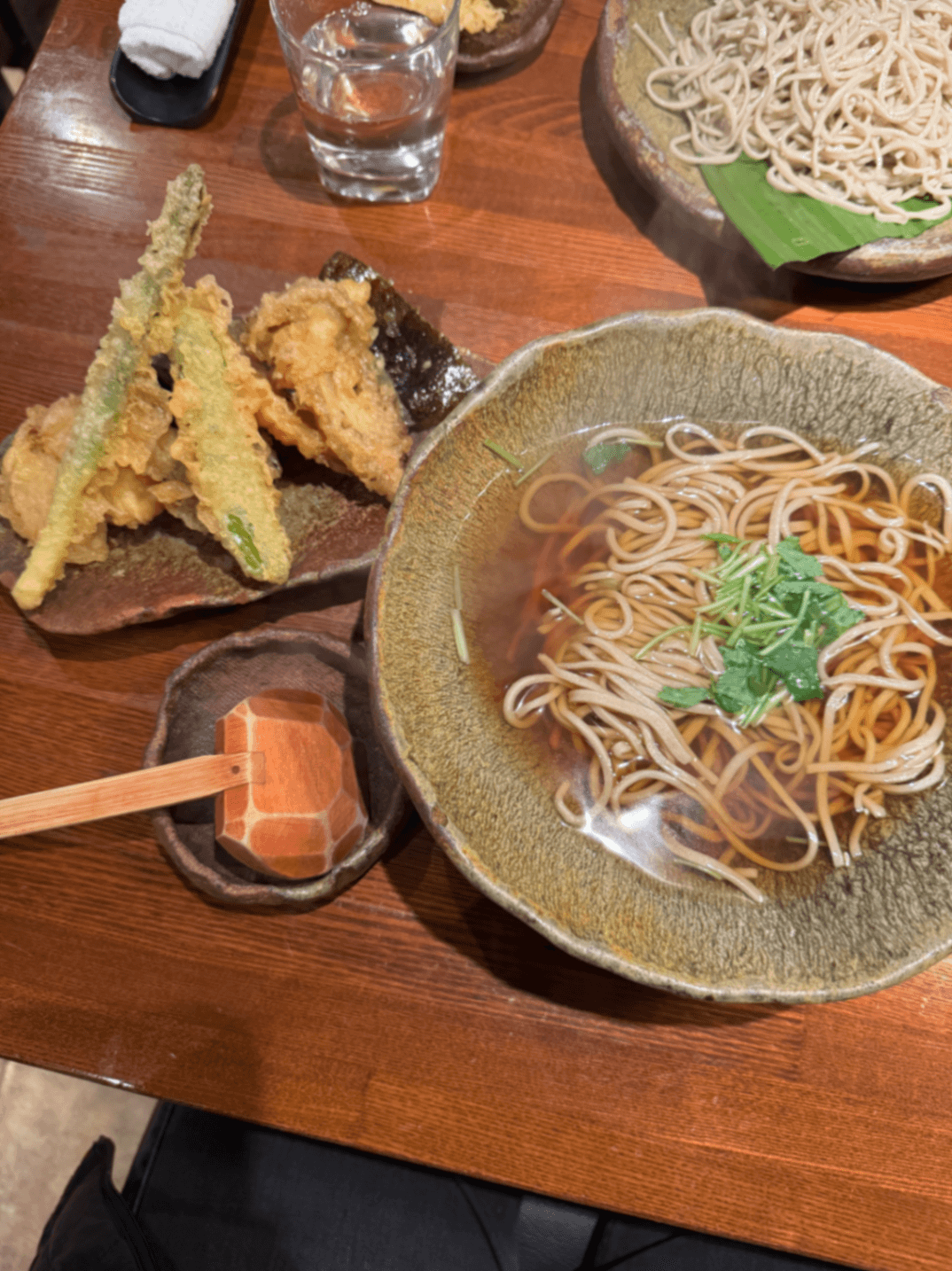
Akari Soba
More places in Kyoto

Rai Rai Tei Uzumasa

Menya Inoichi Hanare

Kiyomizu-dera Temple
