
 Posted by Brandon B.Admin
Toji: Kyoto's Ancient Temple and the Tallest Pagoda in Japan
Toji has stood at the southern edge of Kyoto since the city was founded in 794. It was one of only two temples permitted inside the original capital of Heiankyo, which tells you something about how seriously the imperial court took this place. Today it sits just a short walk from Kyoto Station, making it one of the most accessible major temples in the city, yet it never feels like a tourist conveyor belt. The five-story pagoda rising above the surrounding streets is visible from the Shinkansen as you pull into Kyoto, and for many visitors that first glimpse sets the tone for the whole trip.
Why Toji Matters
The temple was granted to the monk Kukai, also known as Kobo Daishi, in 823 by Emperor Saga. Kukai used it as the headquarters of Shingon Buddhism in Japan, a role it has never really relinquished. The esoteric Buddhist art he assembled here, particularly the three-dimensional mandala of statues inside the Kodo lecture hall, is considered among the most important religious sculpture collections in the country. Twenty-one statues, most dating to the 9th century, are arranged in a precise cosmological pattern that Kukai designed personally.
That collection alone would justify a visit. But Toji is also a living temple, not a museum piece, and the combination of daily religious activity, monthly flea markets, and genuine architectural grandeur makes it function differently from most sites on the Kyoto circuit.
Quick Facts
- Address: 1 Kujomachi, Minami-ku, Kyoto
- Distance from Kyoto Station: about 15 minutes on foot, or 5 minutes by bus
- The five-story pagoda reaches 55 meters, making it the tallest wooden pagoda in Japan
- Toji was registered as a UNESCO World Heritage Site in 1994
- The temple grounds are open daily, with the inner buildings on a separate paid entry
- A large flea market called Kobo-san takes place on the 21st of every month
- Spring and autumn bring special evening illuminations when the pagoda is lit after dark
Getting There
From Kyoto Station's Hachijo exit, the walk takes roughly 15 minutes along a straightforward route heading southwest. If you prefer a bus, several routes stop near the Toji-Higashimon-mae stop. The Kintetsu Toji Station on the Kintetsu Kyoto Line is the closest rail option outside of JR, and the walk from there to the main gate is under five minutes. Cycling is also practical since the area around the temple is relatively flat and bike parking is available near the entrance.
The main entrance faces east, toward Toji-michi, and that is typically where you will want to approach from if you are walking from Kyoto Station.
The Layout and Experience
The grounds cover a substantial area, and the buildings are spread out enough that you rarely feel crowded even on busy days. The outer grounds, where the pagoda stands, are free to enter and offer close-up views of the tower and the pond that reflects it. Many people stop here and go no further, which is a mistake.
The paid inner precinct contains three key structures: the Kondo (main hall), the Kodo (lecture hall), and the Miedo (founder's hall dedicated to Kukai). The Kondo holds a large Yakushi Nyorai statue, the Buddha of healing, flanked by two bodhisattvas and surrounded by twelve divine generals. It is a dense, layered composition that takes a few minutes to absorb properly. The Kodo is where the mandala arrangement of statues lives, and most visitors find it the most arresting space on the property. The light inside is low and the figures are large, some over two meters tall, and the overall effect is closer to ceremony than exhibition.
The Miedo is the most visited building on the 21st of each month, when pilgrims come to honor Kukai on the anniversary of his death. On those days the temple has a noticeably different atmosphere.
The Pagoda Up Close
The current pagoda dates to 1644, rebuilt under the patronage of Tokugawa Iemitsu. It has been destroyed and reconstructed multiple times over the centuries, which is not unusual for wooden structures in Japan, but the 1644 version has now stood for nearly four centuries. At 55 meters it clears everything in the surrounding neighborhood by a wide margin, and from certain angles in the early morning you can photograph it against the Higashiyama mountains to the east.
The pagoda's interior is not generally open to the public, but during special seasonal openings in spring and autumn the ground floor is accessible. Check current schedules before visiting if this is a priority for you.
The Kobo-san Flea Market
On the 21st of every month, Toji hosts one of Kyoto's largest and most beloved flea markets. Vendors spread across the entire temple grounds selling antiques, ceramics, second-hand kimono, plants, street food, and all manner of things that defy easy categorization. It draws serious collectors and casual browsers in equal numbers. Arriving early, before 9am, gives you the best selection and the best light for wandering. The market runs through the afternoon and the atmosphere shifts as the day goes on, from businesslike in the morning to more festive by midday.
January 21st is the biggest market of the year, drawing particularly large crowds to mark the anniversary of Kukai's passing. If you are in Kyoto around that date, it is worth planning your schedule around it.
Best Time to Visit
Cherry blossom season in late March to early April brings Toji to peak visual drama. There is a large weeping cherry tree in the inner garden that has become one of Kyoto's most photographed subjects when in bloom. Illumination events during this period allow evening visits where the pagoda and the blossoms are lit against a dark sky. Autumn foliage creates similar conditions, typically in November.
Outside of those peak windows, the temple tends to be quieter and the experience more contemplative. Weekday mornings, especially in the cooler months from October through February, are when you are most likely to have the inner halls nearly to yourself. Summer mornings can work too, though the heat builds quickly after 10am.
Photography Tips
The pond in the western part of the outer grounds gives you a reflection shot of the pagoda that works best in calm morning air before the wind picks up. The eastern approach along Toji-michi offers a long compressed view of the pagoda framed by the gate, better in the afternoon when the light falls from the west. During cherry blossom illumination events, the combination of the weeping cherry and the pagoda lit from below produces images that are hard to replicate anywhere else in the city. A wide lens handles the full height of the pagoda at close range, but stepping back to the outer edges of the grounds lets you use something more standard.
Tickets and Entry
The outer grounds are free and always accessible during daylight hours. Entry to the inner precinct, including the Kondo, Kodo, and the treasure museum, requires a general admission ticket. Pricing tiers tend to be budget-friendly by Kyoto standards. Special seasonal openings, including the pagoda interior access and evening illuminations, are ticketed separately and often sell out quickly during cherry blossom and autumn foliage periods. Booking in advance or arriving early on those occasions is strongly advisable.
Combining with Nearby Attractions
Toji sits close enough to Kyoto Station that it pairs naturally with an arrival or departure day rather than requiring a dedicated half-day from elsewhere in the city. That said, the Nishioji shopping street and the Toji neighborhood itself have enough small restaurants and coffee shops to make a longer morning out of it. Fushimi Inari is about 15 minutes by train from Toji Station, making the two a workable same-day combination if you start early. Heading north into the city, the Nijo Castle area is roughly 30 minutes by bus.
Practical Tips
- Wear shoes you can slip on and off easily since you remove footwear before entering the main halls
- The temple grounds can be muddy after rain, so avoid white sneakers on wet days
- If you are visiting on the 21st, arrive before 9am for the flea market to beat the crowds
- The Kodo's statue arrangement is best appreciated if you take a few minutes to read the layout information available at the entrance before going in
- A small treasury building on the grounds houses rotating exhibitions of temple artifacts and is included in the general admission ticket
- Evening illumination events have specific opening dates each year; check the official Toji temple website for current schedules
- Photography inside the main halls is generally restricted; observe posted signs
FAQ
How long does a visit to Toji take?
Most visitors spend between 60 and 90 minutes covering the outer grounds and inner precinct. On market days, it is easy to spend three hours or more if you browse the stalls.
Is Toji suitable for children?
The open grounds work well for families and the scale of the pagoda tends to impress younger visitors. The interior halls are quiet and somewhat formal, so very young children may find the pace slow, but there is enough open space outside to keep things manageable.
Is Toji accessible for visitors with mobility considerations?
The outer grounds are largely flat and navigable. Some of the older hall interiors involve steps and uneven surfaces, and the traditional requirement to remove shoes can complicate entry for some visitors. It is worth contacting the temple in advance if you have specific accessibility needs.
Can you visit Toji without paying admission?
Yes. The outer grounds, including close-up views of the pagoda and the outer garden, are free to enter. You only pay to enter the inner precinct buildings and the treasury.
Opening hours
Reviews
Sign in and mark this place visited to leave a review.
No reviews yet.
Free Trip Planner
Plan your Japan trip with our free planner
Build a day-by-day itinerary with AI suggestions, hand-picked places, and friends. Free forever — no credit card.
Related reading

Things to see near Toji

teamLab Nagai Botanical Garden Osaka

Horyu-ji

Yakushi-ji Temple

Dōtonbori
Places to eat or drink near Toji

The Münch

Rai Rai Tei Ikuno Tatsumi

KITAN HIBIKI YAKINIKU&STEAK
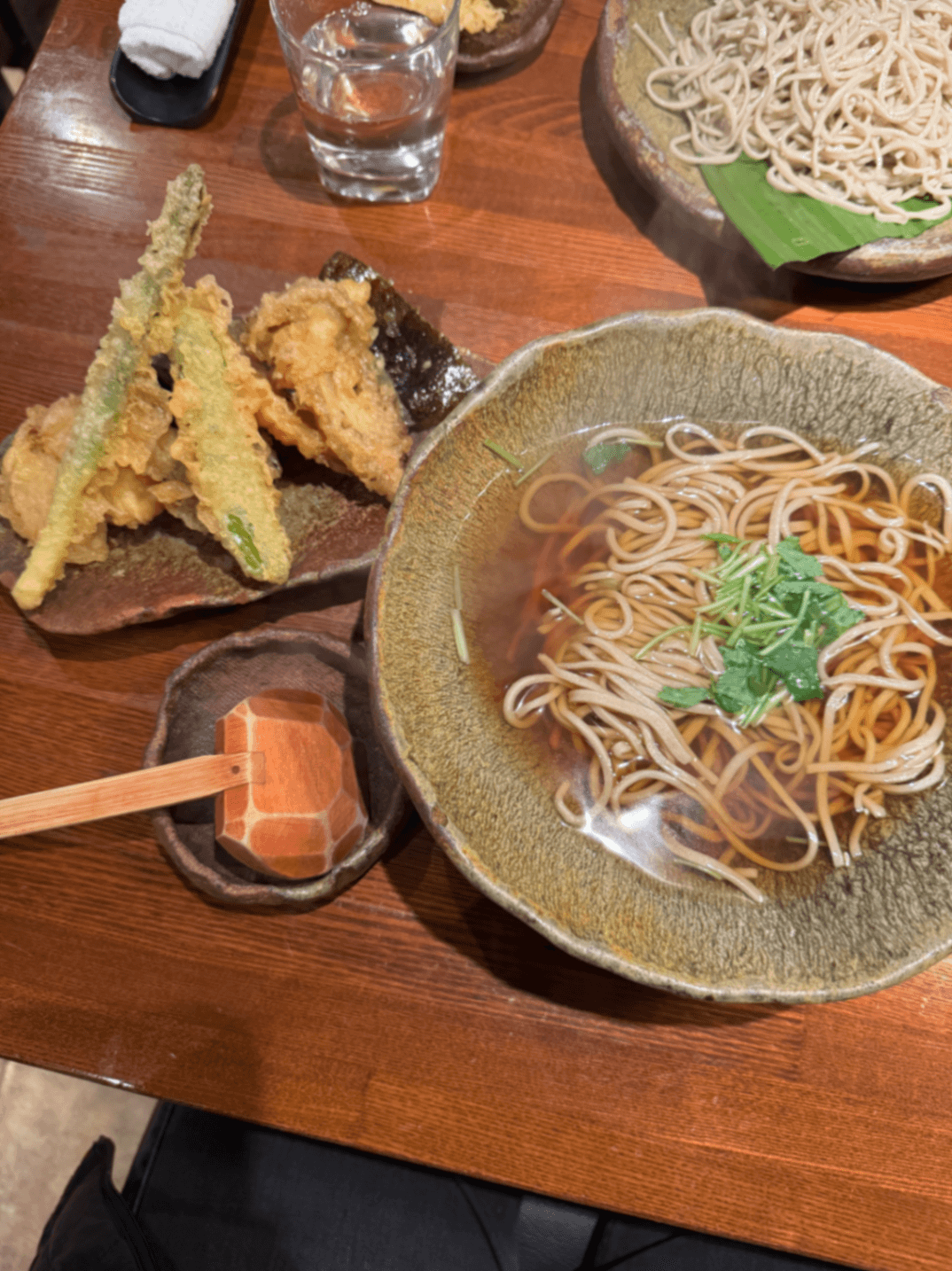
Akari Soba
More places in Kyoto

Rai Rai Tei Uzumasa

Menya Inoichi Hanare

Kiyomizu-dera Temple
