
Town Square – Ljubljana
Town Square, Mestni trg, 1000 Ljubljana, Slovenia Posted by Brandon B.Admin
Overview
Town Square in Ljubljana, formally known as Mestni trg, is the civic heart of Slovenia's capital. Located in the Old Town district, this compact plaza has served as the city's main gathering space for centuries. The square anchors Ljubljana's pedestrian core, surrounded by Renaissance and Baroque architecture that reflects the city's layered history under Austro-Hungarian and Italian rule.
Unlike grand European squares designed for spectacle, Mestni trg feels intimate and lived-in. Locals cross it daily on foot. Café tables spill into the open space. The architecture frames rather than dominates. If you're spending time in Ljubljana's center, you'll pass through here multiple times without planning to.
Why this place matters
This square has been Ljubljana's administrative and social nexus since the Middle Ages. The Town Hall, which anchors the northern edge, was built in 1718 and still functions as the seat of the Ljubljana City Municipality. Around the same period, the square took much of its current form. The buildings facing it tell the story of who controlled the city at different moments: Habsburg merchants, Italian occupiers, Yugoslav planners, and finally independent Slovenian citizens.
Walking through Town Square in Ljubljana, you're moving through space that has hosted markets, executions, celebrations, and protests. It's not a museum piece. It's the place where the city actually happens.
Quick facts
- Slovenian name: Mestni trg (literally "Town Square")
- Central to Ljubljana's Old Town district
- Town Hall built in 1718
- Fully pedestrianized, no vehicle traffic
- Free to access at all times
- Walking distance from Ljubljana Central Station (about 10 minutes southeast)
Getting there
The square sits in Ljubljana's Old Town, accessible on foot from nearly anywhere in the city center. If you're arriving by train at Ljubljana Central Station, walk north through the city center for about 10 minutes. The route takes you through pedestrian streets and past the National Museum. From Ljubljana Airport, take a taxi, bus, or rental car into the city, then navigate to the Old Town on foot.
There's no parking on the square itself. If you're driving, use one of the underground or nearby paid parking facilities and walk in. The entire Old Town is best explored on foot anyway.
The layout and experience
Mestni trg is a modest plaza, maybe 100 meters across at its widest. The Town Hall occupies the northern side with its distinctive Baroque façade and clock tower. On the east stands the Prešeren Monument, dedicated to Slovenia's most celebrated poet, installed in 1905. Smaller buildings frame the remaining edges. Ground floors are mostly cafés, restaurants, and small shops.
The square functions as a meeting point and passage. You'll see groups gathered by the Prešeren Monument. Café-goers claim tables. School groups photograph the Town Hall. In summer, the plaza fills with people eating lunch outside. In winter, it quiets down but never empties completely.
The paving is stone. Benches are scattered but limited, so the square isn't designed for long sitting. It's a space for moving through, lingering briefly, or using as a reference point to orient yourself in the Old Town.
Main highlights
The Town Hall itself is the square's architectural anchor. Its green shutters and ornate Baroque details are unmistakable. The clock tower above the main entrance is visible from much of the Old Town. Inside, the courtyard is occasionally open to the public depending on municipal events, but the building functions primarily as working government offices rather than a tourist attraction.
The Prešeren Monument draws photographers and visitors. The bronze statue sits amid a circle of Baroque-style decorative elements. Prešeren is central to Slovenian cultural identity, and the monument reflects how Ljubljana claims this legacy as its own.
The surrounding buildings, while not individually famous, show architectural coherence. You see Renaissance elements in some windows, Baroque in the rooflines, and 19th-century modifications in storefronts. This layering is typical of Central European city centers that weren't heavily bombed in World War II and have maintained their street patterns for 300 years.
History and background
Ljubljana has occupied this location since Roman times, when it was called Emona. The medieval town grew on higher ground, and this square became its natural center as the settlement expanded. By the 15th century, it was already the main marketplace and civic gathering space.
The Town Hall was built during the 18th century under Habsburg rule. The current Baroque building replaced an older Renaissance structure. This was Ljubljana's most prosperous period under imperial administration. The surrounding buildings were reconstructed and renovated repeatedly as the city's fortunes changed.
During the Austro-Hungarian period, Ljubljana was a provincial capital. After World War I, it became part of Yugoslavia. Under Yugoslav rule, the square remained the civic center but took on socialist-era functionality alongside its older role. Since Slovenian independence in 1991, the square has been restored and pedestrianized, becoming part of the broader effort to make Ljubljana's center walkable and livable.
Best time to visit
There's no bad time to visit Town Square in Ljubljana, since it's free and accessible 24 hours. The experience changes with the season and time of day.
Spring and early autumn bring mild weather and the most outdoor café activity. Locals are out walking, and the square feels genuinely lived-in. Summer is busy with tourists, especially midday. Mornings and early evenings are quieter. Winter is colder but atmospheric, especially if snow falls. The square is smallest and most intimate when it's empty or nearly empty, which tends to happen on weekday mornings or late evenings.
If you want to photograph the square with minimal crowds, come on a weekday morning between 8 and 10 AM, or after 6 PM any day. If you want to experience it as locals do, sit at a café and watch people move through.
Photography tips
The square's compact size means you can't step back far for wide shots. The Town Hall's north façade is the best-composed view. Shoot it from the center of the square in afternoon light, when the Baroque details cast shadows.
The Prešeren Monument photographs well from multiple angles. Early morning light from the east side of the square is soft and clear. Avoid shooting directly into the sun in early evening, as reflections off glass storefronts create distracting glare.
The architectural details reward close-up work. Window frames, decorative stonework, and roof ornaments show the building craft of different centuries. Shoot these in overcast light to avoid harsh shadows.
Facilities and preparation
The square itself has minimal facilities. There are public restrooms in nearby buildings, including cafés on the square where you can purchase something and use their facilities. No visitor center operates on the square itself, but tourist information is available at the Ljubljana Tourist Information Centre, located nearby on Prešeren Street.
Bring cash and a card, as most cafés and restaurants accept both. Comfortable walking shoes are essential, as the entire Old Town is explored on foot. The square itself is flat and paved, so accessibility is good for wheelchair users, though narrow café seating areas may be tight.
Combining with nearby attractions
Town Square sits within easy walking distance of Ljubljana's main attractions. The Ljubljana Cathedral is 3 minutes west. The National Museum is 5 minutes south. The Central Market and riverfront are 5 minutes southwest. The Ljubljana Town Museum, which covers the city's history from Roman times onward, is less than 10 minutes away on Gosposka Street.
The entire Old Town is a walkable unit. You can spend an afternoon moving between the square and these nearby sites without feeling rushed. The pedestrian streets connecting them are designed for wandering and discovering small shops, galleries, and lesser-known courtyards.
Sample visit plan
Arrive at Town Square mid-morning. Spend 20 minutes walking the perimeter, photographing the Town Hall and Prešeren Monument from different angles. Sit at one of the cafés for 30 minutes, observing how the space functions. Then use the square as your starting point to explore the Old Town. Walk west to Ljubljana Cathedral. Head south to the Central Market. Return to the square in late afternoon for a final look before dinner in one of the nearby restaurants.
If you're short on time, a 15-minute visit to the square itself is enough to see the main sights and understand its role in the city. If you have more time, use it as a base for exploring the surrounding Old Town rather than lingering only on the square.
Practical tips
- The square is busiest on weekends and midday. Come early or late for a quieter experience.
- Café prices are mid-range for Ljubljana, higher than side streets but reasonable for a city center location.
- The square is on the walking route between the train station and major attractions, so you'll likely pass through multiple times during a visit.
- Pick a café on the square rather than a side street if you want to people-watch and observe how the city moves.
- The Town Hall is not open for regular interior tours, but check with the Tourist Information Centre about occasional open-door events.
- Bring a light layer even in summer, as the narrow surrounding streets create shade and wind can be cool.
FAQ
Is Town Square in Ljubljana free to visit? Yes. The square is public space with free access at all hours. Cafés and restaurants charge for food and drinks.
Can you go inside the Town Hall? Not for regular tourism. The building functions as municipal offices. Occasionally it opens for special events or exhibitions, so ask at the Tourist Information Centre if something is happening during your visit.
How long should I spend on Town Square? 15 to 30 minutes is typical for seeing the main sights. If you sit at a café, add another 30 minutes. Use it as a reference point and base for exploring the surrounding Old Town rather than a destination in itself.
What's the best café on the square? Several operate around the perimeter. All offer similar pricing and quality. Choose based on where the sun is and which direction you're facing. Morning cafés on the east side are pleasant. Afternoon cafés on the west side catch the sun.
Is the square accessible for people with mobility issues? Yes. The paved surface is flat and even. Café seating areas are tight, but the square itself is navigable by wheelchair or mobility aid.
Reviews
Sign in and mark this place visited to leave a review.
No reviews yet.
Free Trip Planner
Plan your Ljubljana trip with our free planner
Build a day-by-day itinerary with AI suggestions, hand-picked places, and friends. Free forever — no credit card.
Things to see near Town Square – Ljubljana
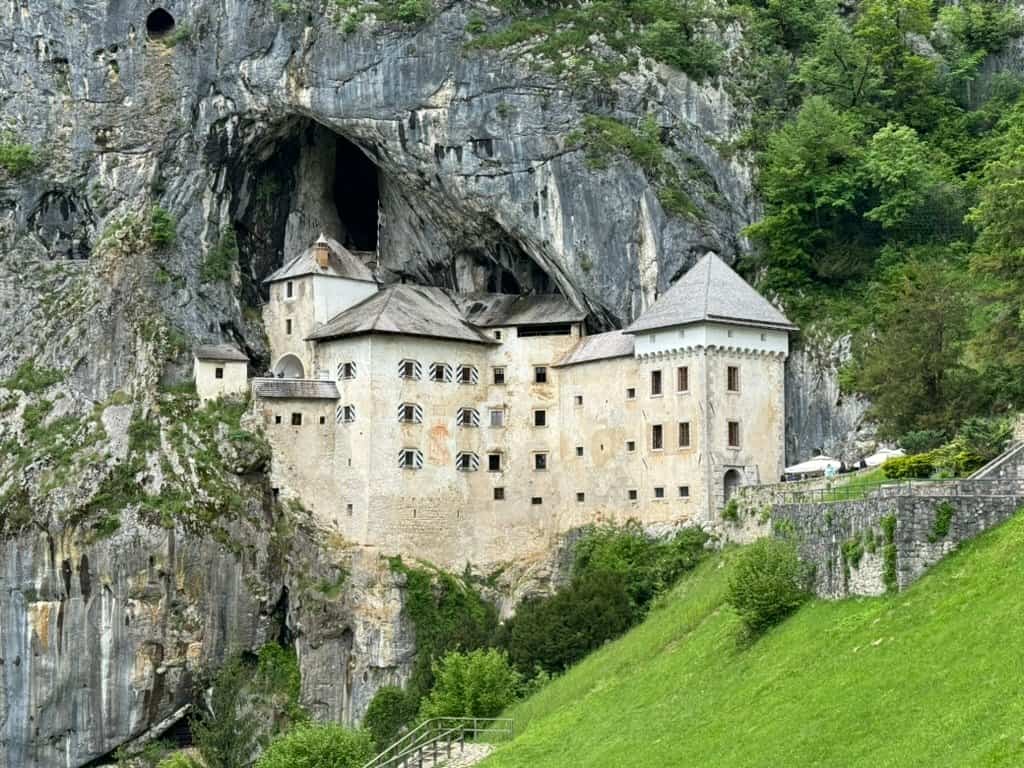
Predjama Castle

Plečnik House
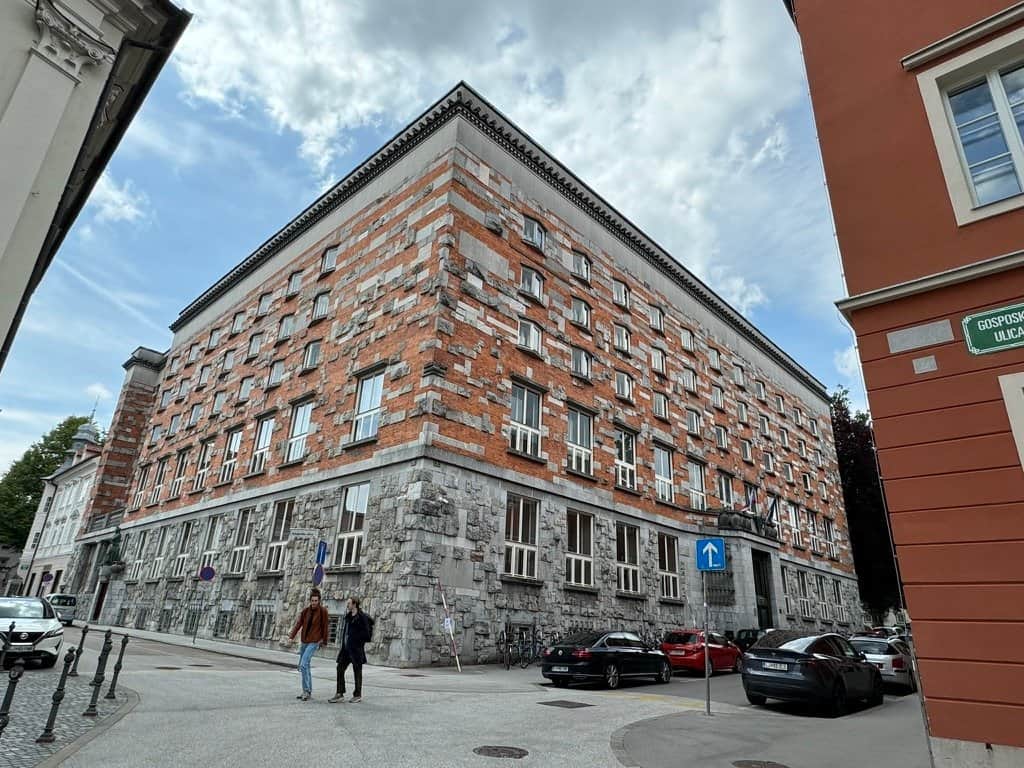
National and University Library
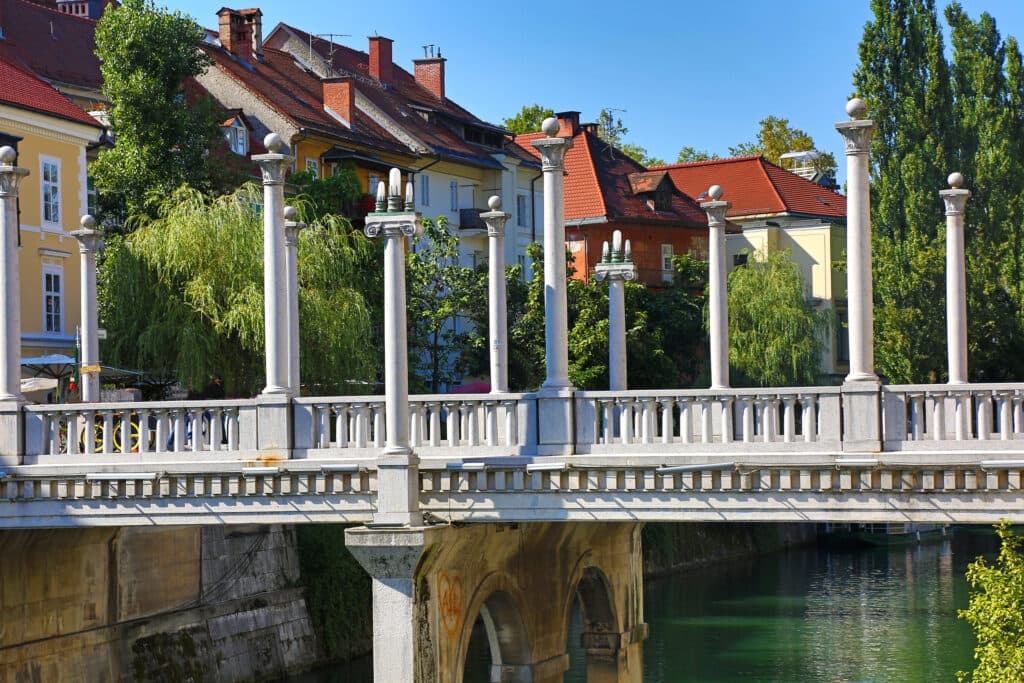
Cobblers' Bridge
Places to eat or drink near Town Square – Ljubljana


More places in Ljubljana

Tri Marije Coffee Trailer

Faces sculpture
Tivoli Park
