
Slovenia on the map
79 places from this guide. Tap a pin to open the listing.
Overview
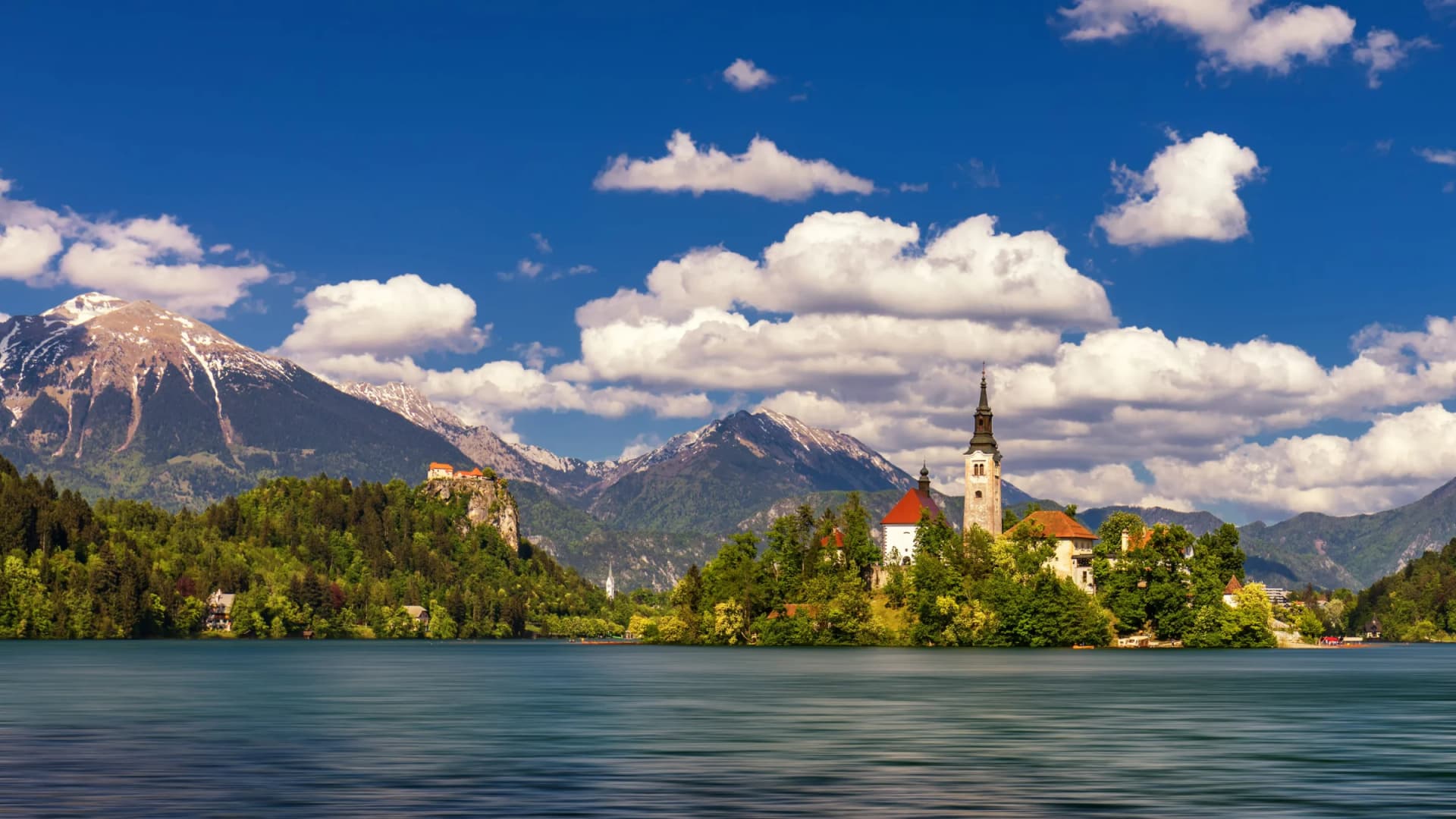
Slovenia packs an unreasonable amount of scenery into a country you can drive across in about three hours. In one day you can stand in an alpine valley, in another you're on the Adriatic, and by evening you could be eating dinner in a baroque old town built around a dragon-topped bridge. This Slovenia travel guide draws on close to 80 specific places we've covered here, from Ljubljana cafes to karst caves to a castle above a spa town, and tries to put them in context for someone planning a first or second trip.
The country sits at a crossroads: Austria to the north, Italy to the west, Hungary to the northeast, Croatia to the south. That position shows up in the food and architecture more than in any single monument. Ljubljana, the capital, is small enough to cross on foot in under half an hour, which makes it an easy base for day trips to Lake Bled, the Soča Valley, or the Karst region around Škocjan.
When to Visit
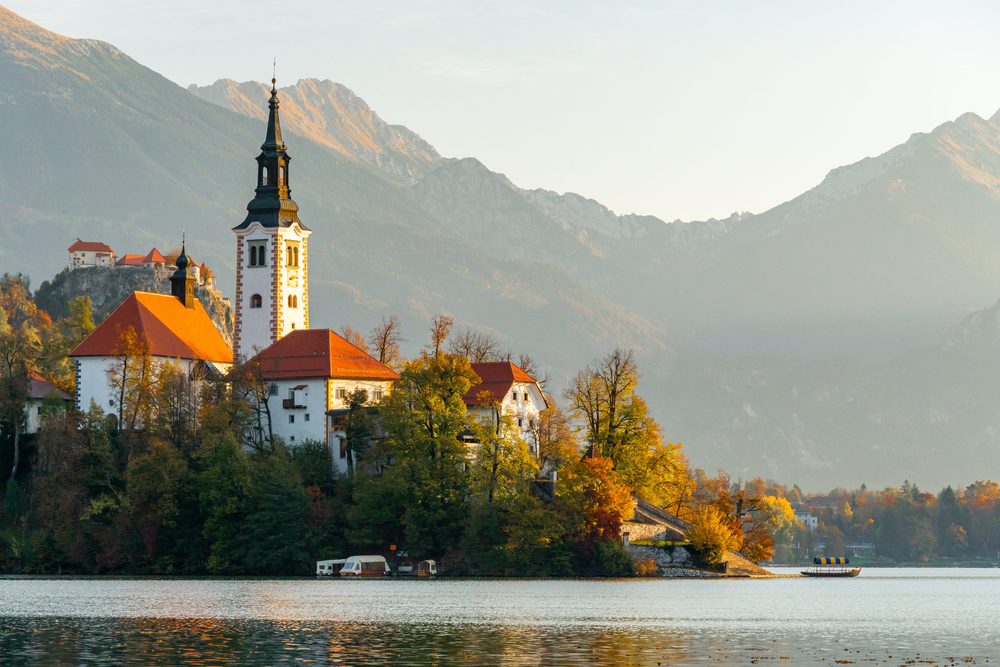
Late May through June and again in September tend to be the sweet spot. Days are long, hiking trails in the Julian Alps are mostly clear of snow, and Lake Bled hasn't yet filled up with the tour buses that arrive by July. July and August are high season everywhere, especially on the coast around Piran and at Bled, where the Pletna Boat Cruise to the Island Bled can mean a wait at busy midday slots.
Winter runs roughly December through March and turns Slovenia into a different country. Velika Planina, the mountain pasture plateau above Kamnik dotted with shingle-roofed herders' huts, gets genuinely snowed in and is reachable by cable car and chairlift rather than on foot. Ljubljana in December leans into its Christmas market lights along the Ljubljanica, which is worth seeing even if you're not a market person. Shoulder months like April and October are quieter but weather is less predictable, particularly in the mountains, where conditions can shift within hours.
How to reach the destination
Ljubljana Jože Pučnik Airport, about 25 km north of the capital, handles most direct international flights, though the route network is thinner than you'd get flying into a bigger European hub. Plenty of travelers instead fly into Venice Marco Polo, Trieste, Zagreb, or Vienna and drive or take a bus from there, since none of those cities are more than two to four hours from Ljubljana by road.
By rail, Slovenia connects to Austria (Villach, Graz), Italy (Trieste, via Sežana), Croatia, and Hungary, though the network is sparser and slower than in neighboring countries, so check timetables rather than assuming frequent service. If you're coming from Italy's northeast or Austria's south, a rental car at the border often saves more time than waiting on connections.
Getting around the destination
Slovenia is compact enough that a rental car opens up the country fast. Ljubljana to Bled is under an hour, Ljubljana to the coast around Piran is roughly 90 minutes, and Ljubljana to the Soča Valley is about 90 minutes to two hours depending on which gorge or town you're aiming for. Highways require a vinjeta, a toll sticker you buy before driving on them, and it's checked by cameras, not toll booths, so don't skip it.
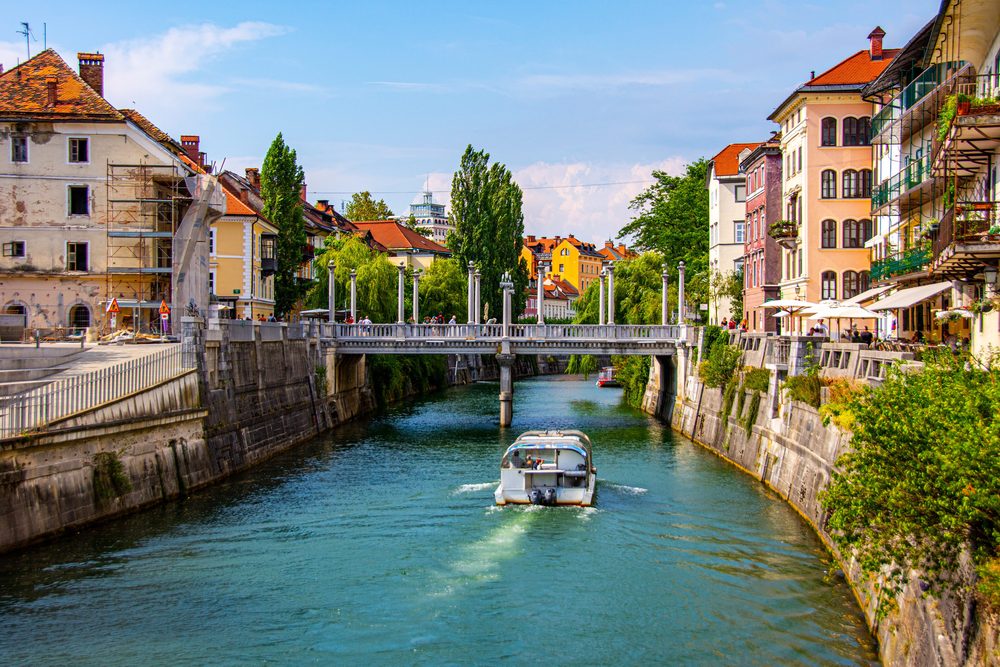
Within Ljubljana itself you don't need a car at all. The old town is pedestrianized around the river, and sights like the Robba Fountain, the Faces sculpture, and the National and University Library (a Jože Plečnik building worth visiting for the reading room alone) are all within a short walk of each other. Plečnik House, the architect's former home, sits a bit further out but is an easy bus or bike ride. Buses cover most towns Slovenia's trains don't reach, including connections toward the Karst region for Škocjan Caves, but schedules thin out on weekends, so plan around that if you're not driving.
Top destination travel tips
- The currency is the euro and most places, including small cafes, take cards, though it's worth carrying some cash for market stalls or rural guesthouses.
- English is widely spoken in Ljubljana, Bled, and the coast, especially among people under 40, but basic Slovenian phrases go a long way in smaller towns.
- Driving on highways requires a vinjeta toll sticker, sold at petrol stations and border crossings. Confirm current rules before you cross, since enforcement is by automatic camera.
- Mountain weather in the Julian Alps and around Soča can change within an hour, even in summer. Check forecasts the morning of any hike, not the night before.
- Tipping is modest by Western European standards, rounding up or adding roughly 10% at restaurants is normal rather than expected.
- Plugs are the standard European two-pin type (type C/F), running on 230V.
- Book the boat out to Bled island, or popular slots for the Great Soča Gorge and Tolmin Gorge (Tolminska korita), ahead during July and August, when midday crowds build fast.
Typical costs in the destination
Slovenia sits in the mid-range for Central Europe, pricier than the Balkans but cheaper than Austria or Italy. A casual lunch or a plate at a no-frills gostilna typically runs budget to mid-range, while a sit-down dinner at somewhere like Strelec Restaurant in Ljubljana Castle, which leans into foraged and historic Slovenian ingredients, moves into upscale territory. Coffee and a pastry at a spot like Cafe Central or a cup from Tri Marije Coffee Trailer costs little, and craft coffee shops such as Stow 2 go charge a bit more for specialty beans.
Accommodation ranges from budget hostels in Ljubljana to mid-range guesthouses in the Soča Valley to upscale lakeside hotels at Bled, where prices climb noticeably in July and August. Car rental and fuel are reasonable by Western European standards, though parking in central Ljubljana and at Bled during peak season can add up. Entry to sights like Škocjan Caves or Celje Castle is generally mid-range for an adult ticket, and worth checking current prices directly since they do shift year to year.
Must try food and drinks
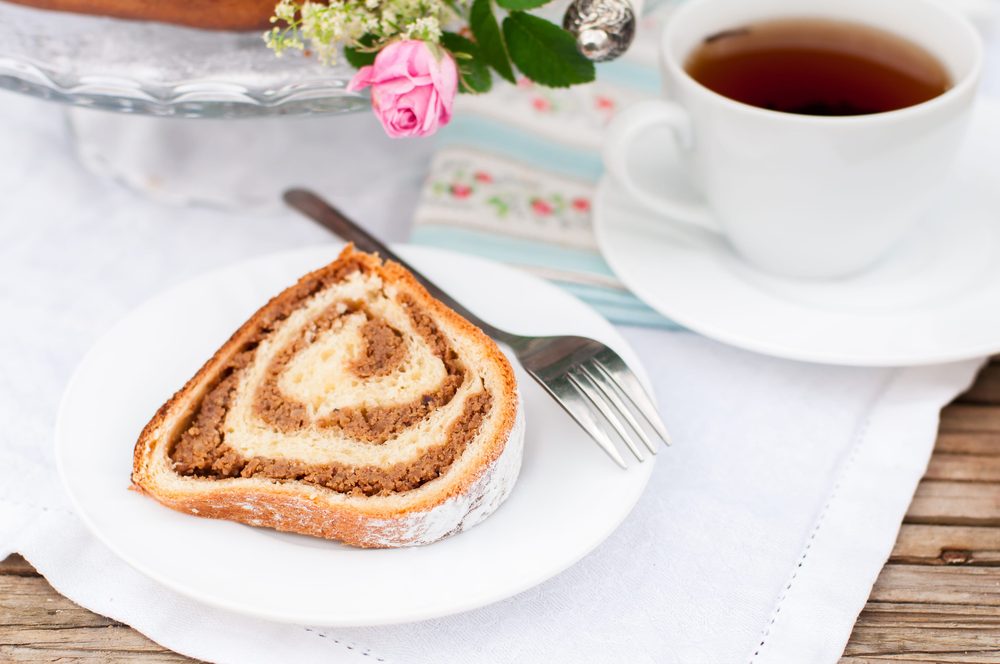
- Potica – a rolled nut cake, usually walnut, that shows up at every holiday table and in slightly different regional forms.
- Štruklji – rolled dumplings, savory or sweet, filled with cottage cheese, walnuts, or tarragon, served as a side or dessert.
- Jota – a hearty bean, sauerkraut, and potato stew from the northwest, built for cold weather.
- Kranjska klobasa – the country's protected-status sausage, usually grilled or boiled and served with mustard and horseradish.
- Idrija žlikrofi – small dumplings from the town of Idrija, filled with potato and herbs, served with a meat sauce.
- Cviček and Teran – two distinct local wines, the first a light, slightly tart red-white blend from Dolenjska, the second a deep red from the Karst made with Refosco grapes.
- Gelato at a spot like Gelateria Romantika, a reminder of how close the Italian border really is.
- Rogaška Slatina's mineral water, bottled from the spa town's springs and sold across the country, is worth trying at the source if you pass through.
FAQ
How many days do you need in Slovenia?
Five to seven days covers Ljubljana, Lake Bled, and one more region such as the Soča Valley or the coast without rushing. Ten days to two weeks lets you add the Karst caves, Velika Planina, and a slower pace through smaller towns like Celje or Piran.
Is Slovenia expensive?
It's mid-range for Europe, cheaper than Austria, Switzerland, or Italy but pricier than Croatia or the Balkans further south. Costs rise noticeably at Lake Bled and on the coast during July and August, so traveling in shoulder season stretches your budget further.
Do you need a car in Slovenia?
Not for Ljubljana itself, which is walkable, but yes for most of the rest of the country. Buses reach the main towns but run less frequently on weekends, and a car is the only practical way to string together stops like the Soča Valley gorges and Velika Planina in one trip.
Is Slovenia safe for travelers?
Yes, it's consistently rated among the safer countries in Europe, with low rates of violent crime. The main things to watch for are mountain weather and road conditions rather than personal safety, particularly if you're hiking or driving in the Julian Alps.
What is the best month to visit Slovenia?
June and September tend to offer the best balance of good weather and manageable crowds. July and August are warmest and busiest, while winter from December to March suits skiing and snow-season visits to places like Velika Planina.
Is Slovenia worth a day trip from Venice, Vienna, or Zagreb?
Ljubljana and Lake Bled work as long day trips from any of those cities, but you'll be rushing. Given how close they are, it's worth staying at least two nights to see the Soča Valley or Škocjan Caves rather than turning it into a single-day dash.
Is English widely spoken in Slovenia?
Yes, especially in Ljubljana, Bled, and along the coast, and particularly among younger Slovenians. In smaller rural towns you may encounter more German or Italian influence than English, so a few basic Slovenian phrases help.
Top Places to Visit in Slovenia
View all See & Do
 See & Do
 See & Do
 See & DoBudget · $
Tolmin Gorge (Tolminska korita)
 See & Do
Cooperative Business Bank Building
 See & DoBudget · $
Narodni muzej Slovenije
 See & DoBudget · $
 See & DoBudget · $
Plečnik House
Top Places to Eat in Slovenia
View all Eat & DrinkBudget · $
 Eat & DrinkModerate · $$
 Eat & DrinkBudget · $
 Eat & DrinkModerate · $$
Restavracija Pavel 2 Lovrečič Protić Liliana s.p.
 Eat & DrinkModerate · $$
 Eat & DrinkModerate · $$
 Eat & DrinkBudget · $
My Dumplings Of Slovenia
 Eat & DrinkBudget · $
Bookable experiences
Top experiences in Slovenian Istria

TOP TRUFFLES & WINE - Hunting & Tasting in Istria, Slovenia

TRUFFLES: Hunting & Tasting in Istria, Slovenia
Bookings made via these links may earn Bazar Travels a small commission, at no extra cost to you. Tours are provided by Viator, a Tripadvisor company.