Underground Naples
Piazza San Gaetano 68, 80138, Naples Italy Posted by Brandon B.Admin
What Underground Naples Actually Is
Underground Naples, known locally as Napoli Sotterranea, sits beneath Piazza San Gaetano in the Spaccanapoli district, one of the oldest continuously inhabited streets in the world. The entrance at number 68 is easy to miss, tucked between a church and a string of street vendors, but what lies below it is one of the most genuinely surprising things you can do in this city.
The site takes you down roughly 40 meters below street level into a network of tunnels, cisterns, and chambers that were carved from the volcanic tuff rock over two thousand years ago. Greeks first cut into this stone around the 4th century BC to extract building material and channel water. Romans expanded the system. Medieval Neapolitans used it. During World War II, residents hid here from Allied bombing raids for months at a time. The layers just keep going.
Naples is a city built on top of itself, and Underground Naples is the most direct way to understand that.
Quick Facts
- Address: Piazza San Gaetano 68, 80138 Naples
- Neighborhood: Historic Centre, near Via dei Tribunali
- Access: Guided tours only, departing regularly throughout the day
- Languages: Tours typically run in Italian and English, sometimes French and Spanish depending on the day
- Duration: Standard tour runs approximately 80 minutes
- Depth: You descend roughly 40 meters underground
- Temperature underground: Around 15°C year-round, noticeably cooler than street level
- Physical requirements: Some narrow passages require crouching or turning sideways
- Photography: Permitted throughout
Getting There
Piazza San Gaetano is a short walk from the Duomo di Napoli and sits right along Via dei Tribunali, the main artery cutting through the historic centre. If you're coming from the Toledo metro station, budget about 15 to 20 minutes on foot through the old city, which is itself worth the walk. From Spaccanapoli, you're looking at five minutes at most.
There is no parking to speak of in this part of Naples, and you wouldn't want to drive here anyway. The streets are narrow enough that even scooters have to negotiate with each other. Taxis and rideshares can drop you on Via dei Tribunali and you walk the remaining hundred meters to the square.
The Layout and Experience
The tour begins with a descent down a stone staircase. Once you're below street level, the temperature drops immediately and the city noise disappears almost entirely. Your guide leads you through a sequence of spaces that shift in character as you move through them.
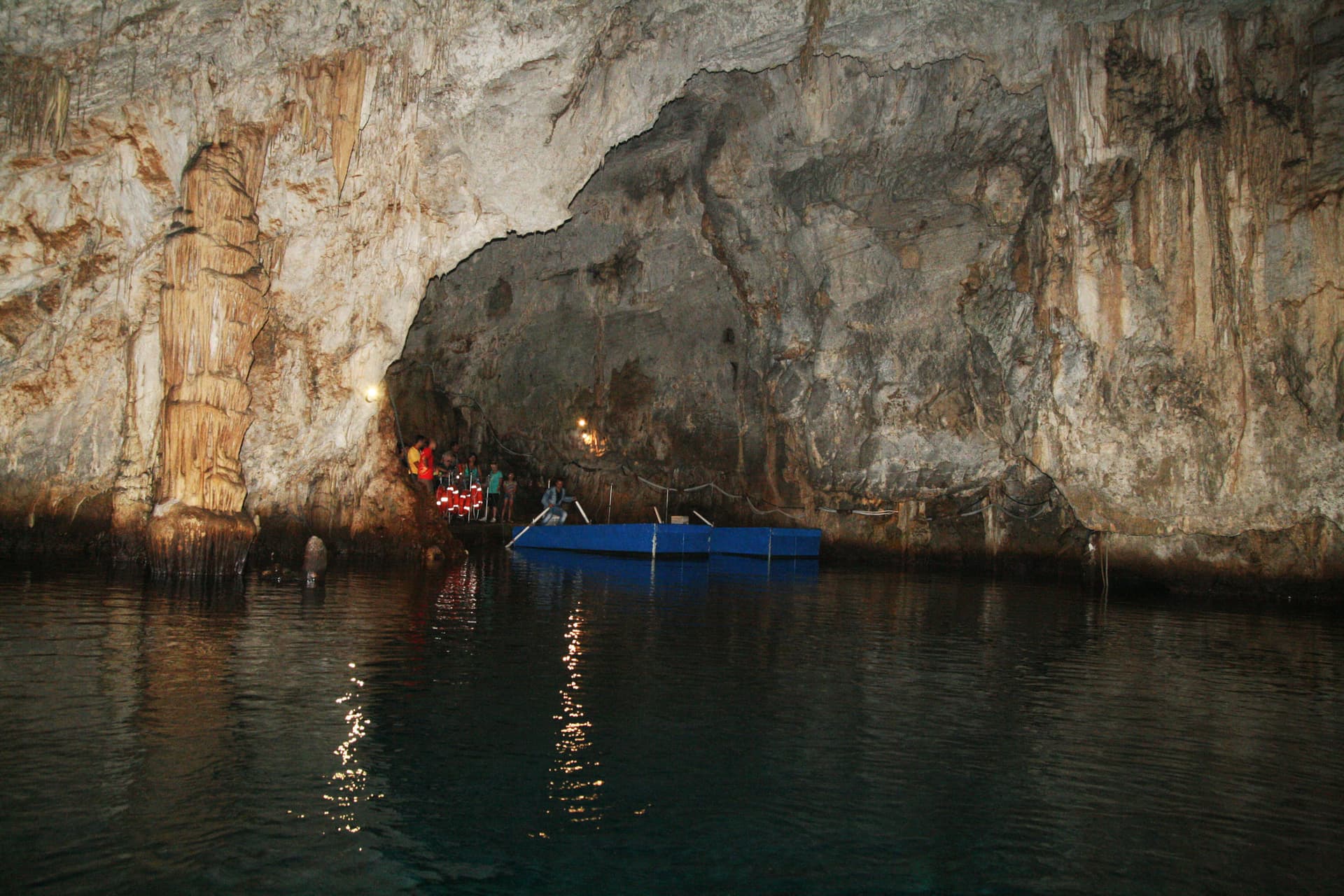
The Greek-Roman cisterns are the oldest sections, enormous vaulted chambers where water was stored and distributed across the ancient city above. The walls still carry the marks of the tools used to cut them. Some chambers open into narrow passages barely wide enough for one person, and you carry a small candle through these sections, which sounds like a gimmick until you're actually in there and the darkness is genuine.
The World War II section is different in tone entirely. Personal objects left by the families who sheltered here are still visible. Drawings on the walls, small domestic details preserved in the tuff. The guides tend to be particularly good in this section, drawing on documented accounts from the period rather than vague generalities.
There is also a buried Greco-Roman theater discovered beneath a private building on the route, visible through a glass floor and through the basement of a house whose owners have lived above ancient stone seating for generations without fully knowing what was underneath.
History and Background
The Greeks who founded Neapolis in the 4th century BC needed two things immediately: building material and water. The volcanic tuff beneath the city gave them both. They cut blocks from it to construct the city above, and the resulting cavities became cisterns connected by an aqueduct system that served Naples continuously for centuries.
The Romans inherited and expanded the network. During the eruption of Vesuvius in 79 AD, the Roman fleet under Pliny the Elder reportedly used water drawn from this system. The aqueduct stayed in active use until 1885, when a cholera outbreak prompted the city to modernize its water supply and the tunnels were sealed and largely forgotten.
The rediscovery and excavation of the tunnels as a tourist and historical site began seriously in the second half of the 20th century, led largely by the Associazione Napoli Sotterranea, which still runs the site today. Ongoing excavations continue to find new chambers and artifacts.
Tickets and Entry
Entry to Underground Naples is only possible as part of a guided tour. You cannot wander independently, and given the darkness and the complexity of the tunnel network, that makes complete sense. Tours depart multiple times daily, and the English-language departures are frequent enough that you rarely need to plan far ahead, though weekends and summer months get busy enough that booking in advance is a reasonable idea.
Tickets are available at the entrance or through the site's official website. There are reduced rates for children and students. The standard tour covers the main cisterns, the wartime shelters, and the buried theater section.
Best Time to Visit
The underground temperature stays consistent year-round, so the site itself is always comfortable. What changes is the crowd level above ground. July and August bring the heaviest tourist traffic to Naples, and the morning tours fill up fastest. If you're visiting in peak season, aim for a late afternoon departure when the tour groups from cruise ships have typically moved on.
Spring and October tend to be the sweet spot: the city is lively, the heat is manageable, and the tours feel less rushed. That said, even a busy tour underground feels intimate once you're in the narrow passages with your candle.
Photography Tips
Your phone camera will struggle in the candlelit passages, and that's honestly part of the experience rather than a problem to solve. The wider cistern chambers have enough ambient light for reasonable shots, especially if you stabilize against a wall. The wartime section photographs well because the guides tend to pause there longer.
The buried theater, visible through glass and from adjacent rooms, is one of the more visually striking spots on the tour. Get there early in your group's viewing time before everyone crowds the same angle.
Combining with Nearby Attractions
You're already in one of the densest concentrations of historic sites in Europe when you visit Underground Naples. The Duomo di Napoli is a five-minute walk east. The Museo Archeologico Nazionale, which holds much of what was excavated from Pompeii and Herculaneum, is about ten minutes north on foot and pairs logically with the underground visit if you want a full day oriented around ancient history.
Via dei Tribunali itself is worth slow exploration. The street is lined with some of the oldest pizza spots in the city, including Pizzeria Gino Sorbillo, and the kind of small churches that are unlocked only a few hours a day and contain paintings that would be headline attractions anywhere else. If you haven't eaten before the tour, eat after. Spending 80 minutes underground on a full stomach in warm layers is not ideal.
Practical Tips
- Bring a light layer regardless of the season. Fifteen degrees feels cold after a hot Neapolitan street.
- Wear flat, closed shoes. The stone surfaces are uneven and occasionally damp.
- If you have claustrophobia, ask about the narrowest passages before you book. The staff are straightforward about what to expect.
- The candle sections are short but require both hands, so plan your camera accordingly.
- Tours run rain or shine, and the underground entrance stays dry. This is a reliable option on a rainy Naples day.
- Children tend to love this tour, but it is a long walk for very small kids and the historical explanations are detailed enough that easily bored children may struggle.
- The site has a small gift shop and a reception area at street level.
FAQ
Is Underground Naples the same as the Bourbon Tunnel?
No. The Bourbon Tunnel, or Galleria Borbonica, is a separate underground site accessed from the Chiaia neighborhood. Both are worthwhile, but they cover different history and different parts of the subterranean city. Underground Naples focuses on the Greek-Roman cisterns and the wartime shelters beneath the ancient centre.
How far do you walk underground?
The standard tour covers roughly two kilometers of tunnels and chambers, though the route winds enough that it feels more varied than that distance suggests.
Can you book on the day?
Often yes, especially on weekdays outside summer. Walk-up tickets are available at the entrance, and tours depart frequently enough that you rarely wait more than an hour. In July and August, booking ahead is safer.
Is it accessible for people with mobility limitations?
The site involves significant stair descent, uneven surfaces, and passages that require bending. It is not wheelchair accessible. Contact the site directly if you have specific concerns, as the staff can advise on which sections are manageable.
How old is the oldest part of the tunnel network?
The oldest sections date to around the 4th century BC, when Greek settlers began quarrying the tuff and channeling water beneath what would become the city of Neapolis.
Reviews
Sign in and mark this place visited to leave a review.
No reviews yet.
Free Trip Planner
Plan your Italy trip with our free planner
Build a day-by-day itinerary with AI suggestions, hand-picked places, and friends. Free forever — no credit card.