
Villa Necchi Campiglio
Villa Necchi Campiglio
Via Volfango Mozart 14, 20122 Milan Italy Posted by Brandon B.
Villa Necchi Campiglio: Milan's Best-Kept Modernist Secret
Tucked behind a high garden wall on Via Mozart in Milan's quiet Porta Venezia district, Villa Necchi Campiglio is one of the most quietly stunning houses you can visit in Italy. Built in the 1930s for the Necchi and Campiglio families, two wealthy industrialists from Pavia, the villa is a near-perfect example of rationalist architecture by Piero Portaluppi, an architect whose work defined a certain strand of Milanese elegance between the wars. Today it operates as a museum under the FAI, the Italian National Trust, and it rewards visitors who take the time to slow down.
Most people visiting Milan rush between the Duomo, the Pinacoteca di Brera, and the Last Supper. This place draws a quieter crowd, which is part of its appeal.
Why Villa Necchi Campiglio Matters
Portaluppi completed the house in 1935, and it remains almost entirely intact. That's unusual. The original furniture is still in the rooms where it was placed. The Olivetti typewriters sit on the desks. The bar cart still holds bottles. Walking through it feels less like a museum visit and more like stepping into a house whose owners have just left for the weekend.
Beyond the architecture, the villa holds a serious art collection assembled by Claudia Gianferrari, who was among the last owners. Works by Tiepolo, Canaletto, and a small but choice group of Lombard artists hang throughout the rooms, often in surprising places. You might round a corner expecting a bathroom and find a minor masterpiece instead.
Luchino Visconti filmed parts of his 1974 film Conversation Piece here. The house has that quality: cinematic, slightly removed from time, completely itself.
Quick Facts
- Address: Via Volfango Mozart 14, Milan
- Managed by FAI (Fondo per l'Ambiente Italiano), Italy's National Trust
- Built in 1935 by architect Piero Portaluppi
- Includes the villa, a garden, a swimming pool (one of the first private pools in Milan), and a tennis court
- Art collection includes works by Tiepolo and Canaletto
- Nearest metro: Palestro (Line 1, red line), roughly 10 minutes on foot
- Closed on Mondays
Getting There
The villa is in the Porta Venezia neighborhood, a residential area east of the city center known for its Liberty-style buildings and the public gardens of the Giardini Pubblici Indro Montanelli. From the Palestro metro stop on Line 1, the walk to Via Mozart takes about 10 minutes through streets lined with apartment buildings from the same interwar period as the villa itself. If you're coming from the Duomo, you're looking at roughly 25 minutes on foot or a short tram ride along Corso Venezia.
Parking on Via Mozart is limited and the street is narrow. Walking or using public transport is the easier call.
The Layout and Experience
Entry takes you through the garden before you reach the house itself. The garden is formal without being cold, and in warmer months the planting is genuinely lovely. The swimming pool, one of the earliest private pools built in Milan, sits to the side of the house. It's now drained and used for events, but its proportions still communicate a certain interwar confidence.
Inside, the house is organized across several floors. Guided tours are the standard way to see it, and most days the visit follows a set route through the main reception rooms, the private quarters, the study, and the service areas. The kitchen and utility spaces downstairs are worth paying attention to. Portaluppi designed them with the same care as the public rooms, and the original fittings are largely in place.
Audio guides are available if you prefer to move at your own pace. The rooms are not enormous, and the whole visit typically takes around 90 minutes.
Main Highlights
Portaluppi's Architecture
The house exterior is restrained in the best way: clean horizontal lines, large windows, travertine and plaster surfaces. Portaluppi was working in a moment when Italian rationalism was the prestige style, and he brought real craft to it. Inside, the staircase is the first thing that stops people. It curves upward in a way that feels both functional and theatrical.
The Art Collection
Claudia Gianferrari, who inherited the property and eventually donated it to FAI, collected with a serious eye. The Tiepolo and Canaletto works are the most recognizable names, but the Lombard paintings from earlier centuries are the ones that tend to hold you longer if you give them time. They're hung at eye level, in natural light, in rooms where you can actually stand close to them.
The Period Interiors
The furniture is largely original to the 1930s and 1940s. There's something specific about seeing a house where the objects haven't been curated into abstraction. The telephone on the side table looks like it was last used in 1962. The bar in the main reception room still has its original glassware. This kind of completeness is rare.
Tickets and Entry
Admission is ticketed. FAI members enter free, which is worth knowing if you plan to visit other FAI properties during your time in Italy. There are reduced rates for young visitors and students. Tickets can be purchased at the door or booked in advance through the FAI website, and booking ahead is sensible during busy periods, particularly spring weekends and during Milan's design and fashion weeks in April and September.
Guided tours in Italian run on a set schedule most days. English-language tours are available but tend to be less frequent, so it's worth checking the FAI website before you go if that matters to you. Audio guides cover the main rooms in several languages.
Best Time to Visit
The garden is at its best from late April through June, when the planting is full without the heat of high summer. October is also a good call: the light in the rooms is lower and more golden, the crowds are thinner, and the city is in a better mood generally.
Avoid the week of Milan Design Week in April if you want a quiet visit. The villa sometimes hosts events during that period and the neighborhood gets busy. On a regular Tuesday or Wednesday morning outside of peak season, you may have some rooms almost to yourself.
Photography Tips
Photography is generally permitted inside for personal use, though policies can vary by room and for temporary exhibitions. Flash is typically not allowed. The staircase and the bar room are the two interior shots most people go for, and for good reason. The garden photographs well in morning light, when shadows from the trees fall across the pool terrace. The exterior facade is best shot from the far end of the garden where you can get the full width of the building.
Combining With Nearby Attractions
The Giardini Pubblici Indro Montanelli, Milan's oldest public park, is a five-minute walk from the villa and a good place to decompress after the visit. The Civico Museo di Storia Naturale sits inside the park. Corso Buenos Aires, one of the city's main shopping streets, is also nearby if you want to shift registers entirely.
If you're interested in Portaluppi's work more broadly, several of his other buildings are visible around the city, particularly around the canal district and in the neighborhoods north of the center. The Casa degli Atellani on Corso Magenta, about 30 minutes across town, is another restored historic house worth visiting for a different period and sensibility.
Practical Tips
- Check the FAI website for current opening hours before you go. Hours shift between summer and winter schedules.
- The villa is closed on Mondays.
- Book tickets in advance if you're visiting during April, September, or any long Italian weekend.
- Wear comfortable shoes. The tour covers multiple floors and some uneven garden paths.
- If you want an English-language guided tour, confirm availability when booking. It's not guaranteed every day.
- The garden cafe, when open, is a pleasant place to sit after the tour. Bring a book.
- FAI membership pays for itself quickly if you're visiting more than two or three FAI properties on a trip.
FAQ
Can I visit without a guided tour?
Audio guides are available and let you move at your own pace through most of the rooms. Fully independent visits without any guide or audio are less common, so check what's on offer when you book.
Is Villa Necchi Campiglio suitable for children?
Older children with an interest in history or design tend to get something from it. Very young children may find the guided tour format difficult. The garden offers some space to move around. It's not a hands-on experience, so manage expectations accordingly.
How long does a visit take?
Most visitors spend between 60 and 90 minutes, including the garden. If you linger over the art collection or take photographs, allow a little more.
Is it accessible for visitors with mobility difficulties?
The villa is a historic building and some areas involve stairs. Contact FAI directly before your visit to get current accessibility information and to ask about which areas of the house can be reached.
When was the villa donated to FAI?
Claudia Gianferrari donated the property to the FAI in 2001. It opened to the public shortly after and has been managed by the organization since then.
Opening hours
Reviews
Sign in and mark this place visited to leave a review.
No reviews yet.
Free Trip Planner
Plan your Italy trip with our free planner
Build a day-by-day itinerary with AI suggestions, hand-picked places, and friends. Free forever — no credit card.
Things to see near Villa Necchi Campiglio
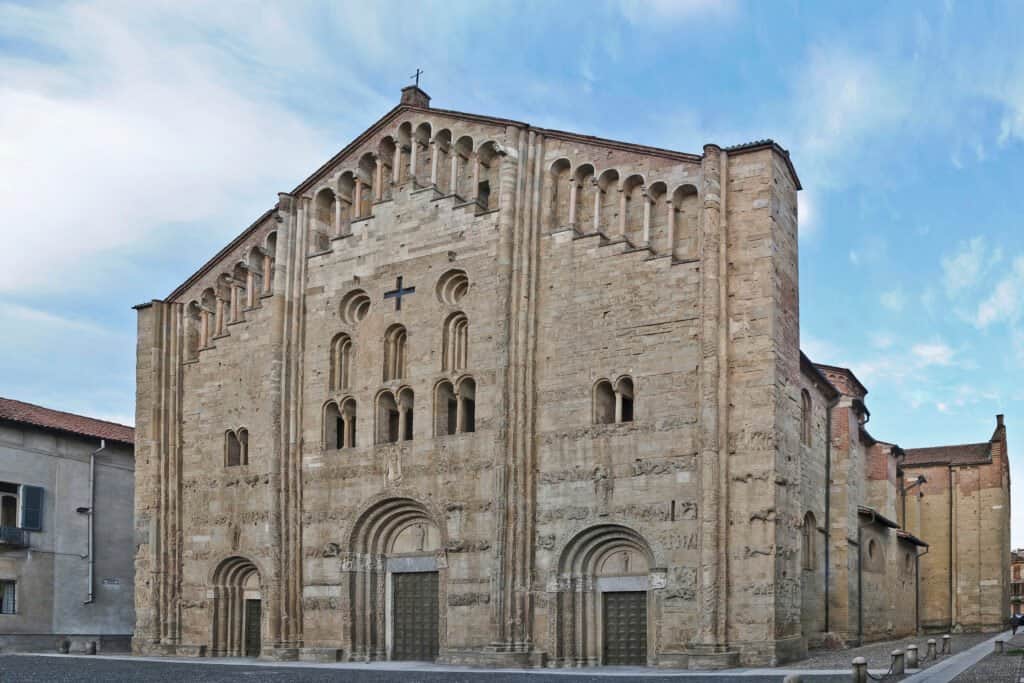
San Michele Maggiore Church
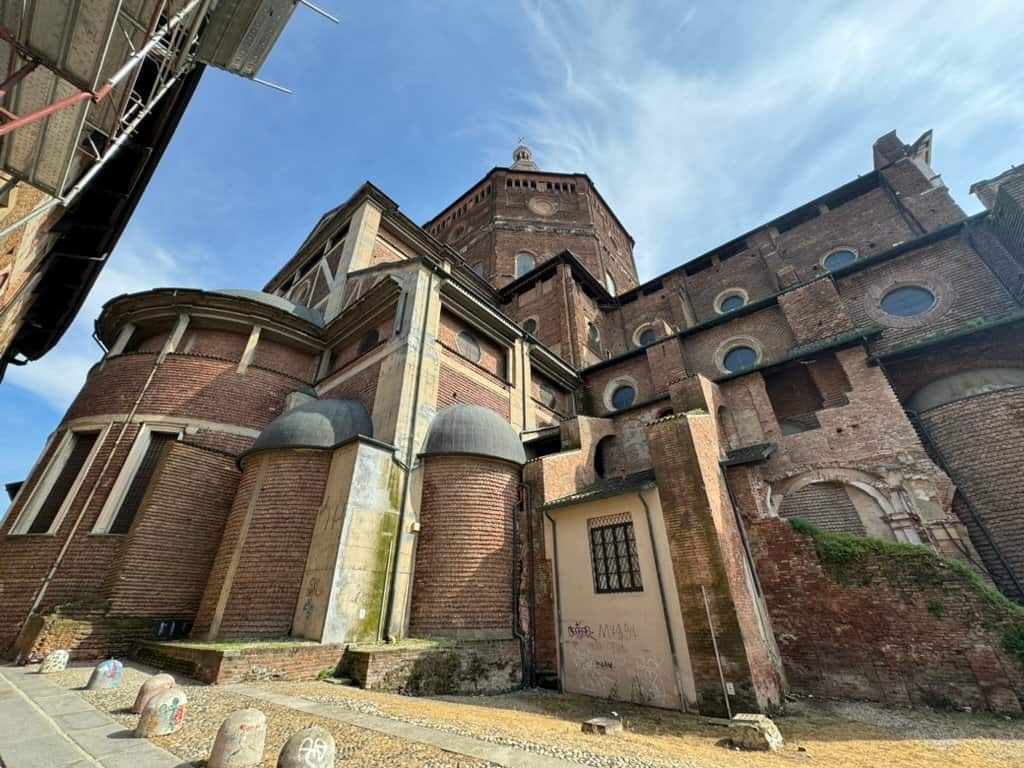
Cathedral of Pavia
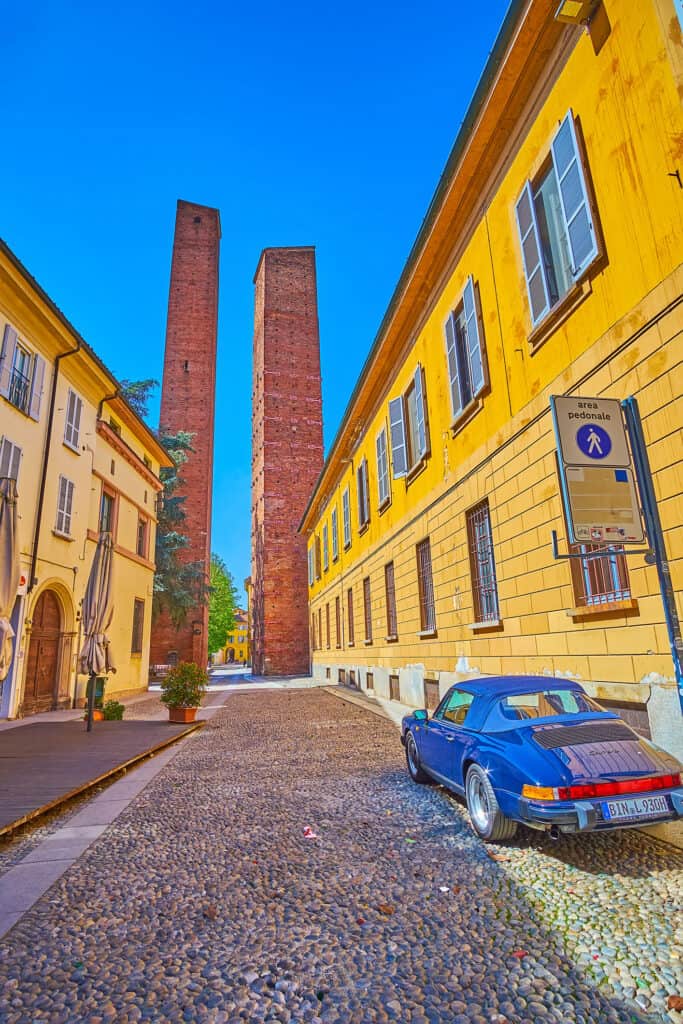
Towers of Pavia (Torri di Pavia)
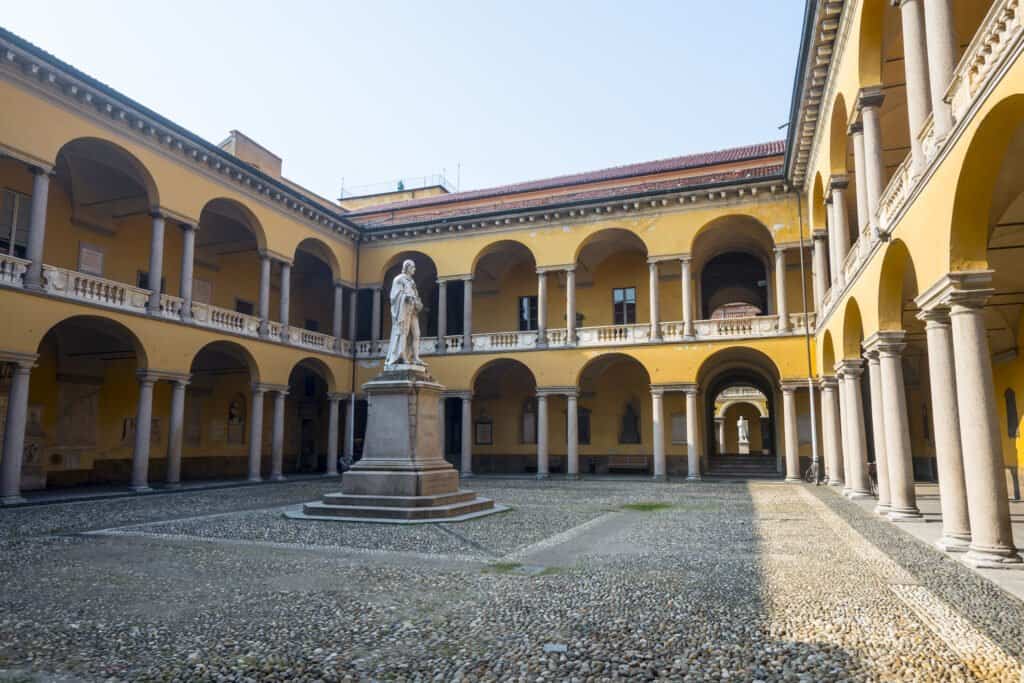
The University of Pavia
Places to eat or drink near Villa Necchi Campiglio

Pasticceria Vigoni

Pizza e Mozzarella
![[LA] Gelateria della Musica](https://lh3.googleusercontent.com/place-photos/AG9NLjAcRY6uECR_PnXjP-TiLAbJAD46ZEa7vSZt6_kswMgfxczYcmzmbBJwpJr3-3aPOvcfqFVdG-sLMcf3wB4GMV9vuJJkSrF6eTZRsAawuttThsCwmHeFovfDQBq0Wvb99KtGdUeuFg8FIwlOL3YBwUoJzg=w576-h576)
[LA] Gelateria della Musica

Officina Milano
More places in Milan
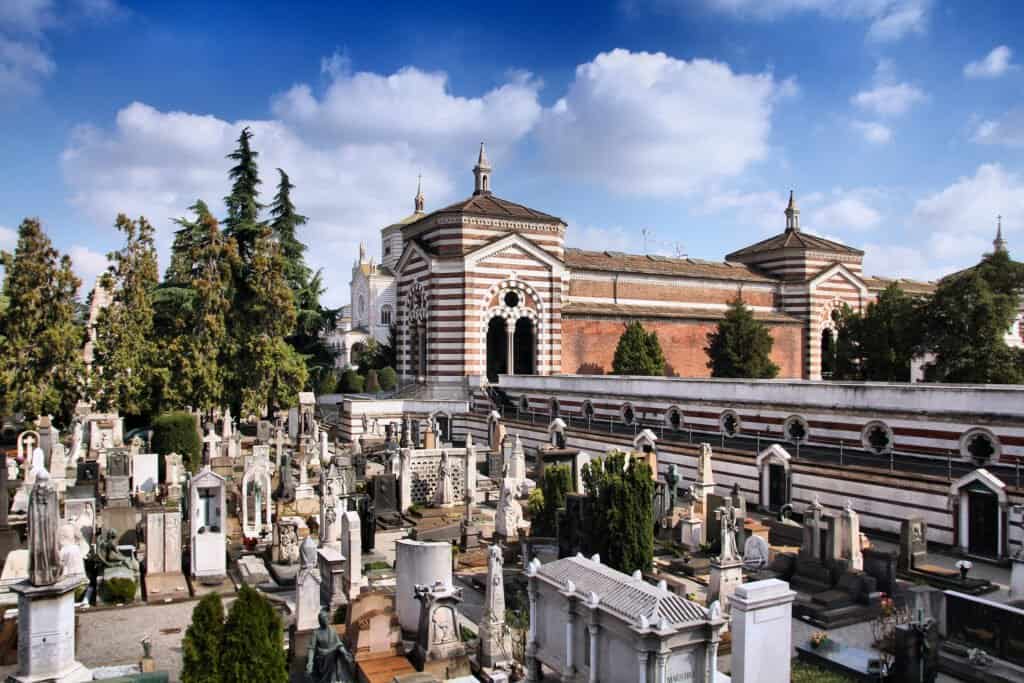
Monumental Cemetery – Milan
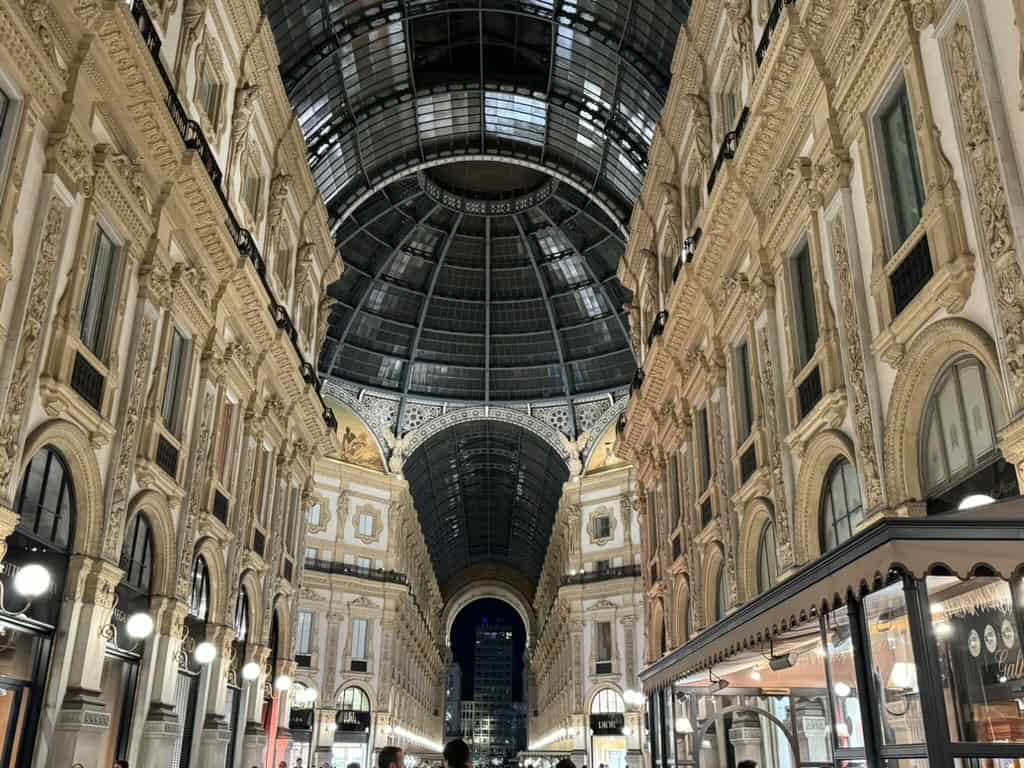
Galleria Vittorio Emanuele II

White Rabbit Speakeasy
