
 Posted by Brandon B.Admin
Galleria Vittorio Emanuele II
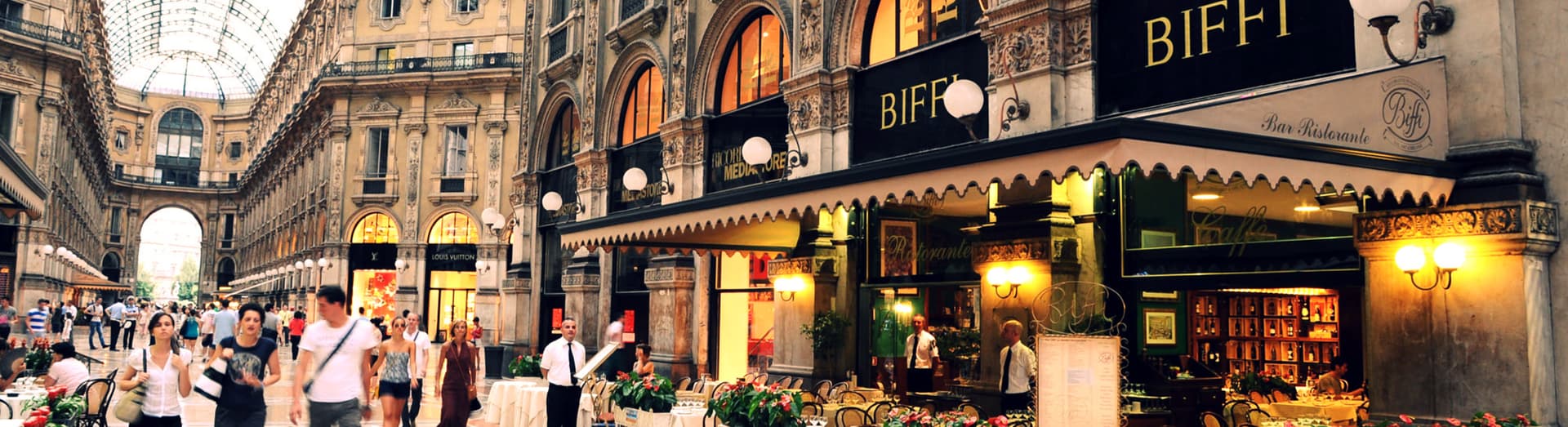
Galleria Vittorio Emanuele II is one of Europe's oldest shopping arcades and a defining landmark of Milan. Located on Piazza del Duomo in the heart of the city, this 19th-century gallery connects the cathedral square to Piazza della Scala and remains as much a destination for atmosphere as for shopping. The soaring glass-and-iron roof, ornate mosaics, and café culture make it feel more like a grand public space than a mall. Locals and visitors alike move through its corridors daily, making it essential to the rhythm of central Milan.
Why this place matters
The Galleria Vittorio Emanuele II opened in 1877 and was one of the first shopping galleries of its kind in Europe. Its architectural ambition influenced similar arcades across the continent. The gallery was badly damaged during World War II and underwent a major restoration in the early 2000s that returned it to much of its original grandeur.
Beyond its historical significance, the Galleria functions as a social hub. You'll find businesspeople grabbing coffee, tourists pausing to admire the architecture, and shoppers browsing high-end stores. The space has hosted cultural events and remains a symbol of Milan's status as a style capital.
Quick facts
- Opened in 1877
- Spans approximately 160 meters in length
- Glass-vaulted roof with octagonal dome at the center
- Connects Piazza del Duomo to Piazza della Scala
- Free to enter and walk through
- Mix of luxury brands, cafés, and restaurants
Getting there
The Galleria is impossible to miss if you're visiting Milan's Duomo. It sits directly adjacent to the cathedral on Piazza del Duomo. The nearest metro stations are Duomo (Lines 1 and 3) and San Babila (Line 1), both within a 5-minute walk. If you're arriving by train, Milan's central station is about a 15-minute walk or a short metro ride away.
You can enter from the Piazza del Duomo side, which faces the cathedral. There are additional entrances near Piazza della Scala if you're coming from that direction. The main Duomo entrance tends to be the busiest, especially on weekends and midday hours.
The layout and experience
The Galleria is a cross-shaped arcade with a central octagonal space where four corridors meet. The glass roof floods the interior with natural light, which changes throughout the day and creates a different mood depending on the weather. The floor features elaborate mosaics, including a zodiac circle at the center.
Walking through, you'll notice the Galleria functions as a living room for Milan. Benches line the sides, and people sit for hours nursing an espresso or just watching the crowds. The architecture itself rewards slow movement. The vaulted ceilings, ornamental ironwork, and period details reveal themselves gradually as you move deeper into the space.
Stores line both sides of the corridors, ranging from international luxury brands to Italian fashion houses and jewelry shops. Several historic cafés occupy prime corner positions, and restaurants with seating spill into the arcade itself. The energy shifts depending on the hour. Morning brings commuters and workers. Midday is peak tourist time. Evenings attract a mix of locals and visitors.
Main highlights
The central octagonal dome is the visual heart of the space. Its glass panels filter daylight differently depending on the season and time of day. Many visitors position themselves here to photograph the symmetry of the four corridors radiating outward.
The floor mosaics are worth examining closely. The zodiac circle at the center is the most famous, but intricate patterns run throughout the arcade. Some date to the original 1877 construction, while others were restored or replaced in recent renovations.
Caffè Biffi and other historic cafés have occupied the same spots for decades. Even if you don't sit down, the café culture and the way light catches the terrazza seating creates memorable moments for photography and observation.
The view down each of the four main corridors offers a sense of the gallery's scale and symmetry. Each direction feels complete and purposeful, which is part of what makes the space so distinctive compared to modern shopping centers.
History and background
The gallery was designed by architect Giuseppe Mengoni and named after King Victor Emmanuel II of Italy. Construction began in 1865 and the gallery opened on September 21, 1877. Mengoni died in a construction accident in 1877, just days before the opening, so he never saw his completed work.
The structure represented cutting-edge engineering for its time. The cast-iron framework and glass vault were innovative, and the gallery quickly became a model for similar arcades in Europe and beyond. It was a symbol of Milan's modernization and growing importance as an industrial and cultural center.
World War II bombing damaged the gallery severely. The roof was partially destroyed, and rebuilding took many years. The modern restoration, completed in the early 2000s, aimed to restore the original character while upgrading infrastructure. Some debate remains about how much of the restoration is truly original versus sympathetic reconstruction, but the visual impact is undeniable.
Tickets and entry
There is no admission charge to enter or walk through the Galleria. You can move freely through all corridors and the central space. If you shop or dine, individual merchants and restaurants set their own pricing. The gallery is public space, open from early morning until late evening most days, though specific hours can vary by season.
Best time to visit
Early morning, before 10 a.m., offers the calmest experience. The light is often beautiful at this hour, and you can move through without heavy crowds. Midday and weekend afternoons are peak times, with tourists and shoppers filling the space. If you're coming to photograph or absorb the atmosphere, morning is best.
The gallery is less crowded on weekday mornings and winter weekdays, when business travelers and locals outnumber tourists. Rainy days create a different mood, with the glass roof darkening the space and the mosaics becoming more reflective.
Photography tips
The octagonal dome framed by the four corridors is the most photographed angle. Position yourself in the center and shoot upward to capture the glass vault and iron framework. Morning or late afternoon light creates more dramatic shadows and color in the glass.
The floor mosaics photograph well from above, especially if you can find an elevated spot or use a drone-eye perspective. The zodiac circle is striking in the right light. Get close to capture the detail of the tilework.
The long corridors create strong linear perspective. Shoot down one corridor in early morning when fewer people are walking, or wait for a moment when foot traffic creates an interesting composition. The repetition of arches and shop fronts creates rhythm.
Avoid the middle of the day if possible, when harsh overhead light flattens the details and crowds create visual clutter. Cloudy days soften the light but can make the interior feel dim. Dusk, when interior lights begin to warm the space, creates a different but equally compelling mood.
Facilities and preparation
The Galleria has restrooms, though they may be in individual shops or restaurants rather than a dedicated facility. Water fountains are available in some sections. The space is wheelchair accessible through the main entrances, though the central mosaic floor is uneven in places.
The gallery is climate controlled and comfortable year-round. Comfortable shoes are essential if you plan to spend time exploring or shopping. The arcades can feel crowded during peak hours, so expect to move slowly and wait for views or photos.
Combining with nearby attractions
The Milan Cathedral (Duomo) sits immediately adjacent to the Galleria entrance. Most visitors combine a walk through the gallery with a visit to the cathedral, which takes 1 to 2 hours depending on whether you climb the roof. Piazza della Scala, at the opposite end of the gallery, hosts the famous La Scala opera house.
The Pinacoteca di Brera, one of Milan's major art museums, is about a 15-minute walk north. The Sforza Castle is roughly 20 minutes walk to the west. Many visitors create a circuit starting at the Duomo, moving through the Galleria, and continuing to Piazza della Scala and the surrounding neighborhoods.
Sample visit plan
Arrive at the Duomo entrance of the Galleria by 9 a.m. Spend 30 to 45 minutes walking slowly through all four corridors, pausing to study the mosaics and architecture. Stop for a coffee at one of the historic cafés if you wish, allowing another 20 to 30 minutes. Exit toward Piazza della Scala and explore that square. From there, La Scala is just steps away. If you have more time, walk north to the Pinacoteca di Brera or return to the Duomo for a closer look at the cathedral.
Practical tips
- Visit early morning for the best light and fewer crowds
- Wear comfortable shoes; the floor is historic mosaic and can be uneven
- Be aware of pickpockets in crowded midday hours, especially near the main Duomo entrance
- Cafés inside the Galleria cost more than those in surrounding neighborhoods
- The gallery is free to walk through; you only pay if you shop or dine
- Allow at least 30 minutes to walk the full gallery without rushing
- The space is beautiful in all weather, but cloudy days can feel dim indoors
FAQ
Can I visit the Galleria at night? Yes. The gallery stays open into the evening and is lit by interior lighting, which creates a different atmosphere. Many shops and cafés close by 8 or 9 p.m., but you can walk through the corridors later.
Is the Galleria good for shopping? It depends on your preferences. The stores are high-end and upscale, catering to luxury shoppers. If you're looking for bargains or everyday items, you'll find better options in the surrounding neighborhoods. The gallery is more valuable as an architectural experience than a shopping destination.
How long does it take to walk through? A quick walk takes 15 to 20 minutes. If you pause to admire details, sit for a coffee, or shop, allow 1 to 2 hours. Many people return repeatedly and spend time just sitting and observing.
Is it crowded? Yes, especially during midday and weekends. Early mornings and weekday afternoons are noticeably quieter. Winter weekdays are the calmest time.
Opening hours
Reviews
Sign in and mark this place visited to leave a review.
No reviews yet.
Free Trip Planner
Plan your Milan trip with our free planner
Build a day-by-day itinerary with AI suggestions, hand-picked places, and friends. Free forever — no credit card.
Things to see near Galleria Vittorio Emanuele II
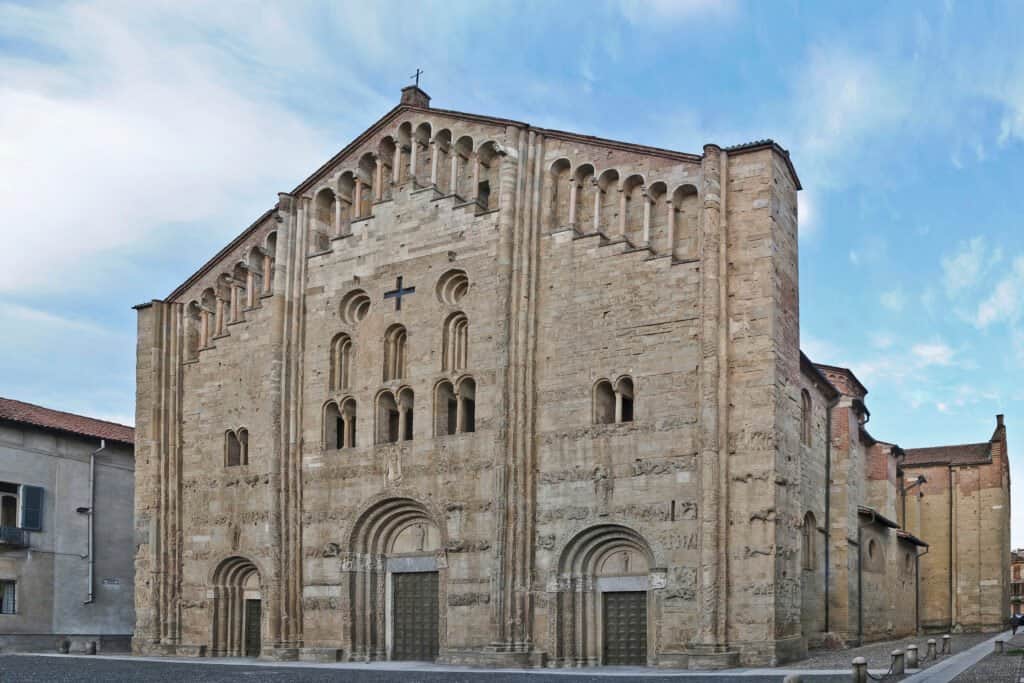
San Michele Maggiore Church
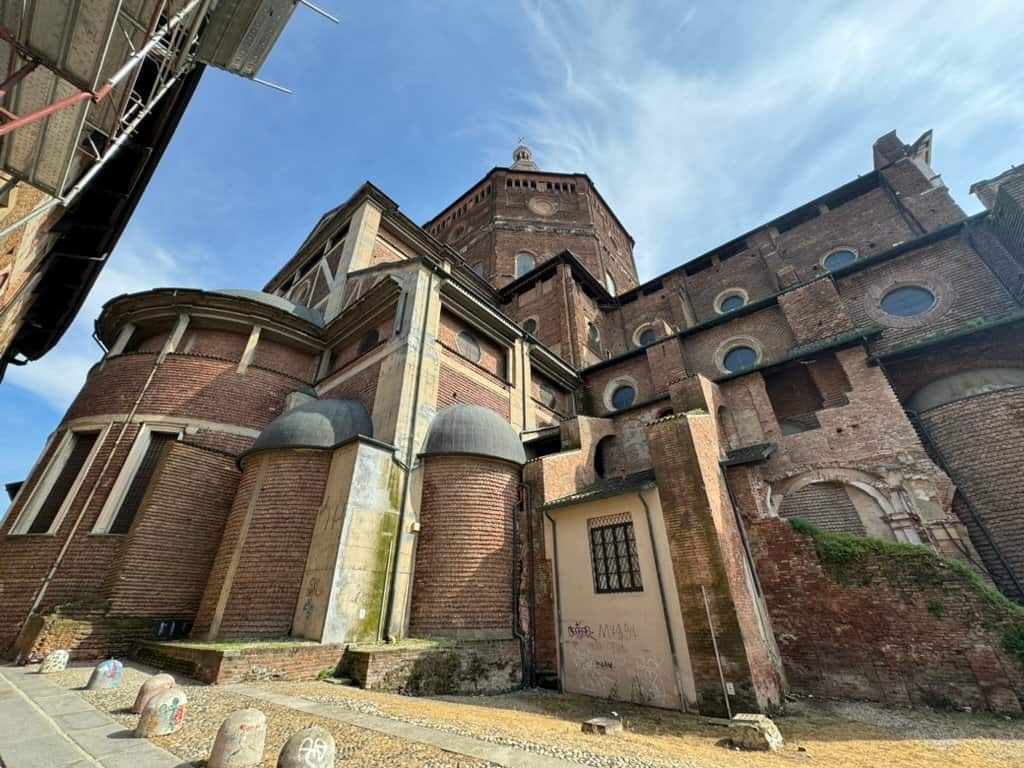
Cathedral of Pavia
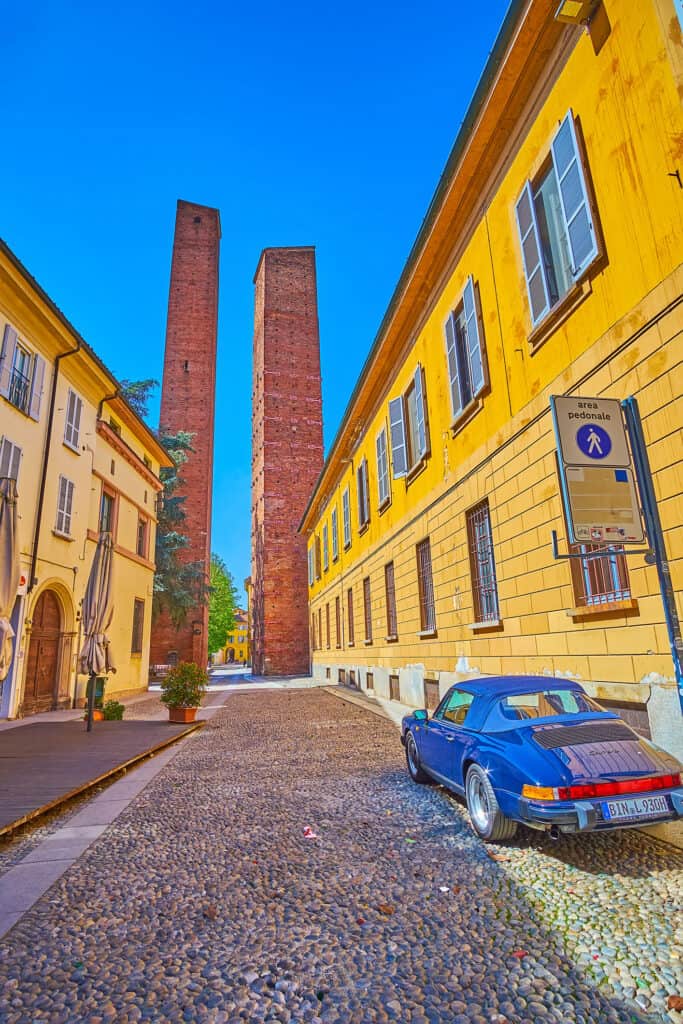
Towers of Pavia (Torri di Pavia)
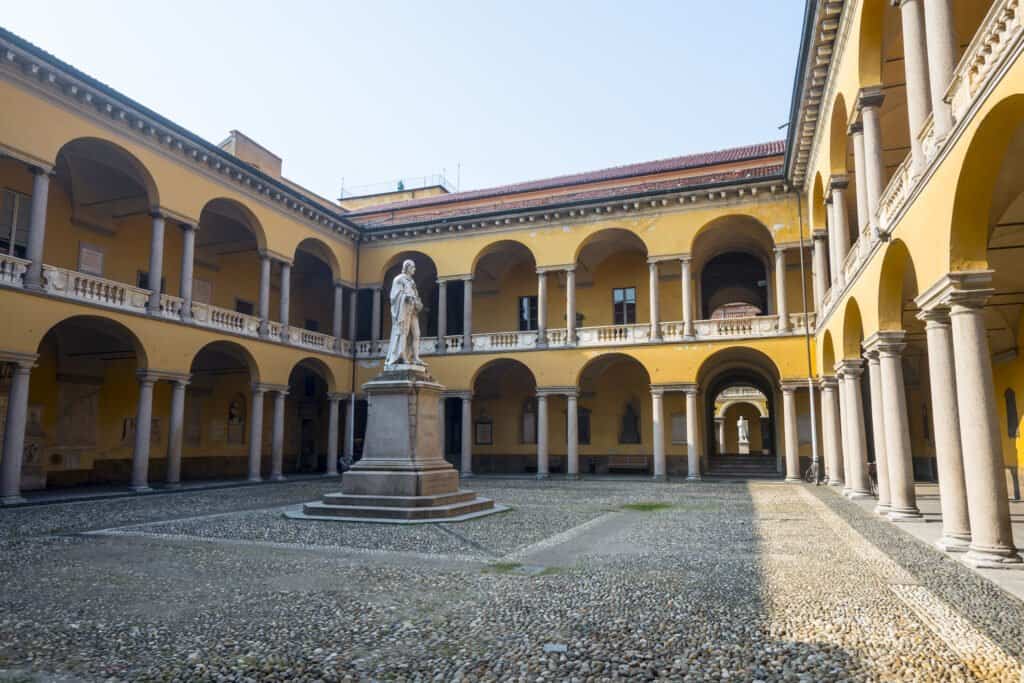
The University of Pavia
Places to eat or drink near Galleria Vittorio Emanuele II

Pasticceria Vigoni

Pizza e Mozzarella
![[LA] Gelateria della Musica](https://lh3.googleusercontent.com/grass-cs/AABkmLezQ1aahZ3Sj4IKvguuB34dH27jVTId85hNXzYEv9WG7GfBYHmI1cwHUPQVisLeNLAKCNmd1glh0QlkPrqj2oRaVJ7D4jkdmWOq7BbYLzAtEceYr8t1MxXkfmk96U5ezHE2vYUBkvyeVynx=s4800-w1600-h1600)
[LA] Gelateria della Musica

Officina Milano
More places in Milan

miscusi Milano Centrale

Brera District
Reminisce The Good Ol’ Days At La Scala
