
Visit A Winery
Santiago, Santiago Metropolitan Region, Chile Posted by Brandon B.Admin
What It Actually Means to Visit a Winery in Santiago
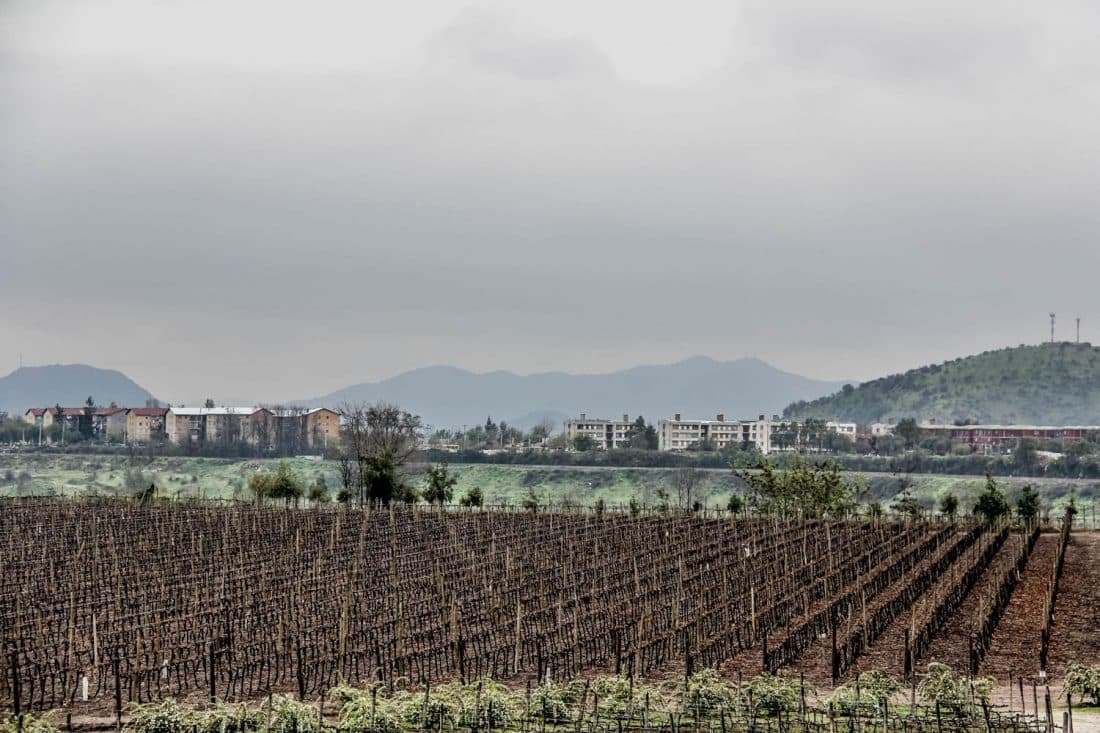
Santiago sits closer to world-class wine country than almost any other capital city on earth. Within an hour of the city center, you can walk through vine rows that have been producing wine since the 16th century, taste Carménère poured straight from the barrel, and watch the Andes turn pink at sunset behind a glass of something exceptional. Visiting a winery from Santiago is less a day trip and more a full sensory reset from urban life.
The wineries surrounding the city are spread across several distinct valleys, each with its own character. Knowing which direction to head makes all the difference.
Why Wine Country Around Santiago Is Worth Your Time
Chile is one of the few wine-producing nations where phylloxera, the vine louse that devastated European vineyards in the 19th century, never took hold. That means some estates here grow vines on their original rootstock, which is genuinely rare anywhere in the world. The combination of dry summers, cold nights, and snowmelt irrigation from the Andes creates conditions that push grapes to concentrate flavor without the grower having to intervene much.
Carménère is the grape you should know before you go. It was thought to be extinct after the European blight, then rediscovered growing in Chile in 1994, where it had been mislabeled as Merlot for generations. Tasting it here, in the valley where it quietly survived, carries a story most wine regions can't match.
Quick Facts
- Main wine valleys within reach of Santiago: Maipo, Casablanca, Colchagua, Cachapoal, and Leyda
- Closest valley to the city center: Maipo Valley, often under 45 minutes by car
- Casablanca Valley is roughly 90 minutes west, toward Valparaíso
- Most wineries offer tasting experiences, cellar tours, and restaurant meals, usually by prior reservation
- Peak harvest season runs from late February through April, when the estates are most active
- Many wineries are closed on Sundays or have reduced hours, so confirm before you go
- Tours are typically offered in Spanish and English
Getting There
For the Maipo Valley, which covers estates south and southeast of the city near towns like Pirque and Buin, a rental car gives you the most flexibility. The drive from Santiago's city center takes anywhere from 30 to 60 minutes depending on traffic and your destination. Some estates, like those near the Camino a Melipilla corridor, are a straight shot down clearly signed roads.
If you'd rather not drive, organized wine tours depart from Santiago regularly and typically include transport, a guided tasting at one or two estates, and lunch. These range from budget minivan tours to upscale private excursions with a sommelier. For Casablanca Valley, the same logic applies, and many tours combine a winery stop with an afternoon in Valparaíso.
Rideshare apps work for some closer Maipo estates, but confirm pickup availability before committing, as rural return trips can be unreliable.
The Valleys and What to Expect at Each
Maipo Valley
Maipo is Cabernet Sauvignon territory. The gravelly, alluvial soils and warm days produce structured reds with firm tannins, and some of Chile's most recognized estates, including Concha y Toro's flagship Pirque property and Santa Rita, sit here. Tours at the larger estates tend to be well-organized, with English-speaking guides, museum displays about Chilean wine history, and polished tasting rooms. If this is your first winery visit in Chile, Maipo is a sensible starting point.
Casablanca Valley
About 90 minutes west of Santiago on the road toward the coast, Casablanca is cooler and windier, which suits Sauvignon Blanc and Pinot Noir. The fog that rolls in from the Pacific keeps temperatures low enough that the growing season stretches longer. Smaller boutique producers operate here alongside well-known names like Casas del Bosque and Matetic. The drive itself passes through attractive hill country, and combining this valley with Valparaíso or Viña del Mar makes for an easy overnight if you have the time.
Colchagua Valley
Colchagua sits about three hours south of Santiago near the town of Santa Cruz and rewards the longer drive. This is arguably Chile's most celebrated red wine region, known for Carménère and Syrah, and the Ruta del Vino de Colchagua runs a well-organized network of member wineries with coordinated tours, a wine train that runs seasonally, and several high-quality restaurants on estate grounds. If you're planning a dedicated wine day or weekend, Colchagua is the destination that tends to impress the most.
What a Typical Winery Visit Looks Like
Most estates structure their visits around a cellar or vineyard tour followed by a seated tasting of three to five wines. At larger properties, you'll walk through barrel halls, fermentation areas, and sometimes a small museum covering the estate's history. At smaller boutique wineries, the winemaker or a family member may pour for you directly.
Lunch options vary widely. Some estates run full-service restaurants with menus built around regional Chilean food, while others offer simpler cheese and charcuterie boards designed to accompany the tasting. If you're hoping for a proper meal, book the lunch package specifically when you make your reservation, since it's often a separate add-on.
Premium or reserve tasting experiences, where you work through barrel samples or library vintages with a sommelier, are usually available at an additional cost and require advance booking.
Best Time to Visit
Harvest season, from late February through April, is the most visually dramatic time to visit. Trucks loaded with grapes move through the valley roads, the fermentation tanks are active, and the estates often have extra staff on hand. It's also the busiest period, so reservations matter more.
Winter months, from June through August, are quieter and cooler. Some outdoor areas of wineries become less appealing, but tasting rooms stay open and you'll often have more personal attention from staff. Spring, from September through November, brings flowering vines and mild weather, which makes it a genuinely pleasant time to walk the vineyard rows.
Photography Tips
The late afternoon light in the Maipo and Colchagua valleys is exceptional, with the Andes providing a backdrop that shifts from white to gold to deep orange depending on the hour. If you're hoping for that shot of vine rows receding toward the mountains, aim to be in position by around 5pm in summer. Most wineries are relaxed about photography in public areas, but ask before entering working cellar spaces, as some estates restrict it during harvest.
Combining with Nearby Attractions
A Maipo Valley winery pairs naturally with a morning at the Cajón del Maipo canyon, a dramatic gorge about 40 minutes further southeast where you can hike or simply stop at one of the roadside restaurants for a lunch of cazuela before heading to your afternoon tasting. Casablanca Valley pairs logically with Valparaíso, Chile's most atmospheric port city, which sits roughly 30 minutes further west. Colchagua, if you make the trip, justifies a night in Santa Cruz, a well-preserved colonial town with a strong local food scene.
Practical Tips
- Reserve all winery visits in advance, especially on weekends and during harvest season. Walk-ins are often not accepted.
- Designated drivers are a real consideration. If you're driving yourself, plan your tasting portions accordingly or use a tour operator.
- Bring sunscreen and a hat for outdoor vineyard walks, particularly in summer when UV levels in Chile run high.
- Most estates sell their wines directly, often at prices below what you'd find in Santiago shops. Bring a bag or ask about shipping.
- Tipping at winery restaurants follows Chilean norms, typically around 10 percent, though check if a propina is already included.
- If you're visiting Colchagua, the Ruta del Vino de Colchagua website lists member estates and helps with itinerary planning.
- Chilean wine labels use valley names (denominación de origen) as a quality indicator, so knowing the valleys before you go helps you read menus and shop more confidently.
FAQ
Do I need to speak Spanish to visit a winery near Santiago?
At most established estates, English-language tours are available, though you may need to request one when booking. Smaller boutique producers may only offer Spanish tours, but tastings often transcend the language barrier reasonably well.
How far in advance should I book?
For weekend visits or during harvest season, at least a week ahead is sensible. Weekdays outside harvest can often be arranged two or three days out, but confirming earlier never hurts.
Is it worth going to Colchagua if I only have one day?
It's doable but long. The drive from Santiago takes close to three hours each way, which means you'll spend more time in the car than in the vineyard unless you leave very early. An overnight in Santa Cruz turns it into a genuinely relaxed experience rather than a rush.
Can I visit wineries without a car?
Yes. Organized tours from Santiago handle all transport and are widely available at various price points. For Maipo Valley specifically, some estates are reachable by local bus or rideshare, though the return journey requires planning.
Reviews
Sign in and mark this place visited to leave a review.
No reviews yet.
Free Trip Planner
Plan your Chile trip with our free planner
Build a day-by-day itinerary with AI suggestions, hand-picked places, and friends. Free forever — no credit card.
Things to see near Visit A Winery
Concha y Toro
Hike Or Ski Around Cajon Del Maipo

Explore Santiago

Parque Metropolitano
Places to eat or drink near Visit A Winery

La Picada De Jaime

Antigua Fuente

Liguria
